
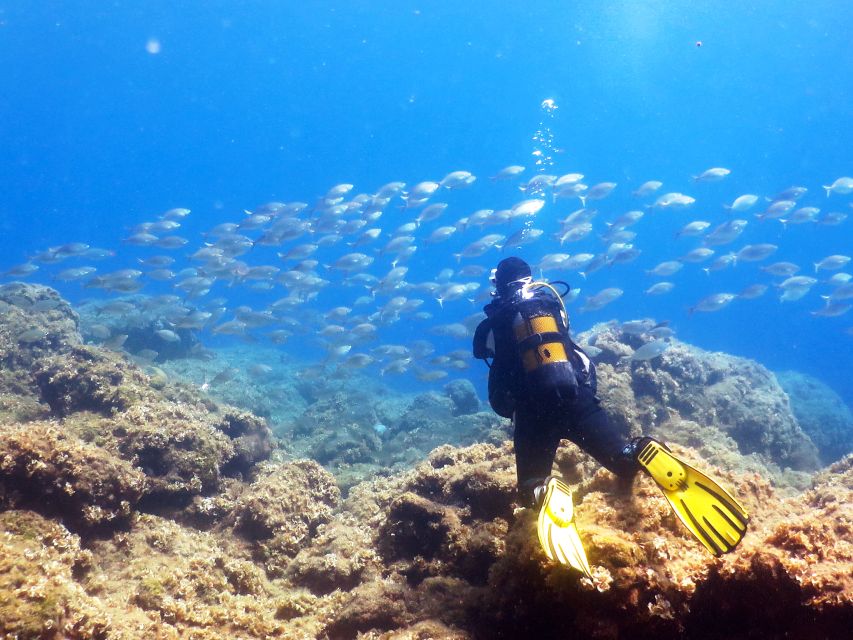
Reviewed · SCUBA DIVING & SNORKELING
Rhodes: Diving Adventure for Beginners and Experts
The best thing about this Rhodes scuba outing is the care given before you leave the surface. You receive a full safety briefing, test your breathing, practice with the equipment, and only go farther when you feel ready. That makes it a good fit if you have basic skills but feel rusty, nervous, or unsure about returning to the sea.
I like the small groups of up to six, which give the instructors room to watch each person closely. I also like the calm, patient teaching from staff such as Michael, Claudia, Sharon, Martin, Anna, and Brook, names that have been associated with especially reassuring instruction. The crew helps adjust your gear in the water, and there are extra staff members nearby to keep an eye on the group.
The main drawback is time beneath the surface. The included outing provides one descent, and some participants have found that it lasts about 20 minutes, even though the full day can run for several hours. You can pay for a second descent, but if you want a long, technical session, this is better viewed as a supervised introduction than a full day for serious underwater exploration.
Key points to know before booking
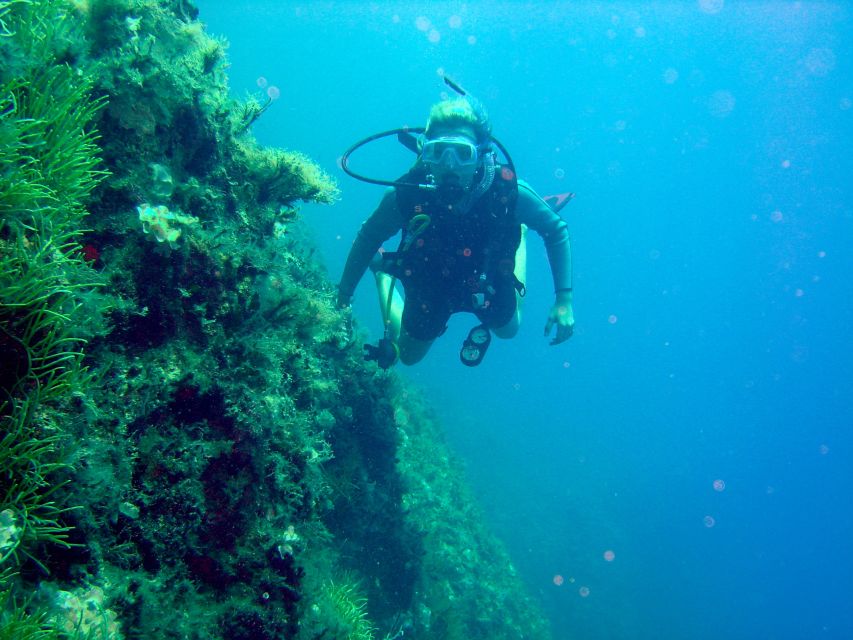
- Practice comes before the real descent: You get time to breathe through the regulator and become comfortable in shallow water before setting off.
- Kalithea is the main setting: The area offers clear water, snorkeling, rocky seabed, and marine life, though exact conditions and sights vary with weather.
- One descent is included: A second one costs extra, and several participants found it worthwhile.
- Support is close at hand: Instructors stay with you, adjust equipment, and help anyone who feels anxious or unwell.
- Children receive special supervision: Children aged eight and older can take part one on one with an instructor, to a maximum depth of two meters.
- Weather can change the plan: From November through April, and on poor-weather days, the boat is not used.
Why this works well for nervous beginners
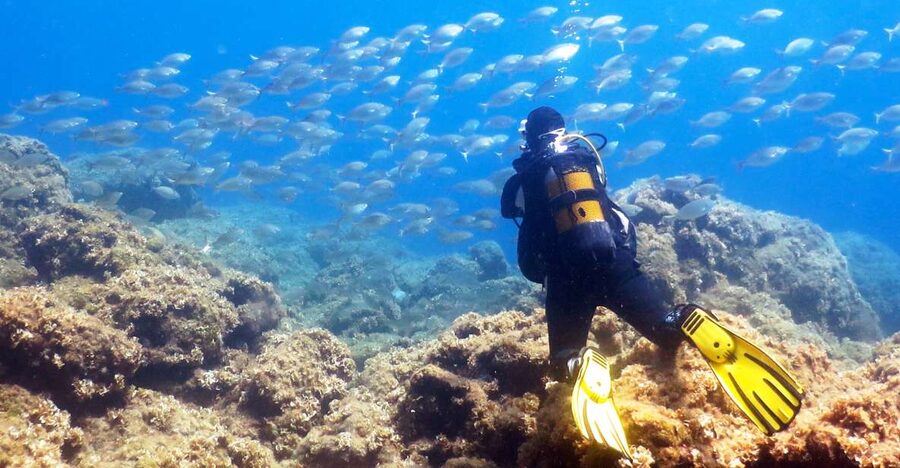
Scuba can look simple from a boat, then feel surprisingly strange once the mask, regulator, fins, and tank are in place. The first few minutes matter. Here, you do not simply receive equipment and get pushed into open water. The process begins with registration, a briefing, and a review of basic signals and safe breathing.
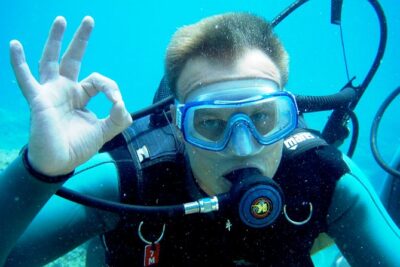
The staff use a structured safety talk covering equipment, hand signals, breathing, and what to do if you feel uncomfortable. This is especially useful if your last session was years ago. You can take a short refresher course, practice in the water, and ask for help before moving on.
The instructors also seem comfortable with different levels in the same group. A complete beginner can stay close to a guide, while someone with prior experience can use the session as a gentle return to the sport. You are not expected to perform at the level of the most experienced person in the group.
That personal attention is the strongest reason to choose this outing. Several staff members remain close in the water, and guides above the group may also watch from the surface. You can signal if your ears, mask, breathing, or equipment causes trouble. The goal is not to push you deeper. The goal is to help you stay relaxed enough to enjoy the sea.
More Diving and Snorkeling Trips in Rhodes
- (Full day)Scuba Diving in Rhodes
★ 5.0 · 466 reviews - Rhodes: Stand-Up Paddleboard and Snorkeling Tour
★ 4.9 · 231 reviews - Rhodes: Stand Up Paddle & Snorkel Adventure
★ 5.0 · 181 reviews
From Mandraki Harbour to the water
There are two possible starting points: The Waterhoppers base or the SEA Shuttle. Your meeting point depends on the option you select, so check the booking details carefully before setting out. If you meet at Mandraki Harbour, parking is available.
Hotel pickup and return can be arranged for an additional fee. That may be worthwhile if you are carrying bulky equipment or staying away from the harbour. Ask about it when booking, since it is not part of the standard price.
The transport portion takes roughly an hour in total, according to the published schedule. That time can include movement to and from the water, so do not assume you will spend the full day underwater. On some days, you may spend a fair amount of time on the boat, waiting for groups to finish their practice or preparing for the next activity.
That slower rhythm is normal for a beginner session. It also means you should bring a hat, swimwear, and sunscreen. Food and drinks are not included, so carry what you need for the day unless you plan to buy something separately.
Kalithea, snorkeling, and your first descent
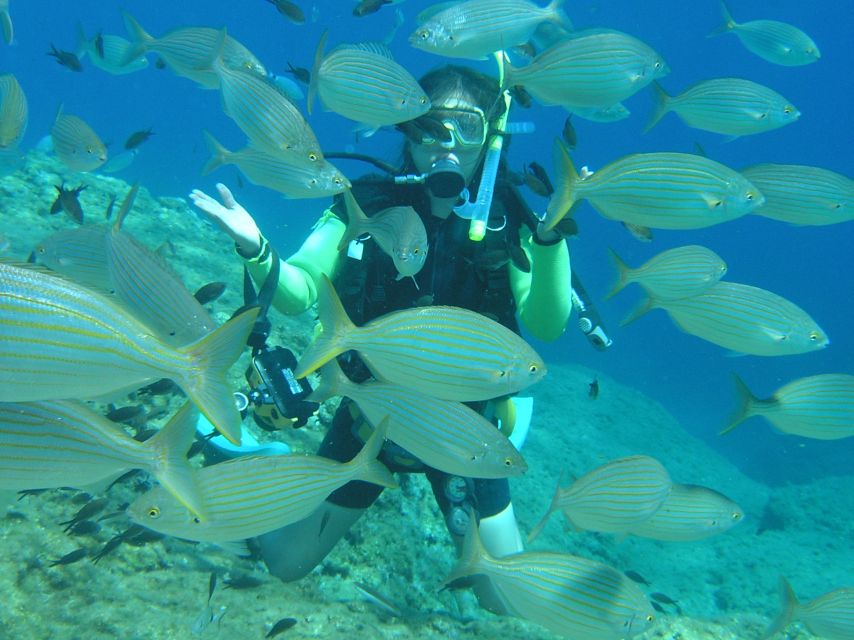
The main water session takes place around Kalithea and lasts about four hours, including preparation, snorkeling, and scuba. The exact spot can change because of wind and sea conditions. A calm bay may be chosen instead of the planned boat location, and that can affect how much marine life or underwater scenery you see.
Kalithea gives you more than one way to enjoy the sea. You can snorkel before or between sessions, which is useful if you are still getting used to breathing with equipment. It also gives non-diving companions something to do while other members of the group take their turn.
The included descent is guided rather than independent. You follow an instructor and stay with the group, allowing the crew to monitor your comfort and equipment. Staff can make small adjustments in the water, which is far better than struggling with a loose strap or an uncomfortable mask.
Depth depends on your experience and comfort. One novice session described a first descent at around five meters for about 20 minutes, followed by an optional second session at around seven meters for about 30 minutes. Those figures are useful examples, not a promise. Weather, ability, and group arrangements can affect the final plan.
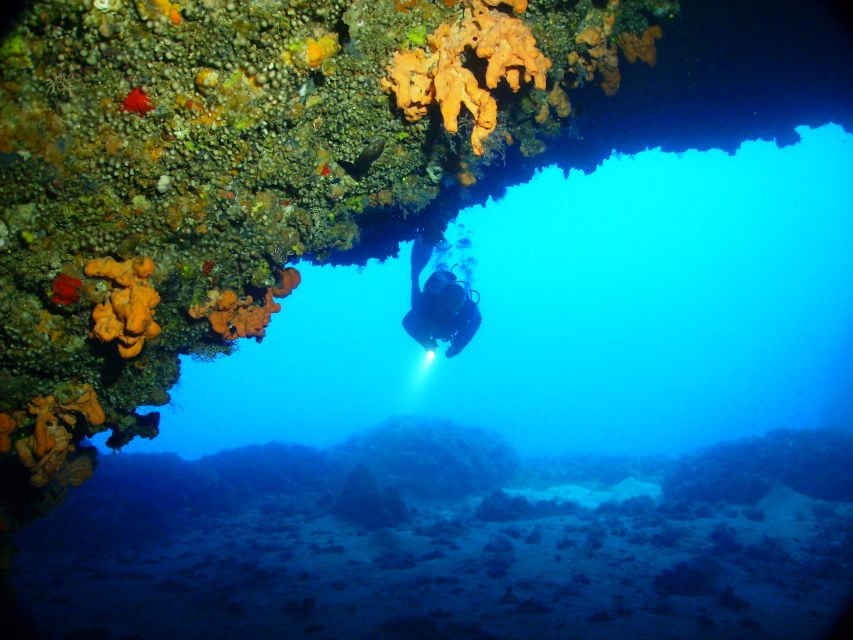
The underwater scenery is likely to include fish and rocky seabed, with the clearest conditions offering the best views. Yet you should keep your expectations sensible. One outing had little marine life at a shore-based site, while other sessions were praised for clear water and plenty to see. The sea is not a display tank, and conditions change from one day to the next.
The optional second descent is worth considering
One descent is included in the $82 price. A second descent is available for an additional fee, and the cost has been described as about $35 in one recent account. Confirm the current price when booking, since extra charges can change.
I would seriously consider the second session if your first attempt feels short or if you spend much of the first descent simply mastering your breathing. The second time in the water is often when the equipment begins to feel natural. You may spend less energy thinking about each breath and more time looking around.
Still, do not feel obliged to buy it. If you are nervous, seasick, tired, or simply satisfied after the included session, one descent may be enough. The first session already gives you instruction, gear, supervision, and a real taste of underwater travel.
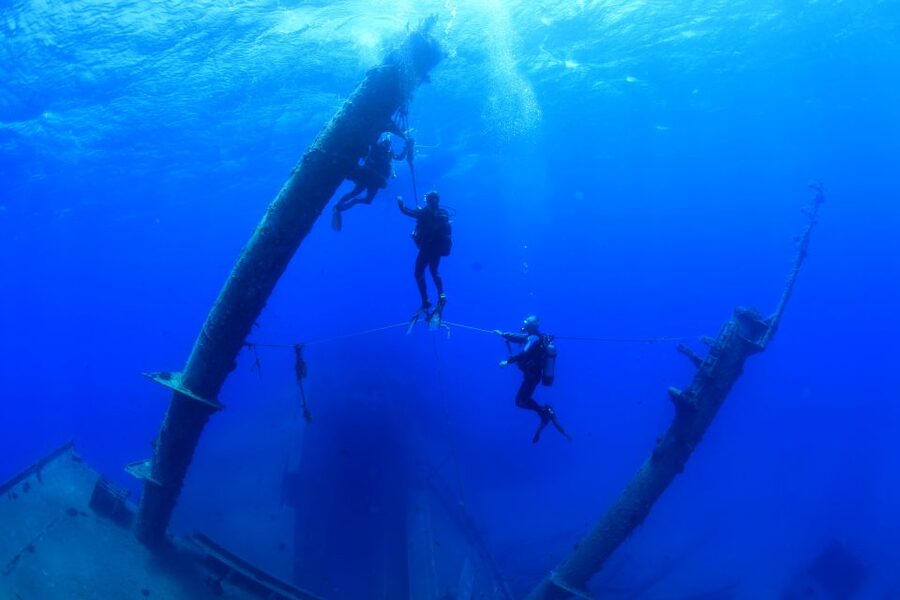
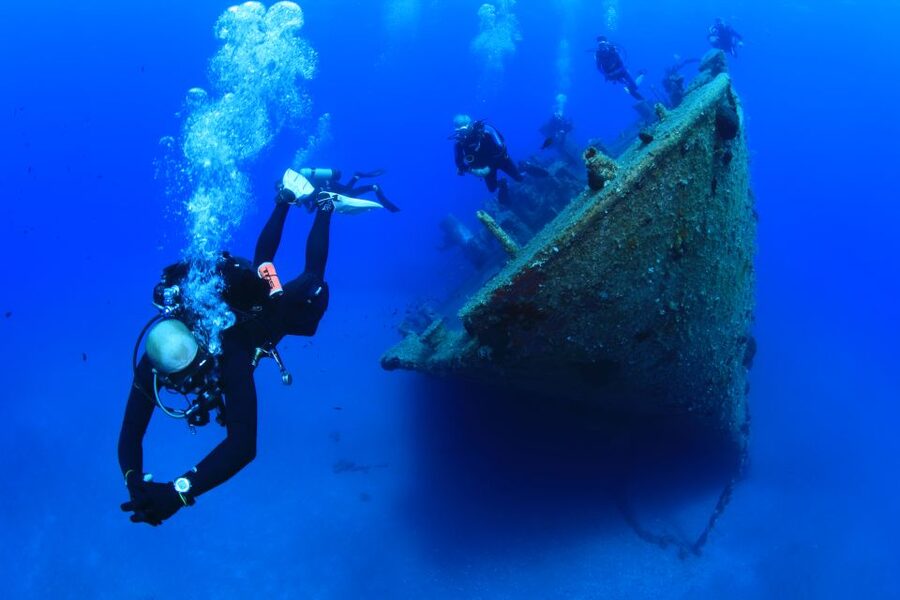
Experienced divers should also think about what they want from the day. The site is suitable for people with prior experience, but this is not presented as a long, advanced trip. The included session can work as a practice run, especially after time away from the sport. If you want wrecks, caves, deeper water, or a longer bottom time, ask what site is planned and what level the group will follow.
More time under the water around Rhodes:
- Santorini Gold Catamaran Cruise with Snorkel, BBQ & Open Bar
★ 4.8 · 2,822 reviews - Hersonissos: Jet Boat Tour with Snorkeling
★ 4.9 · 1,385 reviews - Heraklion: Dia Island Sailing Cruise with Snorkeling
★ 4.7 · 742 reviews - Lindos,Pefkos: All inclusive Swim & Snorkel Boat Cruise
★ 4.8 · 730 reviews
Why the crew matters more than the scenery
The underwater setting is only part of this experience. The crew shapes the day, especially for first-timers. Staff members have been praised for clear explanations, friendly support, and patience with people who feel afraid once the gear goes on.
That patience matters. One first-time participant was so nervous that the equipment itself felt overwhelming, yet the instructor stayed calm and close throughout the session. Another family received extra help for an autistic child without needing to request it. You should not assume every need will be handled automatically, but the staff have shown a willingness to adapt.
Named instructors include Michael, Claudia, Sharon, Martin, Anna, Brook, Lou, Bart, and Sheri. You may not meet all of them, and staff assignments can change, but the range of languages is useful. Instruction is offered in Dutch, English, French, and German.
The crew also helps with problems that have little to do with scuba. Seasickness has affected some participants, and staff have offered care and reassurance. If you know you are prone to motion sickness, sit where you are most comfortable, bring any approved medication you normally use, and tell the crew early.
The atmosphere is not formal or stern. You still receive a serious safety briefing, but staff keep the mood light when appropriate. That balance helps you stay alert without making a first session feel intimidating.
Boat days, shore days, and seasonal limits
On good-weather days in the main season, you may use a boat to reach the water. The boat trip itself can be a pleasant part of the outing, giving you time to snorkel, rest, and enjoy the Aegean scenery.
Weather can change the route. One session moved to a different location because of conditions, and the replacement site had a rocky shore and fewer fish than expected. That is not a flaw in the crew. It is part of choosing a sea activity. You are paying for instruction and access to the water, not a guaranteed animal sighting or a fixed underwater scene.
From November 1 through April 30, the company does not use boats. Boat use may also stop on bad-weather days at any time of year. The activity can still go ahead from shore when conditions permit, but the setting and feel will be different.
This seasonal detail matters if you are visiting Rhodes outside summer. The water may still be suitable, but you should ask exactly where the session will take place. The late-season schedule can also feel shorter than expected, with more waiting between groups and less time in the water.
What the $82 price really covers
At $82 per person, the price includes all diving equipment, instructors, the safety briefing, a refresher session, and one guided descent. That is fair value for a first session because you do not need to rent gear separately or arrange an instructor on your own.
The price is strongest for beginners. You are paying for supervision, equipment fitting, practice time, and a controlled introduction. It is also useful for a certified diver who wants a low-pressure refresher rather than a demanding day.
The value is less obvious if you measure the experience only by minutes underwater. A full day can include transfers, waiting, preparation, snorkeling, and the boat ride, while the actual descent may be around 20 minutes. Photos cost extra, and food and drinks are not included. A second descent also costs more.
Underwater photographs can be a pleasant souvenir, but they are optional. If photographs matter to you, ask about the current cost before the session. One participant found paid photos and transport worthwhile, while another felt the short descent and extra photo charge reduced the value.
Who should book this Rhodes experience?
This outing suits you best if:
- You are a beginner who wants close supervision.
- You have basic scuba skills but have not been underwater for a while.
- You want a gentle practice session before taking a formal course.
- You prefer a small group rather than a crowded boat.
- You want snorkeling as an alternative or an extra activity.
- You are traveling with a child aged eight or older who can receive one-to-one instruction.
It is less suitable if you want a long underwater session, guaranteed wreck scenery, or a demanding route for advanced divers. The program centers on safety and comfort, not speed or technical challenge.
Children under eight cannot take part. Pregnant women and people with heart, respiratory, or seizure-related conditions should not book this activity. If you have a medical concern that is not listed, ask the provider before paying.
The experience is wheelchair accessible, but the exact arrangements can depend on the selected meeting point and water access. Confirm the practical details in advance if you use a wheelchair.
Should you book it?
Book this Rhodes scuba outing if your priority is patient instruction, close supervision, and a relaxed first look below the surface. The crew support is the real strength, and the practice period makes the experience less daunting than a session that rushes straight into open water.
Think twice if you are an experienced diver seeking long bottom time or a guaranteed wreck or cave. You may find the included descent too short, and weather can change the planned location.
For most beginners, $82 is a sensible price for a carefully supervised introduction. I would reserve it on a day when you can handle a flexible schedule, bring your own snacks and sun protection, and keep the optional second descent in mind if the first session leaves you wanting more.
FAQ
How long does the Rhodes scuba activity last?
It is listed as a one-day activity, with transport taking about one hour and the Kalithea water session lasting about four hours. The exact schedule and start time depend on availability.
How many scuba descents are included?
One guided descent is included. A second descent is available for an additional fee.
Do I need formal scuba qualifications?
No formal qualification is required for this experience, but you should have basic diving skills. A refresher session is available if you have not been underwater recently.
What languages do the instructors speak?
Instruction is available in Dutch, English, French, and German.
Can children take part?
Children aged eight and older can participate with a personal instructor, one on one, to a maximum depth of two meters. Children under eight are not accepted.
Is the boat always used?
No. The boat is not used from November 1 through April 30 or on bad-weather days. The session may then take place from shore or at another suitable location.
What should I bring?
Bring a hat, swimwear, and sunscreen. Food and drinks are not included.
More Scuba Diving in Rhodes
- Heraklion: Scuba Diving Experience for Beginners _Beach
★ 4.7 · 549 reviews - Heraklion: Beginner Scuba Diving Lesson with PADI Instructor
★ 4.9 · 355 reviews - Scuba Diving Experience in Santorini
★ 5.0 · 191 reviews
Just added in Rhodes
- Lindos: Submarine Cruise with Swimming Stop at Navarone Bay★ 4.7 · 120 reviews
- Private Wine Tasting Under the Guidance of a Sommelier in Rhodes★ 5.0 · 107 reviews
- Rhodes Wine & Food Tour: 10 Meal Course Lunch, Wine Tasting, Cooking Class★ 5.0 · 109 reviews
- Rhodes: Private Wine Tasting Experience for Beginners★ 5.0 · 199 reviews
- Best Rhodes Tour with Wine Tasting Experience from Cruise Port★ 4.5 · 78 reviews
- Rhodes: Sunset Cruise with Live Music, Wine & Greek Buffet★ 4.6 · 236 reviews
- Rhodes: Sunset Cruise with Unlimited Aperol, Beer, and Wine★ 4.8 · 323 reviews
- Day Cruise by a Sailing Yacht to the most beautiful bays or Rhodes (Small Group)★ 5.0 · 197 reviews
Scuba Diving & Snorkeling, compared.

Santorini Gold Catamaran Cruise with Snorkel, BBQ & Open Bar
Read our review →
Lindos,Pefkos: All inclusive Swim & Snorkel Boat Cruise
Read our review →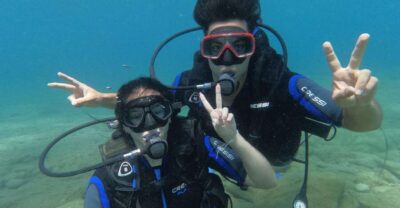
Menies Beach & Chironisia Bay Cruise with Snorkeling
Read our review →
Boat Trip with Guided Snorkeling & Stand-Up Paddling
Read our review →Browse the lists this tour appears in