
Reviewed · ANCIENT CORINTH, MYCENAE & NAFPLIO TOURS
Argolis: Full-Day Tour in Mycenae & Nafplio
Mycenae gives this day its dramatic center: you walk through the Lion’s Gate, beneath walls built more than three thousand years ago, then enter the great Treasury of Atreus. Add the Corinth Canal and the handsome old town of Nafplio, and you get a broad taste of the Peloponnese without arranging several train, bus, and taxi connections.
I like the strong mix of archaeology and scenery, and I like having a guide to explain the myths behind Agamemnon, Helen of Troy, and the Trojan War. Guides such as Efi, Fotini, Anastasia, and Matthew have been singled out for clear storytelling and warm help. The tradeoff is time: this is a packed 10-hour day, and lunch can be ordinary unless you order carefully.
Key points at a glance

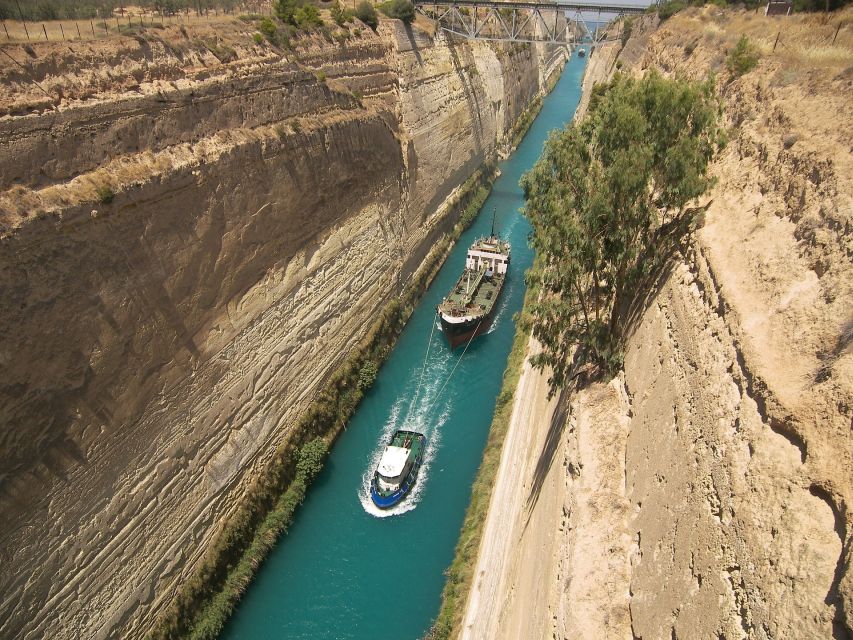
- Corinth Canal stop: See the narrow engineering channel linking the Ionian and Aegean seas.
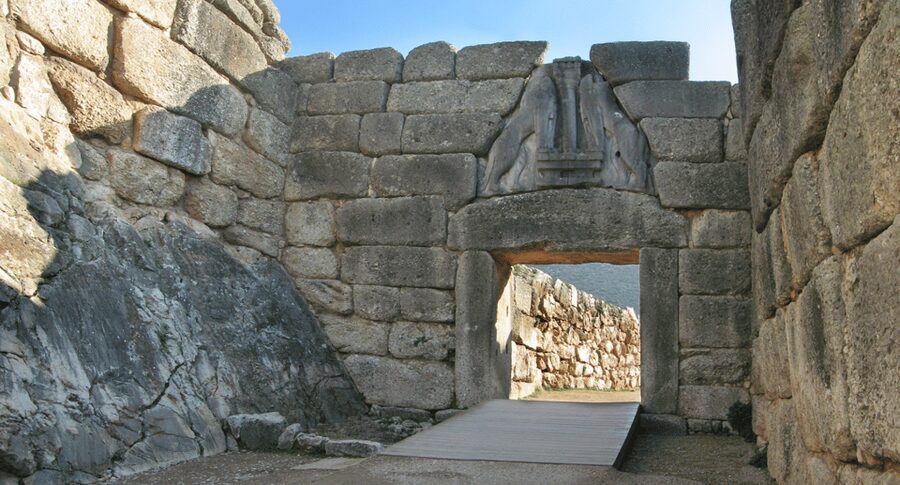
- Mycenae’s Lion’s Gate: Enter the citadel through the famous relief of two lions, with Cyclopean walls nearby.
- Treasury of Atreus: Visit the monumental beehive-shaped tomb associated with Mycenaean royalty.
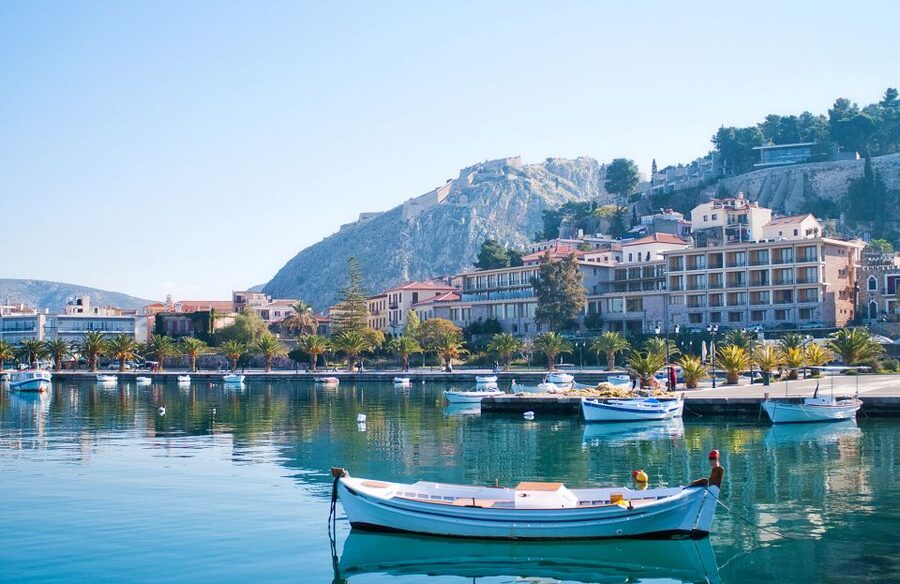
- Nafplio free time: Walk the former capital’s lanes, see Saint George Cathedral, and look toward Palamidi and Bourtzi.
- Comfortable long-distance transport: The bus or van saves you from driving and navigating unfamiliar roads.
- Optional extras: Lunch and entrance fees depend on the booking option, so check what your price includes.
Why this makes sense from Athens
Argolis is one of the best parts of the Peloponnese for a first day outside Athens. Within one outing, you see a major feat of modern engineering, one of Greece’s best-known Bronze Age sites, and a graceful seafront town shaped by Venetian and early modern Greek history.
The $41 starting price is appealing for a full day with transport and a guide. It is especially useful if you do not want to rent a car, since Mycenae and Nafplio are not simple quick stops from central Athens by public transport. The value depends on the option you choose. A package with entrance fees and lunch costs more, while a basic booking may leave those expenses to you.
You should also think of this as an introduction, not a slow archaeological study. The drive takes up a good part of the day, and the stops are designed to give you a sample of each place. That is a fair trade for seeing several important sites in one outing, but it will frustrate you if you want hours at every ruin.
More Peloponnese days from Athens:
- From Athens: Mycenae, Epidaurus & Nafplio Full Day Trip
★ 4.8 · 2,438 reviews - From Athens: Mycenae, Epidaurus & Nafplio Full-Day Tour
★ 4.5 · 1,580 reviews - From Athens: Ancient Corinth Day Trip with Canal & VR Guide
★ 4.6 · 1,073 reviews
The coastal road and Corinth Canal
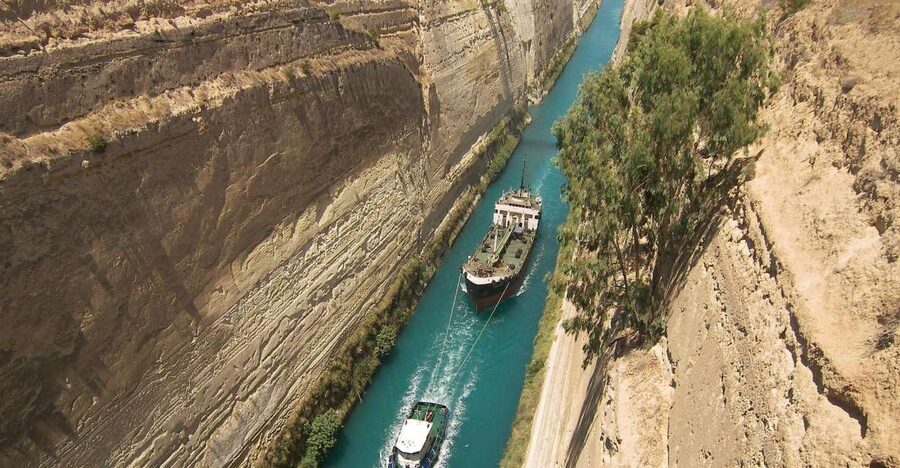
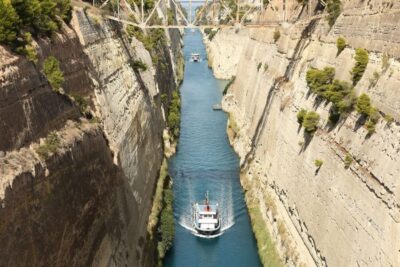
The first stop is the Corinth Canal, reached by the coastal road from Athens. The canal is a striking cut through the land, linking the Ionian Sea with the Aegean. It was completed in the nineteenth century and remains one of those places that is easier to appreciate in person than in a photograph.
The stop is short, generally enough to see the channel, take pictures, and hear the basic story of its construction. Several hours later, you may wish this pause were shorter because Mycenae and Nafplio deserve every spare minute. Still, it breaks up the drive and gives the day an early visual highlight.
One practical point: this is a viewpoint stop, not a canal cruise. Do not book expecting time on the water. The experience is about seeing the narrow channel from above and understanding why this route mattered to ships.
Entering Mycenae through the Lion’s Gate

Mycenae is the heart of the excursion. This hilltop citadel belonged to one of the earliest major civilizations of mainland Greece, and its stones are tied to stories that still shape the popular image of Greek myth.
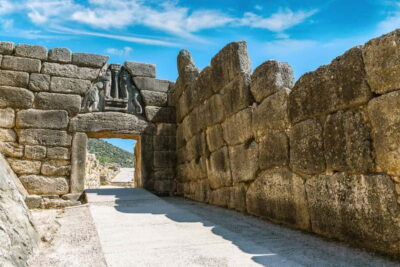
You enter through the Lion’s Gate, a massive gateway topped by a carved relief of two lions. The scale of the blocks helps explain why later Greeks believed the walls had been built by Cyclopes. That legend is part of the fun, but the engineering is impressive even without it.
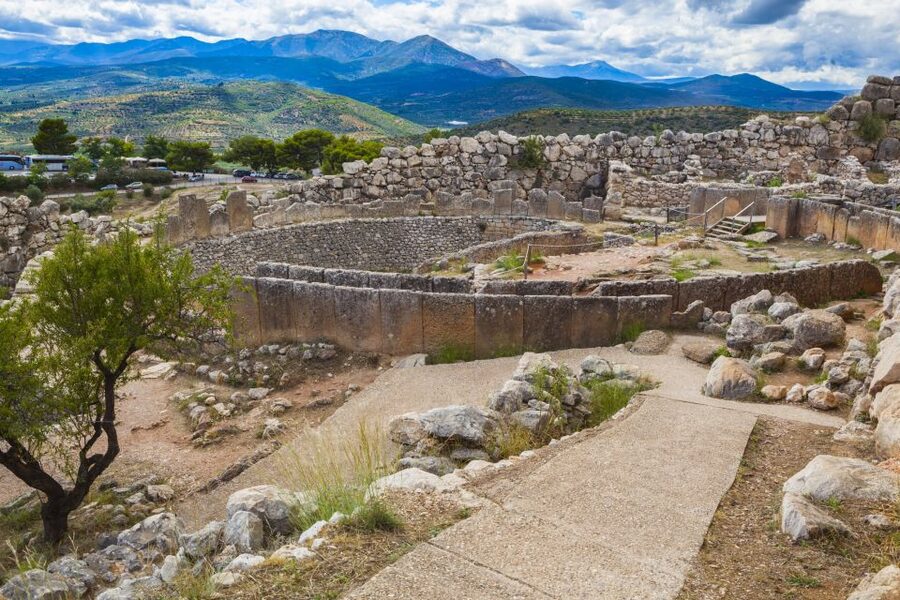
Inside, you see the remains of the citadel and its Cyclopean walls. The site is open and exposed, so sturdy shoes and protection from the sun are sensible choices. There are uneven surfaces and some walking on stone, and one guide specifically helped keep people alert to slippery areas. Pay attention to the guide’s meeting instructions, since the group needs to leave together.
The mythological setting gives the visit extra force. Mycenae is linked with Agamemnon, the king who led the Greek expedition to Troy in the story of the Trojan War. The famous golden mask associated with Agamemnon was found here, although the mask itself is not at the site. The guide’s explanation helps separate archaeology from later legend without taking away the drama.
Allow your attention to move between the ruins and the surrounding views. Mycenae is not a single grand building. It is a collection of walls, entrances, foundations, and burial structures spread over a hill. A good guide turns those fragments into a readable plan of an ancient royal center.
The Treasury of Atreus and the burial tradition
The Treasury of Atreus is usually one of the most memorable parts of the Mycenae visit. Despite its name, it was a royal tomb rather than a place for storing money. Its high stone passage leads to a round chamber with a corbelled, beehive-like roof.
The structure shows how much skill Mycenaean builders had long before the classical age of Athens. The entrance and interior are stark, cool, and powerful. It is worth slowing down here, even if the main citadel visit has felt busy.
The guide’s historical and mythological commentary matters most at Mycenae. Several guides have been praised for linking poems, legends, and archaeological evidence in a way that makes the ruins easier to understand. Efi, also written as Effie in some accounts, is especially noted for lively explanations, while Fotini and Anastasia have also been described as warm and clear.
A few more things to do in Athens worth a look
- All Day Cruise -3 Islands to Agistri,Moni, Aegina with lunch and drinks included
★ 5.0 · 4,958 reviews - From Athens: Delphi Full Day V.R. Audio Guided Tour
★ 4.6 · 3,028 reviews - Athens Full Day Private Tour
★ 5.0 · 2,903 reviews - Athens Greece Full Day private tour
★ 5.0 · 785 reviews
Lunch between the ruins and the sea
Lunch is scheduled around Mycenae before the group continues to Nafplio. You can select a booking with lunch, or choose an option that leaves the meal separate. That flexibility is useful, but the meal deserves a realistic appraisal.
The included set meal has received mixed reactions. Some people found it tasty, including a vegan selection, while others found dishes such as lamb, moussaka, and fries cold or disappointing. The restaurant is described as being away from town, so it is not the kind of stop where you can easily wander off and choose among several cafés.
If you care about food, check the lunch option carefully. Ordering from the à la carte menu on the day has been a better choice for some visitors, and vegetarian or vegan food may be available without advance planning. Still, do not assume that every departure will offer identical choices. Ask the guide what is available before ordering.
The practical benefit of eating with the group is time. A set meal can get everyone back on the road quickly. The cost is less control over quality and pace. If lunch is not included, you may prefer to use that money for a meal in Nafplio, where you have a more attractive setting and a wider choice of places.
Nafplio, Greece’s elegant former capital
Nafplio is the part of the day that many people wish could last longer. Its lanes, neoclassical buildings, churches, and waterfront give it a different mood from the stark ruins of Mycenae.
The walking tour introduces the old town, including Saint George Cathedral. The cathedral is a useful stop because it brings the city’s religious and civic past into view, rather than making the visit only about pretty streets. Guides have also pointed out local details and helped visitors find particular features inside the church.
Look up as you walk. Nafplio’s charm comes from small details: balconies, painted façades, narrow lanes, and changes in the street grid. The tour gives you bearings, then free time lets you choose your own pace.
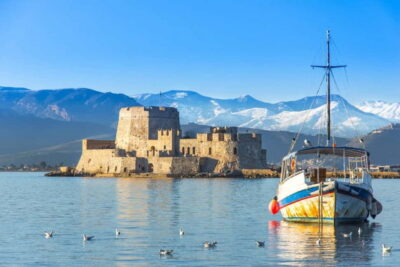
From town, you can admire Palamidi, the great Venetian fortress above Nafplio, and Bourtzi, the small fortified stronghold in the harbor. The tour does not promise a full visit inside either fortification. They are part of the city’s visual character during this excursion, while your organized visit focuses on the old town and its main sights.
Use your free time for a walk by the water, a coffee, or a closer look at the old streets. One particularly good suggestion is to have a frappe near the sea. Do not spend every minute shopping if you want to enjoy the city itself. Nafplio is the place where a little unplanned wandering pays off.
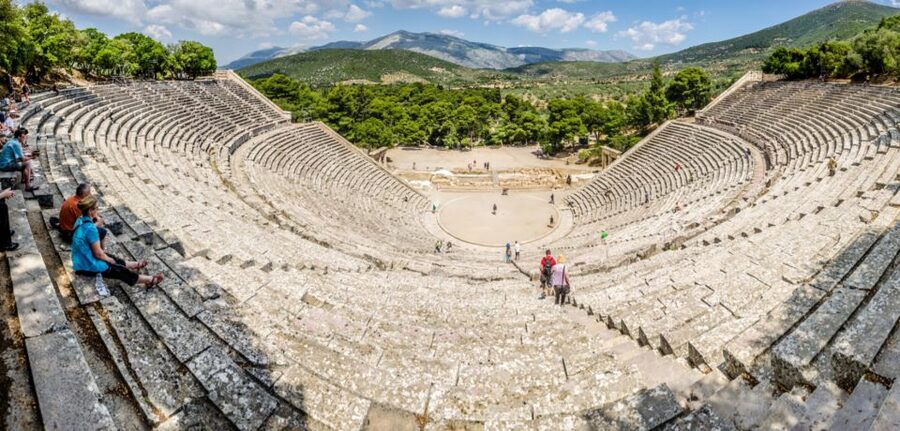
The main weakness is the short stay. If you want to climb Palamidi, visit Bourtzi by boat, and explore every lane, this schedule will feel too tight. Several past itineraries have also included Epidaurus, but the route described here centers on Corinth, Mycenae, and Nafplio. Check your selected departure carefully if Epidaurus is important to you.
The pottery workshop question
A pottery workshop stop has appeared on some departures, although it is not always prominent in the advertised route. You may see a demonstration of how pottery is made using techniques associated with ancient Mycenaean work, followed by a chance to look at the finished pieces.
This can be a worthwhile addition if you enjoy crafts and want something more hands-on after several archaeological stops. It connects museum-style history with a living skill, and the explanation of old techniques can make Mycenae feel less remote.
The timing is the issue. By late afternoon, you have already spent hours on the road and walked through exposed ruins. Some people find the workshop interesting; others would rather have those minutes in Nafplio or begin the return to Athens. If your priority is historical sites and town time, ask the guide whether this stop is included and how long it will last.
Transport, guides, and the pace of the day
The tour uses a bus or van and includes round-trip transfer to your hotel, according to the selected arrangement. The vehicle has been described as comfortable, which matters because the journey is long and the route covers several parts of the Peloponnese.
Pickup organization can be the shakiest part. One departure left 20 to 25 minutes late, and another had confusion when passengers had to change buses. Arrive early, confirm the vehicle and guide, and do not assume every bus gathering at the meeting point is yours.
Once underway, the guide makes a major difference. English, Italian, and French are offered, and bilingual commentary may mean the day takes a little longer at certain stops. That arrangement also means the guide must divide attention between languages. Past guides named Efi, Fotini, Anastasia, and Matthew have been praised for clear explanations, good timing, and friendly help.
The strongest part of the guiding is the connection between mythology and physical remains. Instead of hearing only dates, you get the story of Troy, the family of Atreus, burial customs, Venetian defenses, and Greece’s early capital. That turns a long ride into useful context.
What the $41 price really buys
At $41 per person, the basic price is good value if you want transportation, guiding, and several major stops in one day. You are paying for convenience as much as for admission. A rental car would give you more freedom, but it would also require route planning, parking, and confidence on unfamiliar roads.
Check the booking choice for two items: entrance fees and lunch. Both may be included only if you select the relevant option. If you skip lunch, budget for food on the way. If you skip entrance fees, confirm the amount required at the sites.
The tour is also covered by free cancellation up to 24 hours before departure, and you can reserve now and pay later. Those terms are useful when weather or sightseeing plans are still unsettled.
Who should book this day trip
I would recommend it to first-time visitors based in Athens who want to see beyond the capital without hiring a car. It suits people who enjoy archaeology, Greek mythology, old towns, and guided explanation more than people seeking a relaxed day at the beach.
Families can benefit from the variety, though the long ride and hot, uneven ruins may test younger children. It also works well for solo visitors who want simple transport and company without planning each connection.
You should think twice if you need a slow pace, have limited walking tolerance, or want extensive time at one site. Mycenae is the most important visit, and Nafplio is the most pleasant place to linger, yet both compete with the drive and other scheduled stops.
Should you book the Argolis tour?
Book it if you want a broad, affordable introduction to the Peloponnese and are happy to trade depth for convenience. The Corinth Canal, Mycenae, and Nafplio make a satisfying combination, while a strong guide can add the meaning that scattered ruins often lack.
Skip it if your main goal is a leisurely Nafplio visit, a detailed museum day, or a carefully chosen meal. In that case, a private outing or overnight stay would give you more control. For most Athens visitors with only one free day, though, this is a sensible way to reach Mycenae and see why Argolis remains one of Greece’s most rewarding historical regions.
FAQ
How long is the Argolis tour?
The tour lasts 10 hours, including transport from Athens, the planned stops, and the return journey.
Where does the tour take place?
It takes place in the Argolis region of the Peloponnese, with departure from Athens.
Which main places are visited?
The described route includes the Corinth Canal, Mycenae, and Nafplio.
Is transportation included?
Yes. Transportation by bus or van is included, with round-trip transfer to your hotel according to the tour arrangement.
Is lunch included?
Lunch is included only if you select the lunch option when booking.
Are entrance fees included?
Entrance fees are included only with the option that specifically includes them.
Which languages are available for the guide?
Live guiding is available in English, Italian, and French.
Can I cancel the booking?
You can cancel up to 24 hours in advance for a full refund.
Can I reserve now and pay later?
Yes. The booking terms allow you to reserve your place and pay later.
Is Nafplio visited with a guide?
The day includes a short walking tour of Nafplio, followed by free time to explore the city independently.
Just added in Athens
- Athens: Half-Day Morning Catamaran Cruise with Meal & Drinks★ 4.9 · 221 reviews
- Athens hotels to Athens airport Private departure transfer★ 5.0 · 285 reviews
- Athens: Delphi, Corycian Cave, and 300 Battlefield Day Trip★ 4.8 · 344 reviews
- 3-Day Classical Greece Tour: Epidaurus, Mycenae, Nafplion, Olympia, Delphi★ 4.5 · 342 reviews
- Best of Athens Half Day Private Tour★ 5.0 · 353 reviews
- Electric Bike Tour of Athens by Night★ 5.0 · 355 reviews
- Athens: Riviera Catamaran Cruise with Meal and Drinks★ 5.0 · 345 reviews
- From Athens: Delphi and Meteora 2-Day Tour with Hotel★ 4.4 · 392 reviews
Ancient Corinth, Mycenae & Nafplio Tours, compared.
Ancient Corinth Day Trip with Canal & VR Guide
Read our review →
Private Biblical Tour Ancient Corinth & Isthmus Canal from Athens
Read our review →
4-Day Classical Greece Tour: Epidaurus, Mycenae, Olympia, Delphi, Meteora
Read our review →
Ancient Corinth & Nafplio Full Day Trip with Swim
Read our review →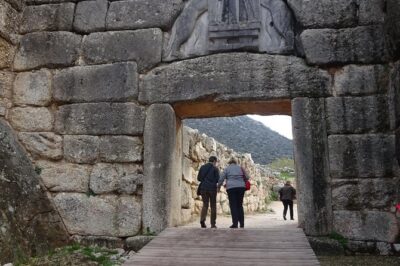
Mycenae and Nafplion Day Trip from Athens with Official guide
Read our review →Browse the lists this tour appears in