
Reviewed · COOKING CLASSES
Chania: Authentic Cooking Class in the White Mountains
At the foot of Crete’s White Mountains, you cook dinner in a family home rather than a purpose-built school. The day combines a garden visit, local stories, cheese and wine tasting, a short mountain walk, animal feeding, and a shared meal under the Cretan sky. The setting is the star.
I like the warm family welcome and the way the food connects to the land. I also like that guides such as Alex, Costa, and Yannis add history and local context, so you learn about olive oil, village life, and Cretan customs along with the recipes. The main drawback is the length: this six-hour outing can run late, and one account reported not returning until after 11 p.m.
Key points to know
- A family home near the White Mountains: You cook and eat in a real home and farm setting, surrounded by mountain views.
- More than a cooking lesson: Expect garden time, local history, a shepherd’s enclosure, animal feeding, wine and cheese tasting, and dinner.
- Fresh Cretan ingredients: Vegetables and herbs come from the garden, with extra virgin olive oil, local meat, cheese, and seasonal produce central to the meal.
- Strong guiding team: Guides including Alex, Costa, and Yannis are praised for clear explanations, humor, and smooth transport.
- A social evening: You prepare food with a small group, then sit down together for a family-style meal and regional wine.
- Plan for a late return: Pickup is included from specific locations in the Chania region, but the full outing can take longer than six hours in practice.
Cooking in a Cretan family home
The best part of this Chania cooking class is that it does not feel like a staged restaurant demonstration. You are taken to a family property near the White Mountains, where the hosts open their home, garden, and farm setting to the group.
That setting changes the tone. Instead of moving from one polished activity to another, you see where the food begins. You can walk among vegetables and herbs, hear about the family’s connection to the land, and watch the hosts prepare dishes in a setting that feels personal.
The home also carries family history. Old photographs, restored rooms, and stories about local customs help place the meal in a wider Cretan setting. Your guide translates and explains where needed, especially during the cooking lesson with Maria, who is repeatedly praised for her warmth and practical teaching.
The experience is conducted in English. Guides named in the tour information and guest accounts include Alex, Costa, Yannis, Yiannis, Giannis, and Kosko. The exact guide depends on the date, but the role is more than driving. The guide keeps the day moving, translates instructions, explains the island’s past, and answers questions along the way.
More Cooking Classes in Crete
- The Real Cretan Cooking Experience
★ 5.0 · 528 reviews - Chania Cooking Class-The Authentic Enjoy traditional Cretan meal
★ 5.0 · 339 reviews - Cretan Cooking Class and Olive Oil Tasting
★ 5.0 · 178 reviews
The ride from Chania to the mountains
Pickup and drop-off are included, with transport in an air-conditioned minivan. Pickup is available from specific locations within the Chania region, so check the meeting point before booking. You may need to reach the pickup spot yourself if your accommodation is outside the service area.
The drive is part of the introduction to the area. Guides use the journey to explain Chania, Cretan food, local customs, and the surrounding mountains. This is useful because the setting can otherwise seem like a scenic backdrop. The guide helps you understand why olive trees, herbs, sheep, and family farms matter so much to daily life here.
Transport is one of the more dependable parts of the outing. It removes the need to rent a car or find a remote property on your own. Air conditioning matters in the warmer months, though you should still bring water, sunglasses, and a light jacket.
One useful warning comes from the timing. The excursion is advertised as six hours, but the full return can be late depending on the departure time and the pace of the meal. If you have an early dinner reservation, show, or ferry connection, leave plenty of room.
A garden lesson before the cooking begins
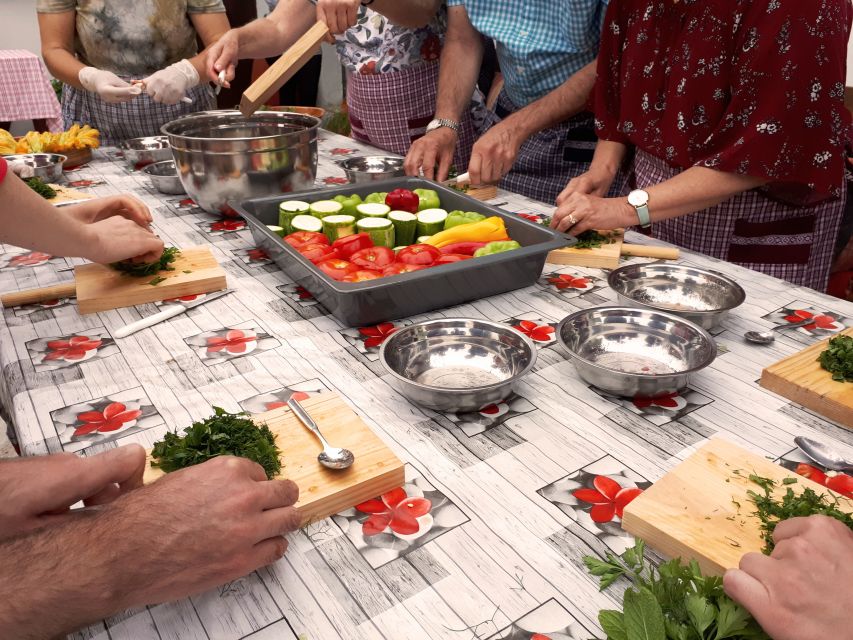
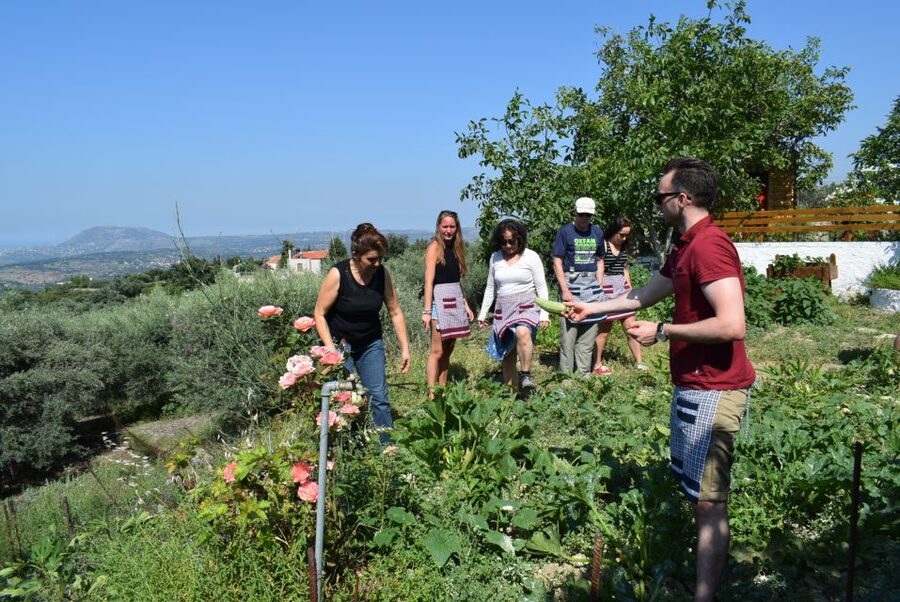
The cooking starts with the ingredients, not the stove. A stroll through the vegetable garden introduces you to the herbs, vegetables, and other produce used in Cretan cooking.
This is a small detail, but it gives the class purpose. You see the raw ingredients before they are chopped, seasoned, and served. Fresh vegetables and herbs from the property help explain why Cretan dishes can taste full even when the recipes are simple.
The class also highlights the main ideas behind the Mediterranean diet: extra virgin olive oil, vegetables, herbs, local cheese, and moderate portions of meat. You will hear how these ingredients fit into Cretan food traditions rather than simply being told that the food is healthy.
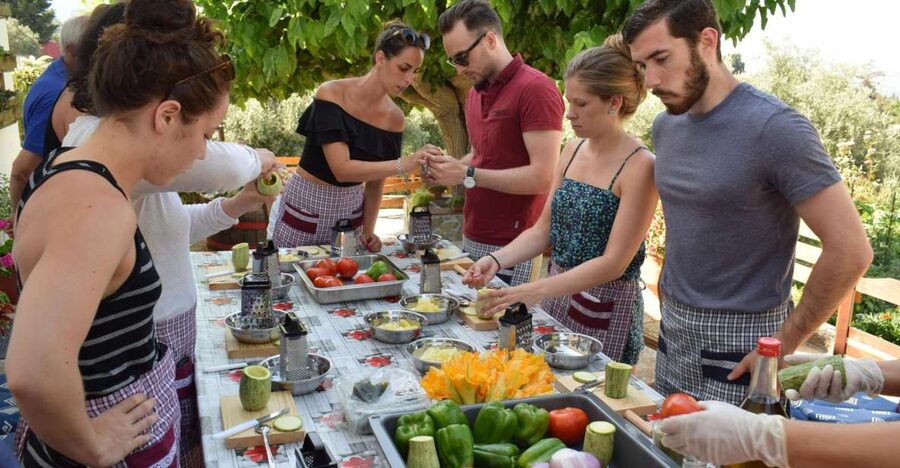
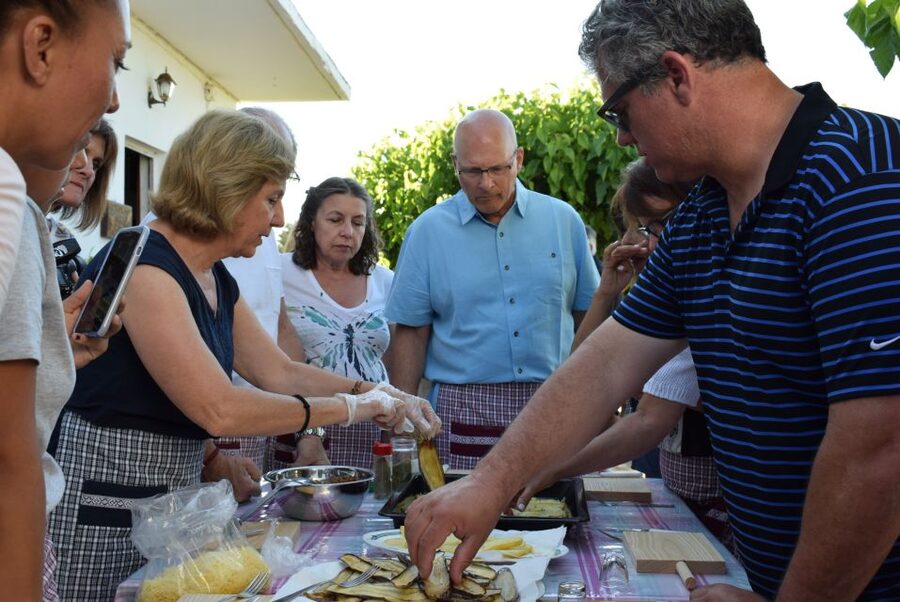
Do not expect a formal chef’s school with individual workstations and a long technical syllabus. This is a hands-on, social lesson built around preparing a meal together. You might chop, mix, season, assemble, and help with several dishes, but the exact jobs can vary with the group.
That informal format suits people who want to learn by doing. It may be less satisfying if you want a highly structured class focused on advanced knife skills or detailed culinary technique.
Walking, olive oil, and the story of the land
The outing includes a scenic mountain walk to a shepherd’s enclosure. The walk gives the afternoon some fresh air and offers a closer look at the rural setting around the home.
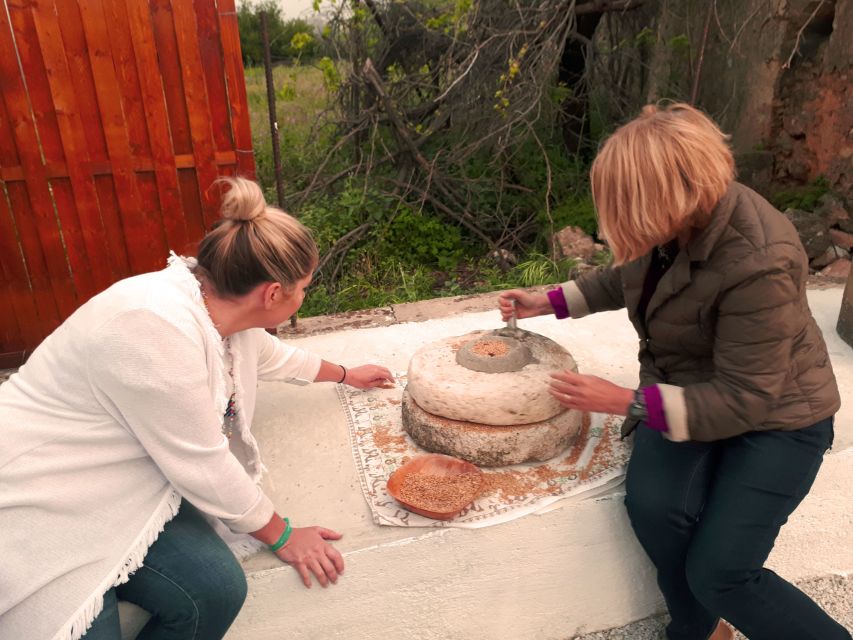
A story about olive harvesting is part of this section. Olive oil is not treated as a generic cooking ingredient. You learn about its role in Cretan households and food traditions, and you see how closely the island’s cooking is tied to its farms and trees.
The walk is not described as a major hike, but comfortable shoes are still important. The ground around a rural property and mountain setting may be uneven. Bring a jacket as well, particularly for an evening departure or cooler season.
Animal encounters are another memorable part of the visit. You may feed sheep or goats, and one part of the property includes farm animals and fruit trees. This is a simple activity, but it helps connect the meal with the working countryside rather than presenting food as something that appears only in a kitchen.
Other classes where you cook in Crete:
- Athens: Classic Cooking Class with Market Visit and Wine
★ 5.0 · 1,101 reviews - Athens: Food Market Visit and Cooking Class with Wine
★ 4.9 · 1,087 reviews - Greek Cuisine Cooking Class in Santorini with Recipes and Wine
★ 5.0 · 969 reviews - Naxos: Half-Day Cooking Class at Basiliko Family Tavern
★ 5.0 · 887 reviews
Cheese, wine, raki, and the first bites
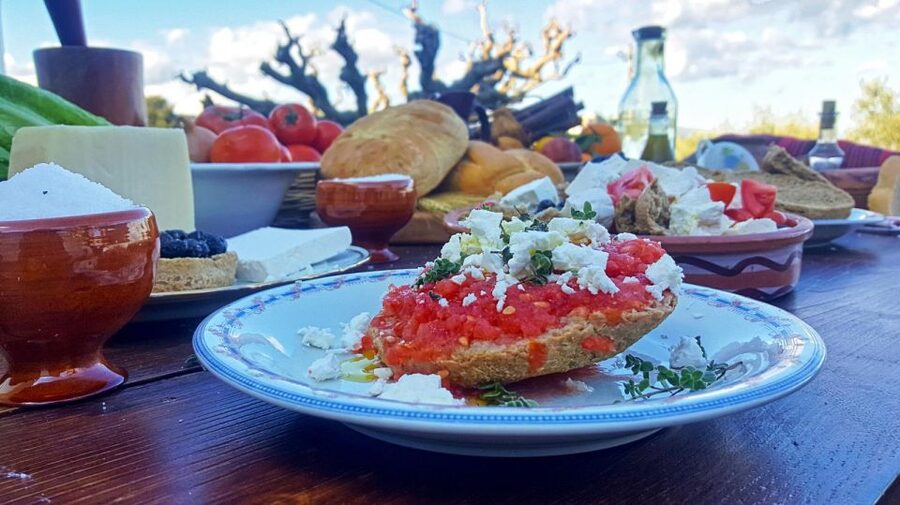
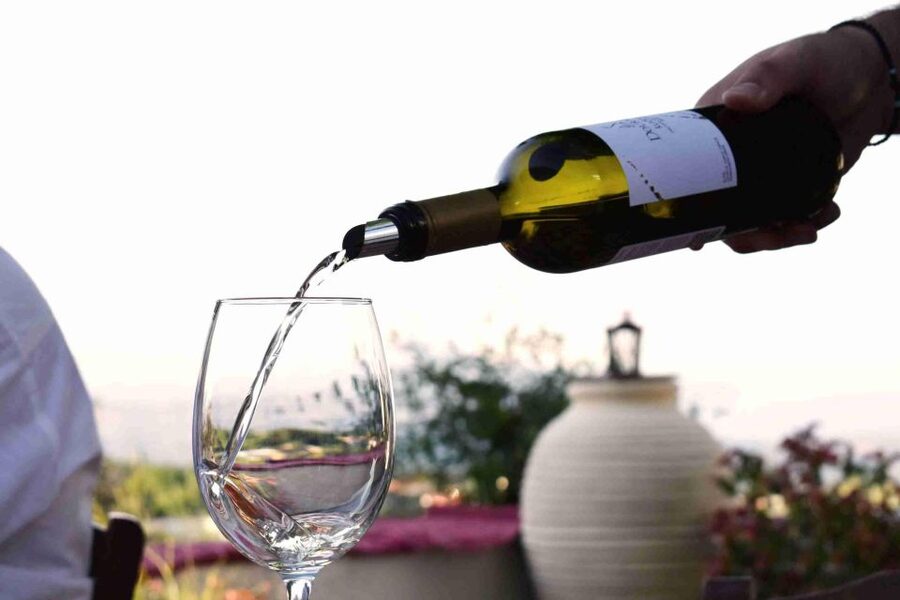
Back at the house, the group tastes Cretan cheese and local wine before preparing the meal. Some accounts also describe a welcome raki, the traditional Cretan spirit. Wine and food tasting are included in the price.
This is a good pause in the schedule. You are not rushed from the walk straight into a recipe. Instead, you have time to sit, look at the views, meet the hosts, and get comfortable with the other people in the group.
The tasting also gives you a useful introduction to local flavors. Cheese, olives, herbs, and wine show how much of Cretan cooking depends on a few strong ingredients used well. If you enjoy food with a clear sense of place, this part may be as rewarding as the cooking itself.
Drinks are part of the social atmosphere, so this is not the best outing for someone seeking a completely alcohol-free activity. The supplied information does not set out a nonalcoholic tasting menu, so ask the provider in advance if that matters to you.
Making ntakos, tzatziki, and a shared dinner
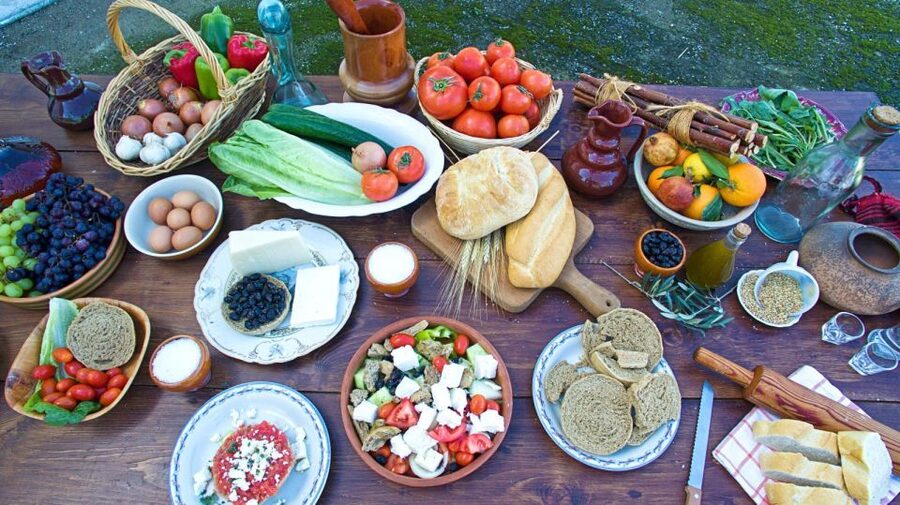
The recipes include familiar Greek favorites such as ntakos and tzatziki, along with other traditional Cretan dishes. Ntakos is a useful introduction to the island’s style of cooking: a simple base, fresh toppings, herbs, cheese, and olive oil working together.
The lesson is led with local guidance rather than a lecture. Maria demonstrates the dishes, and the guide helps translate and explain. The focus is on methods you can repeat at home. One useful takeaway is how generously Cretan cooking uses olive oil, something several participants found surprising.
The meal also includes meat, vegetables, cheese, herbs, and other ingredients associated with the local diet. The exact menu may change, so do not book expecting a fixed restaurant menu. You are booking the process of preparing and sharing a traditional meal.
Once the food is ready, everyone sits together for dinner with regional wine. This shared table is important. You are not handed a plate and sent back to the minivan. You eat what the group has prepared, alongside people from different countries, in the home where the cooking took place.
Dessert comes in the form of traditional jar sweets. These preserves are a fitting end to a meal built around seasonal produce and old household methods. The experience may also include commemorative gifts, with recipes and photographs sent to you by email afterward.
Why the guide matters so much
The guide can make or break a food tour, and here the role is unusually broad. Alex is frequently named for his humor, warmth, clear explanations, and ability to keep the group together. Costa and Yannis are also praised for their local stories and easy manner.
You are not simply being driven to a cooking lesson. The guide explains Cretan history, geography, food customs, olive oil, and family connections to the land. At the house, the guide may translate between you and the hosts, which helps the visit feel natural even when the hosts do not speak English.
The names vary, and no particular guide can be guaranteed. Still, the format gives the guide plenty of room to add value. If you enjoy asking questions, ask about the family property, the olive harvest, village life, and the meaning of the dishes. You will get more from the trip than someone who treats it as only a meal.
Group size and the social side
This is designed as a small-group cooking class, though one account described a group of about 15 people. That is small enough to feel personal in a home setting, but it is not necessarily a private class.
The group format is part of the appeal. Cooking gives you an easy way to meet people, and the final dinner creates a natural conversation. Solo visitors are included rather than left to find their own place in the group. Several solo participants found the atmosphere welcoming, and couples, families, and friends can all take part.
The trade-off is that the kitchen may feel busy if the group is at the larger end of the range. You will not control every step of the meal, and some tasks may be shared. For many people, that is exactly what makes it feel like a village gathering rather than a private lesson.
Is the $129 price fair?
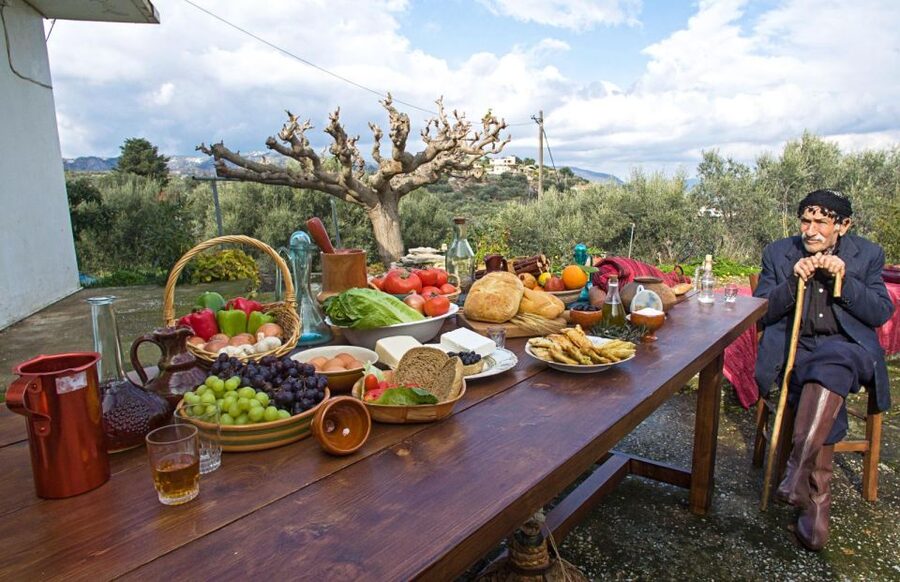
At $129 per person, this is not a cheap cooking class, but the price covers more than instruction. You receive pickup and drop-off, an air-conditioned minivan, a local driver-guide, the class, ingredients, an apron, cooking utensils, wine and food tasting, dinner, gifts, recipes, photographs, local taxes, and liability insurance.
The value comes from combining several activities that would otherwise require separate bookings: a countryside visit, food tasting, cultural explanation, farm stop, cooking lesson, and evening meal. You also avoid the cost and hassle of driving to a rural property.
I think the price makes sense if you want a full afternoon and evening with transport included. It is less compelling if your main goal is to master a large number of recipes or spend only an hour or two cooking. The class is about connection, food, and place as much as technique.
The meal itself is a major part of the value. You are not paying for a demonstration followed by a small sample. You help prepare a complete dinner and eat it with the group, usually alongside wine and local specialties.
What to bring and what to expect
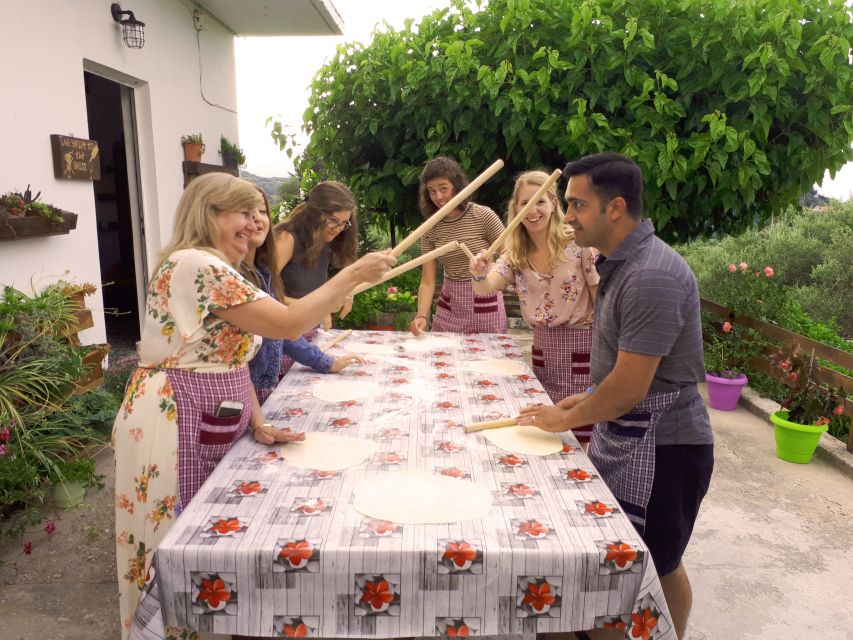
Wear comfortable shoes for the garden, property, and mountain walk. Sunglasses are useful in the bright outdoor setting, and a jacket is sensible for the return journey or a cooler evening.
Bring a water bottle. One person found there was not much opportunity to get water during the first couple of hours. That is an easy problem to avoid, especially during warm weather.
You should also arrive ready for a relaxed pace. The schedule includes several parts, and the meal may stretch the evening. The class can feel longer than a standard half-day tour, especially when conversation, tasting, and dinner are included.
Dietary needs are not detailed in the supplied information. If you have allergies, vegetarian requirements, or other restrictions, contact GS Tours before booking rather than assuming the standard menu can be changed.
Cancellation is flexible: you can cancel up to 24 hours ahead for a full refund. You can also reserve now and pay later, which helps if your Chania schedule is still changing.
Who should book this Chania cooking class?
I would choose this outing if you want to meet local people, eat in a family setting, and understand where Cretan food comes from. It is especially well suited to solo visitors, couples, food lovers, and anyone who prefers a personal cultural activity over a standard sightseeing bus tour.
Families may enjoy the animals, garden, and hands-on work, though the late finish may not suit young children. It is also a good choice if you want transport from Chania and would rather not drive mountain roads after wine tasting.
I would skip it if you need a short, tightly timed activity, dislike group meals, or want a formal cooking school with advanced instruction. The social setting is central to the day, and the schedule can run late.
Should you book it?
Yes, if you want one of the more personal ways to experience the Chania area. The strongest features are the family home, the mountain setting, the fresh garden ingredients, and the guides who connect cooking with Cretan life.
Book with three points in mind: confirm your pickup location, bring water, and keep your evening free. For $129, you get a long, food-filled outing with transport, instruction, tastings, dinner, and a real sense of hospitality. That is a solid value for a visitor who wants more than a recipe and a restaurant table.
FAQ
How long does the cooking class last?
The activity lasts six hours, though the full day can run later depending on the schedule and length of the shared dinner.
What is included in the price?
The price includes pickup and drop-off, an English-speaking local driver-guide, air-conditioned minivan transport, the cooking class, dinner ingredients, an apron, cooking utensils, wine and food tasting, commemorative gifts, recipes and photographs sent by email, liability insurance, and local taxes.
Where does pickup take place?
Pickup is included from specific locations within the Chania region. Check the available pickup points before booking, as you may need to reach one of them yourself.
Is the activity conducted in English?
Yes. The listed activity language is English, and the guides translate and explain the cooking instructions and local stories.
What food will I prepare?
The class includes traditional Cretan recipes and appetizers such as ntakos and tzatziki. The meal also features local ingredients such as vegetables, herbs, cheese, extra virgin olive oil, and meat. The exact menu may vary.
Do I need to bring anything?
Bring comfortable shoes, sunglasses, a jacket, and a water bottle. The shoes are useful for the garden and mountain walk, while the jacket can help during a cooler evening.
Can I cancel or pay later?
You can cancel up to 24 hours in advance for a full refund. The activity also offers reserve now and pay later booking.
More Workshops in Crete
- Heraklion: Beginner Scuba Diving Lesson with PADI Instructor
★ 4.9 · 355 reviews - Greek Cooking Class in Athens Including Rooftop Dinner with Acropolis View
★ 5.0 · 826 reviews - Greek Small-Group Athens Cooking Class & Dinner
★ 5.0 · 574 reviews - Naxos:Half-day cooking class at Basiliko
★ 5.0 · 457 reviews
Just added in Crete
- Balos & Gramvousa Luxury Catamaran Sailing Cruise from Kissamos★ 5.0 · 116 reviews
- Cretan Cooking Class and Olive Oil Tasting★ 5.0 · 178 reviews
- Dia Island Catamaran – Premium Lunch, Open Bar, Small Group★ 5.0 · 126 reviews
- Panormo: Luxury Catamaran Cruise with Lunch & Open Bar★ 5.0 · 80 reviews
- Rethymno Catamaran Cruise: Healthy Lunch & Open Bar★ 4.5 · 79 reviews
- The Terra Creta Olive Oil Experience Tour★ 4.7 · 344 reviews
- Heraklion: Beginner Scuba Diving Lesson with PADI Instructor★ 4.9 · 355 reviews
- Chania Cooking Class-The Authentic Enjoy traditional Cretan meal★ 5.0 · 339 reviews
Cooking Classes, compared.
Classic Cooking Class with Market Visit and Wine
Read our review →
Food Market Visit and Cooking Class with Wine
Read our review →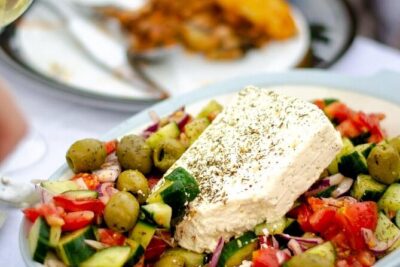
Greek Cuisine Cooking Class in Santorini with Recipes and Wine
Read our review →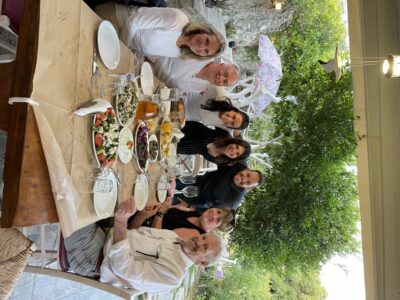
Half-Day Cooking Class at Basiliko Family Tavern
Read our review →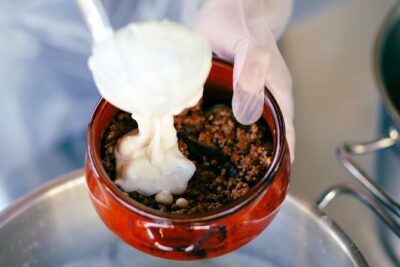
Greek Cooking Class in Athens Including Rooftop Dinner with Acropolis View
Read our review →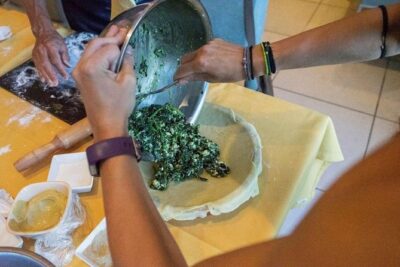
Greek Small-Group Athens Cooking Class & Dinner
Read our review →
Exclusive Cooking Experience in our Cave Home by Petra Kouzina
Read our review →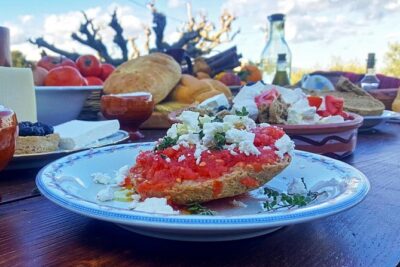
Browse the lists this tour appears in