
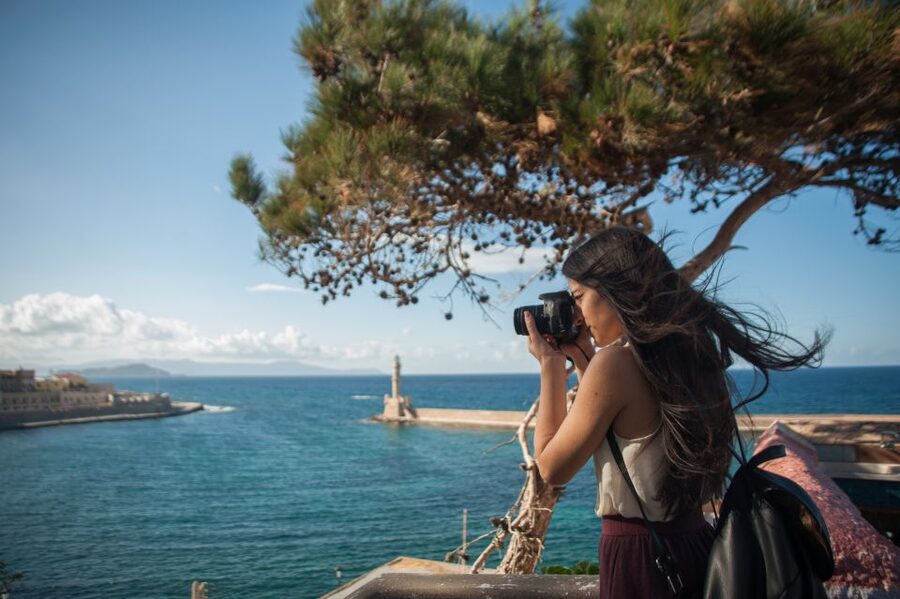
Reviewed · TOURS IN CRETE
Chania: Sightseeing & Tastings Tour
Chania’s best stories are easier to understand with a bite of cheese, a sip of raki, and a walk down a lane you might otherwise miss. This four-hour tour links the Municipal Market, Venetian harbor, Ottoman and Jewish quarters, artisan workshops, and local eating spots in one easy introduction to the city.
I like the mix of serious history and generous food tastings, and I like that the tour supports family-run shops and one of the last traditional Cretan knife workshops. The main consideration is simple: arrive hungry and wear good walking shoes. The food is plentiful, and the meeting point at Kydon Hotel has caused some confusion for a few people.
Key points at a glance
- Begin at the 1913 Municipal Market: Sample Cretan products and learn how the market marks the meeting point of old and new Chania.
- Walk beyond the postcard streets: See Venetian, Ottoman, and Jewish quarters, along with quieter lanes and overlooked corners.
- Meet local makers: Visit a traditional Cretan knife workshop and hear how handmade products are made.
- Eat your way through Crete: Expect Greek coffee, sweets, olives, honey, olive oil, regional bites, mezedes, wine, and raki.
- Get a useful introduction to Chania: Guides such as Manos, Adonis, Yannis, and Yiorgos add history, food advice, and restaurant suggestions.
- Plan around the four-hour length: It is a substantial morning or afternoon, not a quick harbor stroll.
Why this Chania food and history walk works
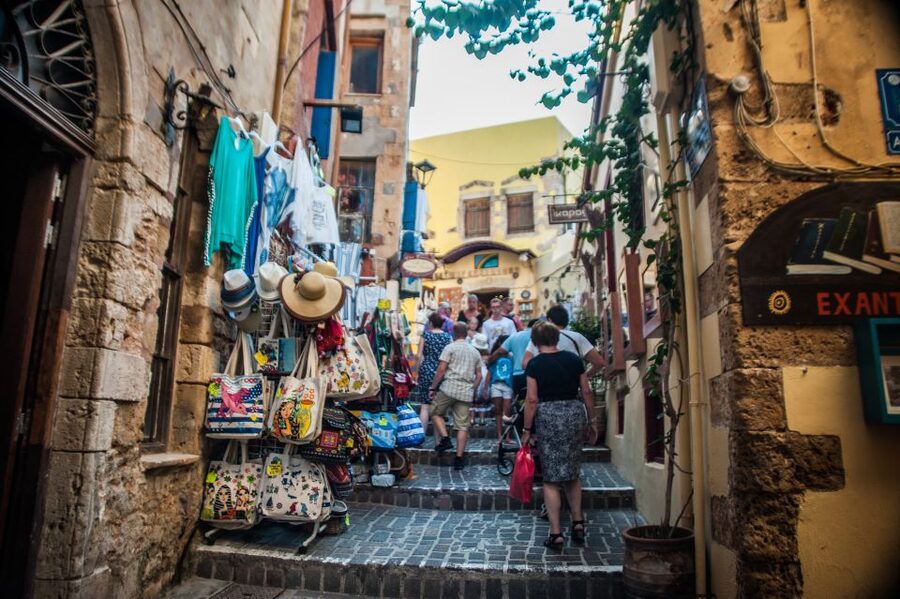
Chania is a city built in layers. Neolithic settlers came first, followed by Romans, Byzantines, Arabs, Venetians, Ottomans, and Germans. You do not need to memorize that sequence to enjoy the tour, but it helps explain why a short walk can take you past Venetian facades, Ottoman traces, Jewish streets, and modern Greek shops.
This experience uses food as the thread tying those layers together. You are not simply stopping at a restaurant for lunch. You are entering the Municipal Market, talking about local farming and cooking, meeting craftspeople, and tasting products connected to villages, farmers, and stock-breeders across Crete.
I especially like the way the eating is spread across the walk. A coffee break, small tastings, and a final table of mezedes keep the experience social rather than turning it into one long meal. Still, the portions add up. Several people found there was enough food to replace dinner, so a large breakfast is a poor strategy.
The tour costs $114 per person and lasts four hours. That is not a bargain-priced walking tour, but the value is easier to see if you would otherwise pay separately for a food tour, a private history walk, and several tastings. You are also paying for a local guide who can explain what you are eating and point you toward places to return later.
Other days out people book in Crete:
- Crete: Day Trip to Agios Nikolaos and Spinalonga Island
★ 4.6 · 4,416 reviews - Agios Nikolaos: Boat Trip to Spinalonga with Swim Stop
★ 4.4 · 3,031 reviews - Crete: Knossos Palace Entry Ticket with Optional Audio Guide
★ 3.9 · 2,251 reviews
Starting at Kydon Hotel and the Municipal Market
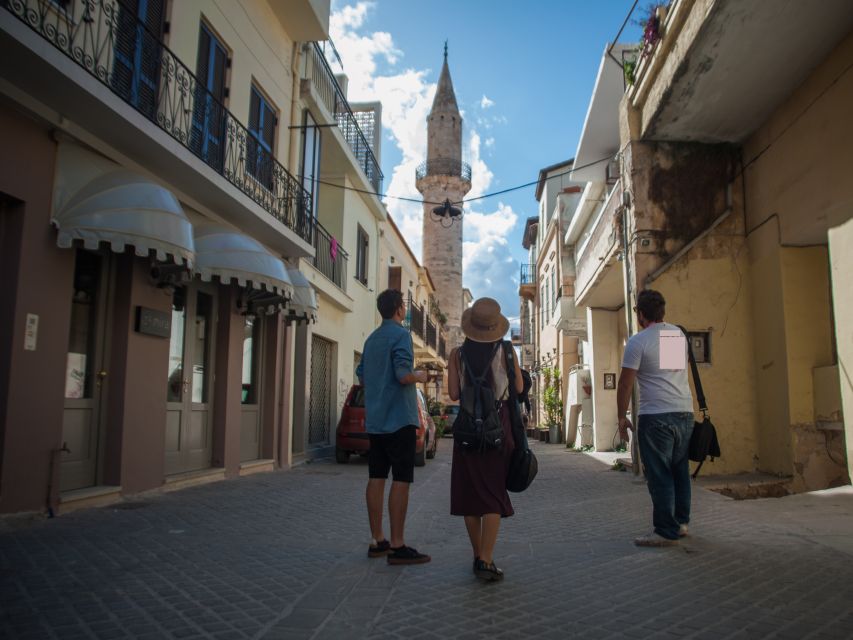
Meet your English-speaking guide in front of Kydon, The Heart City Hotel, at the entrance. Look for the Crete Local Adventures sign and make sure you are standing in front of the hotel itself. This detail matters because the starting point has been difficult for some people to locate, and arriving a few minutes early will save unnecessary searching.
From the hotel, the walk heads to the Dimotiki Agora, Chania’s Municipal Market. Opened in 1913, the year Crete united with Greece, the market marks the boundary between the old and new town. Its more than 70 family-owned businesses sell groceries and Cretan products.
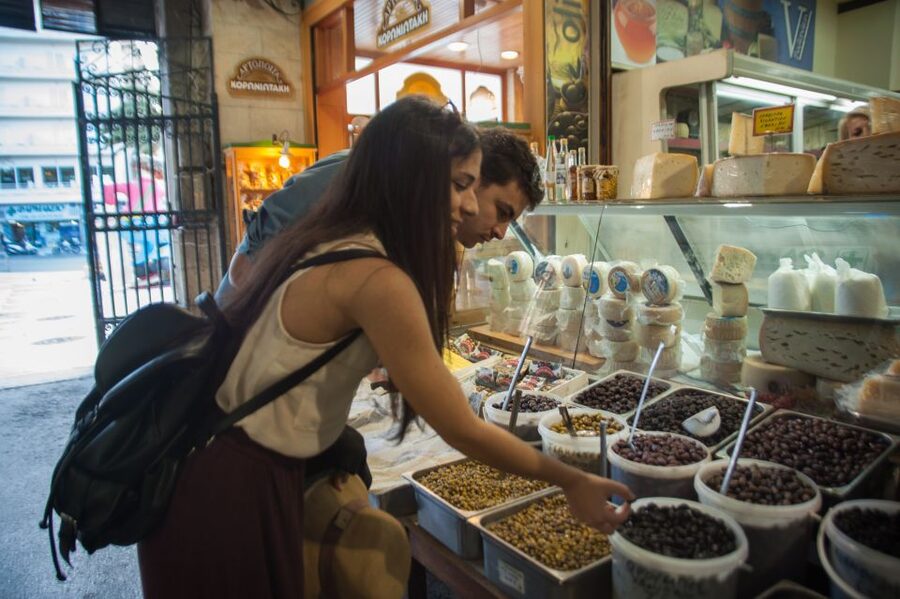
This is a useful first stop because it gives you a practical look at local food rather than a polished display made only for tourists. You might taste olives, honey, olive oil, sweets, and other regional products while learning how Cretan cooking depends on simple ingredients and local production.
The market visit is listed as about two hours, though that time includes food stops and the surrounding introduction to the city. Come ready to stand, walk, sample, and listen. If you are shopping for edible souvenirs, pay attention to the products and shops your guide recommends. You will have a better idea of what is genuinely local and what is simply packaged to look Greek.
Greek coffee, sweets, and the rhythm of the walk
A Greek coffee stop gives the tour a pause after the market. The itinerary allows about 30 minutes for coffee in the Old Town, along with local sweets and conversation.
This break is more than a caffeine stop. It gives you time to ask questions about Chania, Crete, food customs, and the rest of your trip. Guides regularly offer suggestions for restaurants, beaches, and activities, and some continue those recommendations after the tour by sending useful follow-up information.
The relaxed pace is one of the strongest features here. The walk is active, but it is not presented as a race from one sight to the next. You can take in the streets, listen to stories, and get a sense of how the old town is used by local people.
The tradeoff is that this is still a walking tour through narrow streets. Comfortable shoes are essential. Four hours of walking, standing, coffee, and food can feel long if you prefer a quick sightseeing circuit.
Venetian monuments and stories from old Chania
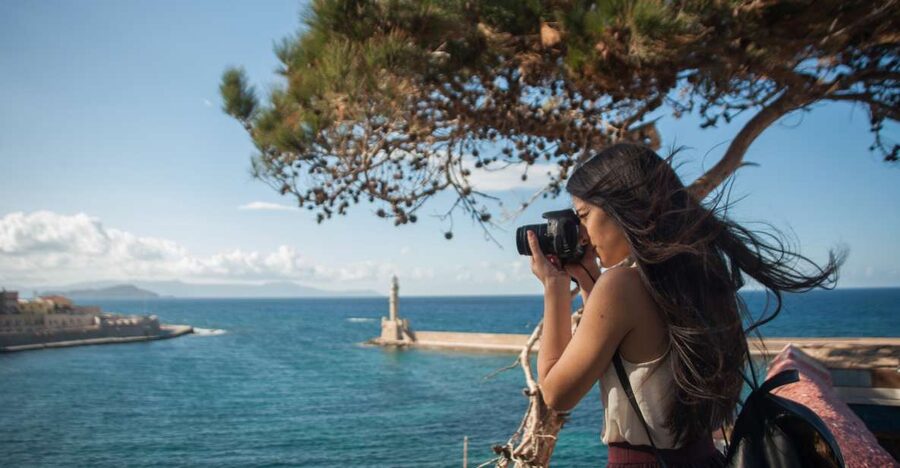
After the market, the guide leads you through the Old Town, including narrow lanes, Venetian monuments, old neighborhoods, and lesser-known corners. The stories cover kings, sailors, merchants, heroes, lovers, and artists, giving the buildings a human connection.
Chania’s position between East and West is central to the experience. The city’s architecture and customs reflect the people who controlled, traded in, or settled here over the centuries. A good guide can make those changes easier to see without turning the tour into a lecture.
The harbor promenade is also part of the route. It is one of Chania’s signature sights, but this tour does not stop there and nowhere else. By pairing the waterfront with back streets and old quarters, it gives you a broader picture of the city than a harbor-only stroll.
You may also visit a viewpoint over the harbor. The exact stops can vary, but the focus remains on connecting well-known places with streets and corners you might not find on your own. This is particularly helpful if Chania is your first stop in Greece and you want a quick sense of how to spend the rest of your time.
Same base, a completely different day:
- From Chania: Day Trip to Elafonisi Island Pink Sand Beach
★ 4.5 · 2,014 reviews - Crete: Rethimno, Chania, and Kournas Lake Day Trip
★ 4.4 · 1,694 reviews - From Rethymno: Half-Day Quad Bike Safari
★ 4.8 · 1,444 reviews - Knossos: Knossos Palace Skip-the-Line Guided Walking Tour
★ 4.8 · 1,380 reviews
A traditional knife workshop and local craftsmanship
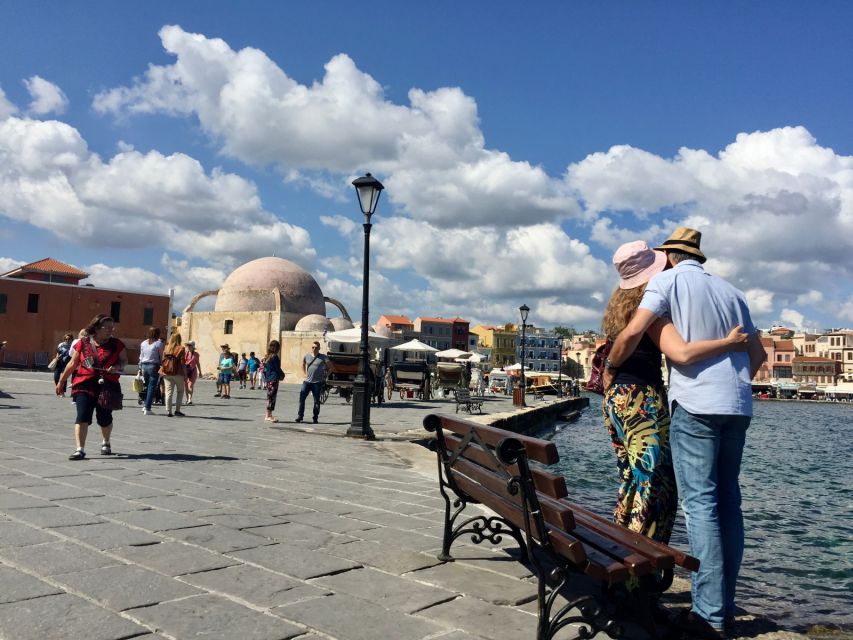
One of the more distinctive parts of the tour is a visit to one of the last remaining workshops making traditional handmade Cretan knives. You hear from the knife maker and may get the chance to test your own skills.
This stop adds something that many food walks lack. It shows that Cretan culture is not only found on a plate. Handmade tools, craft traditions, and family businesses also carry stories about the island and its people.
The visit is brief, but it can be memorable because it involves a real working craft rather than a museum display. It also supports the tour’s local focus: you meet shop owners and makers whose businesses depend on keeping Cretan products in circulation.
If shopping interests you, this is a good time to ask questions about the work, materials, and products. The tour is not designed as a shopping trip, and personal purchases are not included, but the introduction can help you decide what is worth a closer look later.
Ottoman and Jewish quarters: the city beyond the postcard
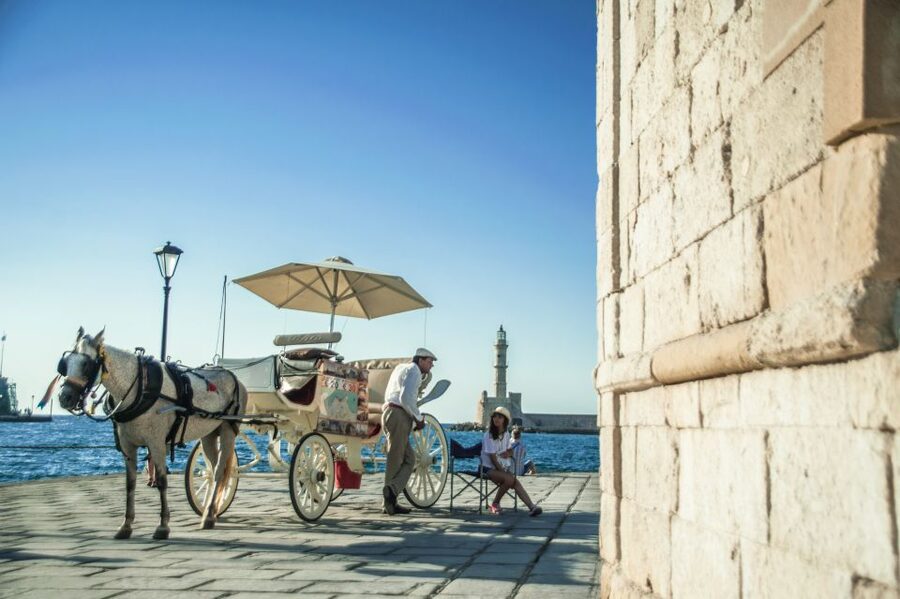
The walk continues through Chania’s old Ottoman and Jewish neighborhoods. These areas help explain the city as a meeting point of cultures, religions, and empires.
The Ottoman quarter brings a different architectural and historical layer to the walk. The Jewish quarter adds another part of Chania’s past that can be easy to miss if you stay only around the harbor and main shopping streets.
This section is valuable because it broadens the story beyond Venetian Chania. The harbor is beautiful, but it can give you a narrow picture of the city if you do not look farther inland. Here, the guide explains how multicultural life shaped local communities over time.
Expect the route to include narrow lanes, tucked-away corners, and old buildings rather than a series of grand monuments. You are looking closely at the city’s texture. That makes the tour a good match for you if you enjoy local history told through streets and everyday places.
The final Cretan table: mezedes, wine, and raki
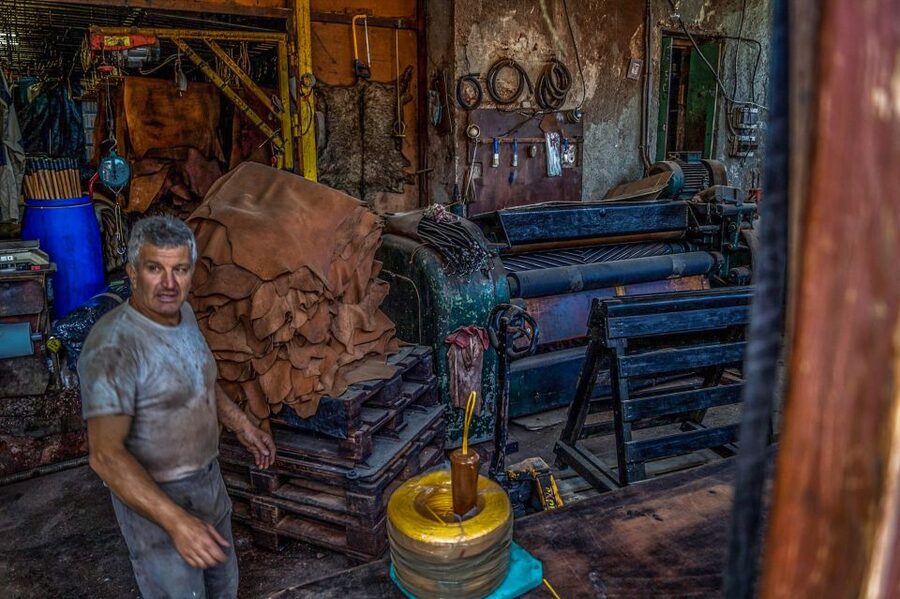
The food reaches its fullest expression at the end, when you sit down for Cretan mezedes. These local tapas-style dishes are served with wine, and raki is included for participants age 18 and older.
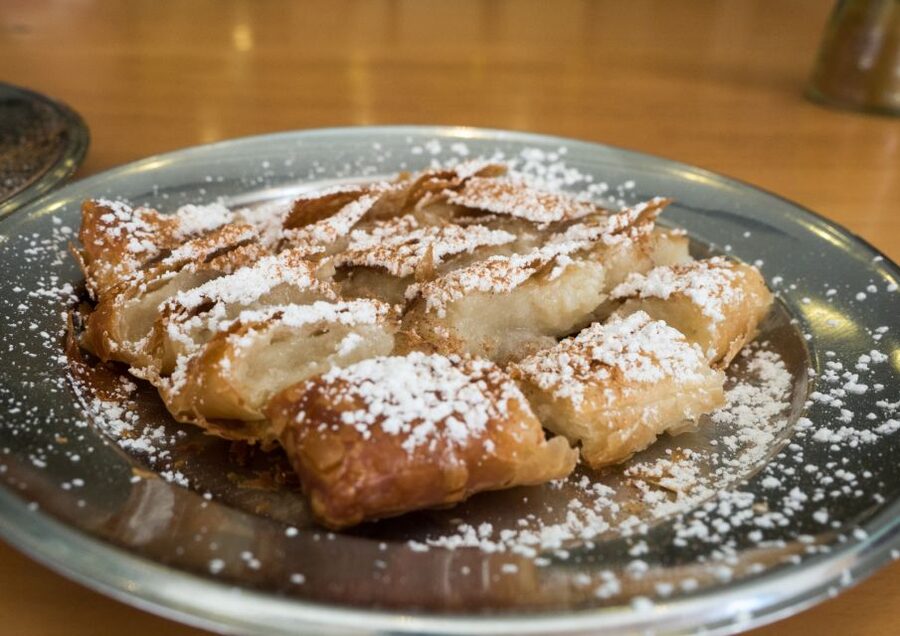
The included tastings cover Greek coffee, local sweets, olives, honey, olive oil, mezedes, and raki. The itinerary also includes wine tasting. Past food stops have included items such as bougatsa, Cretan pies, local cheeses, and other regional specialties, though the exact selection can change.
I like this ending because it turns the tour from a sequence of samples into a shared meal. You have already seen where local food is sold and heard how it connects to the island. Sitting down at a local favorite gives you time to talk with the guide and the rest of the group.
Do not treat the final mezedes as a token snack. The overall amount of food is substantial. If you eat breakfast shortly before the tour, you may struggle to enjoy the later tastings. Come with room to spare, and plan your next meal accordingly.
Alcohol is limited to participants 18 and older under Greek regulations. Younger participants receive non-alcoholic drinks. Vegetarian diets and other dietary needs can be accommodated, but you need to tell the local partner in advance.
The guides make the difference
The strongest part of the experience is the guide. Names attached to past departures include Manos, Adonis, Yannis, Ioannis, Yiorgos, George, Michael, and Manu. The most successful guides combine local pride with a light touch, explaining history without burying you in dates.
Manos is repeatedly singled out for his warm manner, clear English, and ability to explain small details about Chania and current local life. Adonis is described as cheerful, helpful, and especially good at restaurant suggestions. Yannis and Yiorgos are also praised for making the history and food easy to enjoy.
You should not expect every departure to feel identical. Group size can vary, and a scheduled group may become a very small or private experience if others do not attend. That can make the conversation more personal, but the experience depends partly on the guide assigned that day.
The guide’s local advice is a real part of the value. Ask where to eat after the tour, which beaches suit your plans, and what foods you should look for in the market. This is one of the best activities to schedule early in your stay because you can use the suggestions afterward.
Is $114 a fair price?
At $114, this is a mid-range paid experience rather than a simple walking tour. The price includes the guide, four hours of sightseeing, market tastings, Greek coffee, sweets, olives, honey, olive oil, mezedes, raki, and wine tasting.
The food alone is not the only measure of value. You are getting a structured introduction to Chania, access to family-run businesses, an artisan workshop visit, and context for the Ottoman and Jewish quarters. If you tried to assemble those pieces yourself, you might spend less, but you would lose the guide’s introductions and the easy flow between stops.
The price is less attractive if you mainly want a quick look at the harbor or prefer to choose every restaurant yourself. It also may not suit someone who dislikes group eating or long tastings.
For most first-time visitors with four hours to spare, I think the cost is reasonable, especially if you use the tour as your orientation to Chania. The 4.9 rating from 125 reviews also points to a consistently strong experience, with the guide, food, and local character receiving the most praise.
Who should book this Chania tour?

I would choose this tour if you want food and history in equal measure. It suits first-time visitors, couples, solo visitors, curious eaters, and anyone who wants practical advice for the rest of a Crete trip.
It is also a good choice for cruise passengers or people with limited time in Chania. One person had to shorten the tour because of cruise timing, yet the guide adjusted the experience so the main food and sightseeing stops could still be enjoyed. Even so, confirm that the four-hour schedule fits your departure plans.
You should think twice if you have difficulty walking or standing for extended periods, even though the activity is listed as wheelchair accessible. Ask the operator about your specific mobility needs before booking, since the route includes old-town streets and narrow lanes.
Book with dietary requests in advance. Vegetarians and other dietary needs can be accommodated, but the guide needs notice. And bring comfortable shoes, an appetite, and a willingness to try unfamiliar Cretan specialties.
Should you book it?
Yes, if you want Chania explained through its food, crafts, neighborhoods, and stories rather than only its famous waterfront. The best reasons to book are the market visit, the traditional knife workshop, the walk through Ottoman and Jewish areas, and the final meze meal.
I would skip it only if you prefer independent eating, dislike a generous amount of food, or have less than four hours available. For everyone else, schedule it near the beginning of your stay, meet the guide in front of Kydon Hotel, and arrive hungry. It can give you both a first taste of Chania and a useful plan for what to do next.
FAQ
How long does the Chania sightseeing and tastings tour last?
The tour lasts four hours, with scheduled time for the Municipal Market, Old Town, coffee, a lesser-known stop, wine tasting, and the final return to Kydon Hotel.
Where does the tour meet?
Meet your guide in front of Kydon, The Heart City Hotel, at the entrance. The guide will hold a Crete Local Adventures sign.
What food and drinks are included?
The tour includes Greek coffee, local sweets, olives, honey, olive oil, Cretan mezedes, raki, and wine tasting.
Can vegetarians join the tour?
Yes. Vegetarian diets and other dietary restrictions can be accommodated if you notify the local partner in advance.
Can children drink raki or wine on the tour?
No. Alcoholic drinks are available only to participants aged 18 or older. Participants under 18 receive non-alcoholic beverages.
Is the tour wheelchair accessible?
The activity is listed as wheelchair accessible. Since the route passes through historic neighborhoods and narrow old-town streets, contact the local partner in advance to discuss your specific needs.
Just added in Crete
- Chania: 7 Villages of Apokoronas Tour with Lunch★ 4.7 · 289 reviews
- Heraklion: Self-Driving 4X4 Jeep Off-Road Tour with Lunch★ 4.6 · 26 reviews
- Crete: Samaria Gorge Hike★ 4.4 · 201 reviews
- Samariá Gorge Hike: Day Excursion from Chania★ 4.4 · 49 reviews
- Rethymno: Old Town Walking Tour with Meal★ 4.9 · 73 reviews
- Rethymno: Old Town Segway Tour★ 4.9 · 39 reviews
- Rethymno: Pirate Boat Cruise with Swimming Stops★ 4.1 · 255 reviews
- From Rethymno: Lake Kournas and Villages Full-Day Tour★ 4.4 · 45 reviews
Tours in Crete, compared.

Day Trip to Agios Nikolaos and Spinalonga Island
Read our review →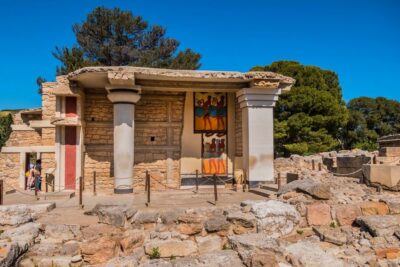
Knossos Palace Entry Ticket with Optional Audio Guide
Read our review →

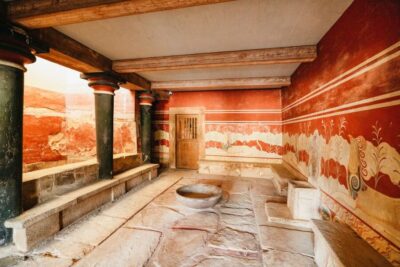
Knossos: Knossos Palace Skip-the-Line Guided Walking Tour
Read our review →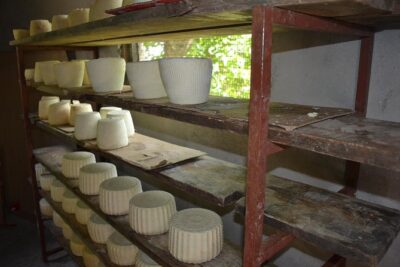
Full-Day Land Rover Safari from Heraklion with Lunch
Read our review →
Sailboat Cruise to Dia Island with Drinks & Lunch
Read our review →Browse the lists this tour appears in