
Reviewed · ANCIENT CORINTH, MYCENAE & NAFPLIO TOURS
4-Day Tour of Mycenae, Epidaurus, Olympia, Delphi & Meteora
The real strength of this four-day trip is its sweep. You move from the Bronze Age citadel of Mycenae to the Olympic stadium, Apollo’s sanctuary at Delphi, and the cliff-top monasteries of Meteora without having to plan several hotel changes yourself. It is a fast, history-packed route through mainland Greece.
I like two things in particular: the guide-led visits make difficult ruins easier to understand, and the price of $747 per person includes three hotel nights, breakfast, dinner, transport, entry fees, and a licensed guide. The main catch is the long time on the bus. A group can also be larger than expected, with one recent departure reaching about 60 people.
Key points to know before booking
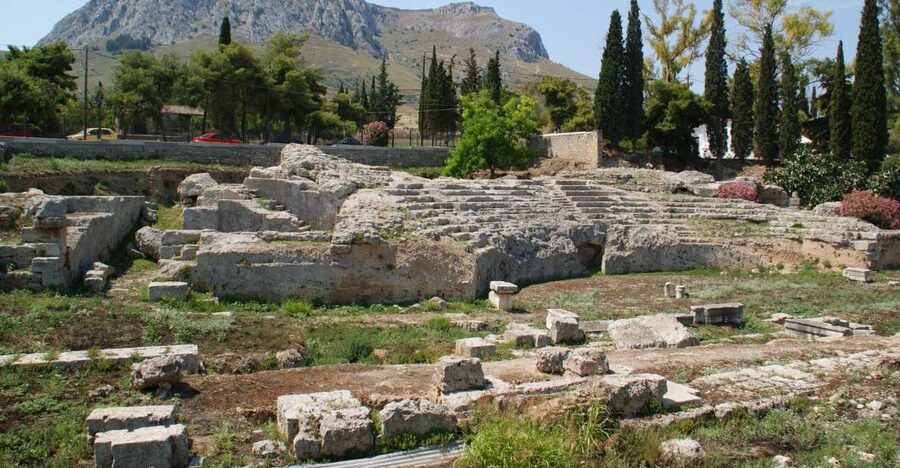
- Four major ancient sites in four days: Mycenae, Epidaurus, Olympia, and Delphi each offer a different chapter of Greek history.
- Meteora is the visual highlight: Visit two monasteries among the famous rock formations, with dress rules enforced at the sites.
- Meals and entry fees are included: Breakfast, dinner, museum admission, and archaeological site fees help explain the price.
- Expect serious driving time: Some transfers last about four hours, though the route includes mountain, coastal, and central Greek scenery.
- Guide quality matters here: Guides such as Xenia, Rose, Joy, Eustasis, and Christina have been singled out for clear storytelling and strong organization.
- Pack light and wear sensible clothes: You may bring one medium suitcase and one small carry-on, and comfortable shoes are essential.
Why this route works for a short Greek holiday
This is not a relaxed village-hopping trip. It is a grand tour of ancient Greece, designed for someone who wants to see a lot in a short time and prefers having transport, hotels, site tickets, and daily timing arranged.
I like the way the route changes subject as it goes. Mycenae introduces the heroic age of Agamemnon. Epidaurus shows what the ancient Greeks could do with theater and sound. Olympia connects sport with religion. Delphi brings in prophecy and Pan-Hellenic identity. Meteora then shifts the focus to Orthodox monastic life and dramatic rock formations.
The tour costs $747 per person in a double or triple room. That is a fair package price when you count the three 4-star hotel nights, six included hotel meals, admission fees, coach transport, Wi-Fi, and a licensed guide. Lunches, drinks, and the environmental charge of €10 per room per night are extra.
The trade-off is control. You do not choose the lunch stop, linger for hours at a ruin, or decide to spend a second night in Nafplio or Delphi. You follow a set schedule. For a first visit to Greece, that structure is useful. For a repeat visit, or for anyone who prefers slow travel, it may feel tight.
Other monastery and cliff-top days from Athens:
- Athens: Meteora Monasteries Day Trip with Caves and Lunch
★ 4.7 · 2,964 reviews - Athens: Meteora Monasteries Day Tour with Lunch
★ 4.8 · 2,196 reviews - Athens: Meteora Tour with Local Guide and Greek Lunch
★ 4.8 · 1,561 reviews
Day 1: Corinth Canal, Mycenae, Epidaurus, and Nafplio
The bus leaves Athens at about 8:30 a.m., with pickup from selected central hotels beginning earlier. Hotel Amalia Athens at Syntagma Square is the departure point, and other pickup locations depend on bus access and the option you book.
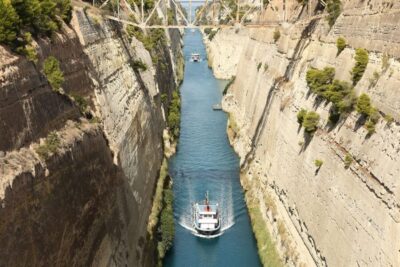
The first stop is the Corinth Canal, where you get a short break for photographs. The canal cuts through the narrow isthmus linking mainland Greece and the Peloponnese. This is a quick stop, not a full visit, but the steep cut and water below make it a worthwhile introduction to the day.
At Mycenae, the guide brings you into the world of Homer’s Agamemnon and the Bronze Age kingdom described as rich in gold. The site is more than a famous gate. You see the fortified setting, ancient burial areas, and the remains of a powerful center that predates Classical Athens by centuries.
Give yourself good shoes here. Ancient sites are uneven, and the sun can be strong. The one-hour guided visit gives you a useful framework, but you should not expect time to inspect every stone at leisure.
After Mycenae, lunch is on your own. This is one of the extra costs to allow for, along with drinks. The schedule then continues to Epidaurus, home to one of Greece’s best-preserved ancient theaters.
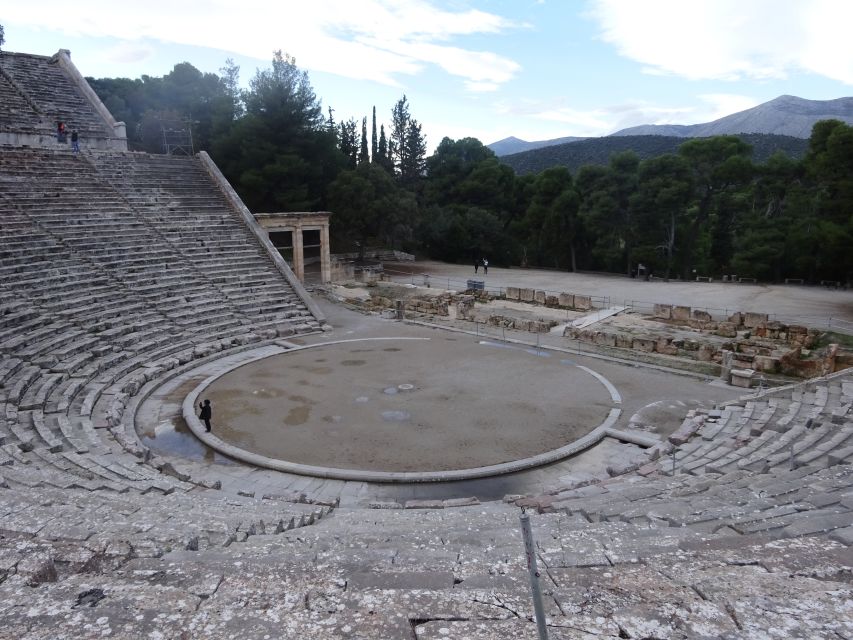
The theater is famous for its acoustics. A guide can explain the design, but the most memorable moment comes when you stand near the stage and hear how clearly sound carries up through the seating. The theater is made largely from limestone, with poros stairways and rows of seats shaped into the hillside.
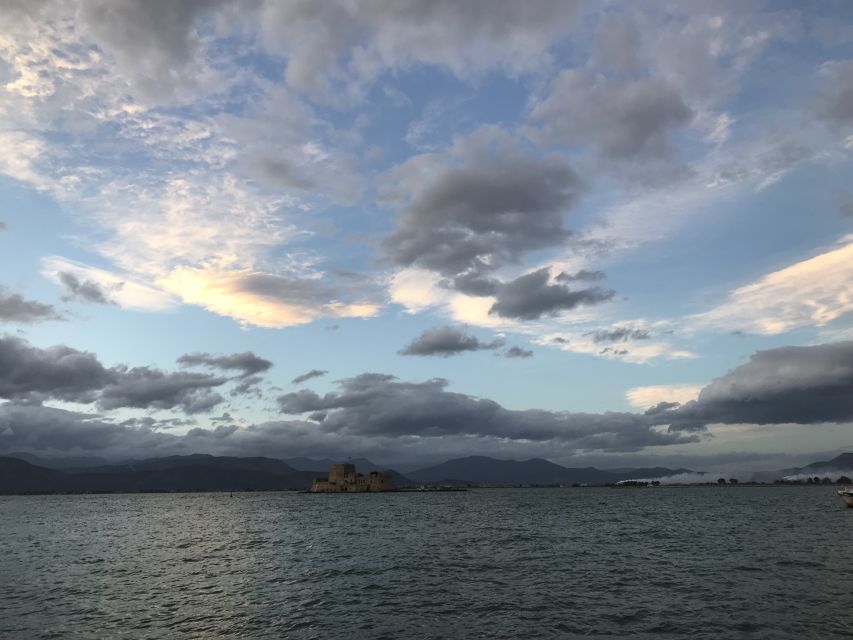
The day ends with a stop in Nafplio, Greece’s first capital after independence in 1829. The itinerary allows free time, but it may be brief. One useful point from the schedule is that the first overnight can sometimes be provided in Olympia instead of the expected Nafplio area, so check the final hotel details before you leave Athens.
Day 2: Olympia and the bridge to Delphi
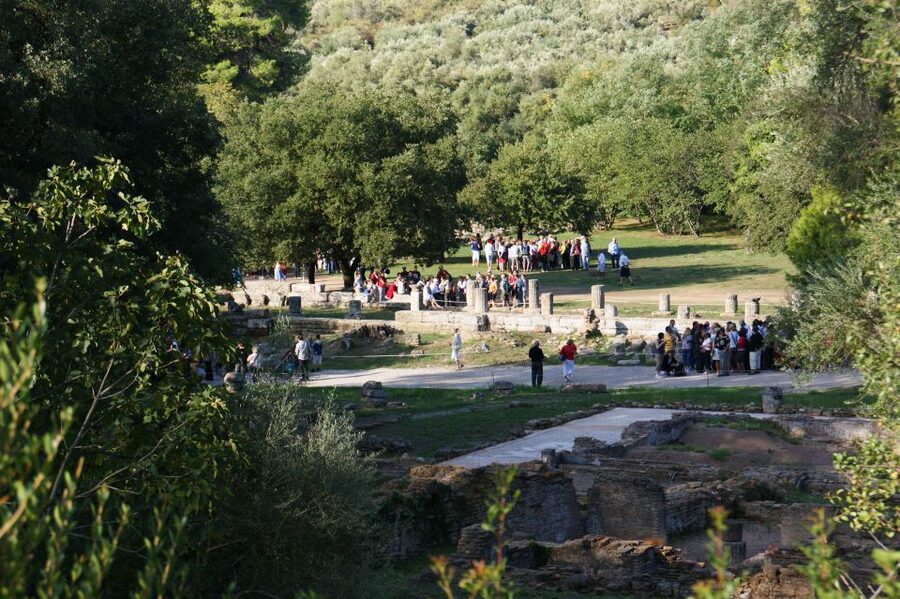
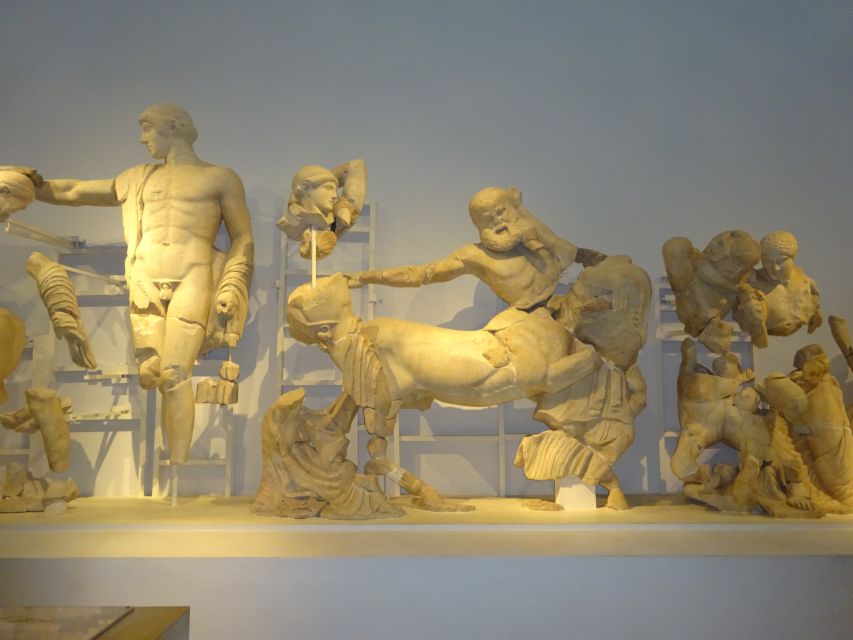
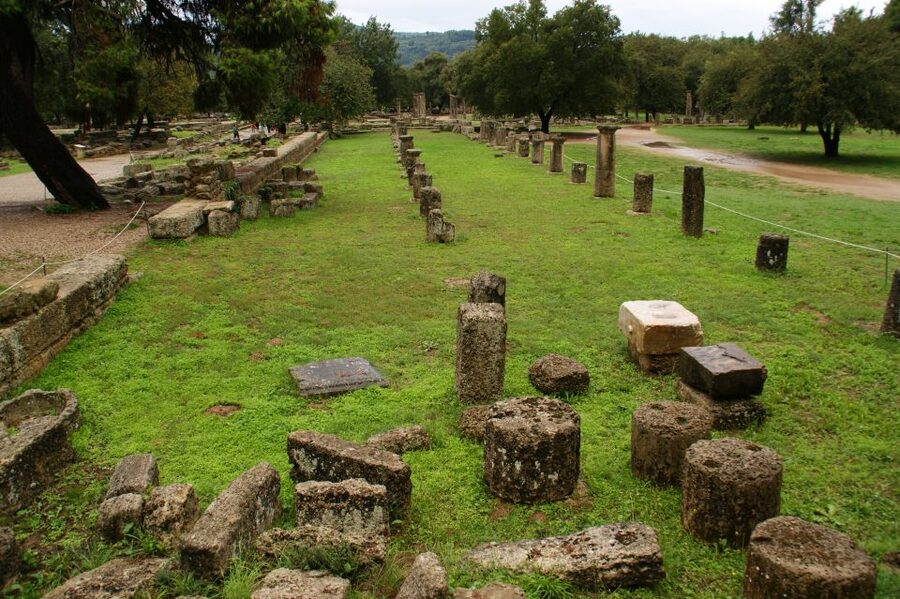
Olympia is the day’s main event. This was not simply an athletic ground. It was a major religious center dedicated to Zeus, and the Olympic Games formed part of that religious world.
You visit both the archaeological site and the museum. The stadium helps you picture the scale of the ancient contests, while the museum adds the objects and sculpture that ruins alone cannot provide. This combination is important. The site shows the setting, and the museum supplies the detail.
The included breakfast and dinner make the day easier, but lunch remains your responsibility. Several people have found the hotel meals practical rather than memorable, and the buffet format can become repetitive across three nights. I would treat dinner as convenient fuel, not a reason to choose this tour.
The afternoon brings a long drive toward Delphi, including Patras and the crossing from Rion to Antirrion on the modern suspension bridge. The route passes through Nafpaktos before turning toward the mountains.
This is one of the tour’s longer transfers, roughly four hours. The bus has air conditioning and Wi-Fi, and the guide may fill the journey with stories about the regions you pass. Still, you should bring water for the stops and be comfortable sitting for long stretches.
Greek roads can be winding, particularly in the mountain sections. Several people have praised the drivers for smooth, safe handling, but motion sickness is listed as a concern. If you are prone to it, choose a forward-facing seat when possible and bring whatever remedies you normally use.
Day 3: Delphi, the Charioteer, and the road to Kalabaka
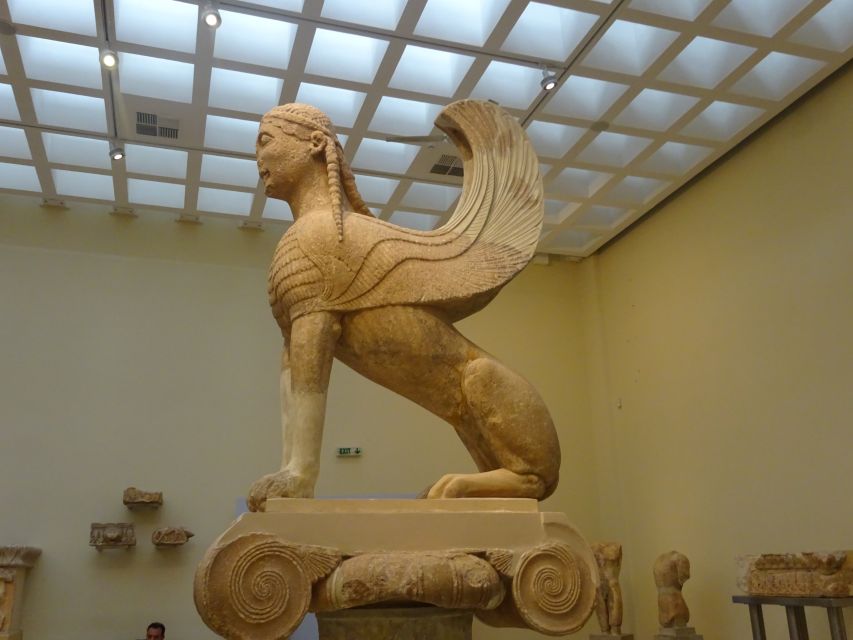
Delphi occupies a special place in Greek religion. Ancient Greeks regarded it as the center of the world, and people came to consult the oracle of Apollo. The sanctuary also served as a meeting point for the wider Greek world, so the ruins carry political and religious meaning as well as architectural interest.
The archaeological site sits below Mount Parnassos between the rock faces known as the Phaedriades. The setting is part of the experience, but the ground is uneven and the site rises along a slope. Wear shoes with a firm sole, and take your time on the steps.
The museum is a crucial part of the visit. Its best-known object is the bronze Charioteer, dedicated to Apollo by Polyzalos of Gela after a victory in the Pythian Games in 478 B.C. The statue is remarkably composed, with a calm face and carefully rendered details. It gives you a far better sense of ancient Greek sculpture than a broken column can.
The guide-led format is especially useful at Delphi because the site can seem confusing without a map of its buildings and functions. Guides including Xenia, Rose, Evi, Joy, and Eustasis have been praised for turning mythology, religion, and ancient politics into clear stories. The quality of the individual guide can shape the day, so listen early and ask questions while you have the chance.
After Delphi, the bus continues to Kalabaka for the night. Again, the drive is long, about four hours. You will have dinner and breakfast at the hotel, but little time for an independent evening visit. The point of staying here is position: you are close to Meteora for the final day.
More ancient sites within reach of Athens:
- Athens: Mythology of Delphi, Museum and Arachova Guided Tour
★ 4.6 · 4,008 reviews - From Athens: Delphi Full Day V.R. Audio Guided Tour
★ 4.6 · 3,028 reviews - From Athens: Small-Group Delphi, Museum & Arachova Day Trip
★ 4.8 · 2,476 reviews - Delphi English Day Trip from Athens with Official Guide
★ 4.5 · 2,199 reviews
Day 4: Two Meteora monasteries and Thermopylae
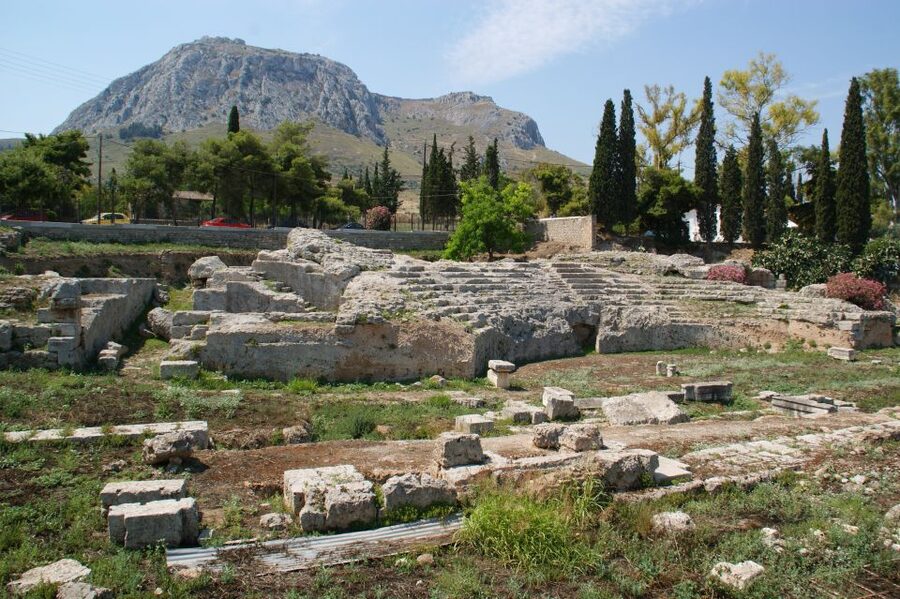
Meteora is the visual high point of the tour. The name means suspended in air, an apt description for the monasteries built on tall rock pillars above the surrounding plain.
The wider area once held 24 monasteries. Monks reached their communities by nets and retractable ladders, some as long as 40 meters, before roads and modern access made visits easier. The monasteries developed their own farms and supplies, and the Great Meteoron eventually became the leading community.
The tour visits two monasteries. Exact monasteries can depend on the day and operating conditions, so do not assume you will see every major building. You will, however, get the chance to enter two active religious sites and see why UNESCO recognizes Meteora as an important cultural site.
Dress carefully. Men must wear long trousers. Women need a dress or skirt that reaches below the knees. A long-sleeved shirt is also wise, both for the rules and for sun protection. One practical complaint about this stop has been surprise over the dress requirement, so pack suitable clothing rather than hoping you can borrow something.
Meteora is not a flat sightseeing stop. You should expect walking, steps, and uneven ground. The tour is not suitable for wheelchair users, people using non-folding wheelchairs or mobility scooters, or people with significant mobility limits. It is also listed as unsuitable for those with claustrophobia, a cold, motion sickness, or those over 80.
The return to Athens includes a photo stop at Thermopylae, linked with the famous battle between the Spartans and the Persian army. It is a brief stop rather than a full archaeological visit. You should reach Athens at about 7 p.m., though road conditions can affect the timing.
Hotels, food, and the real value of $747
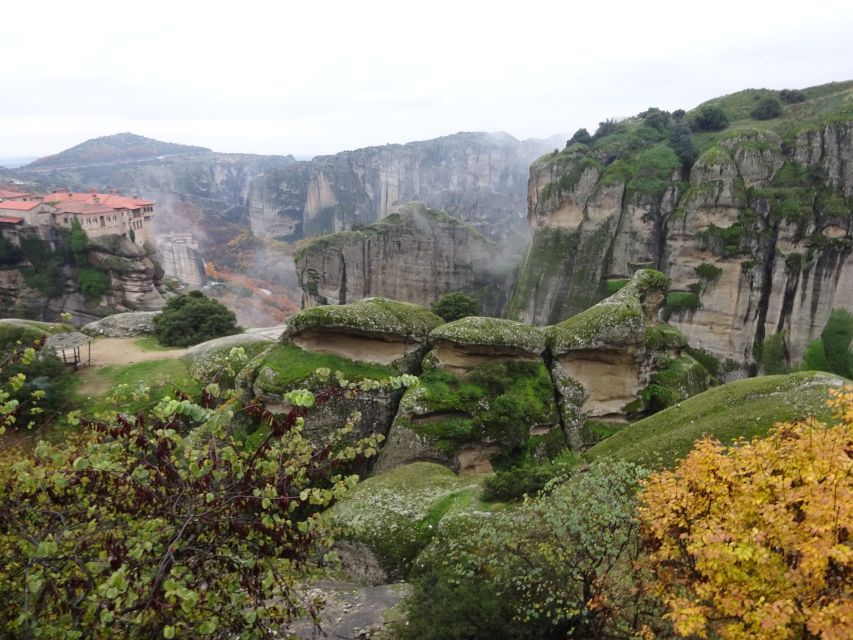
The package includes three nights in 4-star hotels, with half-board accommodation. That means breakfast and dinner are provided, but not lunch. The hotels have generally been comfortable, and some people have described them as better than expected for a coach tour.
The standard can vary by night. One earlier account found the hotels became less impressive as the tour continued, while others found the accommodation consistently good. The practical point is to expect solid overnight bases, not boutique hotels in the center of each town.
Location can also vary. A hotel outside a town may make the evening less independent, but it allows the group to stay together and continue the next morning without a long local transfer. If you want a choice of tavernas outside the hotel, ask about the accommodation locations before booking.
The food is mostly buffet-style hotel fare. Breakfast is usually the stronger meal, while dinners range from acceptable to ordinary. Lunch stops vary, and the first and last may not satisfy diners looking for local cooking.
For me, the package still offers good value. The entry fees alone would add up across four major archaeological sites, two museums, and Meteora access. Add the long-distance coach, driver, guide, three hotel nights, breakfasts, and dinners, and the price is reasonable for someone with only four days.
Transport, group size, and how to make the days easier
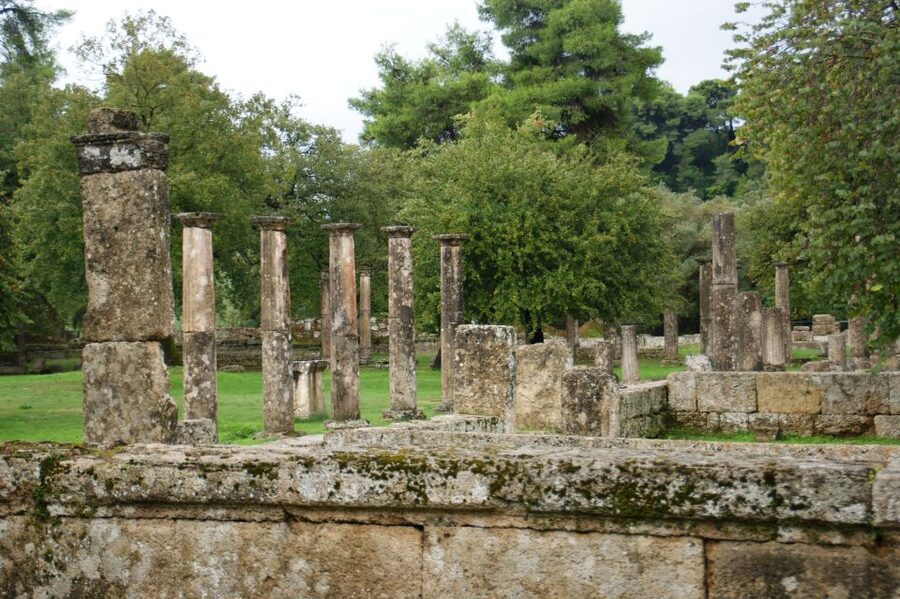
The air-conditioned coach is comfortable and has Wi-Fi, but comfort does not change the mileage. The longest road sections run about four hours, and the full return to Athens on the last day can feel tiring after Meteora.
Group size deserves attention. Some departures may be relatively small, while one recent group had about 60 people. A large group can mean slower boarding, a crowded listening area, and less flexibility at site visits. Ask the operator about the expected group size for your date if this matters to you.
The tour runs in English and French. On Mondays, the schedule is specifically listed as running in both languages. Hotel pickup is available from selected central Athens hotels between about 7:30 and 8:15 a.m., with the main departure at Hotel Amalia Athens at 8:30.
Pack one medium suitcase and one small carry-on. Oversize luggage is not allowed. Comfortable walking shoes, a sun hat, long trousers, and a long-sleeved shirt cover most of the practical needs.
I would also keep a small day bag with water, sunscreen, medication, and a light layer. Food and drinks are not allowed in the vehicle, so use the planned stops to refresh rather than trying to turn the coach into a picnic area.
Who should book this four-day Greece tour?
I would recommend it to you if this is your first mainland Greece trip, you have limited time, and you want ancient sites explained by a professional guide. It is also a good fit if you do not want to arrange intercity buses, hotel bookings, archaeological tickets, and mountain transport separately.
Families with older children may like the variety, though children and students up to age 18 need a valid passport or ID to receive discounted admission. Without the proper document, you may have to pay the site and museum fees again.
I would think twice if you dislike fixed schedules, long coach journeys, buffet dinners, or large groups. People who want extended time in Nafplio, Delphi, or Olympia will probably find the stops too short.
The cancellation policy allows a full refund up to 24 hours before departure, and you can reserve now and pay later. Those terms help if your Athens plans are still changing, but they do not solve the main decision: are you happy to trade independence for coverage?
Should you book it?
Book this tour if you want to see the major mainland highlights in four days and prefer a guide to bring the myths, religious customs, and ancient politics into focus. The strongest parts are the breadth of the route, the included admissions, and the chance to visit Meteora without solving the transport puzzle yourself.
Skip it if your ideal Greece trip means long lunches, quiet ruins, and several nights in one town. For everyone else, this is a well-organized way to cover a huge amount of ground, provided you accept the long drives and pack for walking.
FAQ
What is included in the $747 tour price?
The price includes air-conditioned coach transport, an experienced driver, a licensed English or French guide, attraction and museum entry fees, three nights in 4-star hotels, breakfast, dinner, and Wi-Fi on the coach and at the hotels.
Are lunches included?
No. Lunches and drinks are not included, so you should budget separately for them during the four days.
Where does the tour leave from in Athens?
The main departure point is Hotel Amalia Athens at Syntagma Square, at about 8:30 a.m. Pickup from selected central hotels is available between about 7:30 and 8:15 a.m., depending on the hotel and booking option.
What should I wear at the Meteora monasteries?
Men must wear long trousers. Women must wear a dress or skirt below the knees. Comfortable walking shoes, a sun hat, long trousers, and a long-sleeved shirt are recommended for the tour.
How much luggage can I bring?
Each person may bring one medium-sized suitcase and one small carry-on bag. Oversize luggage is not allowed.
Is the tour suitable for people with limited mobility?
No. The tour is not suitable for wheelchair users, non-folding wheelchairs, mobility scooters, or people with mobility impairments. Meteora and the other archaeological sites require walking on uneven ground and, in places, steps.
More Ancient Olympia tours from Athens
- 4-Day Classical Greece Tour: Epidaurus, Mycenae, Olympia, Delphi, Meteora
★ 4.5 · 732 reviews - 3-Day Classical Greece Tour: Epidaurus, Mycenae, Nafplion, Olympia, Delphi
★ 4.5 · 342 reviews - 4-Day Greece Highlights Tour: Epidaurus, Mycenae, Olympia, Delphi and Meteora
★ 5.0 · 79 reviews - Day tour to Ancient Olympia,Ancient Sparta Mycenae Including Meal
★ 5.0 · 54 reviews
More Corinth and Mycenae tours from Athens
- From Athens: Mycenae, Epidaurus & Nafplio Full Day Trip
★ 4.8 · 2,438 reviews - From Athens: Mycenae, Epidaurus & Nafplio Full-Day Tour
★ 4.5 · 1,580 reviews - From Athens: Ancient Corinth Day Trip with Canal & VR Guide
★ 4.6 · 1,073 reviews - Private Biblical Tour Ancient Corinth & Isthmus Canal from Athens
★ 5.0 · 762 reviews
Just added in Athens
- Ceramic and Pottery Creative Workshop with Two Local Artists★ 4.0 · 57 reviews
- Small-Group Women History in Ancient Greece Walking Tour★ 5.0 · 38 reviews
- Athens Old City Private Photoshoot Tour / 2 hrs★ 5.0 · 109 reviews
- Athens: Wine Workshop Create your Own Wine under the Acropolis★ 5.0 · 77 reviews
- Athens: Greek Wines Tasting with Sommelier and Acropolis Views★ 5.0 · 88 reviews
- Wine Trails Private Tour/ Nemea visit 3 wineries from Athens or Nafplion (10 h)★ 5.0 · 44 reviews
- Hydra Private Day Trip by Ferry from Athens with Transfers★ 4.0 · 30 reviews
- FLYING DRESS Photoshoot in Athens – Greece★ 5.0 · 47 reviews
Ancient Corinth, Mycenae & Nafplio Tours, compared.
Ancient Corinth Day Trip with Canal & VR Guide
Read our review →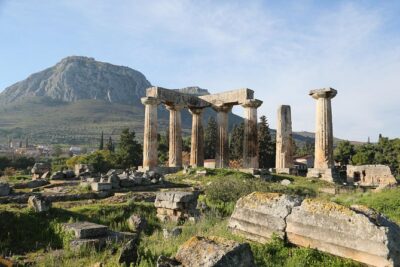
Private Biblical Tour Ancient Corinth & Isthmus Canal from Athens
Read our review →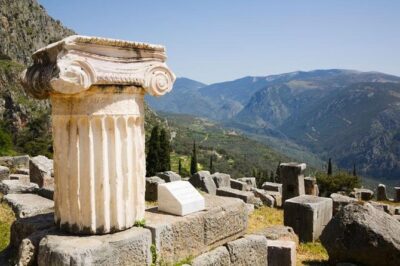
4-Day Classical Greece Tour: Epidaurus, Mycenae, Olympia, Delphi, Meteora
Read our review →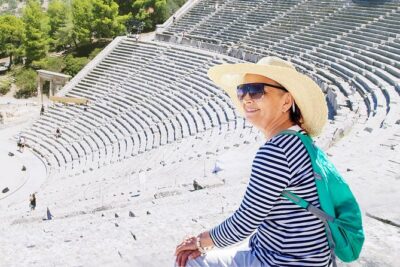
Ancient Corinth & Nafplio Full Day Trip with Swim
Read our review →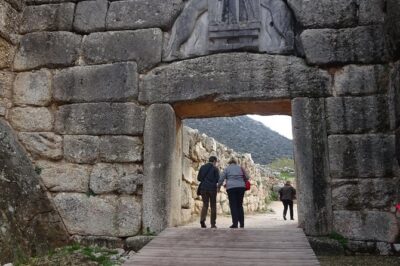
Mycenae and Nafplion Day Trip from Athens with Official guide
Read our review →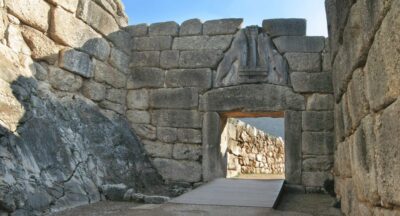
Browse the lists this tour appears in