
Reviewed · OLIVE OIL TASTING TOURS
From Chania: Wine and Olive Oil Tasting Tour with Snacks
Crete’s wine and olive oil traditions are best understood at the source, among the hills west of Chania rather than from a restaurant table. This six-hour outing takes you to two family-run wineries, an olive oil factory, and a village with an olive tree estimated to be 3,000 years old.
I like the generous tasting schedule, which can include around ten wines, several olive oils, local cheeses, and snacks. I also like the human scale of the day: guides such as Andreas, Alex, Kostas, and Nikos are praised for explaining local life as well as wine production. The main caution is the price, $141 per person, which feels worthwhile if you value transport, guided tastings, and a full day outside Chania, but may feel high if you mainly want a few samples.
Key points to know before you book
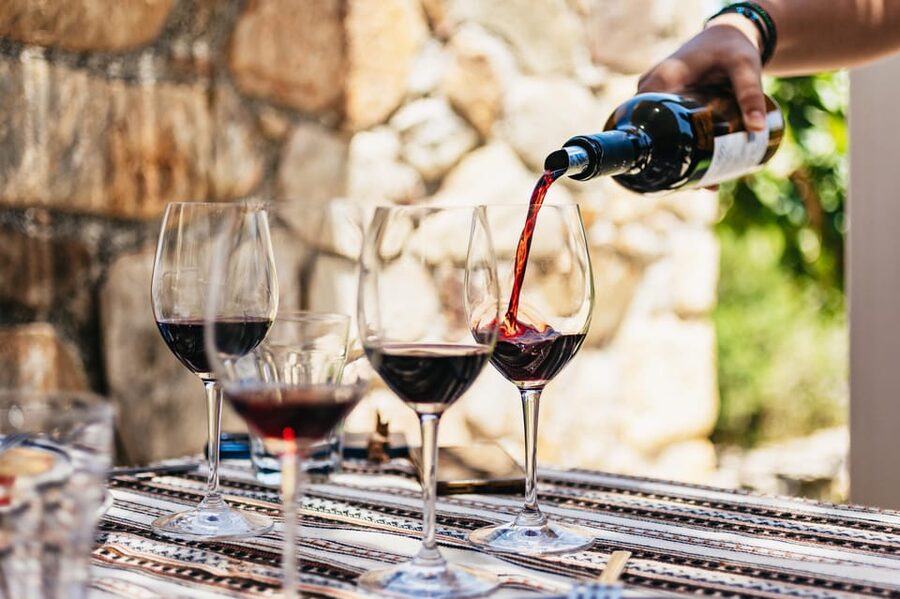
- Around ten wines are served: Expect Cretan Vidiano, Muscat of Spina, Vilana, Assyrtiko, and red varieties such as Syrah and Mourvèdre.
- The olive oil stop is more than a tasting: You learn how extra virgin olive oil is produced before sampling several oils and local products.
- The 3,000-year-old olive tree adds a cultural stop: It breaks up the tastings with a look at one of Crete’s most enduring symbols.
- The tour runs about six hours: Pickup begins 30 to 60 minutes before departure, and transport is by air-conditioned bus.
- Guides make a major difference: Andreas, Alex, Kostas, Nikos, and other named guides have been praised for their warmth, local knowledge, and safe driving.
- Children can come, with limits: Anyone under 18 receives water or fresh orange juice instead of wine, and children must be accompanied by an adult.
Leaving Chania for the Kissamos wine country
The tour begins with pickup from designated locations in the Chania region. The exact pickup time depends on the departure, but you should expect the vehicle to arrive 30 to 60 minutes before the scheduled start. That wider pickup window matters if you are staying outside central Chania, so check your meeting point carefully.
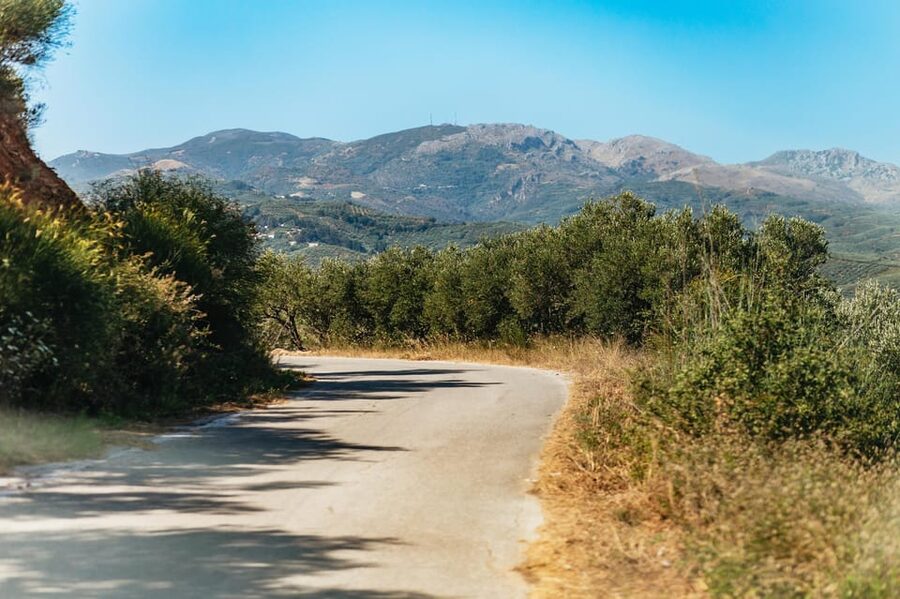
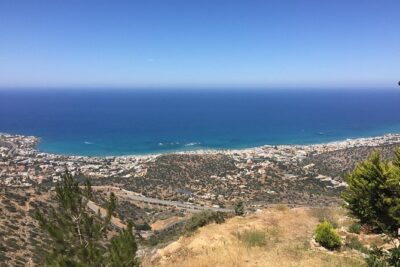
Once aboard the air-conditioned bus, you leave the city and head into the Kissamos region. The drive is part of the experience. Crete’s countryside changes quickly as you move from the coast toward the hills, with olive groves, vineyards, and winding roads replacing the streets of Chania.
I like having a driver for this kind of day. You can taste wine without worrying about navigating narrow roads or arranging a taxi between remote stops. The transport has also received especially strong marks, with 90 percent of ratings giving it a perfect score.
The group size can vary. Some departures have been small enough to feel almost private, while others are shared group outings. A small group makes it easier to ask questions and speak with the producers, but you should not book this expecting a private tour unless your confirmation says so.
Other tastings in the countryside near Crete:
- From Chania: Olive Oil, Wine, Cheese & Honey Tasting Tour
★ 4.6 · 490 reviews - The Terra Creta Olive Oil Experience Tour
★ 4.7 · 344 reviews - Cretan Cooking Class and Olive Oil Tasting
★ 5.0 · 178 reviews
First winery: Cretan grapes with a modern approach
The first winery is a family business established in 1993. Here, you learn about the grapes grown in Crete, the winery’s production methods, and the family’s approach to modern farming and winemaking.
This stop gives useful context before the glasses arrive. Cretan wine is not simply a collection of familiar international grapes. Local varieties such as Vidiano and Muscat of Spina are central to the tasting, and the island’s sun, soil, elevation, and dry climate affect how those wines taste.
Vidiano is one of Crete’s best-known white grapes. Muscat of Spina brings a different character, often more fragrant and floral. The tasting may also include international grapes such as Grenache rouge, Syrah, and Mourvèdre. Trying local and international varieties side by side helps you see what is distinctively Cretan and what reflects broader Mediterranean winemaking.
The tastings are reported to be generous, so plan to eat the snacks and take the pace seriously. This is not a quick sip and move on. You may sample about five wines at the first winery, with explanations from the staff and guide.
A strong feature here is the lack of pressure to buy. You can purchase bottles or olive oil if something catches your attention, but the stop is designed around explanation and tasting rather than a hard sales pitch. That makes it more comfortable for first-time wine tasters.
The ancient olive tree in a traditional village
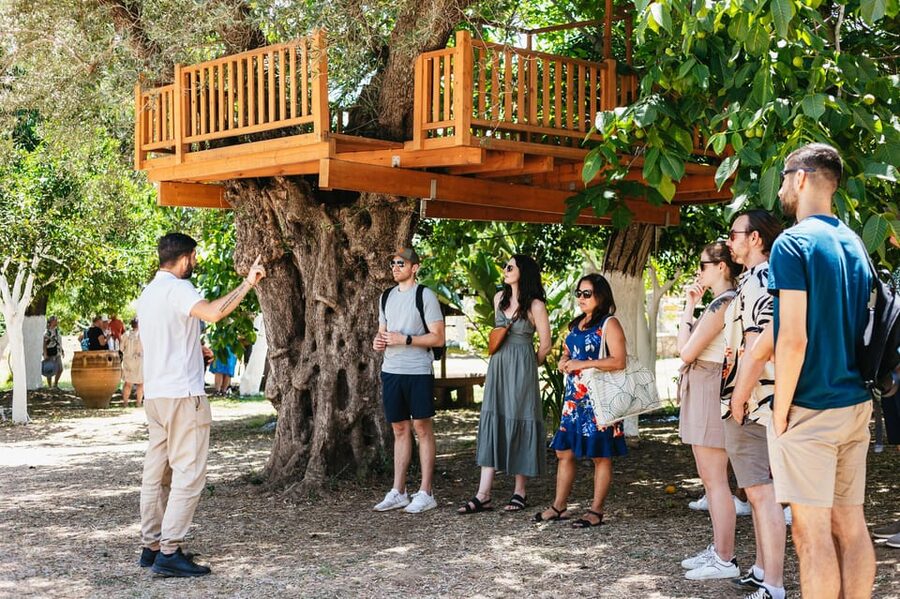
After the first tasting, the route continues to a traditional village and an olive tree estimated to be 3,000 years old. The tree is described as the oldest in the world, though the exact age of ancient trees is naturally an estimate.
This is a short but worthwhile change of pace. After several glasses of wine, you get outside, stretch your legs, and see an object tied to the island’s agricultural past. The thick, twisted trunk makes the age claim easier to grasp than a date in a guidebook.
Olive trees are not just scenery in Crete. They are part of the island’s food, economy, landscape, and family life. The stop helps explain why olive oil receives as much attention on this tour as wine.
Do not expect a long archaeological visit or a major museum. The tree is the focus, and the stop is best viewed as a cultural pause between the wineries. If your priority is wine production alone, this part may feel brief. I think it earns its place because it connects the modern products in your glass and on your plate with a much older agricultural tradition.
The olive oil factory and the taste of extra virgin oil
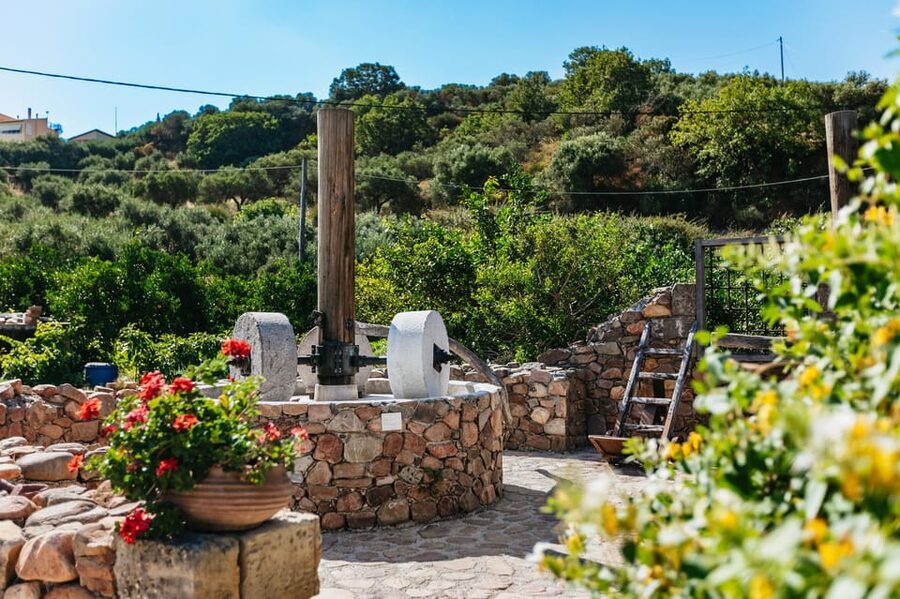
The olive oil visit is one of the strongest parts of the day. At a local factory, you learn how olives are processed into extra virgin olive oil and how the finished product is assessed.
The tasting gives you a chance to compare different oils rather than treating olive oil as a single flavor. You may notice differences in fruitiness, bitterness, and peppery finish. The staff explain the work behind the bottle, from the olives themselves to the methods used in production.
This is especially useful if you usually buy olive oil without knowing what separates a good bottle from an ordinary one. You will leave with a better sense of how to taste it: pay attention to the aroma, the first flavor on the tongue, and the peppery sensation that can appear at the end.
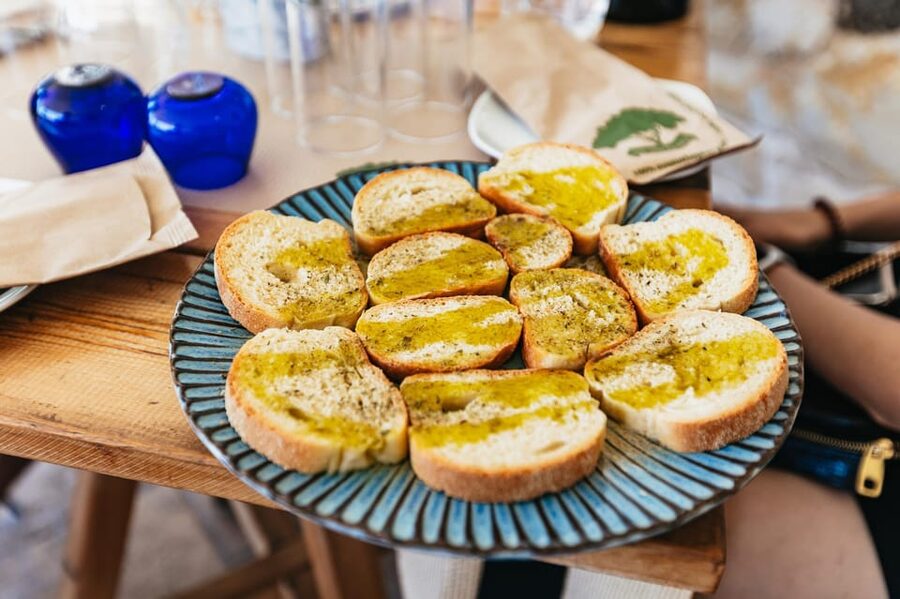
The stop may also include wine and local foods. Several tastings have included cheeses, bread, or other Cretan snacks, and the food helps make the oil tasting more practical. Olive oil makes more sense when you taste it with something you would actually eat.
You may have the chance to buy bottles at the factory. Since olive oil can be awkward to pack, bring room in your luggage if you are serious about taking some home. The tour does not promise shipping, so ask at the factory if you need advice about transport.
A few more things to do in Crete worth a look
- Crete: Quad Safari, Olive Mill with Tasting & Ghost Village
★ 4.9 · 1,004 reviews - Chania: Old Town Highlights Guided Tour with Street Food
★ 4.9 · 407 reviews - Greek Food Walking Tour in Athens
★ 5.0 · 4,740 reviews - Athens: Street Food Tasting Tour
★ 4.9 · 2,557 reviews
Second winery: local blends, snacks, and a slower finish
The final main stop is another winery in the Kissamos region. Here, the tasting includes a local white blend made with Vilana, Vidiano, and Assyrtiko.
This second stop helps round out the first one. You are not simply repeating the same tasting in another room. The grape mix changes, and the setting offers another view of how small Cretan wineries present their products.
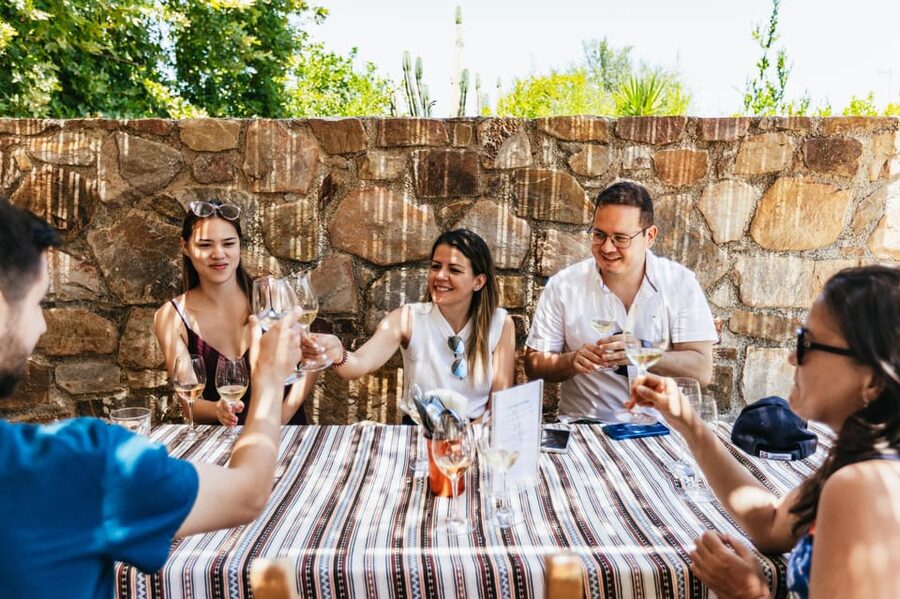
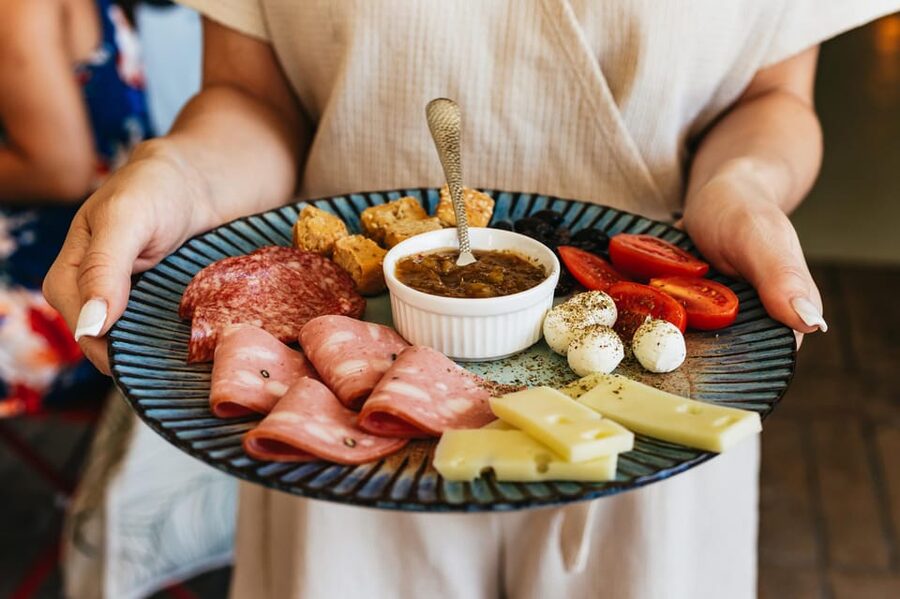
The winery visits have been described as atmospheric, with vineyards and welcoming staff. You should expect more wine, usually about five varieties, accompanied by light food. Local cheeses and snacks are part of the appeal, though this is not a full restaurant lunch.
That distinction matters. If you have a large appetite, you may want to eat a proper breakfast before pickup or carry a small snack. One experience included plenty of food for the group, while another found the amount a little light for the amount of wine served. The safest plan is to enjoy the included food but not count on a substantial midday meal.
Vegetarian and vegan needs have been accommodated when notified in advance. Since the tour description calls the food light, tell the provider about dietary needs before the day rather than relying on last-minute changes.
Finishing with tsikoudia, Crete’s local farewell
Before returning to Chania, the tour traditionally ends with tsikoudia, the clear grape spirit associated with Cretan hospitality. It is stronger than the wines served earlier, so take a small pour and do not feel obliged to finish it.
This final drink gives the day a distinctly local ending. Wine may be the headline, but tsikoudia is part of the island’s social customs and the way many Cretans offer a farewell.
The return trip is included, and the full outing lasts about six hours. Past departures have returned to Chania around mid-afternoon, though the exact timing can shift based on pickup locations, road conditions, and the pace of the group.
The provider can make minor program changes if weather or other conditions require it. That might affect the order of stops or the precise route. The main ingredients, including winery visits and tastings, are the reason to book, rather than any one exact sequence.
The guides are a major part of the value
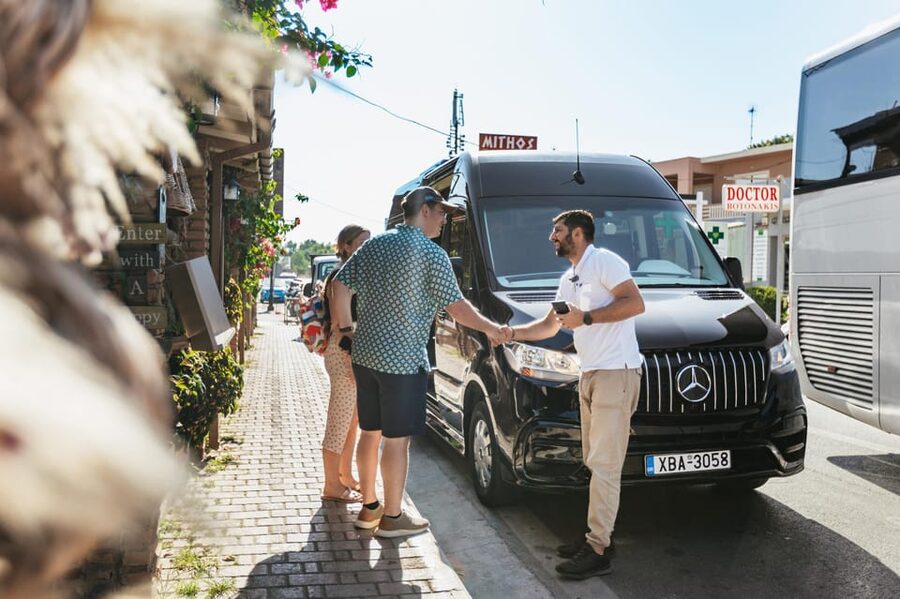
The named guides connected with this tour include Andreas, Alex, Kostas, Nikos, Thanassi, Maria, and others. The strongest pattern is not a single guide’s personality but the care they bring to the day.
Andreas has worked as a sommelier and has been praised for explaining both wine and olive oil in clear terms. Alex is noted for Cretan history, patience, and friendly conversation. Kostas has been described as down to earth and entertaining, while Nikos has been praised for his professionalism and local stories.
That matters because the wineries already have staff to explain production. The guide’s job is to connect the stops, answer questions, keep the schedule moving, and help you understand how wine and olive oil fit into Cretan life.
Good driving also matters here. The route includes hilly roads and, according to the experience details, narrow roads that require an attentive driver. The air-conditioned vehicle is a welcome feature during the hotter months.
The tour is also suitable for solo visitors who want an easy social day. You share tastings with the group, but the setting gives you natural conversation without forcing a formal group activity.
Is $141 a fair price?
At $141 per person, this is not a budget outing. You are paying for roughly six hours of transport, an English-speaking driver-guide, entrance fees, two winery visits, an olive oil factory, multiple tastings, and light food.
The value improves if you do not have a rental car. Reaching two wineries and an olive oil factory independently would require careful planning, a designated driver, and separate transport. The tour also gives you access to explanations that you might not receive from a simple cellar-door purchase.
The price may feel less attractive if you are mainly interested in drinking wine and do not care about production methods or the olive tree stop. In that case, a tasting room in Chania could cost less and take less time.
I would judge the price as reasonable for a full countryside day, especially for first-time visitors to Crete. The generous wine portions, snacks, and specialist guidance add real value. Just remember that the included food is light and that buying bottles is extra.
Free cancellation up to 24 hours before departure and the option to reserve now and pay later make booking less risky. Check the actual pickup location before you pay, especially if your accommodation is outside central Chania.
Who should book this Chania wine tour?

I recommend it most strongly if you want to combine food, agriculture, scenery, and local culture in one outing. It suits couples, solo visitors, and small groups who enjoy tasting slowly and asking questions.
It is also a good choice for first-time wine tasters. You do not need a developed palate, and the staff explain what you are sampling. The range of local and international grapes gives you plenty to compare without requiring technical knowledge.
Families can join, but the experience is adult-focused. Children must be accompanied by an adult, and anyone under 18 receives water or fresh orange juice instead of wine. Unaccompanied minors are not allowed.
I would be less enthusiastic if you want a quiet, private day or a full meal. The group size can vary, the itinerary may shift slightly, and the food is designed as a snack accompaniment rather than a long lunch.
Should you book it?
Book this tour if you want a convenient introduction to Cretan wine and olive oil without renting a car. The combination of two family wineries, a working olive oil stop, the ancient tree, local snacks, and tsikoudia gives the day more range than a simple wine tasting.
The best reason to go is the balance between products and place. You taste what Crete produces, then see the groves and villages that give those products meaning. At $141, it is a considered purchase, but the transport, tastings, guide, and six-hour schedule make it a solid choice for a food-focused day from Chania.
FAQ
How long does the Chania wine and olive oil tour last?
The tour lasts about six hours. Pickup begins 30 to 60 minutes before the scheduled departure, depending on your location and the day’s arrangements.
What wines will I taste?
The tastings may include local Vidiano, Muscat of Spina, Vilana, and Assyrtiko, along with international varieties such as Grenache rouge, Syrah, and Mourvèdre. The exact selection can vary.
Does the tour include olive oil tasting?
Yes. You visit a local olive oil factory, learn about extra virgin olive oil production, and taste several local oils.
Is food included?
Yes. Light lunch or snacks are included, with local products such as cheeses served alongside the wine and olive oil. The food is not presented as a full restaurant meal.
Can children join the tour?
Children can join if accompanied by an adult. Wine tasting is not available to anyone under 18, but water or fresh orange juice is offered instead. Unaccompanied minors are not allowed.
Is transportation included from Chania?
Yes. Pickup and drop-off are included from specific locations in the Chania region, and transportation is provided by an air-conditioned bus.
What happens if I need to cancel?
You can cancel up to 24 hours before the tour for a full refund. The reserve-now-and-pay-later option is also available when offered at booking.
Just added in Crete
- Balos & Gramvousa Luxury Catamaran Sailing Cruise from Kissamos★ 5.0 · 116 reviews
- Cretan Cooking Class and Olive Oil Tasting★ 5.0 · 178 reviews
- Dia Island Catamaran – Premium Lunch, Open Bar, Small Group★ 5.0 · 126 reviews
- Panormo: Luxury Catamaran Cruise with Lunch & Open Bar★ 5.0 · 80 reviews
- Rethymno Catamaran Cruise: Healthy Lunch & Open Bar★ 4.5 · 79 reviews
- The Terra Creta Olive Oil Experience Tour★ 4.7 · 344 reviews
- Heraklion: Beginner Scuba Diving Lesson with PADI Instructor★ 4.9 · 355 reviews
- Chania Cooking Class-The Authentic Enjoy traditional Cretan meal★ 5.0 · 339 reviews
Olive Oil Tasting Tours, compared.
Knossos-Zeus Cave -Old Traditional Villages-Olive Oil Factory
Read our review →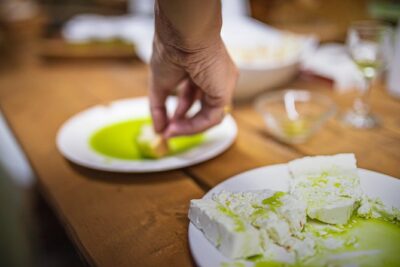
The Governor’s Olive Mill Tour with Olive Oil Tasting
Read our review →

Zeus Cave, Lassithi Plateau, Olive Oil Factory, Kritza, Pottery
Read our review →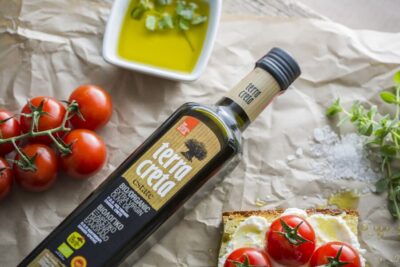
Browse the lists this tour appears in