
Reviewed · FOOD & DRINK
Heraklion: Food Tastings Walking Tour
Heraklion’s best food lesson may begin with coffee and end with wine, but the real pleasure is the route between them. This four-hour walk takes you into local shops, a market, a family bakery, and small food businesses where Cretan cooking feels like daily life rather than a staged show.
I like the generous range of tastings, from Greek coffee and bougatsa to cheeses, olives, meats, meze, and local wine. I also like the guides, especially Eva and Margarita, who bring in churches, fountains, murals, architecture, and stories about Heraklion instead of turning the morning into one long meal.
The main drawback is simple: four hours of walking and eating can feel tiring, especially in summer. The meeting point at Eleftherias Square may also be hard to spot when construction is underway, so arrive early and look for the guide holding a Crete Local Adventures sign.
Key points to know before booking
- Eight local food stops: Expect coffee, pastry, market samples, cheese, olive oil, meat, sweets, wine, and more.
- Bougatsa since 1922: Try Heraklion’s famous custard pastry at a family-run bakery with a long local connection.
- A walking tour with substance: Food is the focus, but the route also includes churches, public spaces, architecture, and city history.
- Plenty of food: The tastings are substantial enough to replace lunch for many people, though extra food and drinks cost more.
- Vegetarian choices are available: Tell the company when booking so suitable samples can be arranged.
- Small-group feel: Past groups have sometimes been intimate, even as small as two people, but the exact group size can vary.
Why this food walk is different from a standard tasting tour
Many food walks give you a bite, a fact, and a quick turn down the next street. This one is paced more like a friendly introduction to Heraklion. You stop often, but you also have time to look around, ask questions, and notice how food fits into Cretan life.
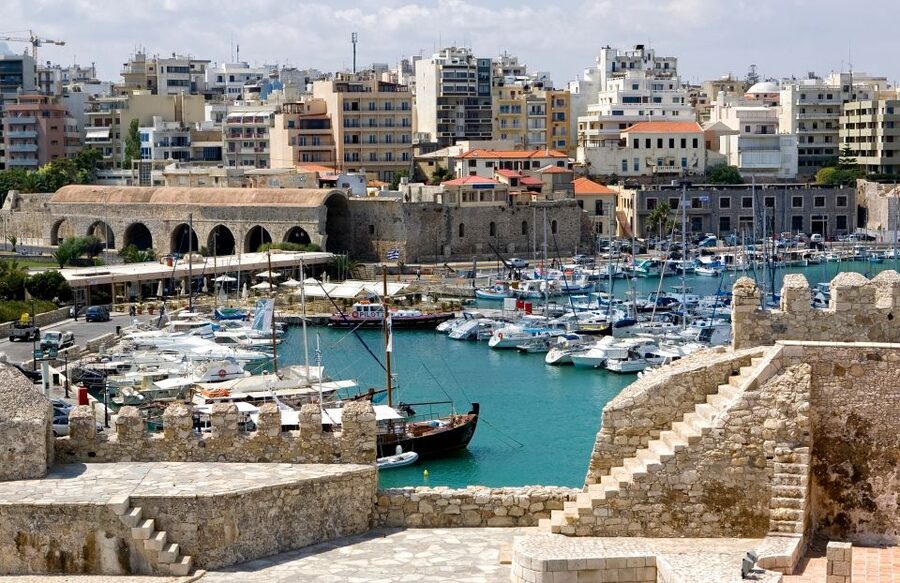
The route begins at Eleftherias Square, Heraklion’s main square, near the Archaeological Museum and opposite the Astoria Hotel. From there, you move through central neighborhoods toward the harbor and finish at Rocca a Mare Fortress. You do not need hotel transport, and the walking route keeps the experience connected to the city.
Guides including Eva, Margarita, and Mya are praised for combining food with local stories. Eva is also an olive farmer, which gives her a personal connection to Cretan agriculture and olive oil. That kind of detail matters. You are not just told that olive oil is important. You hear how local pride, organic farming, and short food journeys shape the island’s table.
The tour is in English. Since stops may include sitting, standing, eating, and walking, comfortable shoes are a must.
A few more things to do in Crete worth a look
- Crete: Quad Safari, Olive Mill with Tasting & Ghost Village
★ 4.9 · 1,004 reviews - From Chania: Olive Oil, Wine, Cheese & Honey Tasting Tour
★ 4.6 · 490 reviews - Chania: Old Town Highlights Guided Tour with Street Food
★ 4.9 · 407 reviews
Greek coffee and cup reading at the first stop
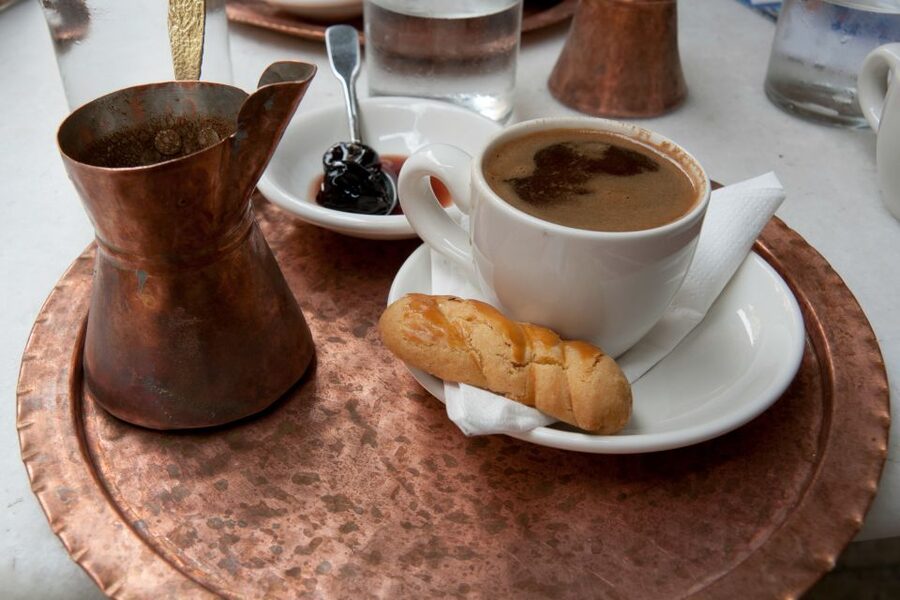
Your first tasting is traditional Greek coffee, called ellinikós kafés. It is brewed in the old style, in sand, and served as an introduction to the pace of the tour.
This stop does more than put caffeine in you. Your guide explains why coffee plays such a large part in Greek social life and may show you cup reading, a centuries-old custom that interprets the patterns left behind after the coffee is finished. Treat the fortune-telling as a bit of fun, but it is a useful way to see coffee as a social ritual rather than a quick takeaway drink.
The half-hour coffee stop also gives you time to meet the rest of the group. The pace is relaxed at the start, which is welcome if you have just arrived in town or are still getting oriented.
Bougatsa at a bakery dating to 1922
Next comes one of Heraklion’s essential bites: bougatsa. This pastry is made with layers of phyllo and can contain semolina custard, cheese, or minced meat. The version you receive depends on the stop and the day, but the point is to taste a pastry that has become part of the city’s food identity.
The bakery is family-owned and has been making bougatsa since 1922. That long-running connection gives the stop a sense of place, even if you know little about pastry before arriving. One particularly useful tip: if you love it, remember where the bakery is. A participant returned the next day specifically for another bougatsa.
The bakery visit lasts about 30 minutes. It is a good early stop because the pastry is filling, but it also introduces the sweet and savory balance that appears throughout Cretan cooking.
Learning to choose Cretan cheese
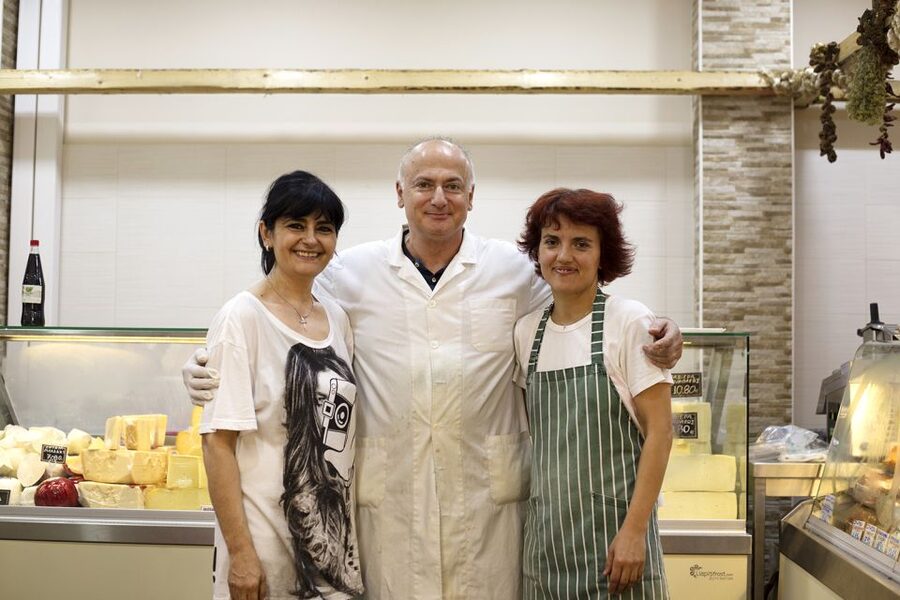
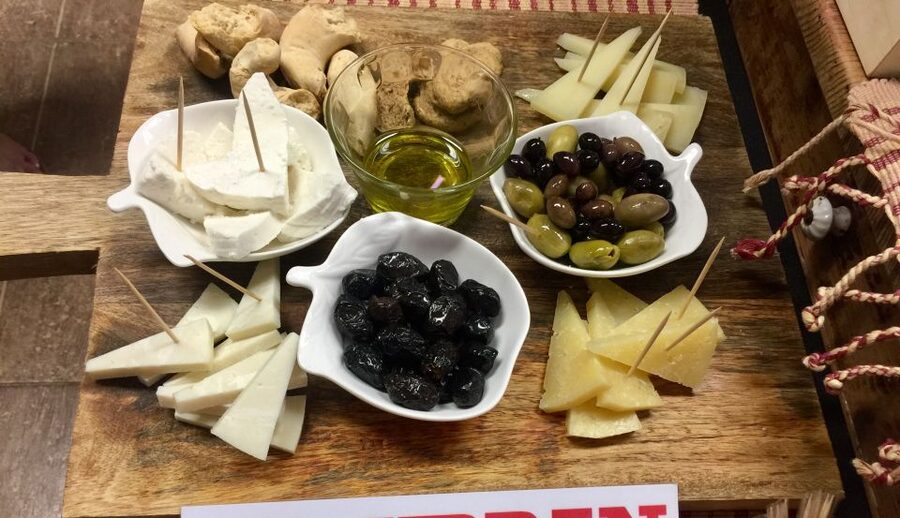
Cheese tasting follows, with several local varieties and advice on how to spot a good one. This is one of the more useful parts of the walk because Cretan cheese can be unfamiliar if your experience is limited to standard Greek feta.
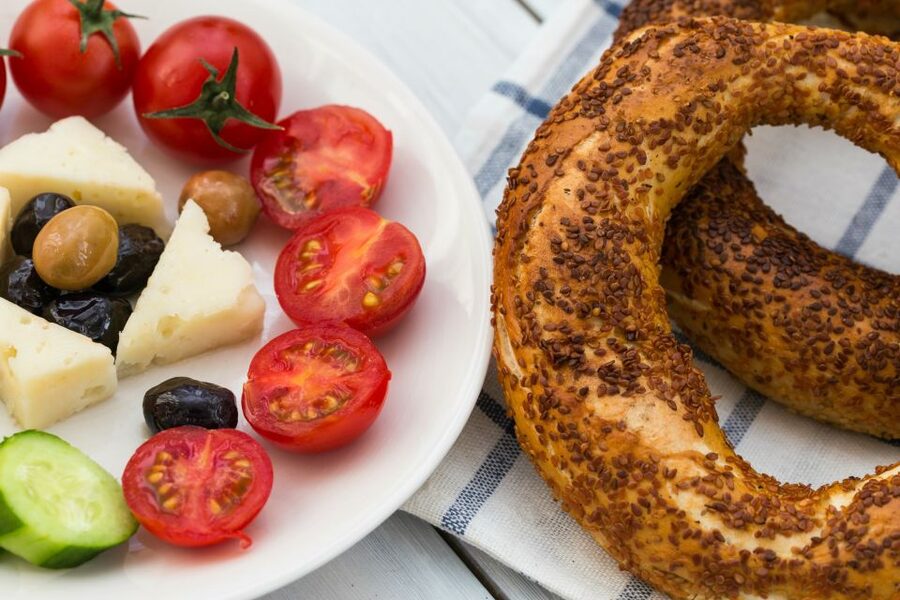
Your guide explains what to look for when selecting cheese and how the flavors differ. You also sample cheese with other basic Cretan foods, such as olives and rusks. Rusks are twice-baked breads with a firm texture, often softened with toppings or other ingredients.
This stop turns shopping into a skill. Instead of simply telling you which cheese tastes best, the guide gives you hints you can use later in a market or food shop. It is the kind of practical lesson that can help you make better choices during the rest of your stay.
Same base, a completely different day:
- Crete: Day Trip to Agios Nikolaos and Spinalonga Island
★ 4.6 · 4,416 reviews - Agios Nikolaos: Boat Trip to Spinalonga with Swim Stop
★ 4.4 · 3,031 reviews - Crete: Knossos Palace Entry Ticket with Optional Audio Guide
★ 3.9 · 2,251 reviews - From Chania: Day Trip to Elafonisi Island Pink Sand Beach
★ 4.5 · 2,014 reviews
The market stop and Cretan pantry basics
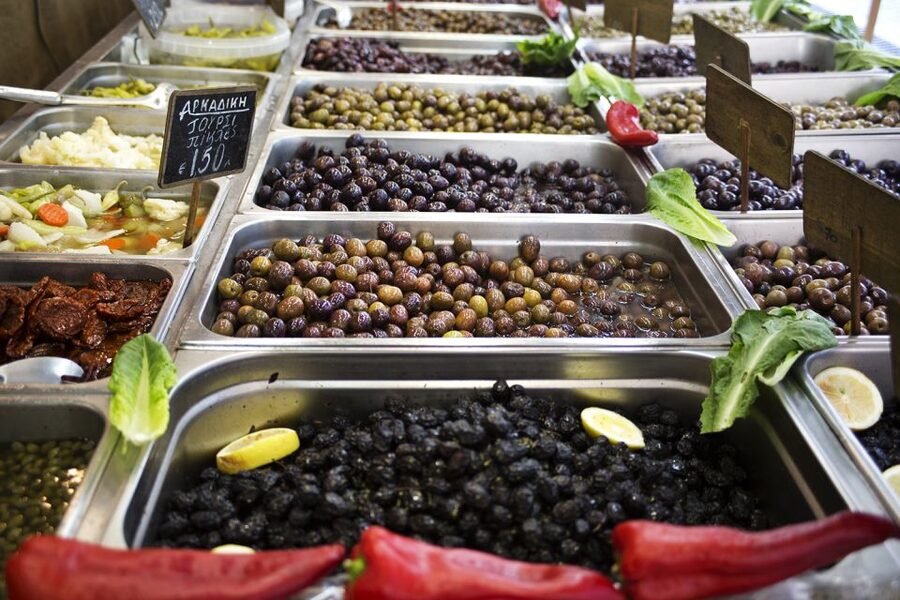
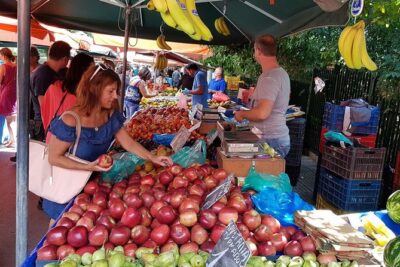
The local market visit lasts about 45 minutes, giving you more time than a quick pass through a produce stall. You meet vendors and learn about the products that form the base of Cretan meals.
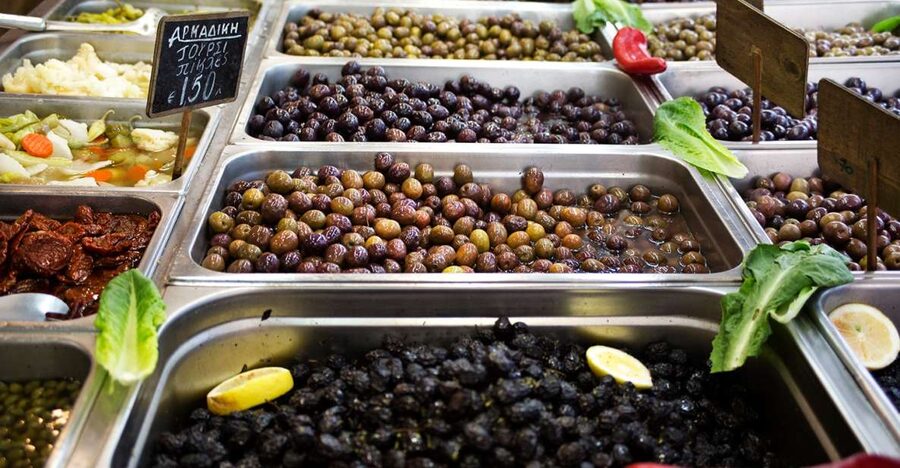
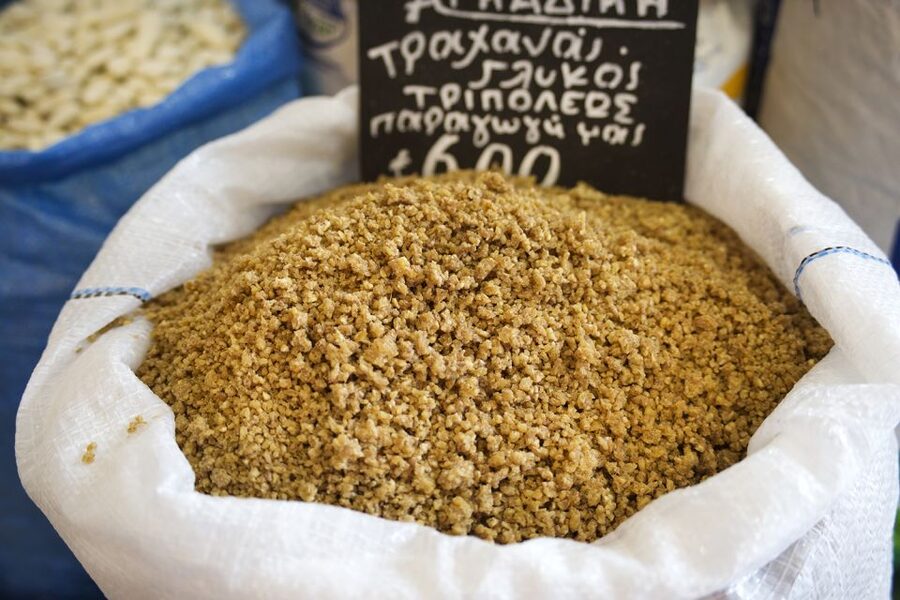
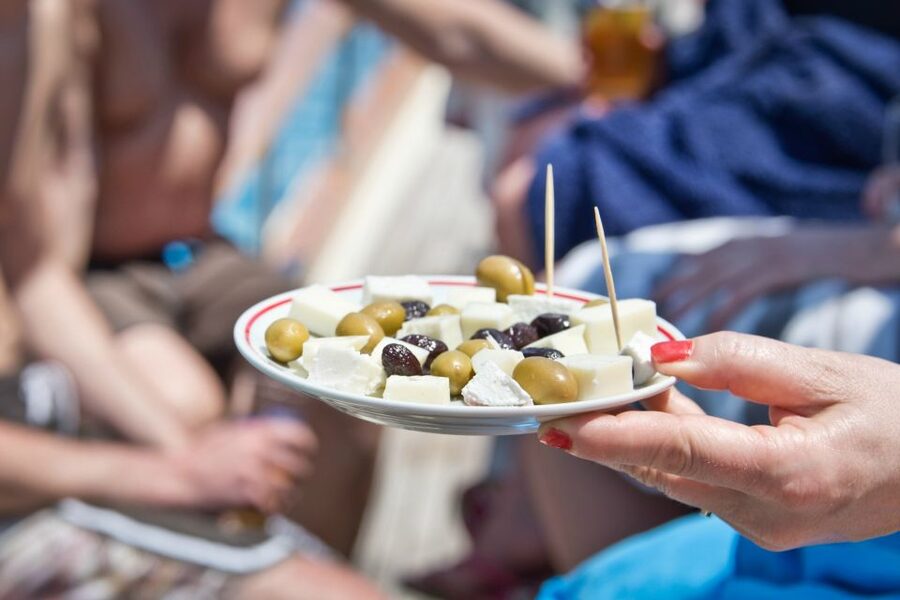
Expect samples of olives, rusks, cheeses, herbs, honey, and olive oil, along with explanations of how these foods are used. The exact selection can vary, but the focus stays on everyday ingredients rather than fancy restaurant dishes.
The olive oil tasting is especially worthwhile. Cretan olive oil is known for its strong role in local cooking, and the guide explains why organic oil from the island is held in such high regard. You learn to pay attention to flavor and quality instead of treating all olive oil as the same.
This is also a good place to ask shopping questions. If you want to take home oil, cheese, herbs, or sweets, your guide can point you toward useful options. Personal expenses are not included, so anything you buy is extra.
Agios Minas Cathedral and a pause from eating
The itinerary includes a stop at Agios Minas Cathedral, with about 30 minutes for tea. This break adds welcome variety. A food tour works better when it gives your palate and feet a short rest.
The cathedral stop also shows how the experience connects food with the city around it. Guides have taken groups into churches and pointed out fountains, murals, old buildings, and details in the architecture. You get a little local context without signing up for a separate history walk.
The amount of historical explanation can vary by guide and group. If you want more background, ask questions. Guides such as Eva and Margarita are happy to talk about Heraklion, Crete, and local customs, but this is still primarily a food tour, not a full architectural survey.
Meze, meat, and the optional fried snails
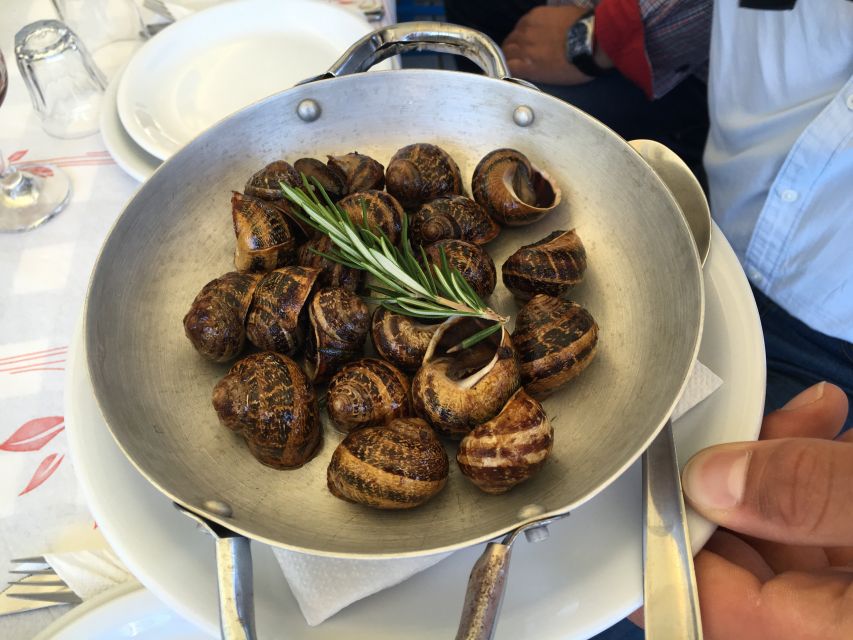
The most filling part of the walk is the savory food stop. You sit down for a local organic meat dish, along with a broad spread of meze. The samples may include breads, olives, cheeses, meats, traditional sweets, and other small dishes.
For adventurous eaters, fried snails are part of the experience. Snails are widely loved in Crete, but they are not compulsory for everyone. If the idea does not appeal to you, ask what alternatives are available.
This stop is one reason you should avoid eating a large lunch beforehand. Several people have finished the tour full, and the included food and drink can add up to much more than a few token samples. Additional food and drinks are not included, but most participants should have plenty to eat during the scheduled stops.
Vegetarian options are available. You need to specify this at booking, rather than waiting until the first restaurant or market stop. Alcohol-free drinks are provided for anyone under 18, while alcoholic beverages are restricted to participants aged 18 and over.
Cretan wine, tapas, and a little raki
The final stop is a family-run shop for local wine and tapas. You taste Cretan wines and learn that winemaking on the island reaches back to the Bronze Age. That background gives the tasting a clear local frame, rather than presenting the wine as a generic Greek product.
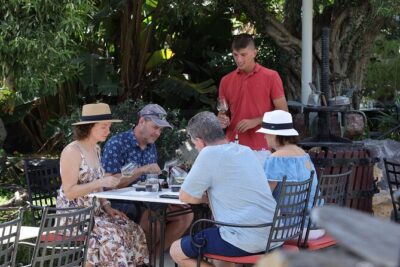
The stop lasts about an hour, so it is more than a rushed sip at the end. You can ask about grape varieties, local production, and the way wine fits into Cretan meals. Raki may also be included among the tastings. Pace yourself, since the combination of wine, raki, and a full day of samples can catch up with you.
The final tasting at Rocca a Mare Fortress puts you near one of Heraklion’s best-known harbor landmarks. From here, you can continue exploring on your own. Before parting, ask your guide for restaurant suggestions and ideas for the rest of your stay. This is one of the most useful benefits of taking the tour early in your visit.
What the $114 price gets you
At $114 per person, this is not a cheap snack crawl. It can still be good value if you use it as a combined food introduction, neighborhood walk, and first-day orientation.
The price includes an English-speaking local guide and the listed food and beverage samples: coffee, rusks, olives, cheese, pastries, traditional sweets, meats, local wine or spirits, and other tastings. The amount of food appears generous enough to function as a substantial meal, which reduces the need to buy lunch afterward.
You are also paying for access and judgment. A guide knows which family bakery to use, how to compare local cheese, where to taste olive oil, and how to connect the food with Heraklion’s streets and customs. If you tried to reproduce the same day by ordering randomly, you could spend less or more, but you would lose the explanation and the local direction.
The value is strongest for first-time visitors who want a quick introduction to Cretan eating. It is less compelling for someone who already knows Heraklion’s food shops and prefers to choose every dish independently.
Timing, meeting point, and practical concerns
The tour begins at 11:00 AM and lasts four hours. Meet beside the statue of a soldier in the middle of Eleftherias Square. The square is near the Archaeological Museum and opposite the Astoria Hotel. Look for a person carrying a Crete Local Adventures sign.
Allow extra time to find the group. Construction has made the square confusing at times, and the meeting point can be hard to identify in a busy open space. If you are arriving by public transport, build in a buffer. The company has shown flexibility when transport problems cause delays, but it is still best to contact them if you are running late.
The route ends at Rocca a Mare Fortress, not back at the starting square. That is useful if you plan to continue toward the harbor, but remember to account for the return journey if your hotel is near Eleftherias Square.
You can cancel up to 24 hours in advance for a full refund, and the reserve-now, pay-later option keeps your plans flexible. These terms are useful if your Crete schedule may change.
Who should book this Heraklion food tour?
I would choose this tour for a first or second day in Heraklion. You get a map in your head, a list of foods to seek out, restaurant suggestions, and a better sense of how local meals work.
It suits curious eaters who enjoy trying unfamiliar dishes, including snails, local cheeses, raki, and strongly flavored olive oil. It also suits people who want some history and city sightseeing but do not want a formal museum lecture.
The tour works well for couples, friends, solo visitors, and families with older children. Young participants can join, but anyone under 18 receives non-alcoholic drinks. Vegetarians should request suitable food in advance.
You may want to skip it if you have mobility limits that make four hours of walking and standing difficult, though the supplied details do not specify an accessibility plan. It may also be a poor match if you prefer a tightly timed sightseeing itinerary, since food stops and conversations can make the pace feel leisurely.
Should you book it?
Book this Heraklion food tour if you want to understand Crete through what people eat, not just through monuments. The strongest parts are the old family bakery, the cheese and olive oil lessons, the generous meze stop, and guides such as Eva and Margarita who connect each bite with Heraklion life.
At $114, the price makes sense when you count the included food, wine, guide, and four hours of local orientation. Arrive early at Eleftherias Square, wear comfortable shoes, request vegetarian food in advance, and keep your lunch plans open. If you do that, this is a practical and tasty way to get your bearings fast.
FAQ
Where does the Heraklion food tour begin?
It begins at 11:00 AM in Eleftherias Square, beside the statue of a soldier in the middle of the square. The meeting point is near the Archaeological Museum and opposite the Astoria Hotel.
How do I identify the guide?
Look for someone holding a Crete Local Adventures sign.
Where does the tour finish?
The tour finishes at Rocca a Mare Fortress.
How long does the experience last?
The walking food tour lasts four hours.
What food and drinks are included?
Samples include Greek coffee, rusks, olives, cheese, pastries, traditional sweets, meats, local wine or spirits, and other Cretan foods and drinks.
Are vegetarian options available?
Yes. Vegetarian options are available, but you should specify this when booking.
Can children join the wine-tasting portion?
Participants under 18 receive non-alcoholic beverages. Alcoholic drinks are provided only to participants aged 18 or older.
Is hotel pickup included?
No. Hotel pickup and drop-off are not included, and additional food, drinks, and personal purchases are also extra.
More Walking Tours in Crete
- Knossos: Knossos Palace Skip-the-Line Guided Walking Tour
★ 4.8 · 1,380 reviews - Rethymno: Old Town Walking Tour with Meal
★ 4.9 · 73 reviews - Knossos Palace Guided Walking Tour (Without Tickets)
★ 4.6 · 32 reviews - Athens: Acropolis and Parthenon Guided Walking Tour
★ 4.6 · 5,882 reviews
Just added in Crete
- Chania: 7 Villages of Apokoronas Tour with Lunch★ 4.7 · 289 reviews
- Heraklion: Self-Driving 4X4 Jeep Off-Road Tour with Lunch★ 4.6 · 26 reviews
- Crete: Samaria Gorge Hike★ 4.4 · 201 reviews
- Samariá Gorge Hike: Day Excursion from Chania★ 4.4 · 49 reviews
- Rethymno: Old Town Walking Tour with Meal★ 4.9 · 73 reviews
- Rethymno: Old Town Segway Tour★ 4.9 · 39 reviews
- Rethymno: Pirate Boat Cruise with Swimming Stops★ 4.1 · 255 reviews
- From Rethymno: Lake Kournas and Villages Full-Day Tour★ 4.4 · 45 reviews
Food & Drink, compared.
Small Group Greek Traditional Food Tour in Athens 20+ Tastings
Read our review →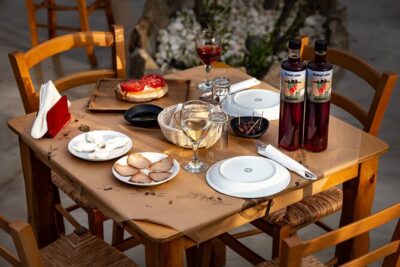
Santorini Wine Stories: Sunset Tour with Tasting & Dinner
Read our review →
Food Market Visit and Cooking Class with Wine
Read our review →
Browse the lists this tour appears in