
Reviewed · OLIVE OIL TASTING TOURS
Rethymno: Olive Oil Tasting with Cretan Food Pairing
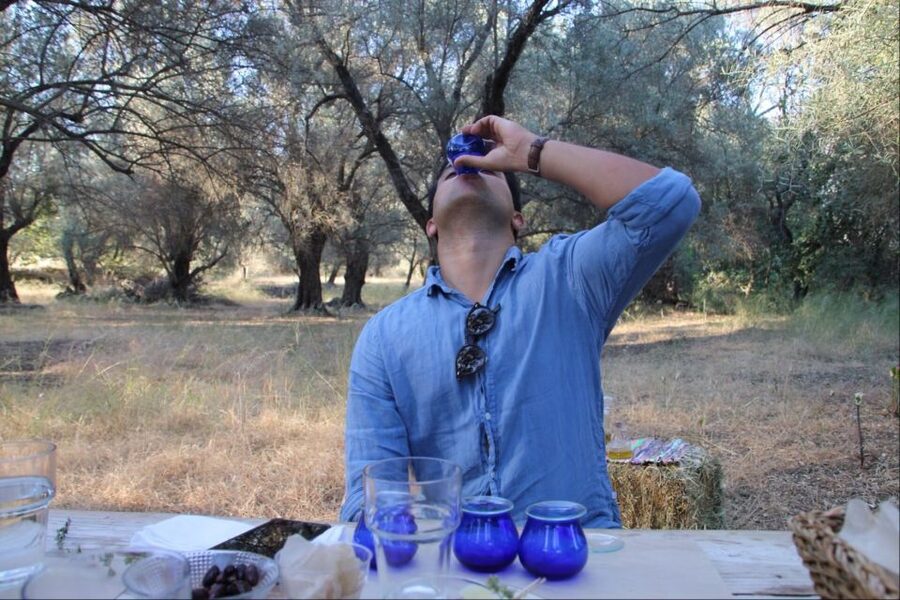
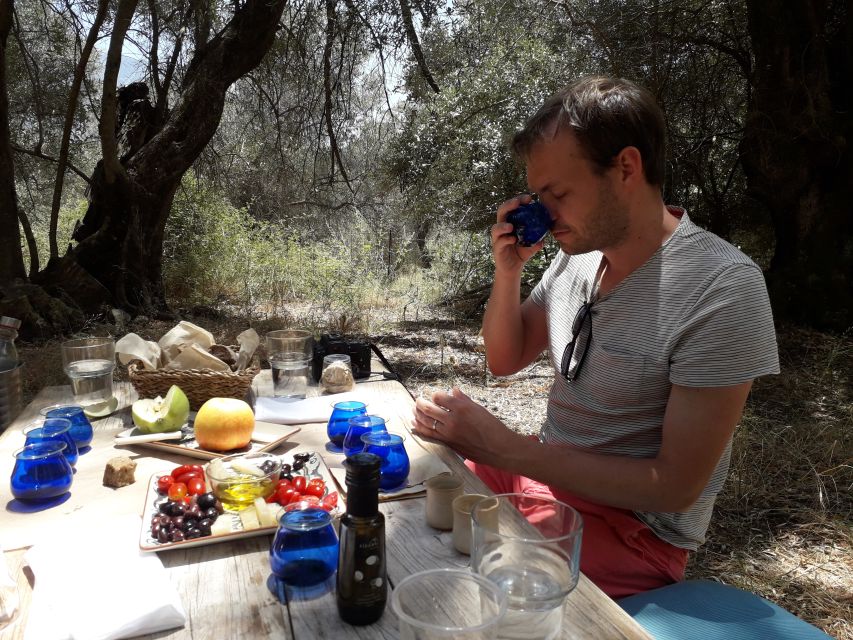
A tasting table under ancient olive trees is the heart of this experience. In a 2,000-year-old olive grove, guide Aspassia explains Cretan olive oil through its trees, myths, harvest, and daily use. I like the peaceful setting and the way the tasting turns a familiar kitchen staple into something you can actually assess.
I also like the practical focus. You learn how to taste, store, choose, cook, and fry olive oil, then test four different oils with local food. The main consideration is mosquitoes, especially during warmer months, and the meeting point can take a little finding if you are not driving.
Key points at a glance
- Four oils, four food pairings: Taste olive oils at a table in the shade, then compare how each one works with different local foods.
- A 2,000-year-old grove: Walk among ancient trees in a quiet setting connected with Cretan olive culture.
- Aspassia leads the experience: Expect an informal, friendly presentation in English, French, or Greek.
- Useful kitchen advice: Learn how to judge olive oil, preserve it, select it, and use it for cooking and frying.
- Small group setting: No more than eight people take part, which suits questions and conversation.
- Bring mosquito repellent: Several people found the insects bothersome during the food portion, even in October.
Ancient olive trees instead of a tasting room
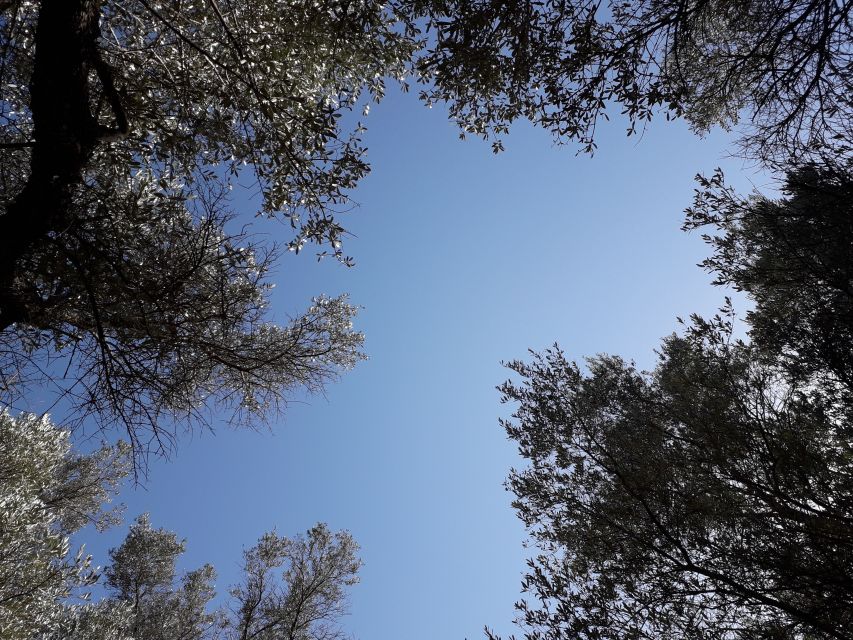
This is not a polished city food tour held indoors. You meet in front of the Valide Cooking Activities Building, then travel directly to the grove, where most of the experience takes place beneath the trees.
The setting gives the tasting a useful sense of place. Crete is not simply serving olive oil as a souvenir product. Olive cultivation has shaped its food, economy, customs, and countryside for centuries. Here, you hear about that long connection while sitting among the trees that still define so much of the island.
The grove is described as a monumental site with trees dating back around 2,000 years. You also walk through an area known as the holy Gethsemane Garden. The experience connects the olive tree with Cretan stories, beliefs, aromas, and food rather than treating oil as a technical product alone.
I would allow a little time to get oriented before the activity begins. The meeting point is in front of the Valide building, and the exact location can be easy to miss. The free football stadium parking area opposite the building is useful if you need a short-term place to stop.
Other tastings in the countryside near Crete:
- From Chania: Olive Oil, Wine, Cheese & Honey Tasting Tour
★ 4.6 · 490 reviews - From Chania: Wine and Olive Oil Tasting Tour with Snacks
★ 4.8 · 354 reviews - The Terra Creta Olive Oil Experience Tour
★ 4.7 · 344 reviews
What the three-hour visit includes
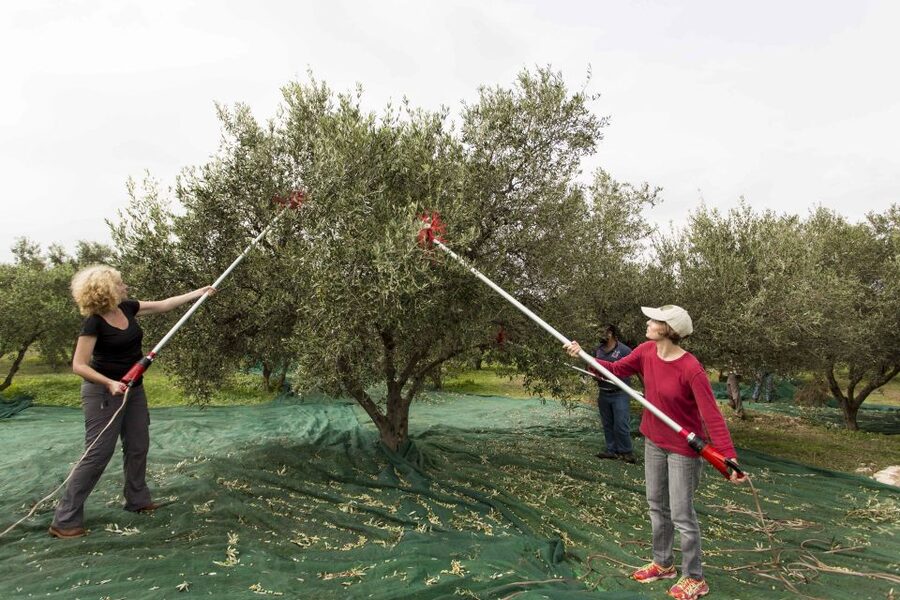
The experience lasts three hours, though the pace is relaxed. After meeting Aspassia, you drive to the olive grove and begin with a walk around the trees.
This opening portion gives you the basic story of Cretan olive oil. You learn about the trees, olives, harvesting, and extraction, along with the role olive oil has played in Cretan civilization through the centuries. The walk also lets you settle into the quiet of the grove before sitting down to eat.
The presentation is informal rather than academic. That works well if you want a clear introduction without a long lecture. Aspassia is described as warm and well prepared, and the experience is built around conversation, tasting, and practical examples.
One point to keep in mind: the information about harvesting and extraction is part of the activity, but this is not presented as a full working-mill visit. If your main interest is seeing industrial machinery or following olives through every stage of production, you may want a separate olive mill tour.
How to taste olive oil properly
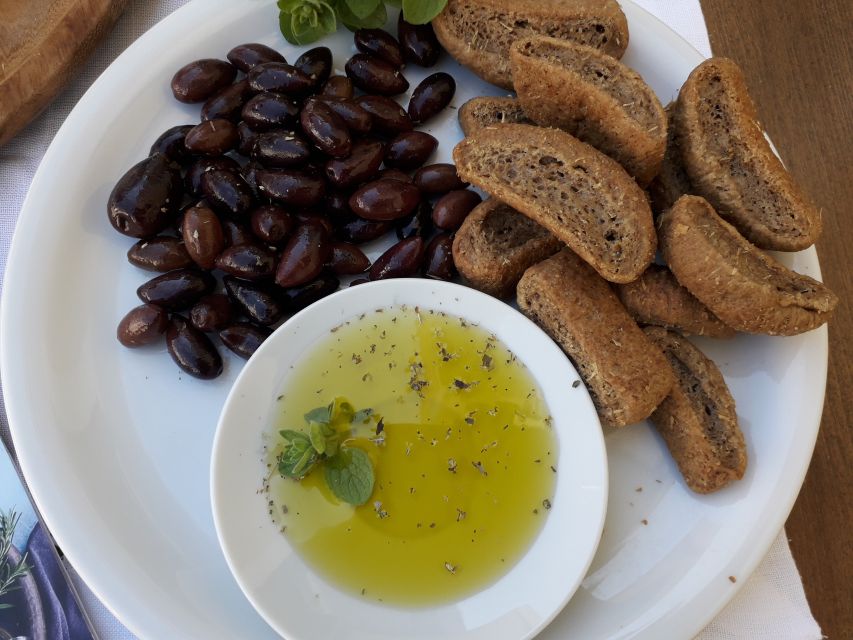
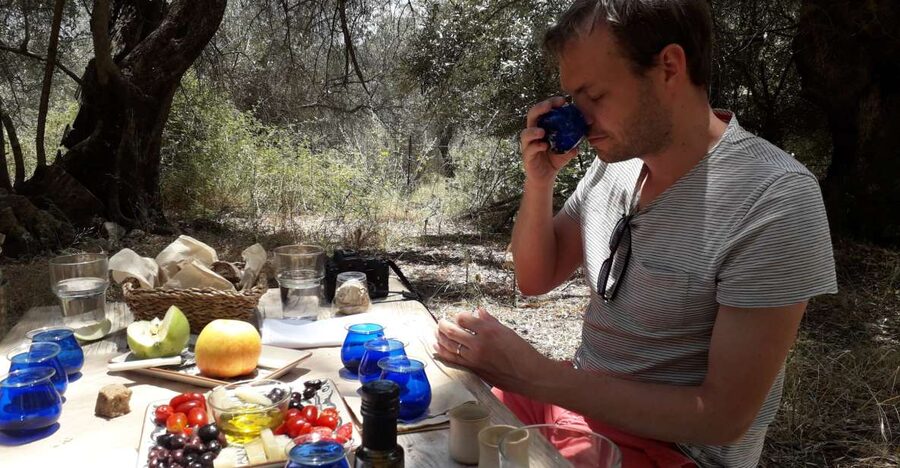
The tasting table is the main event. You sample four different olive oils and receive guidance on how to notice their flavor profiles.
Many people use olive oil without paying attention to its smell, texture, or finish. This session gives you a method. You learn to taste the oil on its own, then compare it with food. That second step matters because an oil that seems excellent by itself may not suit every dish.
The comparison is especially useful for anyone who cooks at home. You learn how to judge an oil before buying it, how to preserve it, and when it is suitable for cooking or frying. Those tips offer more lasting value than simply being told which bottle to purchase.
I would bring a notebook or use your phone for short notes if you care about remembering the differences. Four oils can begin to blur together, particularly once the food arrives. You do not need tasting experience, and the activity is designed to teach beginners how to pay attention.
The session also helps explain why olive oil flavor is not one fixed thing. Different oils can have different aromas and strengths, and food changes the way those qualities come across. You get to judge the pairings for yourself rather than accepting a simple ranking.
A four-course Cretan food pairing
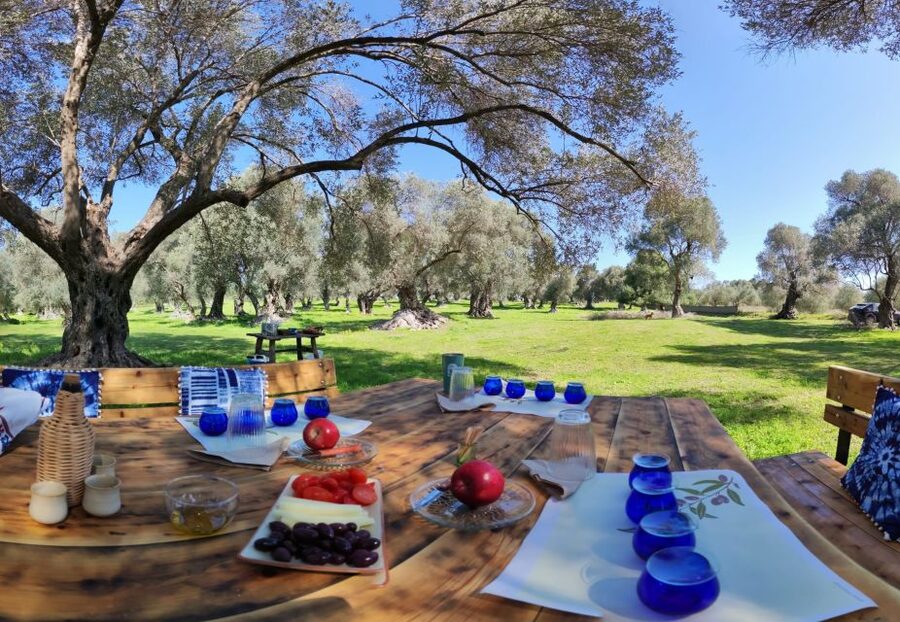
The included meal is a four-course degustation menu using local products and different olive oils. Water, soft drinks, and local spirits are also included.
The food is not just a meal added after the lesson. It is part of the teaching. You try oil with several foods and see how the combination changes the taste. A mild pairing may let the oil come forward, while another food may make the same oil seem too strong or less pleasant.
That makes the meal particularly useful for people who already enjoy cooking. You can take the basic lesson home and apply it to salads, bread, cooked dishes, or other foods. The focus is not on a grand restaurant performance. It is on understanding how olive oil behaves at the table.
Vegetarian options were provided when requested, so mention dietary needs ahead of time rather than waiting until you arrive. The supplied information does not give a full menu, so you should not book expecting a specific list of dishes.
The setting adds to the meal. You eat in the olive grove, with the trees providing shade and the countryside supplying a quieter backdrop than Rethymno’s center. Sheep and goats may be around the grove, and friendly kittens have also been part of the scene. These are pleasant extras, not guaranteed parts of the program.
A few more things to do in Crete worth a look
- Crete: Quad Safari, Olive Mill with Tasting & Ghost Village
★ 4.9 · 1,004 reviews - Chania: Old Town Highlights Guided Tour with Street Food
★ 4.9 · 407 reviews - Crete: Full-Day Cretan Wines, Olive Oil, Raki and Food Tour
★ 5.0 · 264 reviews - Cretan Cooking Class and Olive Oil Tasting
★ 5.0 · 178 reviews
Aspassia’s relaxed teaching style
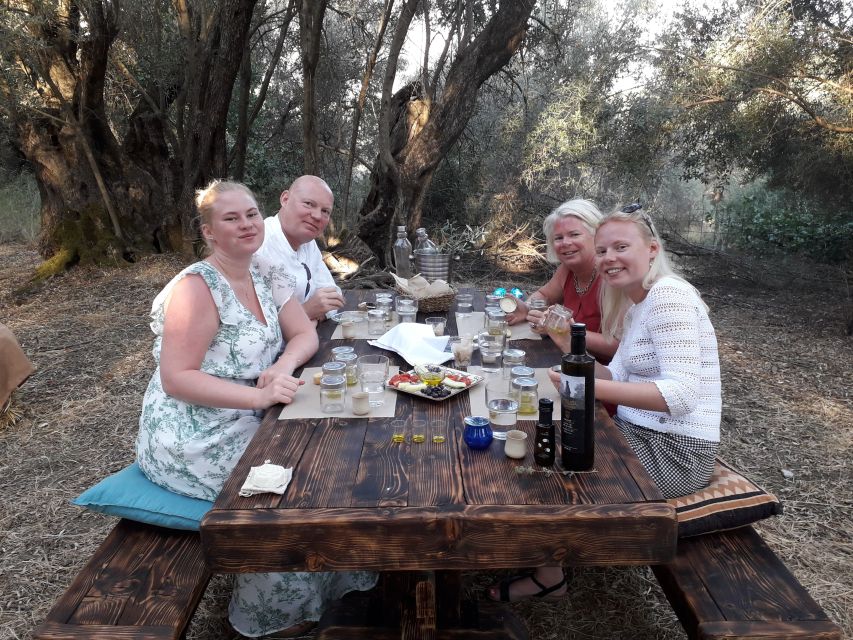
Aspassia is the named host for the activity. The experience is praised for her friendly manner and clear explanations, and that suits a tasting that depends on questions.
You can ask about flavor, storage, cooking, and buying olive oil as the session develops. That is more useful than receiving a fixed speech and being sent away with a bottle. The group size, limited to eight people, should also make it easier to hear and take part.
The activity is offered in English, French, and Greek. Check that your preferred language is available at booking if it matters to you.
The tone is best suited to curious eaters, couples, families, and small groups who want a calm half-day activity. It is not a high-energy excursion, and there is no long list of attractions to rush through. The reward is time among the trees, good food, and a better grasp of something central to Cretan life.
The mosquito warning is worth taking seriously
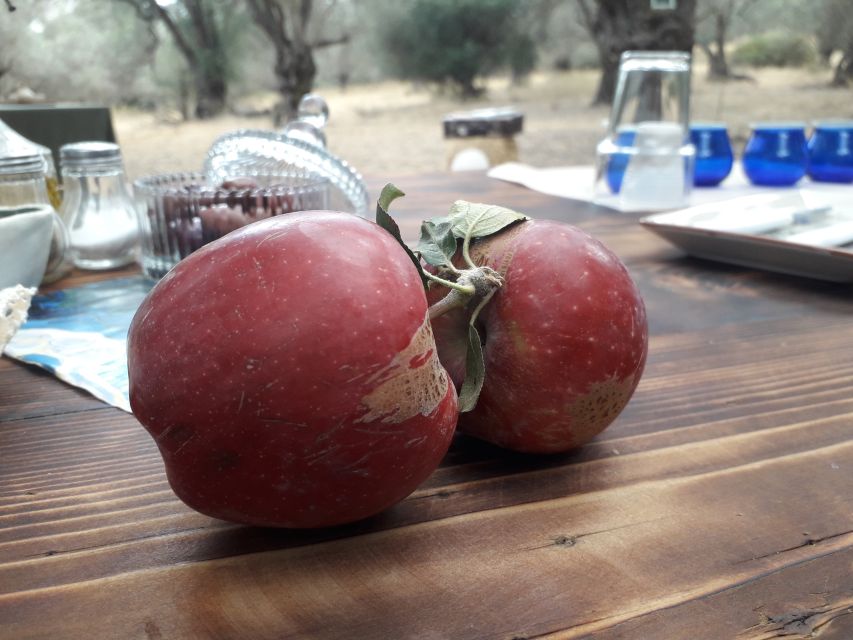
Bring insect repellent. This is the most practical caution attached to the experience.
Mosquitoes were a serious nuisance for some people during the tasting and meal, including in mid-October. The grove is outdoors, and you sit in one place for a while, which can make insects more noticeable than during a moving walking tour.
Wear comfortable shoes, a sun hat, and a light jacket. The hat helps during the walk and the jacket is useful if the evening becomes cool. Repellent belongs on that list even though it is not included in the official packing advice.
Because the activity is outdoors, your comfort can affect how much you enjoy the food and discussion. A small amount of preparation makes a real difference here.
Getting to the grove from Rethymno
The meeting point is at the Valide Cooking Activities Building. From there, you drive directly to the olive grove, and the activity ends back at the same meeting point.
A requested transfer is not included. If you have a car, the process should be fairly simple, and free parking is available opposite the Valide building at the football stadium for short-term parking.
If you are staying in Rethymno without a car, plan your transport carefully. The meeting point itself may require attention, and one person had trouble finding it before contacting the host. Aspassia responded quickly, but it is better to check the map link and allow extra time.
A taxi is another option. People staying in Chania have used taxis to reach the meeting point and return, but you should arrange and price that separately. The activity price covers the tasting and food, not your requested transfer.
Is $107 a fair price?
At $107 per person, this is not a cheap olive oil sample. It is also more than a quick market tasting or a simple meal.
The value comes from the full three-hour format. You receive a guided walk in a very old grove, a cultural explanation of olive oil in Crete, instruction on tasting and kitchen use, four oils to compare, and a four-course food pairing. Water, soft drinks, and local spirits are included as well.
I think the price makes more sense if you see this as a food and culture experience rather than a product demonstration. You are paying for the setting, the host’s time, the meal, and the chance to understand what you are tasting.
It may feel expensive if you mainly want to sample one or two oils or if you already know how to evaluate and cook with them. It is also not the right choice if you want a full technical lesson inside an olive oil mill.
For someone who values local food, small groups, and a quiet setting, the cost is reasonable. The practical buying and storage advice can remain useful long after the meal is finished.
Who should book this experience?
I would recommend it to you if you enjoy food with a clear connection to place. It works especially well for visitors who want a break from archaeological sites and busy town streets without giving up cultural substance.
It also suits:
- First-time olive oil tasters
- Home cooks who want practical buying and storage advice
- Couples and families looking for a calm outdoor activity
- Visitors interested in Cretan history and food traditions
- Small groups who prefer a personal guide
- Vegetarians who arrange suitable food in advance
You may want to skip it if you dislike outdoor dining, have a strong insect aversion, or want a detailed mechanical account of extraction. The activity explains harvesting and production, but its main focus is tasting, food pairing, culture, and everyday use.
The wheelchair-accessible designation is useful for planning, though you should confirm any specific mobility needs with the provider before booking because the activity takes place in an olive grove.
Booking details that matter
The experience is offered with free cancellation up to 24 hours before the start time, and you can reserve now and pay later. Check the available starting times because the schedule is not fixed in the information provided.
The group is limited to eight participants. That is a good size for a tasting because you can hear the explanations and ask questions without the table becoming crowded.
Wear comfortable shoes, a sun hat, and a jacket. Add mosquito repellent, and take the meeting-point map seriously. The activity begins and ends at the Valide Cooking Activities Building, not at the grove itself.
Should you book the olive oil tasting?
Book it if you want to understand Cretan olive oil through a real grove, a shared meal, and practical tasting advice. The quiet setting, four-course pairing, and personal guidance from Aspassia give the activity more substance than a quick sample at a shop.
Think twice if you want a mill tour, a detailed study of extraction machinery, or a low-cost food stop. Also prepare for mosquitoes and arrange your own transport if needed.
For most food-focused visitors staying around Rethymno, this is a thoughtful three-hour outing. It gives you a better sense of why olive oil matters in Crete, and it may change how you choose the next bottle in your kitchen.
FAQ
Where does the olive oil experience begin?
You meet the guide in front of the Valide Cooking Activities Building. From there, you drive directly to the olive grove.
Where does the activity end?
The experience ends back at the Valide Cooking Activities Building, the same place where you meet the guide.
How long does the activity last?
The activity lasts three hours. Starting times depend on availability.
How many olive oils will I taste?
You will taste four different olive oils during the tasting session.
Is food included?
Yes. The activity includes a four-course degustation menu pairing local food with different olive oils.
Are drinks included?
Water, soft drinks, and local spirits are included.
Is transportation included?
A requested transfer is not included. You meet at the Valide Cooking Activities Building and travel to the grove from there.
What languages are available?
The activity is offered in English, French, and Greek.
What should I bring?
Bring comfortable shoes, a sun hat, and a jacket. Insect repellent is also a wise addition because mosquitoes may be present in the grove.
Can I cancel the booking?
You can cancel up to 24 hours in advance for a full refund. You can also reserve now and pay later.
More Food in Crete
- Heraklion: Food Tastings Walking Tour
★ 5.0 · 136 reviews - Heraklion: Ecobike Tour with Food tasting
★ 5.0 · 30 reviews - Greek Food Walking Tour in Athens
★ 5.0 · 4,740 reviews - Athens: Street Food Tasting Tour
★ 4.9 · 2,557 reviews
Just added in Crete
- Chania: 7 Villages of Apokoronas Tour with Lunch★ 4.7 · 289 reviews
- Heraklion: Self-Driving 4X4 Jeep Off-Road Tour with Lunch★ 4.6 · 26 reviews
- Crete: Samaria Gorge Hike★ 4.4 · 201 reviews
- Samariá Gorge Hike: Day Excursion from Chania★ 4.4 · 49 reviews
- Rethymno: Old Town Walking Tour with Meal★ 4.9 · 73 reviews
- Rethymno: Old Town Segway Tour★ 4.9 · 39 reviews
- Rethymno: Pirate Boat Cruise with Swimming Stops★ 4.1 · 255 reviews
- From Rethymno: Lake Kournas and Villages Full-Day Tour★ 4.4 · 45 reviews
Olive Oil Tasting Tours, compared.

Knossos-Zeus Cave -Old Traditional Villages-Olive Oil Factory
Read our review →
The Governor’s Olive Mill Tour with Olive Oil Tasting
Read our review →

Zeus Cave, Lassithi Plateau, Olive Oil Factory, Kritza, Pottery
Read our review →
Full-Day Cretan Wines, Olive Oil, Raki and Food Tour
Read our review →
Browse the lists this tour appears in