
Reviewed · COOKING CLASSES
Athens: Kerameikos Stone House Cooking Class
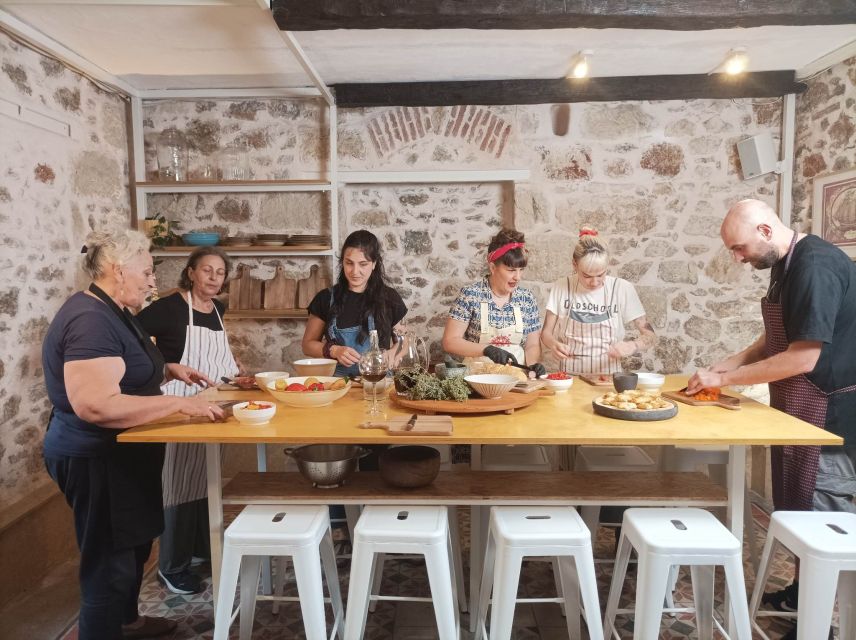
The best part of this Athens cooking class is the setting: you leave the city streets and enter a 1920s stone house with a shaded garden, a working kitchen, and a family connection to the recipes. The class focuses on Cretan and Peloponnese cooking, so you learn food meant for a Greek home table, not just a dish designed for tourists.
I like the short market visit on Tuesdays, when you help choose fresh ingredients right outside the house. I also like the generous menu: six dishes, local wine, and recipes to take home for $106. The main consideration is that this is a relaxed homestyle lesson rather than a formal chef school. You may not watch every step of every dish, and the menu can change with the season.
Key points at a glance
- A real home-style setting: Cook inside a restored stone house and eat beneath the garden trees.
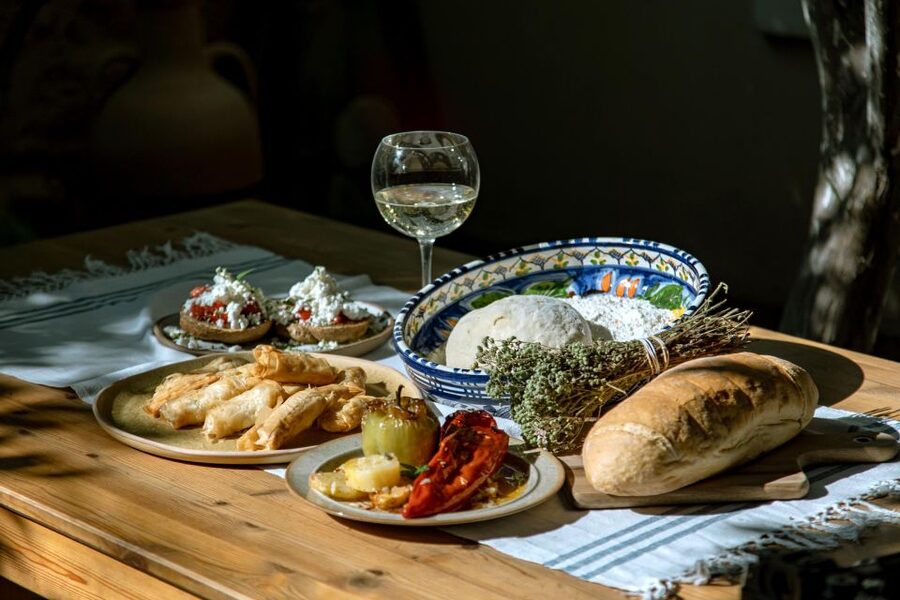
- Six vegetarian Greek dishes: The usual menu includes yemista, spinach cheese rolls, Cretan ntakos, kagiana, tzatziki, and loukoumades.
- A Tuesday market stop: Spend about 15 minutes choosing produce and other ingredients from the farmers’ market outside.
- Friendly small-group teaching: Elena, Kostas, Vasilis, and their assistants give hands-on help and share family stories.
- A substantial meal with wine: You eat what you prepare, with wine from local producers included.
- Useful take-home value: Recipes arrive in digital form, often through a QR code, so you can recreate the meal at home.
Why this Kerameikos cooking class feels different
Kerameikos is a central Athens neighborhood known for its bars and restaurants, but Mama’s Roots offers a quieter experience behind a street front. You meet at the stone house, then settle into a place that feels more like a family home than a standard cooking studio.
That matters because the class is built around hospitality. You are not simply shown how to assemble a recipe and sent to a table. You chop, stir, shape, season, and help prepare the meal with the rest of the group.
The instructors vary. Elena is the daughter and teacher who has led many sessions, while Kostas and Vasilis, also called Billy, have hosted other classes. Assistants such as Gianna and Maria may help with the preparation. The teaching style is warm and practical, with stories about Greek ingredients, family cooking, and the connection between food and place.
I would not choose this experience if you want a highly technical lesson with one instructor giving a formal demonstration at every stage. I would choose it if you like learning by doing, asking questions, and sharing a meal with people you have just met.
More Cooking Classes in Athens
- Athens: Classic Cooking Class with Market Visit and Wine
★ 5.0 · 1,101 reviews - Athens: Food Market Visit and Cooking Class with Wine
★ 4.9 · 1,087 reviews - Greek Cooking Class in Athens Including Rooftop Dinner with Acropolis View
★ 5.0 · 826 reviews
The Tuesday market visit outside the house
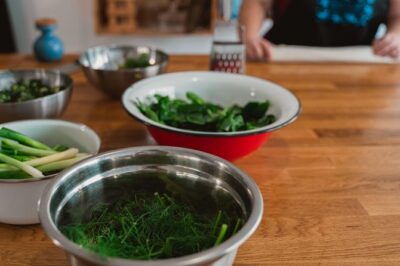
If you book a Tuesday session, the class begins with a short visit to the farmers’ market directly in front of Mama’s Roots. It takes about 15 minutes, so this is not a full market tour or a long food walk. Instead, you help select some of the ingredients that will soon appear on your table.
This small detail gives the meal more meaning. You see the vegetables before they are washed and chopped, and you get a glimpse of how food shopping works in the neighborhood. The ingredients are not just anonymous items brought into a classroom.
The market visit depends on the day. On other days, you still work with fresh vegetables, herbs, and pantry ingredients, but you may not have this shopping step. If the market matters to you, choose a Tuesday departure when availability allows.
The market is also useful for understanding the food. Greek cooking often depends on simple produce treated well, rather than complicated sauces or long ingredient lists. Fresh tomatoes, peppers, spinach, herbs, olive oil, and cheese do much of the work.
Cooking six dishes in a family kitchen
The menu usually covers six traditional dishes, and the food is vegetarian. That makes the class a good fit for vegetarians, but you should still check the current menu if you have strict dietary needs because the selection can change with seasonal availability.
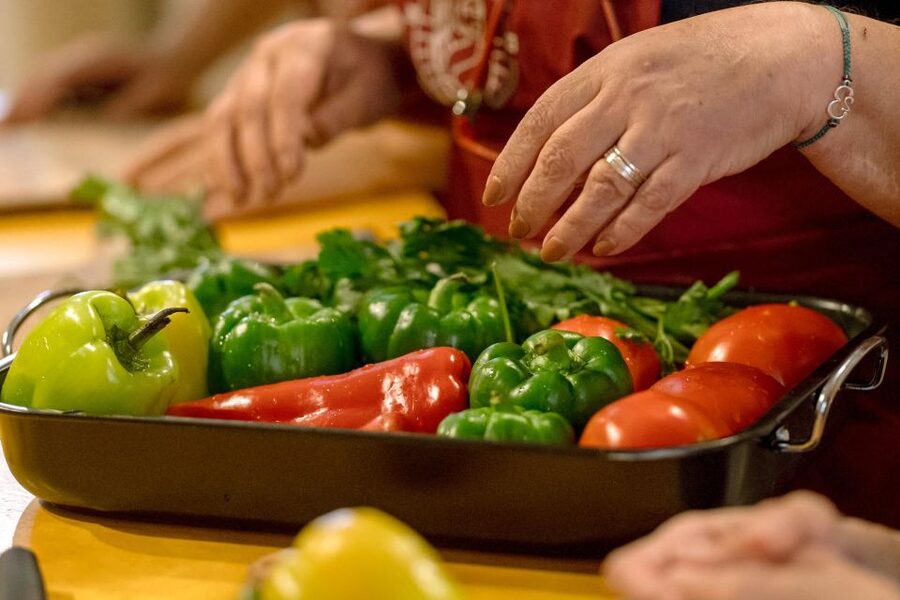
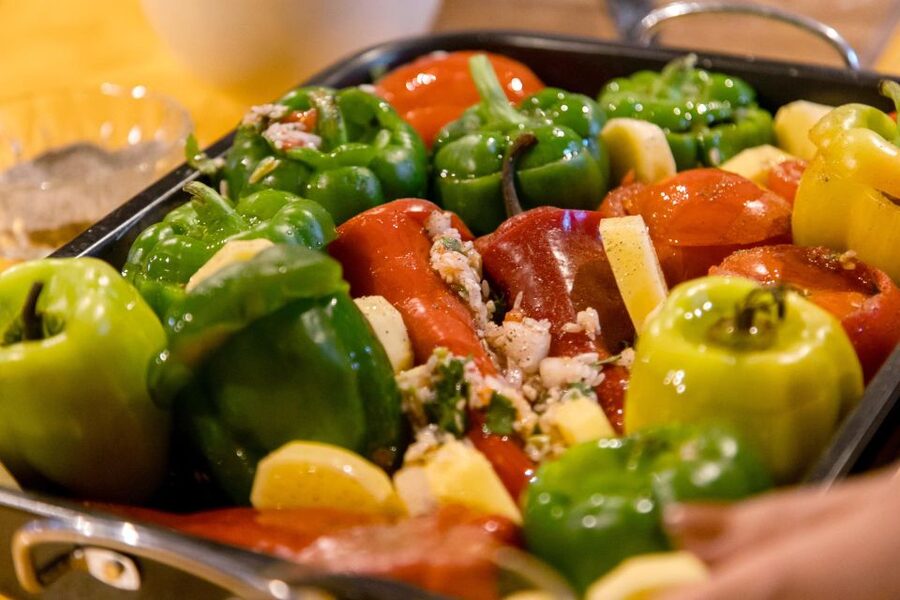
Yemista
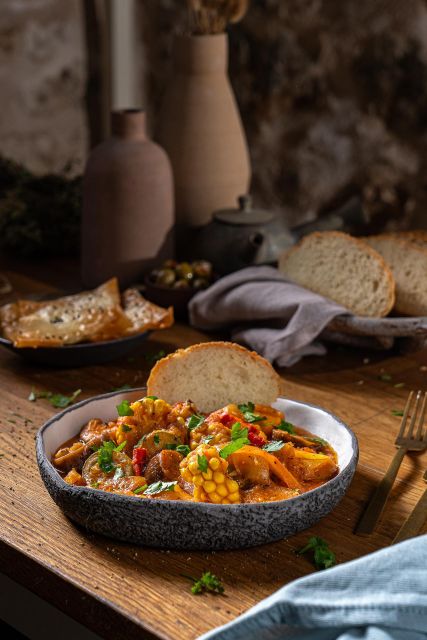
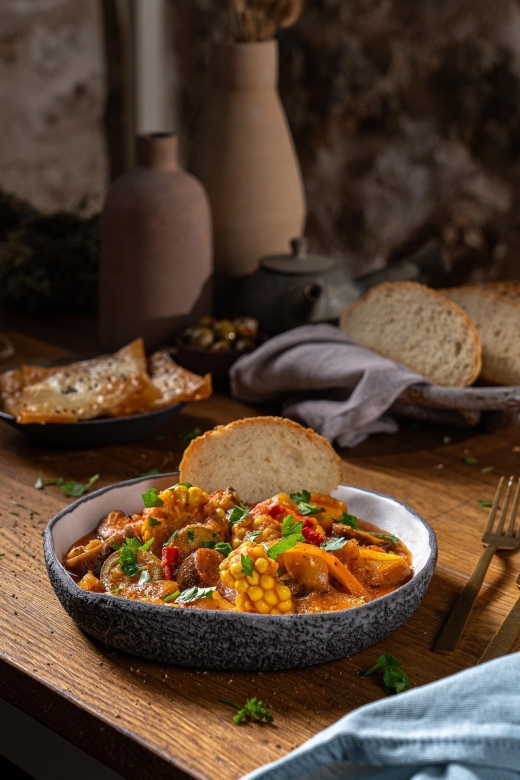
You prepare tomatoes and peppers stuffed with rice, fresh vegetables, herbs, and extra virgin olive oil. This is a classic Greek home dish, and it shows how a few everyday ingredients can become a filling main course.
The work is not just about following measurements. You learn how the filling comes together and how the vegetables are prepared for the oven. It is the sort of recipe that can work well at home because it is familiar, adaptable, and suited to a shared table.
Other classes where you cook in Athens:
- Greek Small-Group Athens Cooking Class & Dinner
★ 5.0 · 574 reviews - Athens: Greek Cooking Class & Dinner on a Rooftop
★ 5.0 · 383 reviews - Athens: Greek Cuisine Cooking Class and 3-Course Dinner
★ 4.8 · 270 reviews - Traditional Greek cooking class and lunch or dinner with an Acropolis view
★ 5.0 · 250 reviews
Spinach cheese rolls
The spinach cheese rolls use fresh spinach, feta, herbs, and phyllo dough. You shape the mixture into small pies before they are baked until crisp.
This was often the group favorite for good reason. Phyllo gives you an immediate lesson in texture, and the combination of salty feta, greens, and herbs is easy to understand once you make it yourself. The rolls are also practical party food, so you can use the recipe long after your Athens visit.
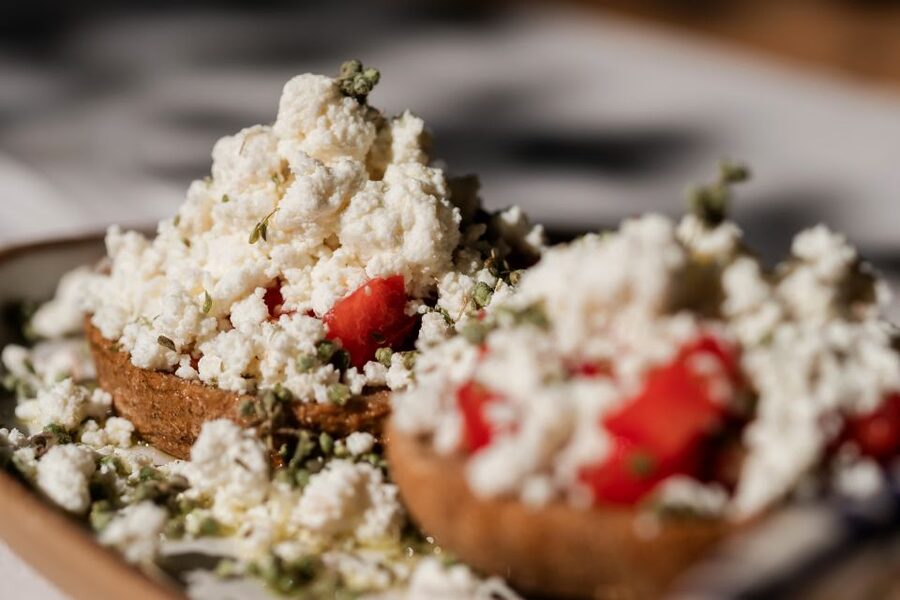
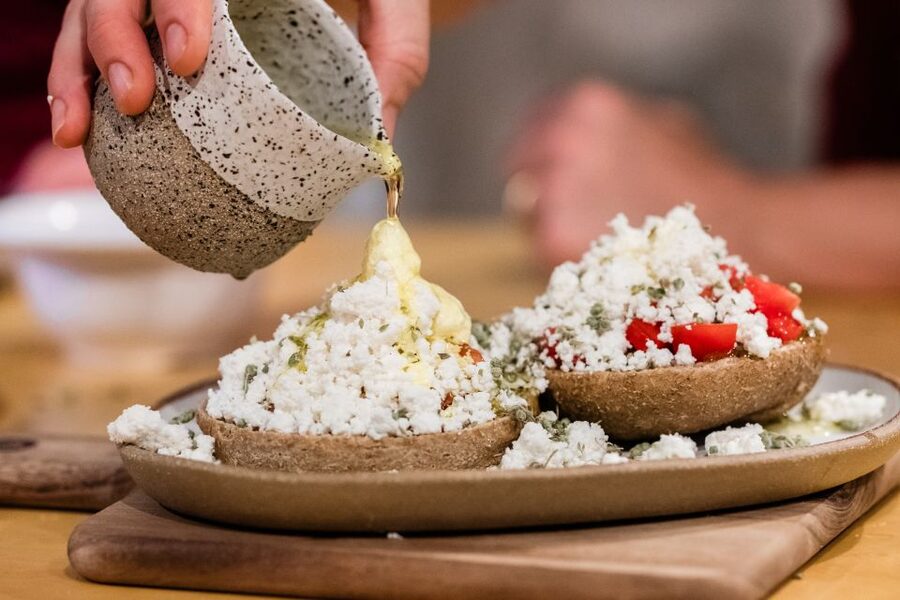
Cretan ntakos salad
Ntakos is built around crunchy barley rusks softened with olive oil and topped with diced tomato, capers, oregano, and sour mizithra cheese. It is a Cretan dish with a strong contrast of crisp bread, juicy tomato, salty capers, and creamy cheese.
I like this part of the menu because it goes beyond the standard Greek salad many visitors already know. You learn how a preserved bread base becomes a complete dish when paired with ripe produce and good olive oil.
Kagiana
Kagiana is Greek scrambled eggs made with grated tomatoes, peppers, and feta cheese. It is simple enough for breakfast or a quick supper, and it is one of the easiest recipes to repeat at home.
One participant still made the egg dish months after returning home. That is a good sign for anyone looking for useful cooking instruction rather than a recipe that requires special equipment or rare ingredients.
Tzatziki
The class also covers tzatziki, the familiar sauce made from yogurt, cucumber, garlic, and herbs. The lesson explains the basic balance of ingredients and how quickly it can come together.
This is one of the most practical takeaways. You can use tzatziki with vegetables, bread, or other meals, and the method is simple enough to remember. The class gives you a chance to make it fresh rather than relying on a prepared version.
Loukoumades
Loukoumades are small round doughnuts served with honey and cinnamon. They provide the sweet finish to a meal that otherwise focuses on vegetables, grains, eggs, cheese, and herbs.
The dessert may not be demonstrated from beginning to end in every session. At least one participant would have preferred to see the full preparation rather than eat it while the main meal was being served. If dessert technique is your chief interest, keep that limitation in mind.
A hands-on lesson, not a cooking show
The strongest reason to book this class is participation. The instructors divide the tasks so that people can help with different parts of the meal. You may be rolling phyllo, mixing filling, preparing vegetables, or working on the sauces.
The pace is generally unhurried. The session lasts about three to three and a half hours, which gives time for cooking, conversation, and the final meal. I like that length because a six-dish menu needs room to breathe. A shorter class would likely feel rushed.
The teaching also includes cultural context. Elena, Kostas, and Vasilis explain ingredients, cooking methods, and family traditions as you work. They also share recommendations for other things to do in Athens, which can be useful if this is early in your visit.
The class works well for people with different levels of kitchen experience. Beginners can follow clear steps, while confident cooks still get a chance to ask about technique and ingredients. Families have also attended with children and adults ranging from about age seven to fifty.
Still, this is a shared kitchen. You will not have your own private workstation for every recipe, and the exact amount of hands-on time can depend on group size. The small-group format helps, but a very busy session may mean sharing tasks.
Eating beneath the trees in Kerameikos
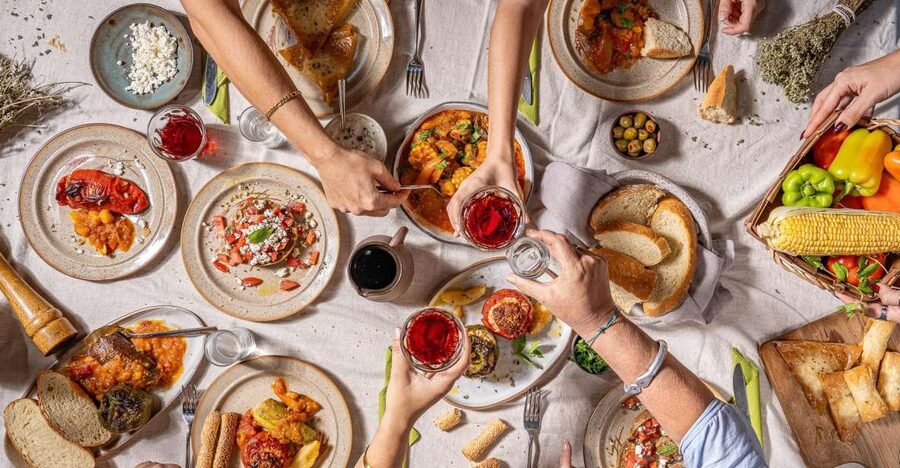
After the cooking, you sit down to eat the meal in the garden. The outdoor setting is one of the class’s best features, with shade, greenery, and a welcome break from the hard surfaces of central Athens.
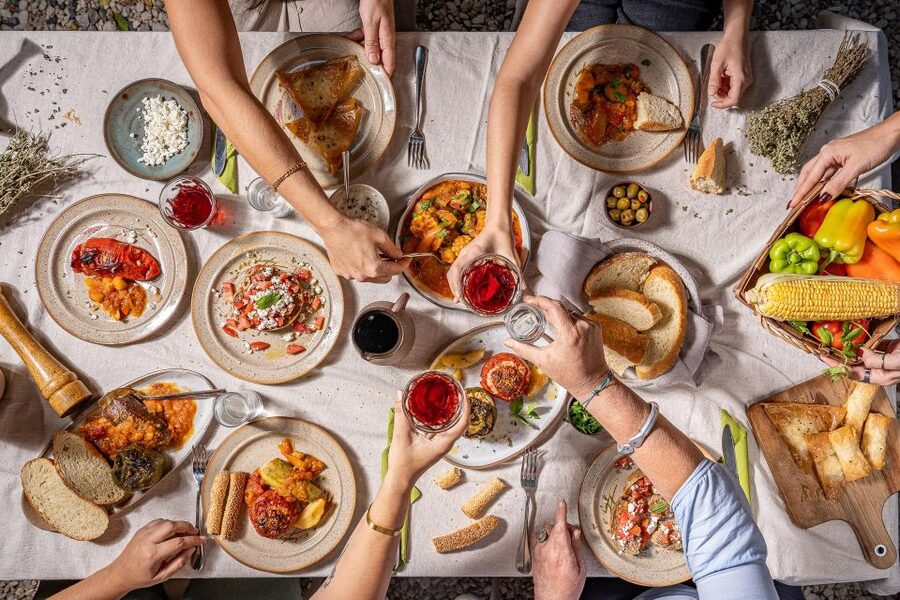
The garden meal changes the mood. You are no longer watching a demonstration or completing a task. You are sitting with the people who helped prepare the food, passing dishes around, and tasting the results together.
Local wine is included. The amount and flow of wine can vary by session, but it accompanies the meal rather than functioning as a separate tasting. Fresh lemonade and other small touches have also been offered at some classes.
In hot weather, the meal may take place indoors with air conditioning instead. That is not a drawback. Athens can be very warm, and a cool dining area may be more comfortable than sitting outside during the hottest part of the day.
Expect plenty of food. Six dishes make this more than a light snack, and leftovers may be packed for you if there is too much to finish. One instructor helped a couple take food with them so nothing went to waste.
The people make the meal
The instructors receive the most praise for warmth, patience, and humor. Elena is often described as attentive and encouraging, with a habit of explaining why an ingredient is used rather than simply telling you to add it.
Kostas is another strong teacher for guests who like careful, step-by-step guidance. Vasilis, or Billy, brings a lively style and keeps the group talking while the food is prepared. The particular host matters because this is a personal experience, not a large operation with an identical performance every time.
The social side is important. You may cook with a couple from Australia, a family from the United States, or a small group from several countries. The shared meal gives everyone an easy reason to talk, and many people leave with new friends as well as recipes.
If you prefer complete privacy, this is not the best match. The experience depends on joining a group and eating together. For solo visitors and couples, though, the format is a good way to meet people without committing to a full-day tour.
What you receive for $106
At $106 per person, the class costs more than simply ordering a vegetarian meal at an Athens taverna. The comparison is not quite fair, though. Your price includes three to three and a half hours of instruction, six dishes, the meal, local wine, the house setting, and digital recipes.
You also get a memory that a restaurant cannot provide: you learn how the dishes are put together and why the ingredients matter. If you cook even two or three recipes at home, the value improves.
The class is especially good value for people who already enjoy food-focused activities. A meal alone might cost less, but it would not include the market visit, hands-on work, or instruction. Families and couples may also find the shared experience more worthwhile than spending the same money on another standard dinner.
The value is weaker if you dislike group activities, do not eat vegetarian food, or want advanced culinary training. In those cases, the price may feel high for a relaxed introductory class.
Getting there and planning your visit
Mama’s Roots is in central Kerameikos. One person described it as about a 20-minute walk from Monastiraki, making it easy to pair with time in the central city.
The house can be easy to miss because it sits on a back street rather than presenting itself as a large cooking school. Give yourself enough time to find the meeting point, especially if you are walking from another part of central Athens.
The duration is three to three and a half hours, and starting times vary by availability. I would avoid scheduling a major museum visit or a timed attraction immediately afterward. The meal can run at a comfortable pace, and you may want time to browse the small shop before leaving.
Mama’s Roots also sells handmade pottery, jewelry, art, and other items from local makers. This is not part of the cooking fee, and stock can vary, but it gives you a chance to take home something other than a recipe.
Free cancellation is available up to 24 hours before the class, and you can reserve without paying immediately. Those terms are useful if your Athens plans are still shifting.
Who should book this experience?
I would recommend it to couples, families, solo visitors, and anyone who wants a friendly food experience with real participation. It is particularly suited to people who like learning simple recipes they can use at home.
Vegetarians should find the usual menu especially appealing. The cooking is also a good fit for beginners because the dishes rely on approachable methods rather than advanced kitchen skills.
I would be more cautious if you have severe food allergies or require strict dietary control. The menu includes dairy, eggs, wheat, yogurt, and other common ingredients, and the menu may change. Ask ahead about your needs.
I would also set expectations about directions and communication. One person found the directions difficult, and another did not receive the expected recipe information after the class. Most people receive the recipes digitally, often by scanning a QR code, but confirm the process before you leave.
Should you book the Mama’s Roots cooking class?
Book it if you want to spend an afternoon cooking simple Greek food in a home-like setting rather than sitting through a polished demonstration. The stone house, garden meal, Tuesday market stop, and warm instructors give the class a strong sense of place.
I especially like that the food is useful. Tzatziki, kagiana, spinach pies, stuffed vegetables, and ntakos are dishes you can actually make again. The meal is generous, the group size is kept small when possible, and local wine is included.
Skip it if you want a private lesson, meat-based cooking, or formal professional training. For most visitors who enjoy food and conversation, though, this is one of the better ways to spend three hours in Athens, and the recipes continue to pay you back after the trip.
FAQ
Where does the Athens cooking class take place?
The class takes place at Mama’s Roots in the Kerameikos neighborhood of central Athens, inside a 1920s stone house with a garden.
How long does the cooking class last?
The activity lasts about three to three and a half hours, depending on the available starting time and the pace of the group.
What dishes do you usually prepare?
The usual menu includes yemista, spinach cheese rolls, Cretan ntakos salad, kagiana, tzatziki, and loukoumades. The menu can change with seasonal availability.
Is the food vegetarian?
The listed menu is vegetarian, including vegetables, cheese, eggs, yogurt, and doughnuts. Ask about current ingredients if you have specific dietary requirements.
Is wine included?
Yes. Wine from local producers is included to accompany the meal.
Do you visit a local market?
On Tuesdays, the farmers’ market takes place outside Mama’s Roots. You usually spend about 15 minutes choosing fresh ingredients for the class.
Are recipes provided after the class?
Yes. Recipes are provided in digital form, often through a QR code.
Is the class suitable for beginners?
Yes. The instructors guide you through the preparation step by step, and the class is designed for both experienced cooks and people new to the kitchen.
Is this a private cooking class?
The experience is offered as a small-group class. The exact group size can vary, and some sessions may be especially small.
Can you cancel the booking?
You can cancel up to 24 hours in advance for a full refund. You can also reserve now and pay later, subject to the booking terms.
More Workshops in Athens
- Athens Airport Private Transfer by Mercedes-Benz E Class Wagon to City Center
★ 5.0 · 232 reviews - Athens Greek Cooking Class Pita Gyros from Scratch with a Local
★ 5.0 · 175 reviews - Athens: Greek Cooking Class with Meal and Drinks
★ 4.9 · 171 reviews - Athens Cooking Class and Lunch in our beautiful garden in Greece
★ 5.0 · 130 reviews
Just added in Athens
- Ceramic and Pottery Creative Workshop with Two Local Artists★ 4.0 · 57 reviews
- Small-Group Women History in Ancient Greece Walking Tour★ 5.0 · 38 reviews
- Athens Old City Private Photoshoot Tour / 2 hrs★ 5.0 · 109 reviews
- Athens: Wine Workshop Create your Own Wine under the Acropolis★ 5.0 · 77 reviews
- Athens: Greek Wines Tasting with Sommelier and Acropolis Views★ 5.0 · 88 reviews
- Wine Trails Private Tour/ Nemea visit 3 wineries from Athens or Nafplion (10 h)★ 5.0 · 44 reviews
- FLYING DRESS Photoshoot in Athens – Greece★ 5.0 · 47 reviews
- Small-Group Wine Tour in Athens with Tasting★ 5.0 · 33 reviews
Cooking Classes, compared.
Classic Cooking Class with Market Visit and Wine
Read our review →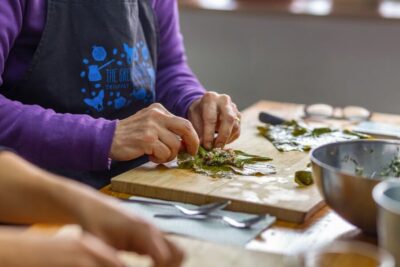
Food Market Visit and Cooking Class with Wine
Read our review →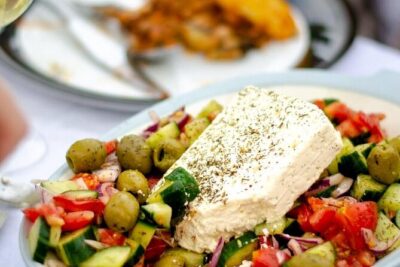
Greek Cuisine Cooking Class in Santorini with Recipes and Wine
Read our review →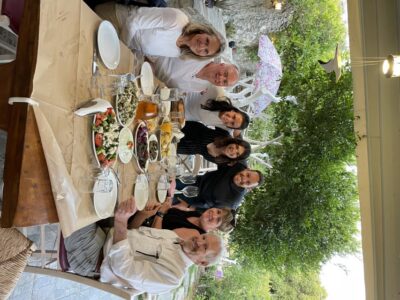
Half-Day Cooking Class at Basiliko Family Tavern
Read our review →
Greek Cooking Class in Athens Including Rooftop Dinner with Acropolis View
Read our review →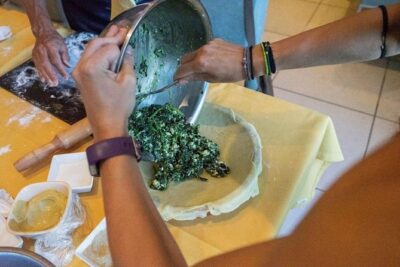
Greek Small-Group Athens Cooking Class & Dinner
Read our review →
Exclusive Cooking Experience in our Cave Home by Petra Kouzina
Read our review →
Authentic Cooking Class in the White Mountains
Read our review →Browse the lists this tour appears in