
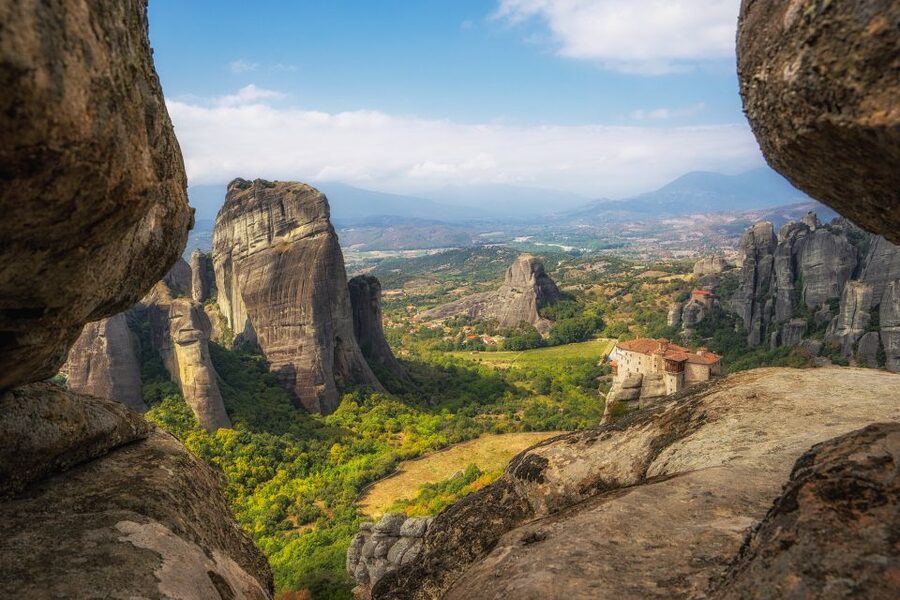
Reviewed · METEORA MONASTERY TOURS
Kalabaka: Meteora Monasteries Minibus Tour with Photo Stops
Meteora’s most striking story begins before the famous monasteries. This tour takes you first to the caves and rocky shelters where hermits arrived about ten centuries ago, then brings you up into the world of the monasteries by comfortable minibus. You get the big views without spending the day climbing between cliffs.
I like the mix of spiritual history and grand scenery. Saint Antonios and the cave of St. George the Mandilas give the cliffs a human story, while the stops near three monasteries let you frame the classic photographs. I also like the practical pace: four hours, air conditioning, and a guide who can explain what you are seeing as the road winds upward.
The main thing to check is the monastery access. Entrance fees are not included, and the guide does not provide commentary inside the monasteries. The tour is excellent for seeing the setting and religious sites, but it is not the same as a full interior tour with a local monastery guide.
Key points to know before you book
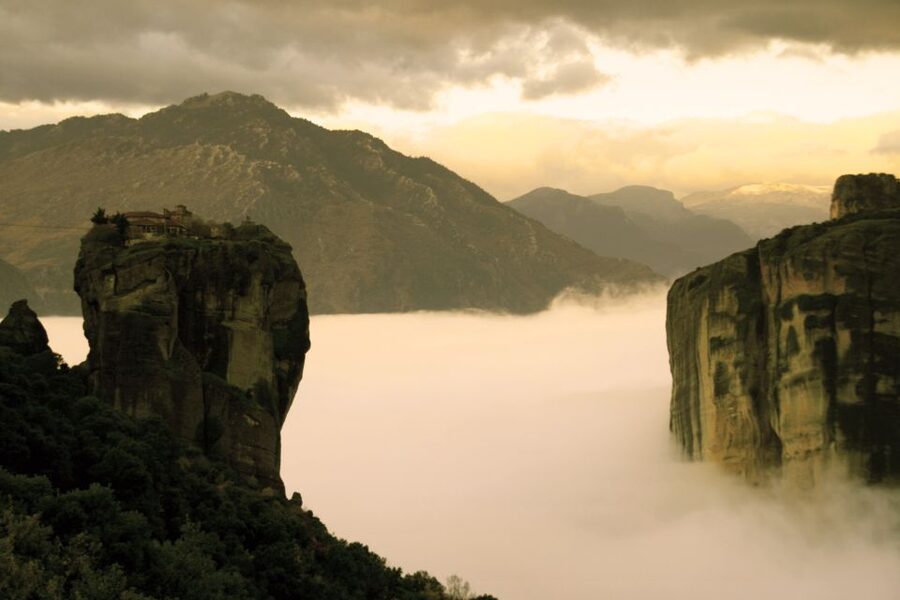
- The route begins with Meteora’s earliest hermit sites: Saint Antonios and the cave of St. George the Mandilas explain how monastic life began here.
- You stop at three monasteries for views and photographs: The minibus saves your legs and makes it easier to cover several sites in a short visit.
- The Byzantine church predates the monks of Meteora: It was built about 300 years before the first monks arrived in the area.
- The $34 price covers transport and a live English-speaking guide: Monastery entrance fees are extra.
- The schedule connects with the Athens train: Meet outside Kalampaka Train Station, with the current timing listed as 13:10 to 16:30.
- Guides and drivers can make a real difference: Ioanna, Joanna, Areti, Andrew, Christina, and drivers such as Nikos and Kostas have led this route.
Why the first stop at Saint Antonios matters
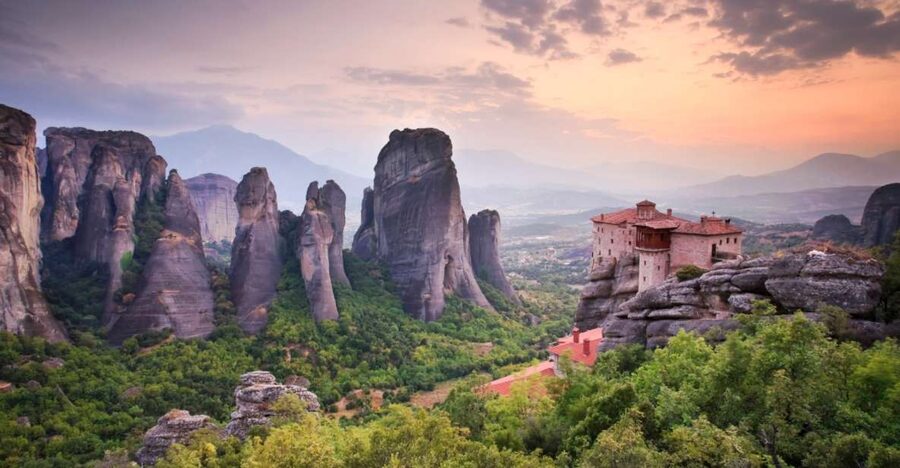
Many people first see Meteora as a collection of monasteries perched on tall rocks. Saint Antonios helps you understand what came before those buildings.
The area’s first hermits sought quiet and isolation in the caves and rock shelters. Their abandoned hermitages remain part of the cliffs, giving you a direct link to the earliest stage of Meteora’s religious life. Your guide explains how these solitary monks laid the groundwork for the monastic communities that came later.
I find this an especially useful opening because it changes the way you look at the monasteries. You are not simply photographing buildings on dramatic rocks. You are seeing the later chapter of a religious tradition that began in much rougher surroundings.
The stop is also a reminder that Meteora is not only about architecture. The cliffs mattered because they offered shelter, separation, and a hard-to-reach place for prayer. Your guide can add context about the ten-century history while you look across the rock formations and old hermit spaces.
Wear shoes you can walk in comfortably. The tour includes walking at stops, even though the minibus handles the demanding road sections.
Other monastery and cliff-top days from Kalabaka:
- Meteora: Morning Half Day Sightseeing and Monasteries Tour
★ 4.7 · 478 reviews - Meteora: Majestic Sunset Tour & Monasteries with Local Guide
★ 4.7 · 359 reviews - Meteora: Panoramic Morning Small Group Tour with Local Guide
★ 4.7 · 334 reviews
St. George the Mandilas and the older religious sites
The route continues to a cave dedicated to Saint George the Mandilas. This is one of the more unusual stops because the religious tradition is tied to a natural cave rather than a formal monastery building.
The cave adds another layer to the visit. You see how faith in Meteora developed around the cliffs themselves, not only within the large monasteries that draw most of the attention. It also gives your guide a chance to explain local religious customs and the way these spaces were used.
The supplied information does not specify how long you spend at each stop, so expect the guide to manage the timing according to the day’s conditions and the group. That is useful on a compact four-hour visit, but it also means you should not expect a long hike or a private exploration of every cave.
You then visit an ancient Byzantine church dedicated to the Virgin Mary. It was built around 300 years before the first monks reached Meteora, making it one of the most valuable historical details on the route.
For me, this church is important because it widens the story beyond the hermits. Religious activity existed in the area before the monastic communities became established. You get a sense of a longer local past instead of treating the monasteries as an isolated attraction.
Three monasteries, viewed without a day of uphill walking
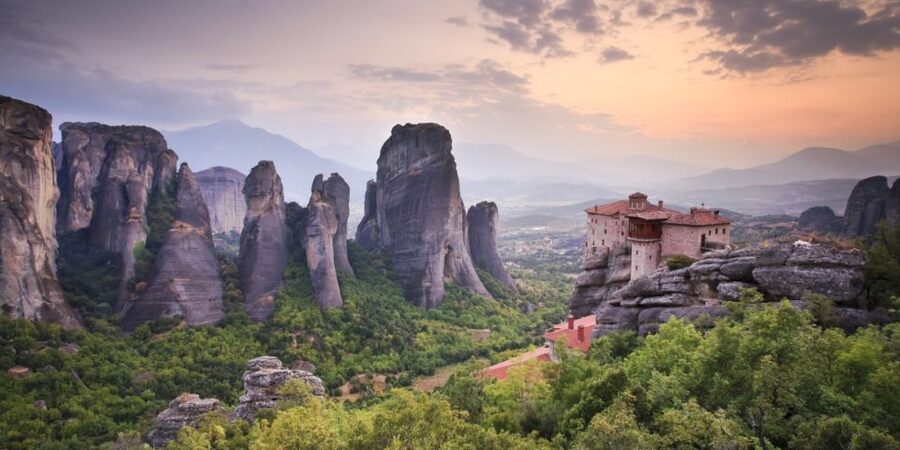
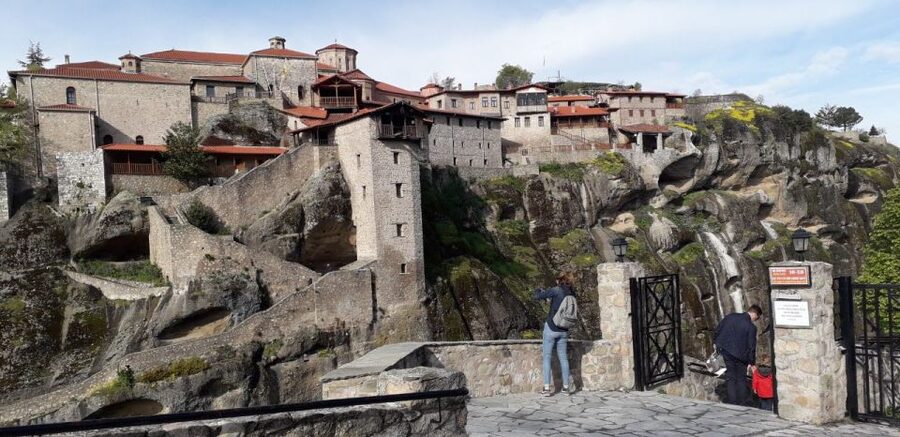
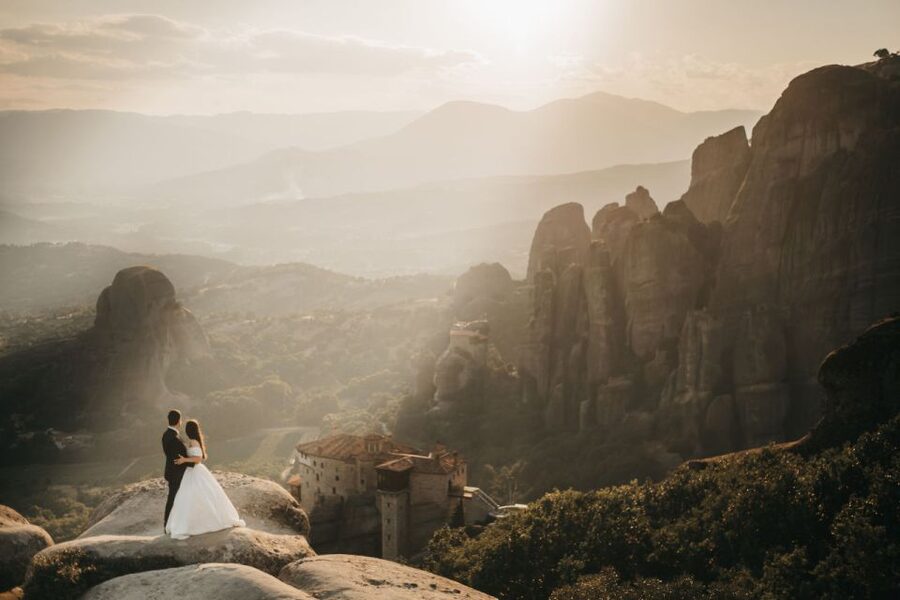
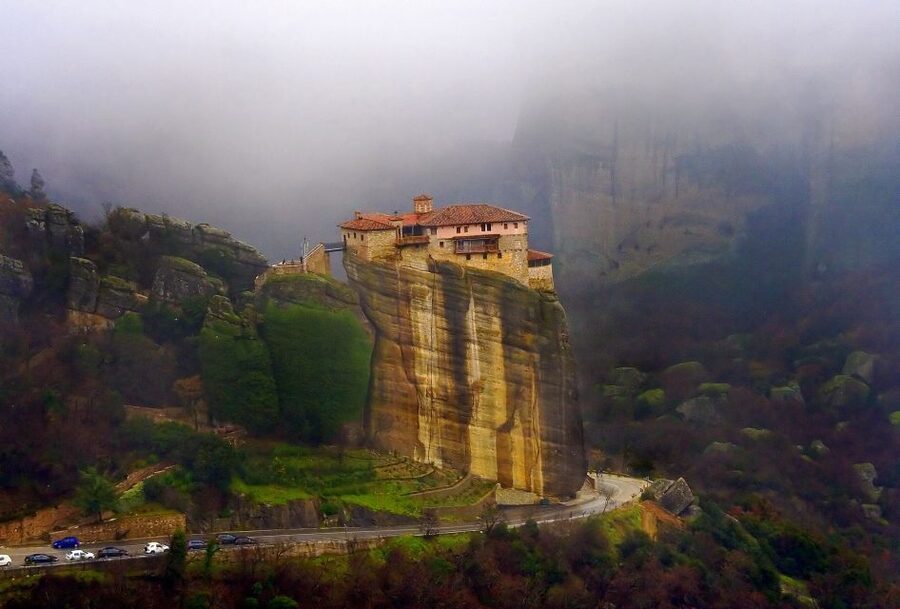
The minibus drives to three Meteora monasteries and stops at viewpoints where you can take photographs. The route is designed to show you the buildings from strong angles, with the cliffs and valleys filling the frame around them.
This is where the tour makes practical sense. Meteora’s monasteries are spread across steep rock formations, and walking between several of them would take far more time and energy. A vehicle lets you cover more ground, especially if you have only one day in Kalabaka or need to return to the train.
The stops are not just quick roadside pauses. You get scenic views on the way, guided sightseeing, and time to walk at selected points. The exact length of each stop can vary, but the overall route allows you to see three monasteries while also visiting the older religious sites.
You should understand the distinction between viewing a monastery and touring its interior. Entrance fees are not included in the $34 price, and your tour guide does not guide you inside. If the day’s plan allows entry, you pay the relevant admission separately and follow the monastery’s own visitor arrangements.
Past bookings describe the route as including access to three monasteries, but the formal inclusions only cover the guide and minibus. I would treat the exterior viewpoints as the certain part of the experience and confirm current interior access and fees before booking if going inside is essential to you.
What the minibus adds to the experience
The vehicle is air-conditioned, which matters in the warmer months when you move between exposed viewpoints and steep rock sites. You can cool down between stops instead of spending the whole afternoon walking on roads and paths.
The group size can be small. One booking had only three people, and another described a group of two plus four other people. The activity does not promise a fixed group size, but these examples suggest you might get a fairly personal outing rather than a large coach tour.
A good driver also helps on a route like this. Nikos, Kostas, and other drivers have been praised for safe driving, finding photo points, and helping take pictures. Do not count on every driver acting as a photographer, but it is worth asking if you want a group shot at a viewpoint.
The guide’s role is more than reading out dates. Ioanna, also written as Joanna in one account, has led the tour with explanations about history, art, and culture, along with practical advice about stairs and the order of monastery visits. Areti has guided groups with historical details and local trivia, while Andrew has been noted for clear English and an easy sense of humor.
Guide assignments can change, of course. Still, the repeated pattern is useful: this tour works best when you want the setting explained rather than simply transported to a viewpoint.
Same base, a completely different day:
- Athens: Guided Tour to Meteora Monasteries & Hermit Caves
★ 4.7 · 211 reviews - Kalabaka: Meteora Small-Group Hiking Tour w/ Monastery Visit
★ 4.9 · 205 reviews - From Kalabaka/Kastraki: Meteora Monasteries Morning Tour
★ 4.8 · 178 reviews - Meteora: Sunset Small Size Tour with Monastery & Caves visit
★ 4.9 · 171 reviews
A compact four-hour schedule from Kalabaka
The meeting point is outside the entrance to the train station in Kalampaka, also commonly written as Kalabaka or Kalambaka. The tour is arranged to begin after the train from Athens arrives, which makes it a practical choice for a same-day visit.
The current schedule says 13:10 to 16:30 because of temporary changes to Hellenic Trains. Check the departure time when you book, since train and tour timing matter here. A late train could cut into a short afternoon route.
From the station, you board the air-conditioned minibus and begin the scenic drive toward the Meteora sites. Saint Antonios comes early, followed by the cave of St. George the Mandilas, the Byzantine church, and the monastery viewpoints.
The tour ends back at the same station. That return point is convenient if you are continuing by rail, but you should still leave yourself a margin if you have a separate train or other fixed connection. The listed finish is 16:30, not a promise that every day will run to the minute.
The four-hour length is one of the tour’s strongest features. You can see a great deal without giving up a full day. The tradeoff is that the route cannot offer long visits at every monastery, extended hikes, and detailed interior explanations all at once.
Is $34 good value?
At $34 per person, the price is sensible if you value transport and a guide. You are paying for a four-hour minibus route, an English-speaking guide, the drive up into Meteora, several scenic stops, and historical context at sites that would be difficult to connect efficiently on foot.
The cost does not cover monastery admission. That is easy to overlook, so add those fees to your budget if you want to enter. It also does not include a guide inside the monasteries, so you may hear the outside history from your tour guide and then explore the interiors on your own.
I would compare the price with the effort required to arrange transport independently. Meteora’s roads, steep rocks, and scattered monasteries make a vehicle valuable. You could save money by walking in some circumstances, but you would spend more time and energy and might see fewer sites.
The value is strongest for a first visit, a short stay, or a rail-based day trip from Athens. It is less compelling for someone who already has a car, wants long hikes, or plans to spend several days studying each monastery at leisure.
What to bring and how to dress
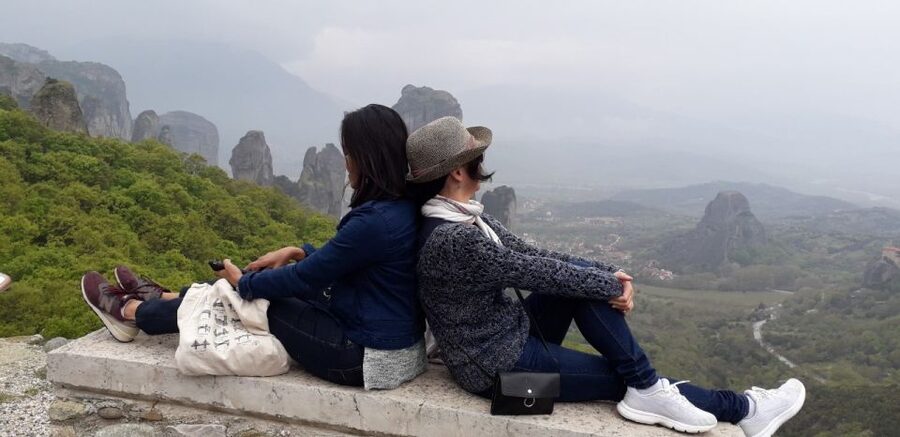
Bring comfortable shoes. The tour includes walking at religious sites and viewpoints, even though it does not require a long mountain hike.
Comfortable clothing is sensible, particularly because you may move between the minibus, open viewpoints, caves, and church grounds. Bring a camera, since the route is built around views of three monasteries and the rock formations.
Food is also listed among the recommended items to bring. The tour lasts four hours, and no meal is included. Carrying something small means you are not relying on finding food during the route.
If you want to enter a monastery, check its current clothing expectations and admission rules before the day of the tour. The provided details do not list those rules, but religious sites can have their own requirements.
Who will enjoy this route most?
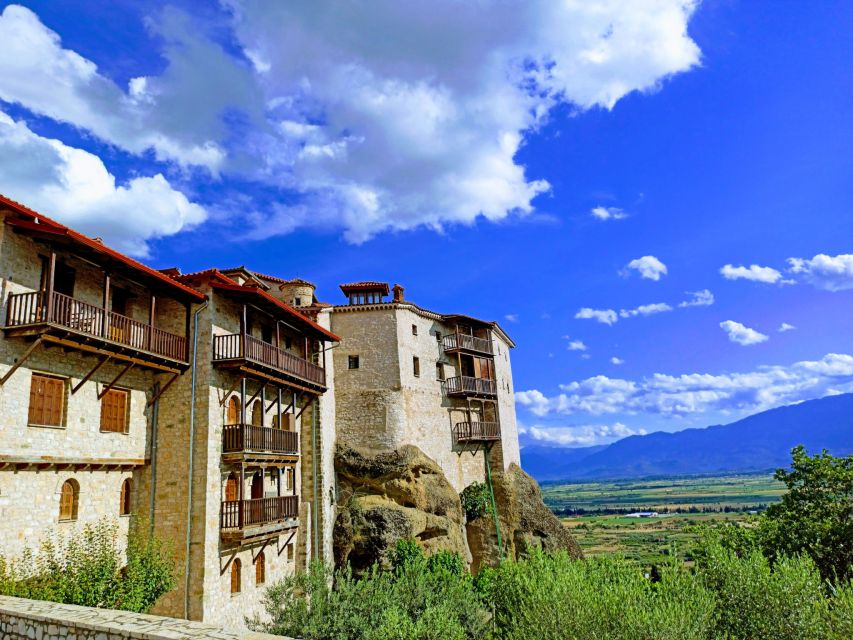
I would choose this tour if you want a clear introduction to Meteora without organizing a car. It suits you especially well if you are arriving by train, have one afternoon, and want to see both the famous monasteries and the earlier hermit sites.
It also suits photographers. You get several planned photo stops, scenic views on the drive, and drivers who know where to pause for strong angles. You will have more chances for photographs than on a simple point-to-point transfer.
The route can also work for families or older visitors who would find a full day of walking tiring. One guide and driver adjusted the plan when a mother developed leg trouble after the first monastery, using sites with fewer stairs. That kind of flexibility is valuable, though you should not assume every stop will be step-free.
The listing gives mixed accessibility information. It says the activity is wheelchair accessible, but it also says it is not suitable for wheelchair users. Contact the provider before booking if you use a wheelchair or have serious mobility limits. Ask about the minibus, steps, cave access, church access, and monastery viewpoints rather than relying on the general label.
I would skip this tour if your main goal is a long, quiet hike or detailed interior study. The minibus reduces the walking, but it also keeps the day moving. The guide provides information around the sites, not a dedicated tour inside each monastery.
The guide can shape the day
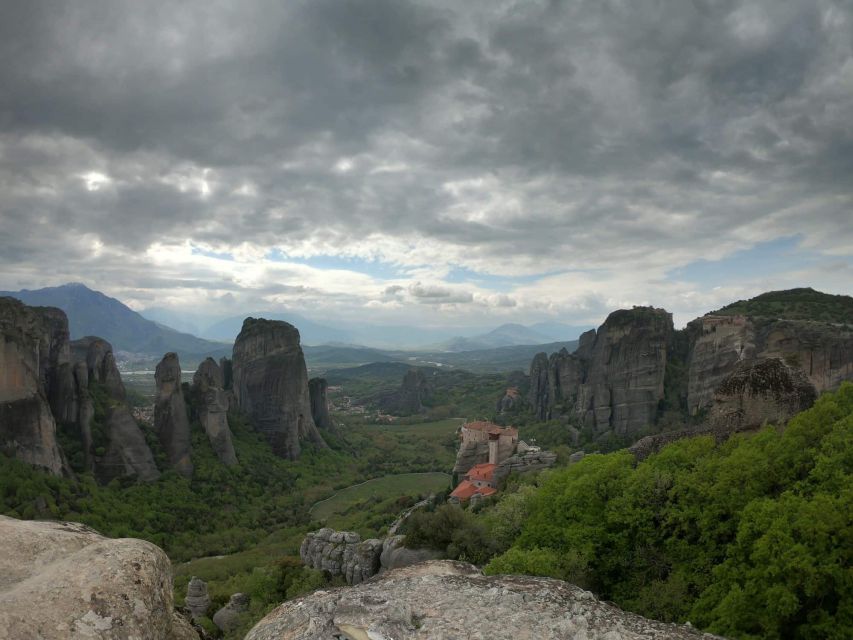
The best part of a guided Meteora visit is often the explanation between stops. The cliffs can look spectacular but confusing at first. A guide gives you a sequence: hermits, caves, early churches, organized monasteries, and the religious life that followed.
Ioanna and Joanna have been associated with careful advice about stair choices, photo locations, and the order of monastery visits. Areti has guided small groups with historical details and trivia. Andrew has led tours in English with a friendly, relaxed style, and Christina has also guided this route.
These names are useful to know, but they are not a guarantee of who will lead your departure. The important point is to expect a live English-speaking guide rather than an audio recording or a driver-only transfer.
The strongest guide style for this tour is practical. You want someone who explains the setting, tells you what to look for, and helps you use four hours well. The route gives that approach room to work because the drive connects several different types of religious sites.
Should you book the Meteora minibus tour?
Book it if you want a well-priced first look at Meteora with minimal transport planning. The combination of Saint Antonios, the St. George the Mandilas cave, the old Byzantine church, three monastery viewpoints, and an air-conditioned minibus gives you more context than a simple photo drive.
It is especially useful for a same-day rail visit from Athens or a short stay in Kalabaka. The small-group possibility, helpful guides, and flexible approach to stairs add real value.
Before paying, confirm the 13:10 start, current train connection, monastery admission costs, and whether interior entry is available on your date. If you need wheelchair access, ask detailed questions because the accessibility information is contradictory.
For most first-time visitors with four hours to spare, I would book it. You will not get every monastery interior or a long mountain walk, but you will come away with the story behind Meteora, strong views, and a practical sense of why these cliffs became a place of prayer.
FAQ
Where does the Meteora minibus tour meet?
Meet your guide outside the entrance to the train station in Kalampaka. The tour is scheduled to begin after the train from Athens arrives.
How long does the tour last?
The tour lasts four hours. Because of temporary changes to Hellenic Trains, the listed timing is 13:10 to 16:30.
What language is the tour conducted in?
The live tour guide speaks English.
What sites are included on the route?
The route includes Saint Antonios, the cave of St. George the Mandilas, an ancient Byzantine church dedicated to the Virgin Mary, and photo stops near three Meteora monasteries.
Are monastery entrance fees included?
No. Entrance fees to the monasteries are not included in the tour price.
Is there a guide inside the monasteries?
No. The tour includes a guide for the minibus route and outdoor sightseeing, but not a tour guide inside the monasteries.
What should I bring?
Bring comfortable shoes, comfortable clothing, a camera, and food.
Is the activity suitable for wheelchair users?
The information is contradictory. The activity details describe it as wheelchair accessible, but the restrictions say it is not suitable for wheelchair users. Contact the provider before booking to confirm the current transport and site conditions.
Just added in Kalabaka
- Meteora Sunset Tour on E-bikes★ 5.0 · 54 reviews
- Meteora Electric Bike Tour★ 5.0 · 61 reviews
- From Kalabaka/Kastraki: Meteora Monasteries Morning Tour★ 4.8 · 178 reviews
- Meteora Evening Tour with Breathtaking Sunset View★ 5.0 · 44 reviews
- Meteora: Monasteries Tour, Lunch, and Athens Transfer Option★ 4.8 · 102 reviews
- Meteora: Sunset Small Size Tour with Monastery & Caves visit★ 4.9 · 171 reviews
- Meteora: Sunset Hike to Secret Caves★ 4.9 · 56 reviews
- Kalabaka: Meteora Private Day Tour with a Local Guide★ 4.8 · 26 reviews
Meteora Monastery Tours, compared.
Meteora Monasteries Day Trip with Caves and Lunch
Read our review →

Meteora Tour with Local Guide and Greek Lunch
Read our review →
Meteora Monasteries, Caves & Coastal Stopovers with Lunch
Read our review →
Meteora Monasteries & Caves DayTrip from Athens with Greek Lunch
Read our review →
4-Day Classical Greece Tour: Epidaurus, Mycenae, Olympia, Delphi, Meteora
Read our review →Browse the lists this tour appears in