
Reviewed · COOKING CLASSES
Rethymno: Traditional Cooking Class in a Cretan Village
The best part of this Rethymno cooking class is that it takes place in Chrysoula’s family home, not a polished school kitchen. You’ll cook with produce from the family farm or nearby farmers, use a traditional wood oven, and sit down to a full Cretan meal.
I like the warm, personal teaching style and the generous menu. You may prepare dakos, tzatziki, gemista, moussaka, cheese pies, and dessert, with wine and raki served along the way. The one thing to consider is the three-and-a-half-hour length, plus the fact that you should arrive hungry and keep dinner plans light.
Key points to know before booking
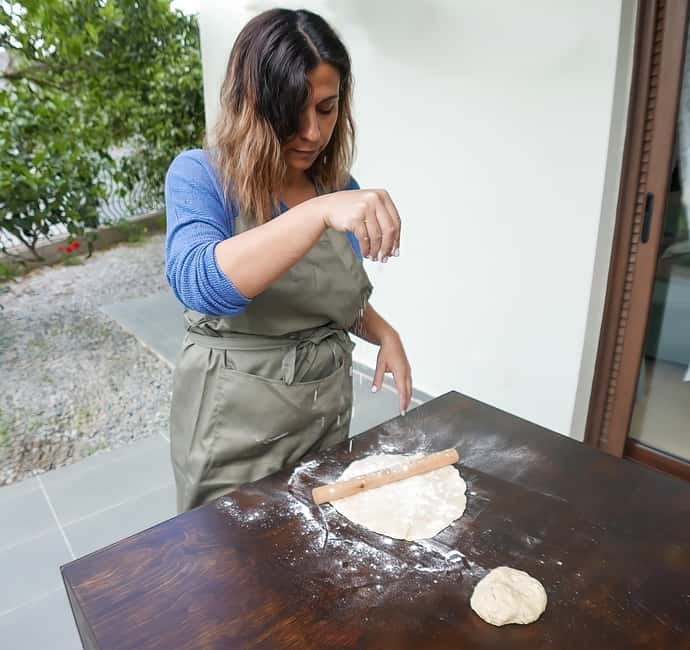
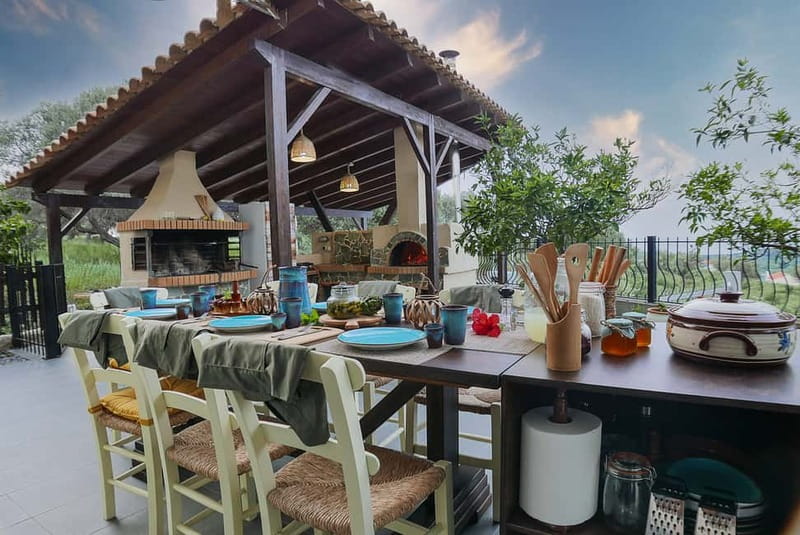
- Cook in a family garden with a view: The class takes place at Chrysoula’s home, with outdoor cooking and a traditional wood oven.
- Learn recipes you can actually use: The menu includes familiar Cretan staples such as dakos, tzatziki, gemista, Greek salad, and moussaka.
- Expect a full meal, not a small tasting: Your booking includes a starter, main dish, dessert, local wine, and raki.
- The host makes it personal: Chrysoula and Kostas create a relaxed setting that feels closer to a family meal than a formal lesson.
- Vegetarian and allergy-friendly options are available: Tell the host about your needs when booking.
- Plan enough time for the feast: The experience lasts 3.5 hours, and the generous portions can easily replace dinner.
A Cretan cooking class held at home
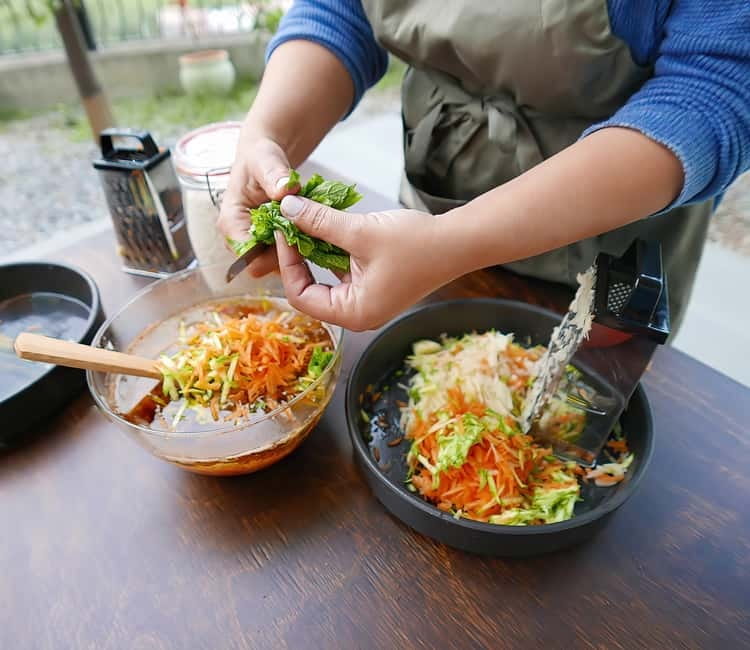
This is a cooking lesson with a strong sense of place. Rather than meeting in a restaurant kitchen or a large culinary studio, you enter a Cretan family home and cook in a setting that reflects everyday island life.
Chrysoula is the main host and instructor, with Kostas also helping create the welcoming atmosphere. The setting includes a garden, a view, and a traditional wood oven. That matters because the oven is not just a cooking tool here. It is part of the old rhythm of preparing food, especially dishes that benefit from slow, steady heat.
The class is conducted in English. You’ll have time to talk with Chrysoula, ask questions, and learn how traditional recipes are handled at home. The pace is social rather than rushed. You are not simply watching someone prepare food while a guide explains the steps from a distance.
I would think of this as part cooking class, part long Cretan lunch, and part cultural visit. The food is the main event, but the conversation and setting are just as important.
Other classes where you cook in Rethymno:
- Athens: Classic Cooking Class with Market Visit and Wine
★ 5.0 · 1,101 reviews - Athens: Food Market Visit and Cooking Class with Wine
★ 4.9 · 1,087 reviews - Greek Cuisine Cooking Class in Santorini with Recipes and Wine
★ 5.0 · 969 reviews
Starting with coffee, lemonade, and Cretan hospitality
The welcome sets the tone. You may be offered Greek coffee or herbal tea, homemade lemonade, ladokouloura, olive oil rolls, and loukoumakia. These are small tastes, but they give you an early sense of the ingredients and habits that shape Cretan home cooking.
Ladokouloura are olive oil cookies, and the use of olive oil in the welcome snacks is fitting. Olive oil is central to Cretan food, not just as a finishing touch but as a basic cooking ingredient. Homemade lemonade brings a fresh contrast, while Greek coffee or herbal tea gives you a moment to settle in before the hands-on work begins.
This opening also gives you time to meet the people around you. Several people who attended with children found the setting easygoing, and one family received toys and extra help for a baby during the cooking. That does not turn the class into a childcare service, but it does suggest a flexible, family-friendly mood.
The setting can also handle the unexpected. One class continued while a thunderstorm moved through the area. Still, outdoor cooking is weather-sensitive, so you should be comfortable with a little unpredictability.
Preparing starters with tomatoes, herbs, and olive oil
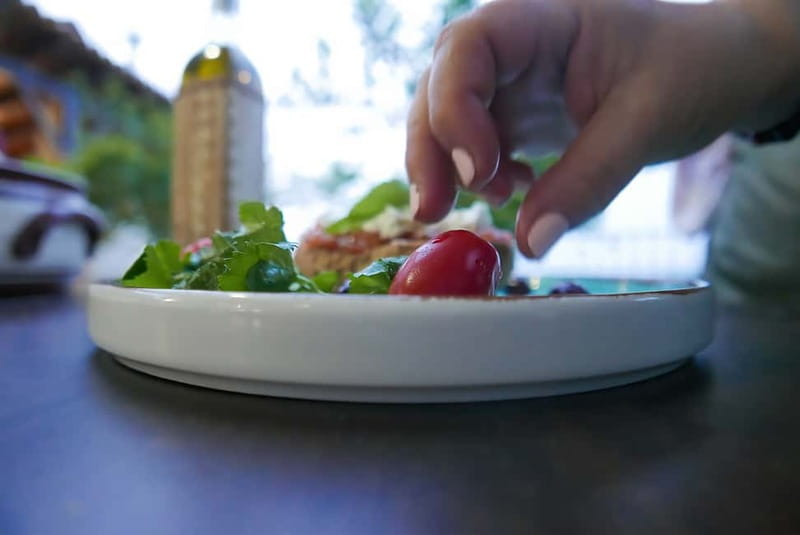
The starter portion may include several classic dishes rather than one small appetizer. You could prepare dakos, tzatziki, and Greek salad, depending on the menu for your class.
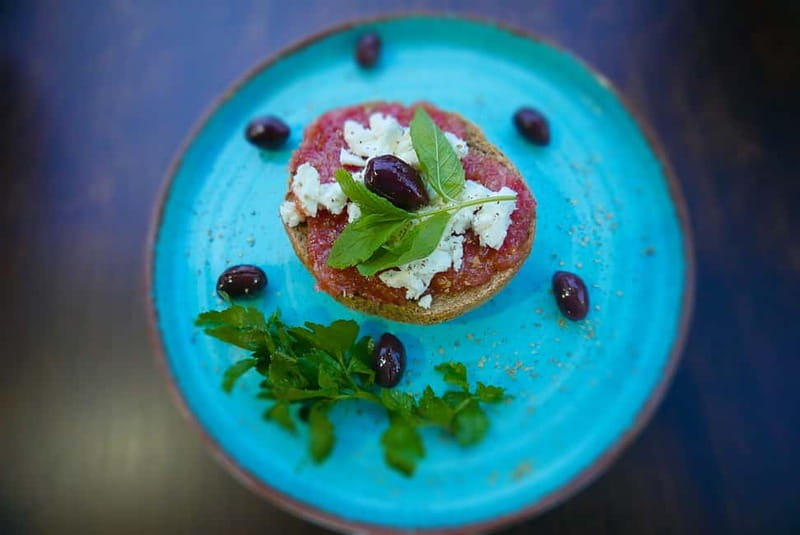
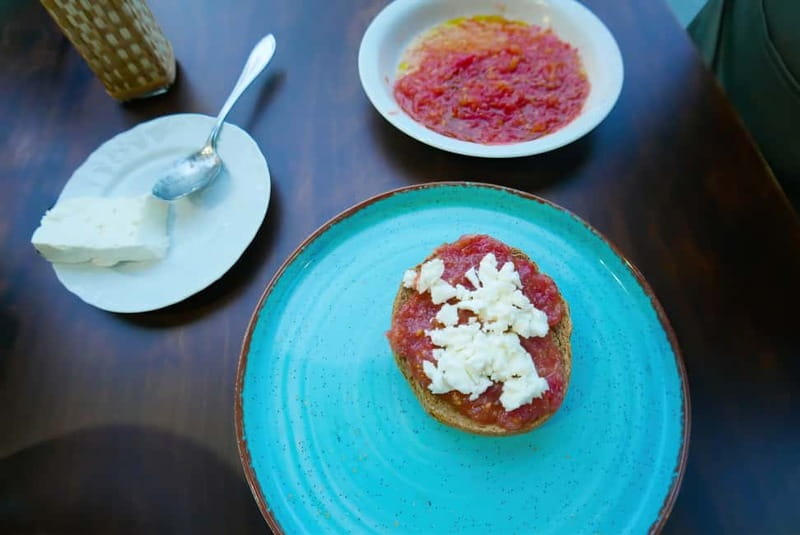
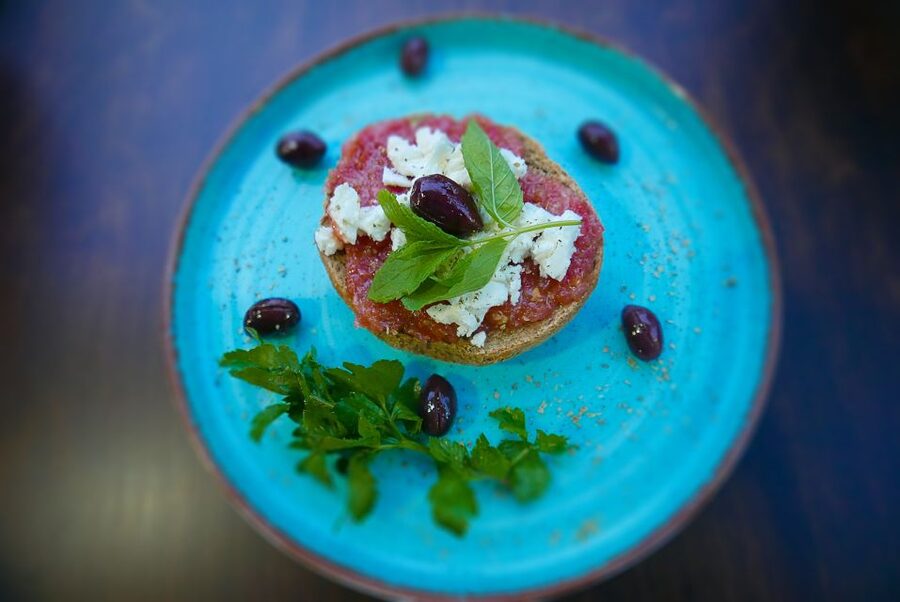
Dakos is one of Crete’s signature dishes. It uses a crisp barley rusk topped with tomato, cheese, olive oil, and herbs. The ingredients are simple, but the balance matters. You’ll see how ripe tomato softens the rusk and how olive oil ties the dish together.
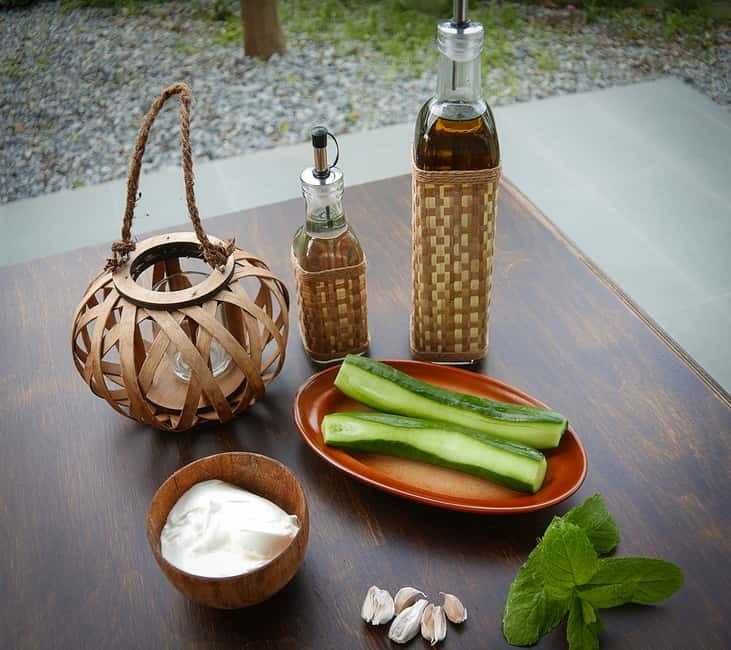
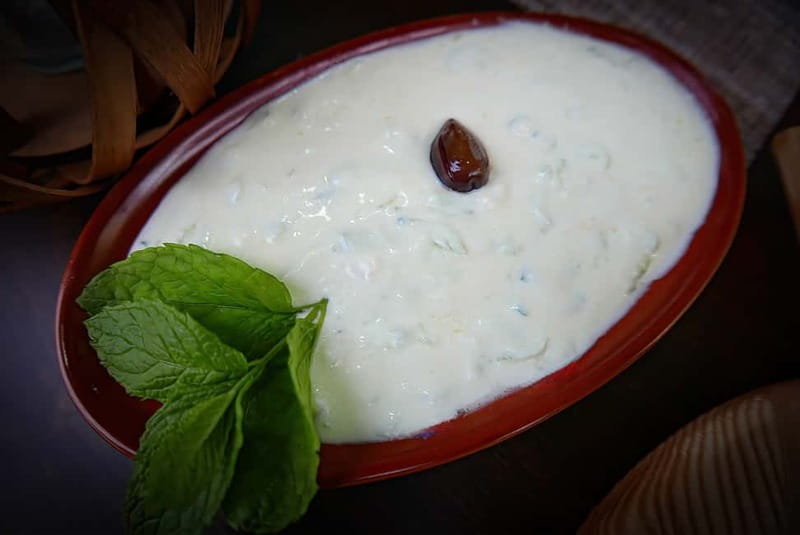
Tzatziki gives you a lesson in restraint. The familiar dip depends on cool yogurt, cucumber, garlic, and seasoning, but the right texture and balance make all the difference. Greek salad is equally straightforward, yet fresh local produce makes it more than a side dish.
This part of the class suits cooks who enjoy learning through touch and taste. You can see how much seasoning is needed, compare textures, and ask why a particular ingredient is used. The recipes are not presented as restaurant secrets. They are practical dishes that you can try again at home.
The ingredients are a major part of the experience. Much of the produce comes from Chrysoula’s parents’ farm or local village farmers. Rice is one ingredient specifically noted as store-bought, which gives you a clear picture of how close the cooking stays to the family’s own supply.
Using the wood oven for the main dishes
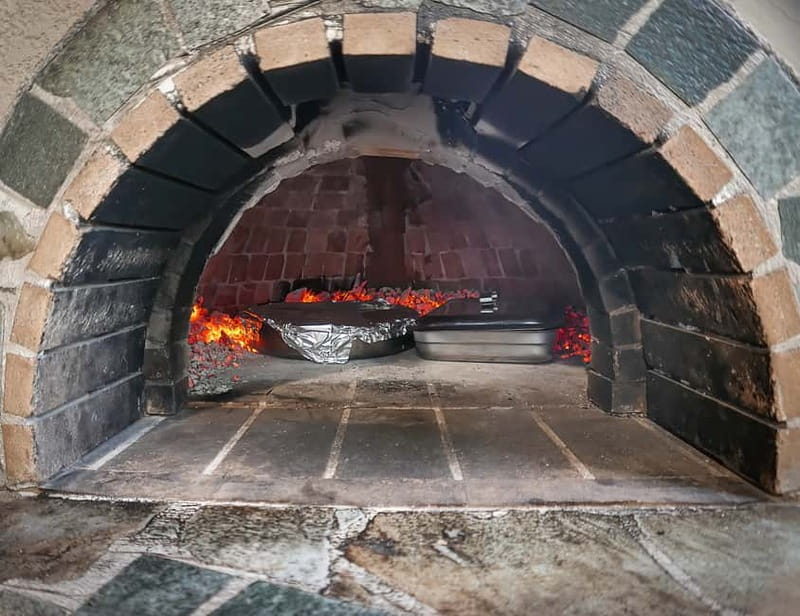
The main course is where the traditional cooking method becomes most important. Possible dishes include gemista, moussaka, and stuffed preparations involving vine leaves, zucchini flowers, tomatoes, zucchini, and peppers.
Gemista means stuffed vegetables, and the dish shows how Cretan cooking makes good use of what is available. Tomatoes, peppers, zucchini, and zucchini flowers can all become vessels for a seasoned filling. The result is colorful and filling, but the real lesson is the method: prepare several vegetables in one style, then let the oven do the work.
Moussaka brings a more familiar Greek classic to the table. You may learn how the layers are assembled before the dish goes into the wood oven. Cooking this way adds a direct connection to older home kitchens, where the oven was part of the household routine rather than a decorative feature.
The class is interactive, though the exact amount of hands-on work can vary with the group and the dishes selected that day. If you want a highly technical class focused on knife skills, precise measurements, or professional kitchen methods, this may feel relaxed. If you want to learn how a local cook builds a meal for family and friends, it is a better fit.
The setting also gives you a chance to see how food is cooked in a real home environment. You are not just learning what goes into the dishes. You are learning how several courses come together for a shared meal.
A few more things to do in Rethymno worth a look
- Naxos: Half-Day Cooking Class at Basiliko Family Tavern
★ 5.0 · 887 reviews - Greek Cooking Class in Athens Including Rooftop Dinner with Acropolis View
★ 5.0 · 826 reviews - Greek Small-Group Athens Cooking Class & Dinner
★ 5.0 · 574 reviews - Chania: Authentic Cooking Class in the White Mountains
★ 4.9 · 529 reviews
Ending with cheese pies, honey, and seasonal fruit
Dessert keeps the meal firmly rooted in local tradition. You may help prepare tyropitakia, small cheese pies served with local honey and cinnamon. Homemade ice cream and seasonal fruit may also be included.
The cheese pies offer a pleasant mix of salty and sweet flavors. Honey and cinnamon add warmth without making the dessert overly complicated. Seasonal fruit provides a simple finish after a substantial main course.
This is also where you should take the word generous seriously. The menu includes a starter, a main dish, and dessert, and the portions can be substantial. Several people found they had enough food to take leftovers back to their hotel. One particularly useful tip came through repeatedly in practice: do not book a large dinner for the same evening.
You may also receive local wine and raki with the meal. Wine works naturally with the food, while raki is often served as a strong after-meal drink. If you are not used to it, take it slowly. The meal is long enough without letting the final toast catch you by surprise.
The people make the class work
Chrysoula’s personality is a large part of the experience. She is described as warm, funny, and highly involved from the first welcome to the final meal. Her teaching style is conversational, so you can expect stories, practical tips, and plenty of laughter along with the recipes.
That personal contact is especially valuable if you want more than a standard food activity. You can ask about Cretan ingredients, traditional practices, and the role of home cooking in island life. The class gives you a chance to meet a local cook in her own home rather than only seeing Cretan food on a restaurant menu.
The experience can also work well for mixed groups. Families with children have taken part, and vegetarian diners have been accommodated. One vegan participant received special attention so that the meal worked for everyone in the group. Allergies can also be accommodated, but you should communicate them before the class rather than waiting until cooking begins.
Group size is not specified, so the atmosphere may vary. One booking turned out to be a private class, while other sessions included fellow participants. If a private setting is essential to you, confirm the arrangement before paying.
What the $110 price includes
At $110 per person, this is not the cheapest way to eat in Crete. You could have a simple taverna meal for much less. The value comes from combining food, instruction, local access, drinks, and several hours in a family setting.
The price includes the cooking lesson, starter, main dish, dessert, local wine, and raki. It also covers the experience of using the wood oven and working with ingredients sourced from a family farm or local producers. You are paying for time and participation, not just a plate of food.
For a visitor who enjoys food and conversation, the value is strong. You leave with a better sense of how Cretan dishes are put together, not just with a meal that disappears after an hour. You also get a direct connection to a local household, which is harder to find through a standard restaurant visit.
For a very budget-conscious visitor, the price may feel high. It may also be less appealing if you dislike long meals, do not drink alcohol, or prefer a tightly structured professional cooking school. The activity makes the most sense when food is one of the main reasons you travel.
Timing, access, and practical planning
The class lasts 3.5 hours. Starting times vary, so check availability before you book. The length gives you time to cook, eat, and talk without forcing everything into a quick demonstration.
You should arrive hungry, but not so hungry that you cannot enjoy the welcome snacks and cooking process. I would leave your evening open for a relaxed walk or an easy night rather than scheduling a major dinner afterward.
English is available from the host or greeter, and the activity is wheelchair accessible. Vegetarian and allergy-friendly menus can be arranged. Since the class takes place in a home and includes shared cooking, clear communication about dietary needs is important.
The booking terms are flexible: you can cancel up to 24 hours in advance for a full refund, and the reserve-now, pay-later option lets you hold a place without paying immediately. These details are useful if your Crete plans are still shifting.
Who will enjoy this most
I would recommend this class to you if you like food with a personal story. It suits couples, families, small groups, and solo visitors who enjoy meeting local people over a meal.
It is particularly good for:
- Food-focused visitors who want more than restaurant tastings
- Families looking for a welcoming activity that can include children
- Vegetarian or vegan diners who want menu adjustments
- Home cooks who would like practical Cretan recipes
- Culture-minded visitors who value a family setting over a formal venue
- People with an open schedule who can give the meal a full half-day
You may want to skip it if you prefer a short, polished demonstration with exact timings. It is also not ideal if you have a tight schedule, because the meal and conversation are part of the point.
Should you book Chrysoula’s Cretan cooking class?
Yes, if you want a warm home-based experience and are willing to give it half a day. The strongest reasons to book are the family setting, the traditional wood oven, the farm-sourced ingredients, and Chrysoula’s personal approach.
I would not book it only because you want to learn one specific recipe. The exact dishes can vary, and the experience is broader than a technical lesson. You are there to prepare several foods, eat generously, and share time with a Cretan family.
Book this class if you want to cook, talk, laugh, and leave full. Skip it if you prefer a quick activity or a low-cost meal. For most food lovers visiting Rethymno, the mix of real home cooking, local hospitality, and hands-on work makes the $110 worthwhile.
FAQ
How long does the Cretan cooking class last?
The experience lasts 3.5 hours. Check availability for the available starting times.
Where does the cooking class take place?
The class takes place in a traditional Cretan family home near Rethymno, including an outdoor setting with a garden, a view, and a traditional wood oven.
Who teaches the cooking class?
Chrysoula is the local cook and main host. Kostas also helps host the experience.
What food will I prepare?
Possible dishes include dakos, tzatziki, Greek salad, gemista, moussaka, stuffed vine leaves, stuffed vegetables, zucchini flowers, cheese pies, homemade ice cream, and seasonal fruit. The exact menu may vary.
Are food and drinks included?
Yes. The booking includes cooking lessons, a starter, a main dish, dessert, local wine, and raki.
Can the menu accommodate vegetarians or allergies?
Yes. The menu can be adapted for vegetarian diners and people with allergies. Share your requirements when booking.
Is the experience wheelchair accessible?
Yes, the activity is wheelchair accessible. English is available from the host or greeter.
Just added in Rethymno
- From Rethymno: Samariá Gorge Full-Day Hike★ 4.3 · 129 reviews
- Rethymno Town: Sea Watersports Activities on the Beach★ 4.9 · 38 reviews
- Crete Private Tour: The Secrets of Wine, Olives & Honey★ 4.5 · 59 reviews
- Rethymno: Melidoni Cave and Arkadi Monastery Half-Day Trip★ 4.3 · 120 reviews
- Rethymno: Mini Pirate Boat Cruise with Swimming Stop★ 3.8 · 110 reviews
- Rethymno Old Town: A Traditional Cretan Food Tour★ 4.9 · 103 reviews
- From Rethymno: Arkadi, Margarites, Melidoni Cave, and Axos★ 4.4 · 37 reviews
- From Rethymno: Santorini Guided Tour and Cruise from Crete★ 4.4 · 46 reviews
Cooking Classes, compared.
Classic Cooking Class with Market Visit and Wine
Read our review →
Food Market Visit and Cooking Class with Wine
Read our review →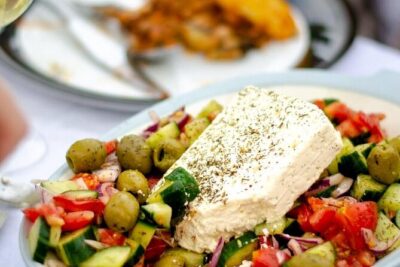
Greek Cuisine Cooking Class in Santorini with Recipes and Wine
Read our review →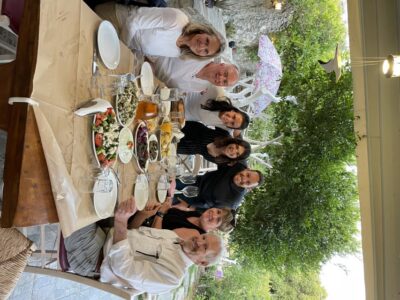
Half-Day Cooking Class at Basiliko Family Tavern
Read our review →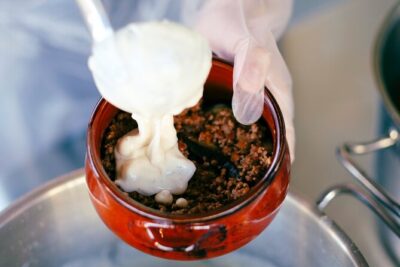
Greek Cooking Class in Athens Including Rooftop Dinner with Acropolis View
Read our review →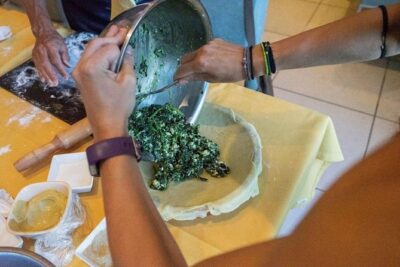
Greek Small-Group Athens Cooking Class & Dinner
Read our review →
Exclusive Cooking Experience in our Cave Home by Petra Kouzina
Read our review →
Authentic Cooking Class in the White Mountains
Read our review →Browse the lists this tour appears in