
Reviewed · METEORA MONASTERY TOURS
Athens to Meteora: Monasteries & Hidden Caves Bus Tour
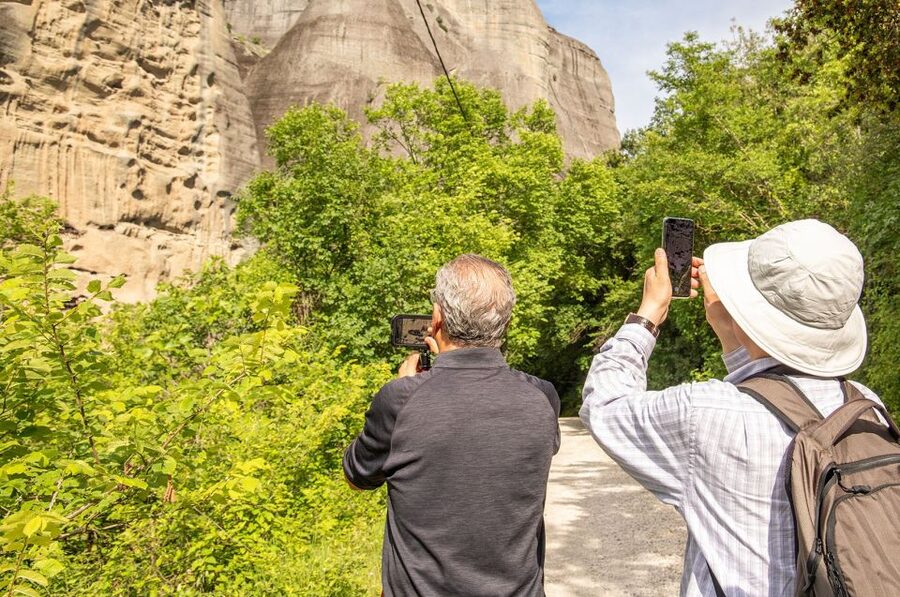
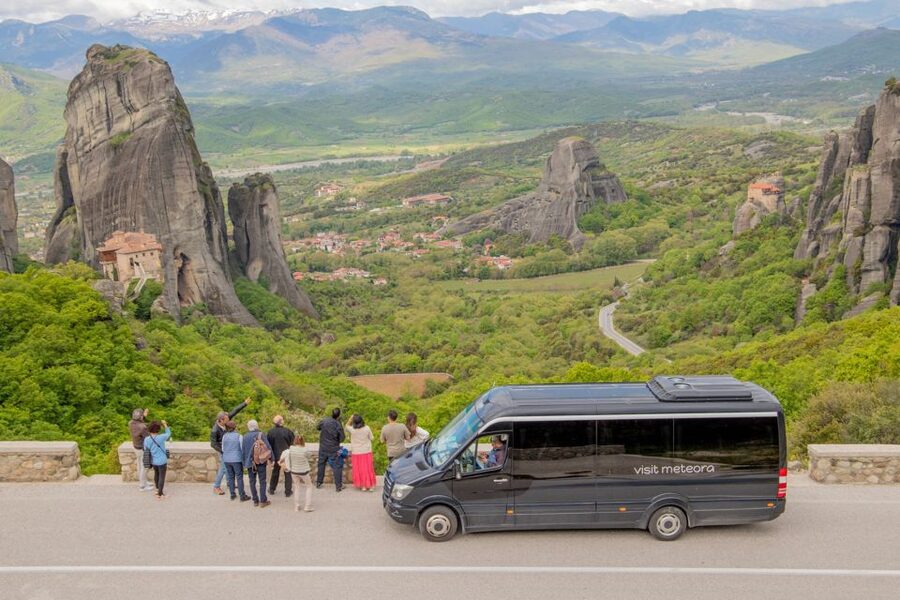
Meteora’s great trick is that the monasteries are only half the story. The other half is the strange rock country around them, where monks once lived in small caves at Badovas. I like the way this tour combines three monastery interiors with broad roadside viewpoints, and I like the small-group Mercedes minibus, which can reach photo stops that a large coach cannot.
The catch is the clock. From Athens, you spend about five hours each way on the bus, with the Meteora visit lasting about five hours. It is a big day, and the tour suits you best if seeing Meteora in one shot matters more than having a relaxed visit.
Key points before you book
- Three monasteries inside: You pay €5 per monastery, but you get a look at the interiors of three active religious houses.
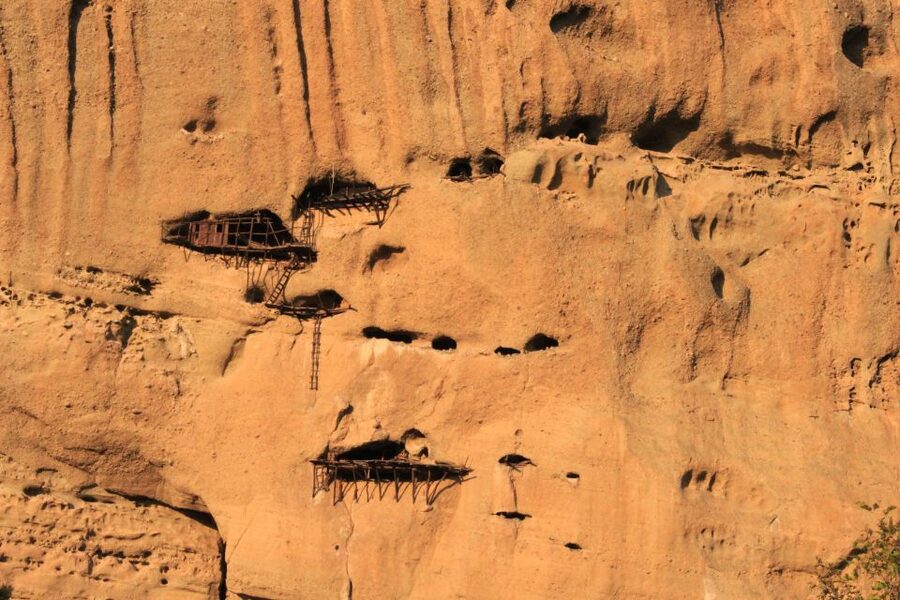
- Badovas caves included: The route reaches the old hermit dwellings often missed on a standard viewpoint tour.
- Athens departure at 8:00: Meet by 7:45 at the exit of Larissis metro station, opposite Athens train station.
- Six-hour-plus travel commitment: The bus journey takes about five hours each way, including a 20-minute refreshment stop.
- Small-group minibus: Expect air conditioning, Wi-Fi, USB chargers, and a bottle of water.
- Bring cash and suitable clothing: Monastery entry costs extra, and sleeveless shirts are not allowed.
Why Meteora is worth the long ride from Athens
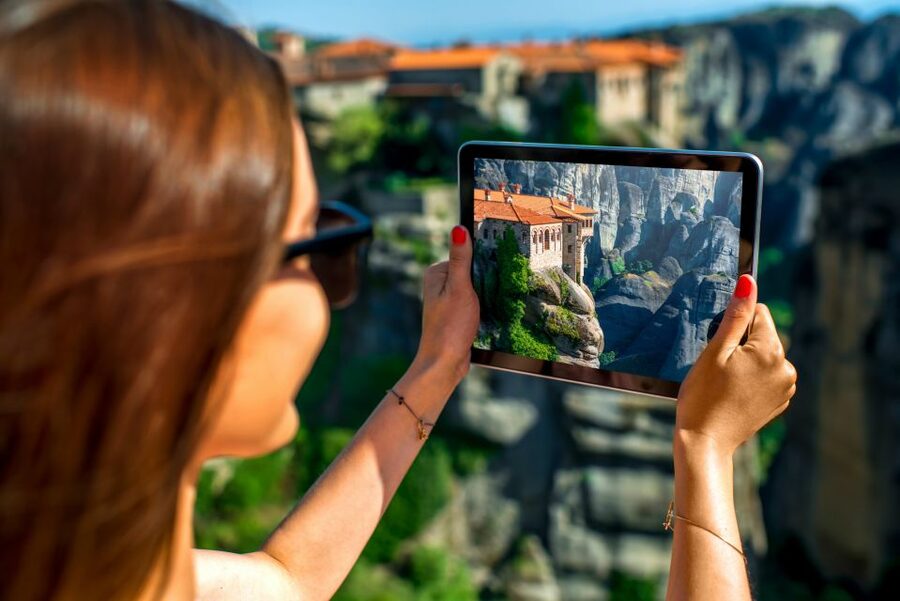
Meteora is one of Greece’s most unusual sights. Tall rock pillars rise above Thessaly, and Orthodox monasteries sit on their tops and ledges. The setting feels almost unreal, but the place is not just a scenic backdrop. These monasteries remain active religious sites, and the cliffs explain why monks came here for solitude and safety.
This tour works because it shows Meteora from several angles. You see the monasteries from the road, stop at high viewpoints for wide photographs, enter three buildings, and then go down toward Badovas to see where early hermits lived. That mix gives you a better sense of the area than simply ticking off one monastery and heading back.
The wider area includes views toward eight monasteries, while the route focuses on the six active monasteries of Meteora. You will not treat every building as a separate stop, but you should get repeated views of the entire group as the minibus follows the cliffs.
Other monastery and cliff-top days from Kalabaka:
- Meteora: Morning Half Day Sightseeing and Monasteries Tour
★ 4.7 · 478 reviews - Meteora: Majestic Sunset Tour & Monasteries with Local Guide
★ 4.7 · 359 reviews - Meteora: Panoramic Morning Small Group Tour with Local Guide
★ 4.7 · 334 reviews
The Athens to Kalabaka bus ride
The current Athens transfer leaves at 8:00 in the morning from Larissis train station. You need to be at the exit of Larissa metro station on Deligianni Street by 7:45. The meeting point can vary with the option you book, so check the final instructions rather than relying only on the general departure description.
The bus ride to Kalabaka takes about five hours, including a 20-minute stop for restrooms and refreshments. That is a serious stretch of road time, but the replacement bus is modern and air-conditioned. Wi-Fi, USB chargers, and a water bottle make the ride easier, especially if you want to read up on Meteora or save your phone battery for photographs.
Train service has been temporarily halted because of flooding, so this experience is currently arranged by bus. The route and the Meteora stops remain the same. You do not lose the main sightseeing portion, but you should know that the day feels more like a long-distance excursion than a quick side trip.
The bus route also gives you a look at the Greek countryside between Athens and Thessaly. It is not the fastest way to reach a short local attraction, but Meteora is far enough from Athens that the journey forms a large part of the day. I would bring breakfast, headphones, and something to read, even though there are scheduled stops.
First views of the Meteora cliffs
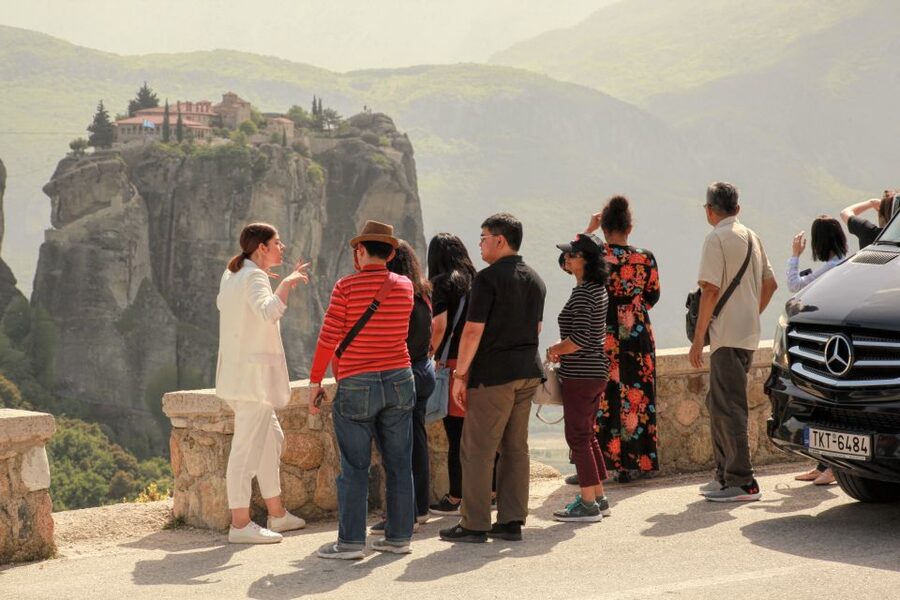
The arrival at Meteora changes the mood of the day. After hours on the road, the sudden sight of rock towers and monasteries gives the excursion its payoff. The driver and guide take you along roads with open views, stopping at selected points where the cliffs and monasteries line up well for photographs.
These stops matter because the monasteries are difficult to appreciate from one interior visit alone. From below or across the valley, you can see how extreme their positions are. From a high viewpoint, you get the full arrangement of rock pillars, stone walls, and distant buildings in one frame.
The route is also practical for photography. Guides and drivers have helped visitors find good angles and take group pictures at the stops. You should still be ready to move on when called. This is a shared tour, and a photo stop is not an open-ended photography session.
Entering three Meteora monasteries
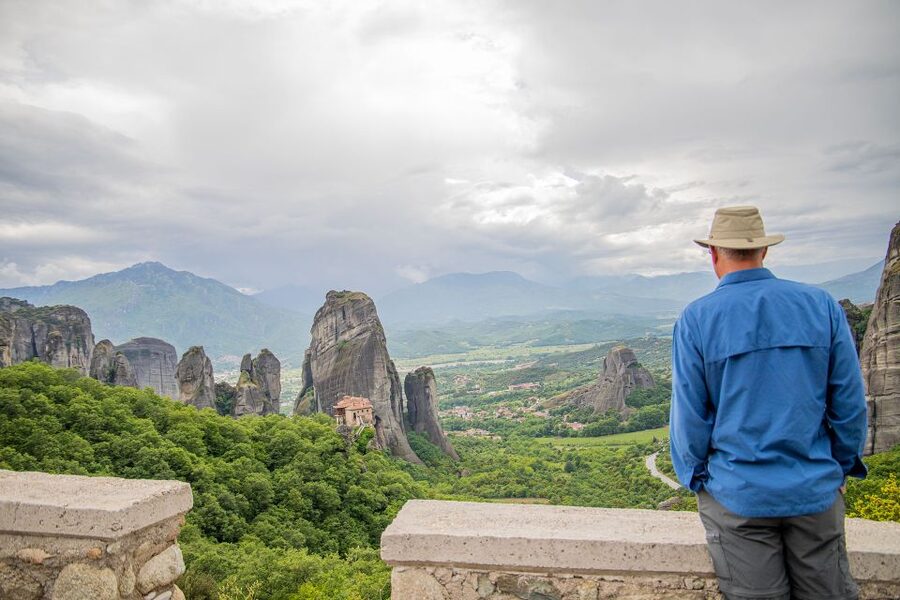
The most valuable part of the tour is the chance to go inside three monasteries. The precise monasteries can depend on opening schedules and the day’s route, so do not treat the names as guaranteed. The important point is that you see the interiors of three active sites rather than only viewing them from the road.
Inside, you can expect a closer look at the religious and architectural side of Meteora. The guide explains the monasteries’ past, legends, and spiritual role, then gives you time to look around. The guides have included local archaeologist Katerina, Kate, and Jim, among others, and strong guiding is one of the best reasons to choose this tour over a simple transfer.
One useful feature is that the guide does not necessarily keep you in one tight group every second. You may receive an explanation, then have a little freedom to look around and take photographs before the group moves on. That said, the schedule is firm. A few people have found the pace rushed, especially when travel delays or long photo stops reduce the time available.
Monastery entry is not included. Budget €5 per person for each monastery, or €15 if you enter three. Cash is listed as something to bring, and it is also useful for snacks and lunch.
Dress matters here. Sleeveless shirts are not allowed, so pack a cover-up or wear shoulders-covering clothing from the start. The tour is not suitable for people with mobility impairments, and the monastery visits may involve uneven ground or steps.
Same base, a completely different day:
- Athens: Guided Tour to Meteora Monasteries & Hermit Caves
★ 4.7 · 211 reviews - Kalabaka: Meteora Small-Group Hiking Tour w/ Monastery Visit
★ 4.9 · 205 reviews - From Kalabaka/Kastraki: Meteora Monasteries Morning Tour
★ 4.8 · 178 reviews - Meteora: Sunset Small Size Tour with Monastery & Caves visit
★ 4.9 · 171 reviews
Badovas and the old hermit caves
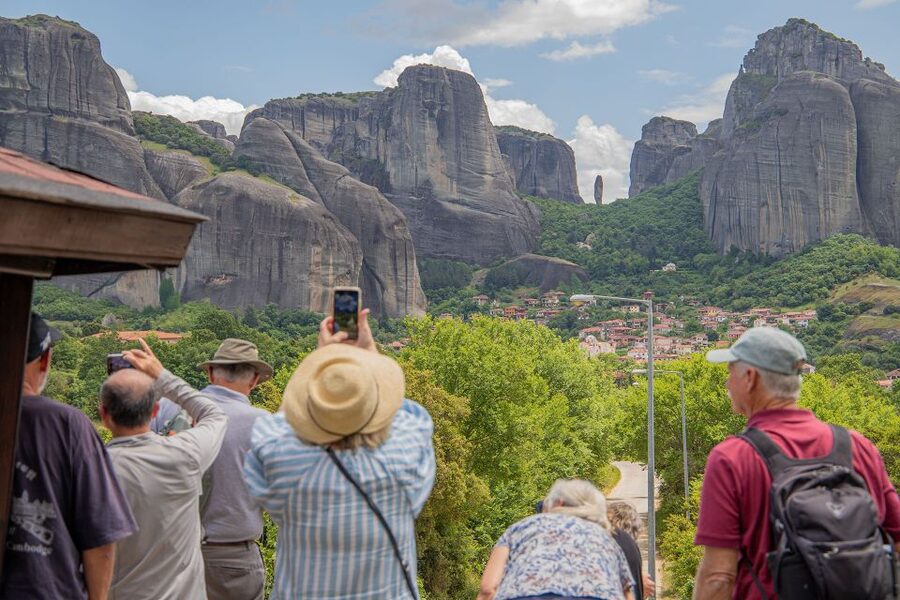
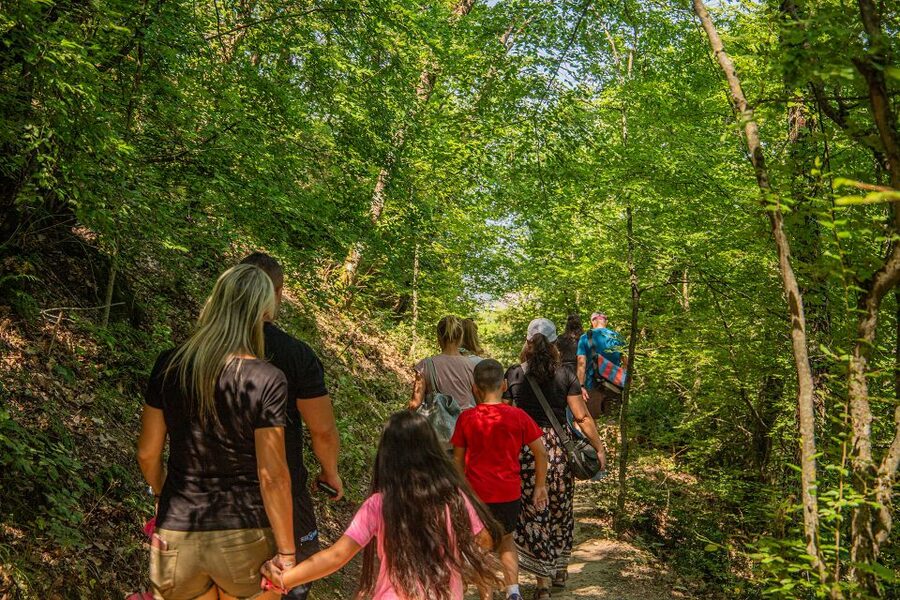
Badovas gives the tour a different character. The monasteries are grand and visible, but the hermit caves show a smaller, harsher form of religious life. These dwellings are tucked into the rock below the main route, where hermits once sought quiet and isolation.
You will not simply be looking at another monastery from a viewpoint. You get to see the cave area at close range, with the guide explaining its place in Meteora’s religious story. This stop is especially useful if you want context rather than a string of photographs.
The caves are also one reason this tour feels more complete than a basic monastery shuttle. Many day visitors see the famous buildings and leave without understanding the people who lived in the cliffs before the area became a major sightseeing destination.
Do keep your expectations realistic. The visit is not a long hiking expedition or a private archaeological visit. It is one part of a tightly planned five-hour Meteora circuit. You will see the area, learn why it matters, and continue to the next stop.
A guide-led day with room for questions
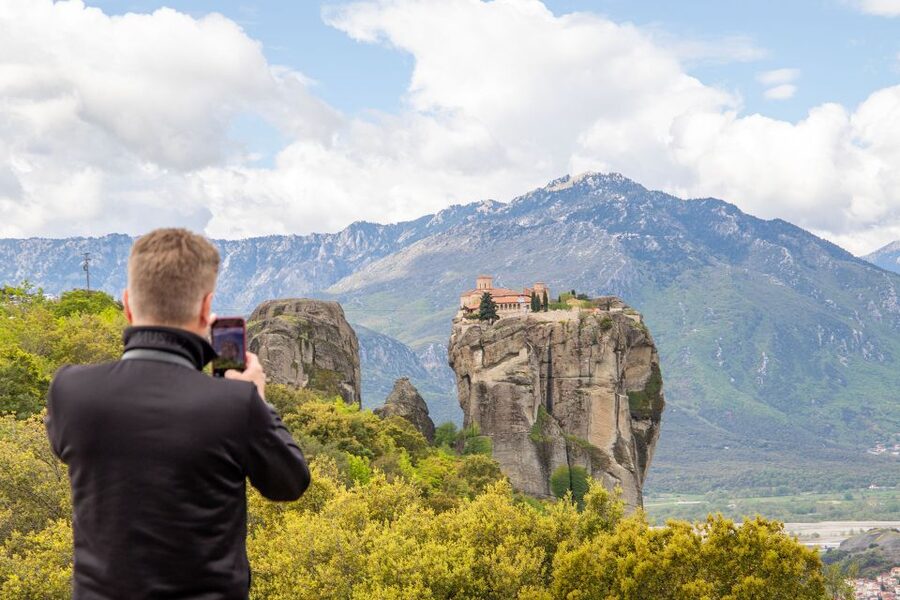
The guide can make or break a day like this. Meteora’s story includes Orthodox tradition, local legends, engineering challenges, and unusual building sites. A quick bus transfer cannot explain all of that well, while a strong guide can turn the cliffs into a series of understandable stories.
The guides on this route have included people with local ties and formal history or archaeology training. Katerina, described as a local archaeologist, has led tours with detailed explanations and a clear attachment to the monuments. Kate has also been praised for her warmth and command of the subject, while Jim has been noted for a witty, engaged approach.
Languages vary by departure and option. Live guiding is available in English, Spanish, or French, and audio guides are listed in English, Spanish, French, German, Italian, Polish, Portuguese, Chinese, Japanese, Korean, Russian, and Greek. Check the option you select, since the live guide and audio guide are not the same service.
A good guide also helps with the practical side. They can point out the best angle for a photograph, explain when you need to return to the minibus, and give you enough background to understand why the monasteries sit where they do. The tradeoff is that group timing limits long conversations at every stop.
Lunch, rest stops, and the daily rhythm
The day includes two highway stops for restrooms and snacks, plus a longer break at a local restaurant. The restaurant stop is intended for regional food, but food and drinks are not included in the tour price.
Pay attention to the length of this break. Some schedules give you a comfortable chance to eat, while others may feel short if everyone is ordering at once. One past itinerary was criticized for allowing too much unstructured time in Kalabaka while another meal break felt too brief. The exact pacing can vary, so I would not plan a leisurely, multi-course lunch.
Bring a snack for the bus anyway. It gives you more control over the day and keeps the restaurant stop from becoming stressful. Water is provided, but additional drinks and food cost extra.
What the $44 price really covers
At $44 per person, the tour price is attractive for a full-day Athens excursion, but it does not represent the complete cost. The price includes the Athens to Meteora bus transfer when that option is selected, the local minibus, live guide, photo stops, three monastery interiors, the Badovas cave visit, Wi-Fi, chargers, and water.
You still pay €5 for each monastery entrance. Food and drinks are also extra. A state-licensed guide inside the monasteries is not included, so the tour guide provides the main interpretation around the route rather than acting as an official interior guide in each religious building.
The value is strongest if you have only one free day and do not want to arrange transport, local pickup, a driver, and monastery visits yourself. You are paying for a long transfer, but also for a planned route that covers the major views and the cave area.
The value is weaker if you can spend a night in Kalabaka or Kastraki. Staying nearby gives you more time, reduces road fatigue, and lets you see Meteora at a slower pace. Several hours on a bus are a fair trade for convenience, but not for everyone.
Who should book this Meteora day trip
I would choose this tour if you are based in Athens, have limited time in Greece, and want to see the main Meteora sights without arranging several separate connections. It also suits solo visitors who prefer a guide, families who want transport handled, and photographers who appreciate regular viewpoint stops.
It is a good fit for people who want both famous monasteries and a less obvious stop at Badovas. The audio guide choices also help if you are more comfortable listening in a language other than English, Spanish, or French.
I would think twice if you dislike long bus journeys, need a slow pace, or want extended time inside each monastery. Mobility is another clear concern. The tour is not suitable for people with mobility impairments, and monastery visits are not designed as effortless walk-up stops.
If you can stay overnight, do that instead of forcing the round trip into one day. If you cannot, this route covers a surprising amount of Meteora in the time available.
The return to Athens
The Meteora portion lasts about five hours, then the bus returns to Athens. Arrival is expected at roughly 10:00 in the evening, so do not schedule an important dinner reservation or early-morning activity immediately afterward.
The return leg is when the day’s length becomes most noticeable. You will have already visited the monasteries, caves, and viewpoints, so the bus provides time to rest and sort photographs. Still, the late arrival means you should treat this as your main activity for the day, not one item among several Athens plans.
Free cancellation up to 24 hours before departure and reserve-now, pay-later booking make the plan easier to adjust. Those policies are useful, but the more important booking decision is choosing the right pace for your trip.
Should you book this Athens to Meteora tour?
Book it if Meteora is high on your list and you have only one day from Athens. For $44 before entrance fees and meals, you get a structured transfer, six active monasteries on the route, three interior visits, major viewpoints, and the Badovas hermit caves. The local guide and small minibus add real value.
Skip it in favor of an overnight visit if you want quiet mornings, longer monastery visits, or time for independent walks. This is a long, efficient introduction to Meteora, not a leisurely retreat.
For most first-time visitors with limited time, I would choose the tour and accept the early start and late return. Meteora is too distinctive to miss simply because the day is demanding.
FAQ
How long does the Athens to Meteora tour take?
The full day lasts about 14 hours. The bus journey takes roughly five hours each way, including a 20-minute stop, and the Meteora sightseeing portion lasts about five hours.
Where does the bus leave from in Athens?
The bus departs at 8:00 from Larissis train station. You should meet at the exit of Larissa metro station on Deligianni Street, directly opposite Athens train station, by 7:45.
How many monasteries can I visit inside?
The tour includes interior visits to three monasteries. The route also takes you past or to viewpoints for all six active Meteora monasteries, with broader views toward the area’s eight monasteries.
Are monastery entrance fees included?
No. Entry costs €5 per person for each monastery. Food and drinks are also not included.
Is the train from Athens running for this tour?
Train services have been temporarily disrupted by flooding. The Athens transfer is currently provided by a modern, air-conditioned bus, and the sightseeing route remains unchanged.
What languages are available?
Live guiding is available in English, Spanish, and French. Audio guides are listed in English, Spanish, French, German, Italian, Polish, Portuguese, Chinese, Japanese, Korean, Russian, and Greek.
Is the tour suitable for people with mobility impairments?
No. The experience is listed as unsuitable for people with mobility impairments. You should also wear clothing that covers your shoulders, since sleeveless shirts are not allowed inside the monasteries.
Just added in Kalabaka
- Meteora Sunset Tour on E-bikes★ 5.0 · 54 reviews
- Meteora Electric Bike Tour★ 5.0 · 61 reviews
- From Kalabaka/Kastraki: Meteora Monasteries Morning Tour★ 4.8 · 178 reviews
- Meteora Evening Tour with Breathtaking Sunset View★ 5.0 · 44 reviews
- Meteora: Sunset Small Size Tour with Monastery & Caves visit★ 4.9 · 171 reviews
- Meteora: Monasteries Tour, Lunch, and Athens Transfer Option★ 4.8 · 102 reviews
- Kalabaka: Meteora Monasteries Minibus Tour with Photo Stops★ 5.0 · 74 reviews
- Meteora: Sunset Hike to Secret Caves★ 4.9 · 56 reviews
Meteora Monastery Tours, compared.
Meteora Monasteries Day Trip with Caves and Lunch
Read our review →

Meteora Tour with Local Guide and Greek Lunch
Read our review →
Meteora Monasteries, Caves & Coastal Stopovers with Lunch
Read our review →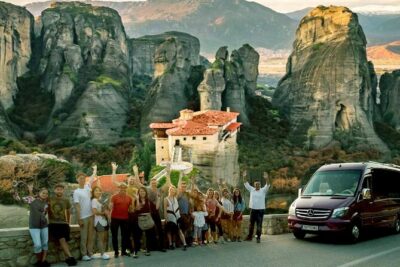
Meteora Monasteries & Caves DayTrip from Athens with Greek Lunch
Read our review →
4-Day Classical Greece Tour: Epidaurus, Mycenae, Olympia, Delphi, Meteora
Read our review →Browse the lists this tour appears in