
Reviewed · HISTORICAL TOURS
Naxos: Half-Day Guided History and Culture Sightseeing Tour
Naxos reveals its best surprises away from the coast. This four-hour tour takes you through olive groves and mountain villages to Demeter’s Temple, a fourth-generation pottery workshop, an old church, working marble quarries, and the famous Kouros Statue. It is a lot of island in a short stretch.
I like the excellent use of time and the chance to see places that are awkward to reach without a car. I also like the human touch: potter Manolis demonstrates his craft in Damalas, and guides such as Alex and Thanos bring local stories to the drive.
The trade-off is pace. You get roughly an hour in Chalki and shorter stops elsewhere, so this is an introduction rather than a slow village wander. Expect steps, uphill walking, and a brisk rhythm.
Key points to know before booking
- Demeter’s Temple begins the history lesson: Allow €5 in cash for entry and expect steps and an uphill path.
- Damalas offers a genuine local encounter: Potter Manolis shows traditional work on the wheel in his family workshop.
- Chalki gives you the longest free period: Use about 50 to 60 minutes for alleys, coffee, shopping, or the Vallindras Kitron Distillery.
- The bus makes difficult roads easy: A skilled driver handles narrow, winding routes while you watch the countryside.
- The Kouros Statue is an unforgettable final site: Flerio Valley adds gardens, greenery, and ancient marble in one stop.
- This is best for a first look at inland Naxos: You see a broad range of places, but you will want more time in several of them.
Why this half-day tour works on Naxos
At $35 per person, this is one of the more practical ways to see inland Naxos if you do not have a rental car. The price covers the air-conditioned bus, driver, English and Greek-speaking guide, taxes, and luggage storage. You still pay €5 cash for Demeter’s Temple, €3 if you choose the Vallindras distillery visit, and a small church donation if you enter Panagia Drosiani.
That makes the tour good value for a short stay. You cover ancient sites, villages, local craft, agriculture, geology, and religious art without arranging several separate trips. The bus also matters here. Naxos has narrow roads, tight turns, and uphill routes, and guides such as Georgios and Yorgos have earned strong praise for handling them calmly.
The tour is offered in morning and afternoon versions, with the exact start time confirmed when you check availability. Morning pickup is available from selected points near Plaka, Maragkas, Agia Anna, Agios Prokopios, Stelida, and other listed locations. Otherwise, meet at the Naxos Bus Transfer Office just outside the port. There is no hotel drop-off for the standard tour.
A few more things to do in Greece worth a look
- Historical Delphi One Day Tour with Arachova Stop & Expert Guide
★ 4.5 · 1,247 reviews - Historic Athens: Small Group Electric Bike Tour
★ 4.9 · 740 reviews - Naxos Half Day History and Culture Guided Tour
★ 5.0 · 491 reviews
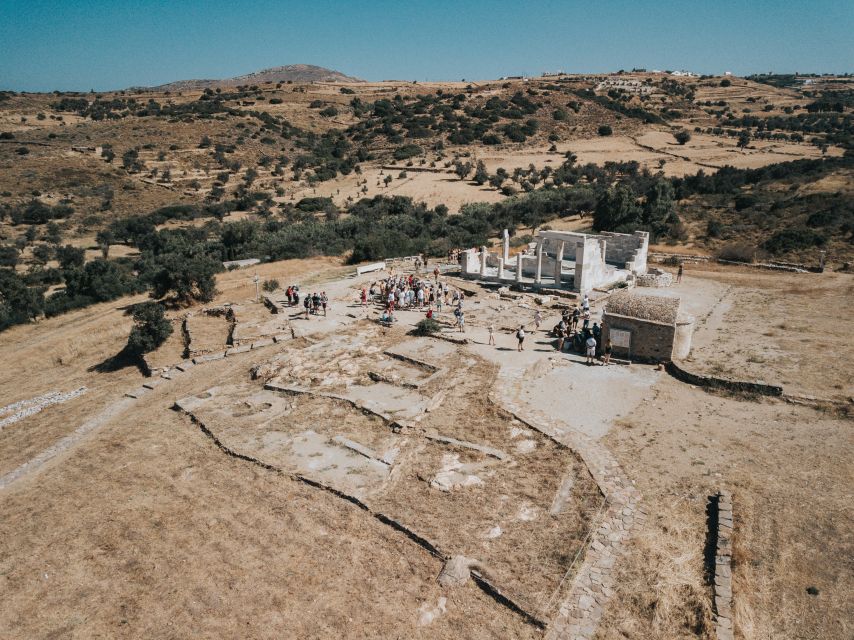
Demeter’s Temple and the first taste of ancient Naxos
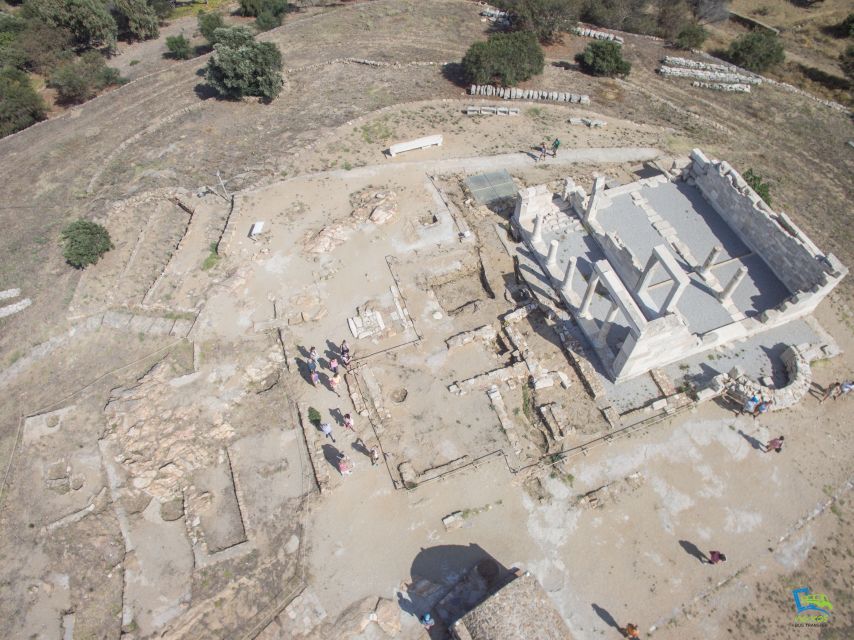
The bus heads first to the Temple of Demeter, about a 30-minute drive from the starting point. That early departure gets you quickly into the countryside and away from the port area.
The sanctuary dates from the sixth century BC and has been carefully restored. You have around 40 minutes to look at the site, take photographs, and visit the small museum. The temple is important not only because of its age, but also because it shows Naxian marble construction in a setting surrounded by fields and low hills.
Your guide explains the monument before you enter. The guides are not licensed to provide commentary inside Demeter’s Temple, so do not expect a continuous guided talk among the stones. This is a small but useful detail: listen closely before going in, then use your own time to look around.
You will need to climb steps and walk uphill. The route is not suited to people with mobility impairments, and the pace can feel quick if you prefer a leisurely stroll. Wear firm, comfortable shoes rather than sandals with a slippery sole. Bring a hat and water, especially in the warmer months.
The site closes on Tuesdays and May 1. It can also close at noon if a heat wave is forecast. On those dates or during an afternoon heat closure, the tour substitutes Filoti Village. That is a worthwhile alternative, but anyone booking mainly for the temple should check the operating day first.
Damalas pottery and a working village tradition
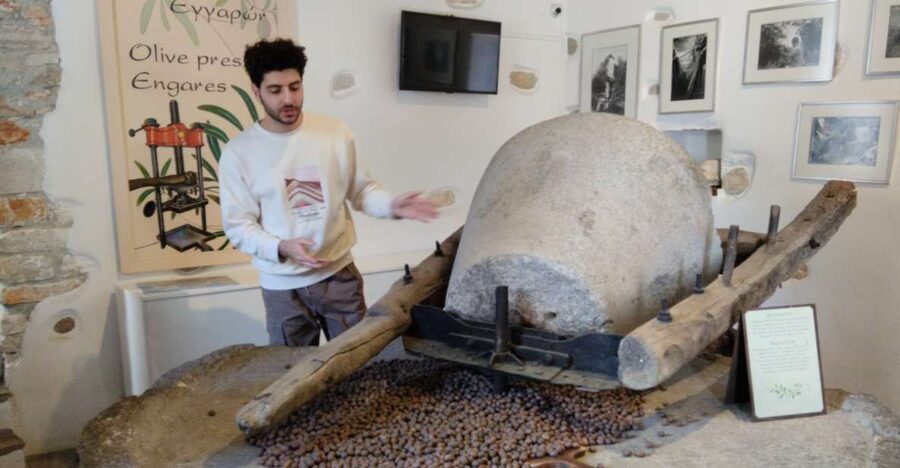
After about ten minutes on the bus, you reach Damalas, a small community of roughly 100 residents among the olive groves of Tragea. The stop lasts about 30 minutes, so you will not see every corner of the village. What you do get is more personal than a quick photo stop.
Local potter Manolis welcomes the group into his workshop and demonstrates traditional techniques on the wheel. His family has worked there for four generations. You can watch the clay take shape, hear about the craft, and browse for a useful or decorative souvenir.
This stop gives the tour a welcome change of pace. Ancient stones can tell you about Naxos centuries ago, but a working workshop shows how island traditions continue in daily life. I would set aside a little spending money here if you like handmade goods. The tour does not promise a particular item or price, so view the shopping as optional rather than part of the admission.
The stop also helps break up the sightseeing. You are not simply stepping off a bus, taking a picture, and getting back on. You have a chance to meet someone connected to the place, even if the visit is short.
Chalki, the former capital, in about one hour
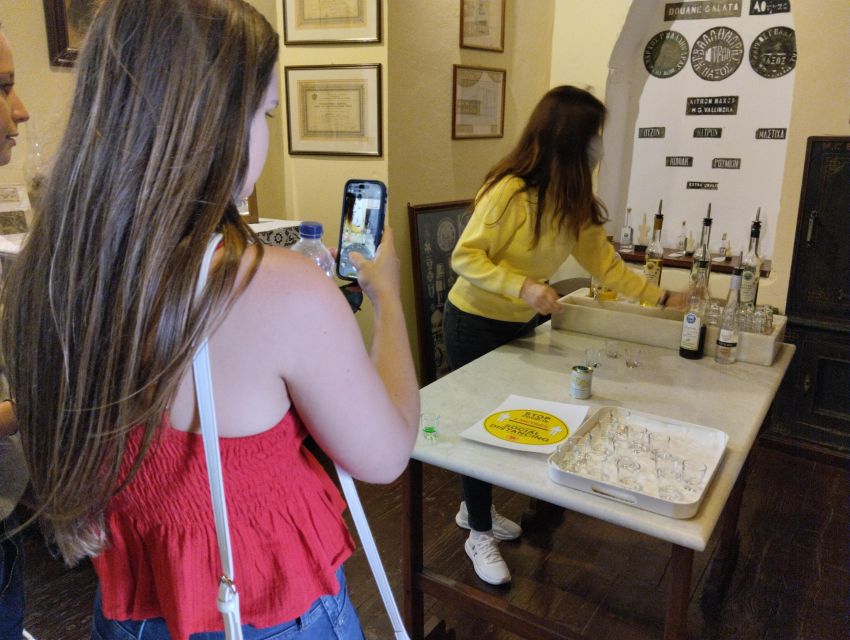
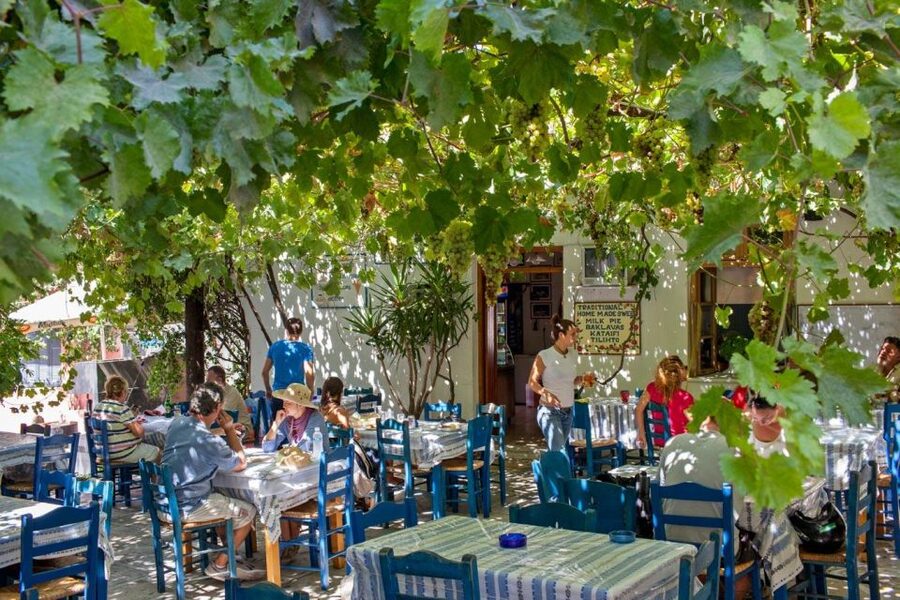
The bus continues for roughly ten minutes to Chalki, also called Chalkio in some schedules. This was once Naxos’ capital and main commercial center. Today, it is known for attractive lanes, traditional buildings, cafés, and small shops.
You get about 50 to 60 minutes of free time. That is enough to walk through the central lanes, stop for coffee, look for handmade souvenirs, or visit the Vallindras Kitron Distillery. The optional distillery entry costs €3 in cash.
The distillery is one of the more distinctive choices at this stop. Kitron is a local liqueur made from the leaves of the citron tree, and Vallindras offers a look at a Naxian product rather than another ancient ruin. If you want the distillery visit, keep an eye on the clock. A group tour cannot wait indefinitely, and the village itself deserves some walking time.
Chalki is also where the tour’s short format is most obvious. Several people would happily spend half a day here. With less than an hour, you need to choose. I would skip extended shopping if your priority is the village streets, and I would not attempt both a long café break and the distillery unless you move quickly.
Still, the stop gives you a useful taste of inland village life. You see that Naxos is more than beaches and the port town, and you get enough time to decide if Chalki deserves a return visit.
Same base, a completely different day:
- Athens: Acropolis & up to 5 Archaeological Sites Combo Pass
★ 4.4 · 12,619 reviews - Athens: Acropolis Ticket with Optional Audio or Live Guide
★ 4.2 · 11,055 reviews - Athens: Acropolis, Parthenon & Acropolis Museum Guided Tour
★ 4.8 · 9,316 reviews - Athens: Cape Sounion & Poseidon Temple Sunset Half-Day Trip
★ 4.8 · 8,241 reviews
Panagia Drosiani and its fragile frescoes
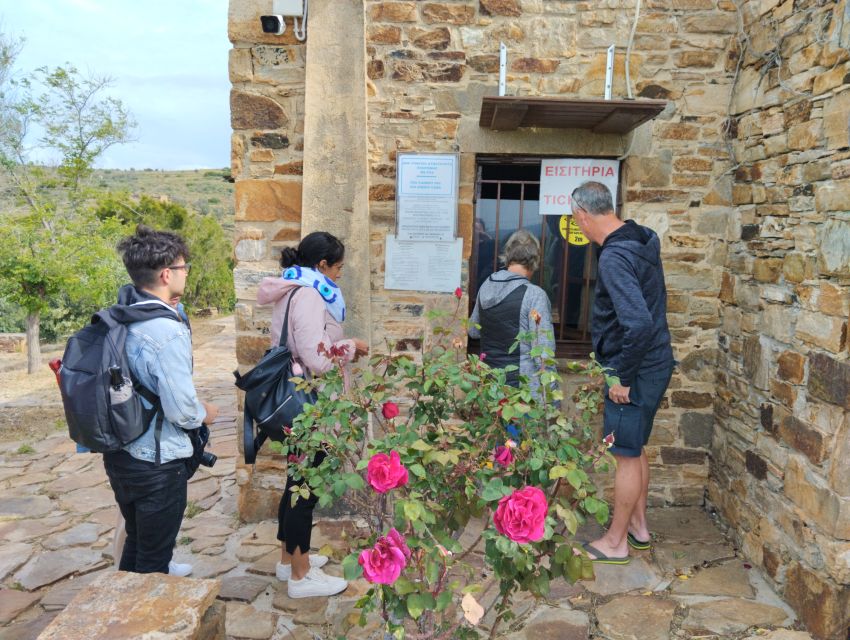
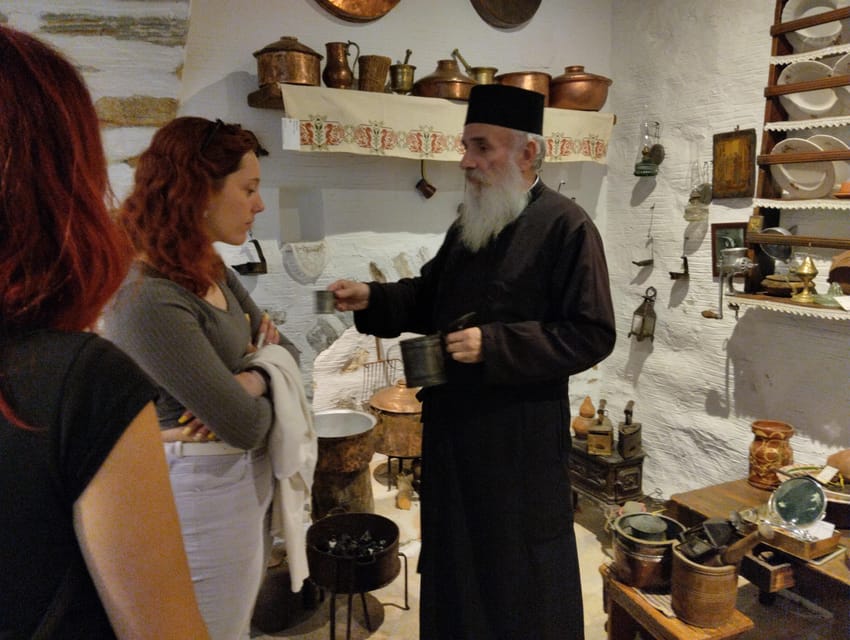
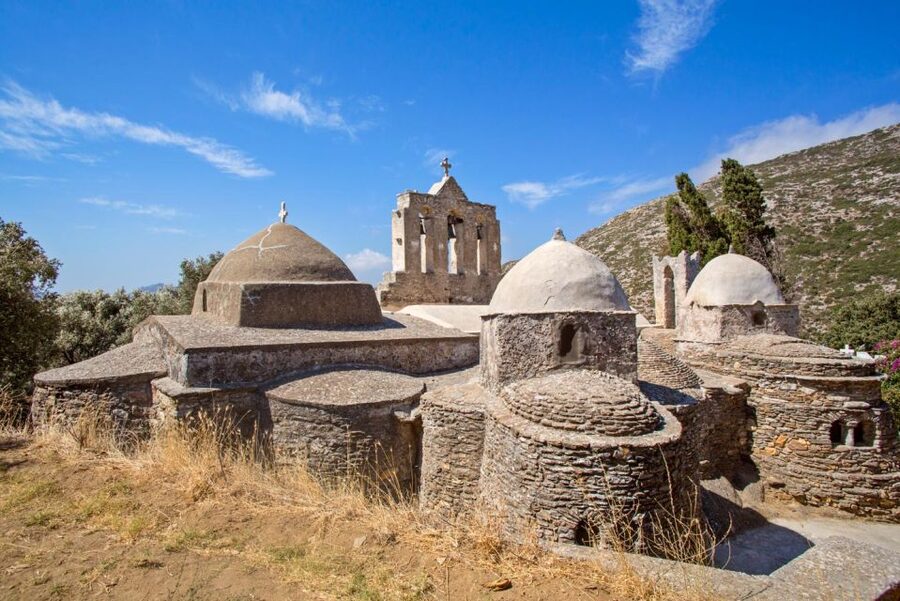
The route then follows old olive groves to Panagia Drosiani Church. The stop is brief, around ten minutes, and often works as a photo stop from outside. If the church is open, you may step inside to see its old frescoes.
Panagia Drosiani is dedicated to the Virgin Mary and is regarded as one of the oldest churches in the Balkans. Its architecture and paintings make it one of the tour’s most meaningful stops, but the short timing means you should keep your expectations realistic.
Your guide gives the background before you enter, since the guide cannot provide a formal talk inside the church. Opening access can vary, so you may not get inside on the day. If you do, bring one to five euros for the customary church donation. Dress and behave respectfully, and do not assume that photography will be permitted in every interior.
This is a stop where ten extra minutes would be welcome. The quick visit is enough to point out the building and offer context, but not enough for a slow look at every detail. If early Christian and Byzantine art is your main interest, plan a separate visit if possible.
Marble quarries and the working side of Naxos
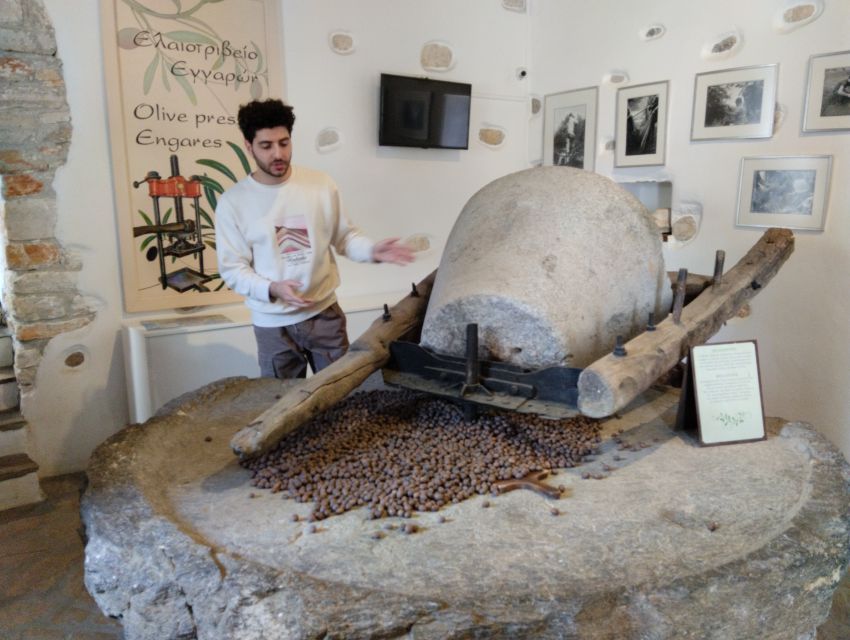
Near Kinidaros, the bus pauses by the road for about five minutes so you can photograph the modern marble quarries. You do not enter the quarry, but the viewpoint shows the scale of an industry that remains part of Naxos today.
This brief stop adds useful balance. The ancient monuments are made from the same island material that is still extracted and worked in the present day. The quarry view connects the sanctuary, statues, and buildings you see on the tour with the island’s current economy.
Five minutes is enough for photographs, not much else. Keep your camera ready, and do not expect a museum or a guided quarry visit. It is a roadside pause, but a worthwhile one for anyone interested in how Naxos has used its marble across the centuries.
The Kouros Statue in Flerio Valley
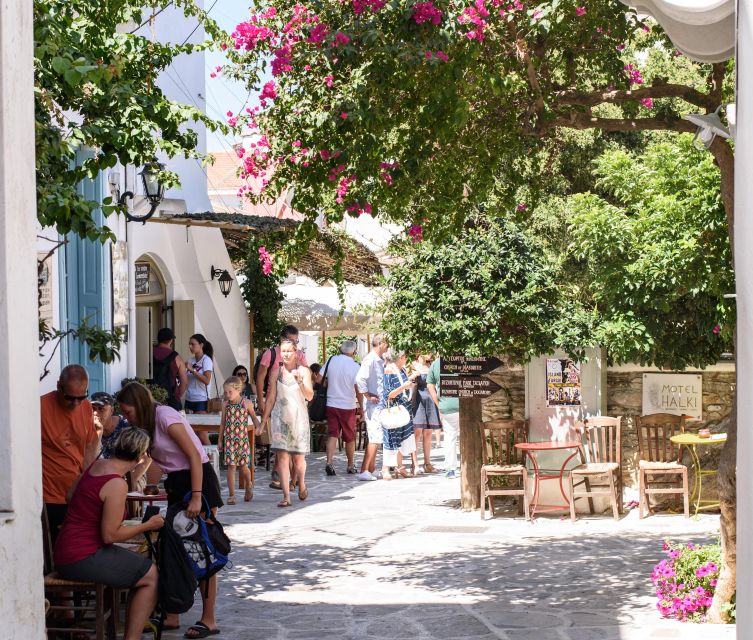
The final major stop takes you to Flerio Valley and the Kouros Statue at Melanes. The bus ride takes about ten minutes from the quarry viewpoint, followed by a walk of around 20 minutes at the site.
Flerio Valley brings a softer setting after the temple and quarry. You walk through green gardens and see the enormous unfinished Kouros, an example of ancient Naxian marble work. The statue was abandoned before completion, which makes it especially interesting: tool marks and its unfinished state help you picture how large marble figures were produced.
The walking route adds another practical consideration. It is not a difficult mountain trek, but you should still wear proper shoes and expect uneven ground. The valley can feel like one of the most pleasant sections of the day because you are walking rather than simply viewing a monument from a paved path.
This is also a strong final stop because it ties together several themes: ancient craftsmanship, local marble, and the island’s inland setting. You get a good chance for photographs and a clear explanation from the guide before returning to the bus.
Guides, drivers, and the feel on the road
The guide can make or break a short tour, and this one depends heavily on the person leading your group. Alex, Thanos, Aggeliki, Demetrius, and other local guides have led departures, with English and Greek used during the trip.
Thanos is from Naxos and has been especially effective at connecting history with everyday island life. Alex has been praised for warmth, stories, and answering questions beyond the prepared material. Aggeliki has also led groups through the villages and sites with clear commentary. Your guide will vary, but the local connection is one of the strongest features to look for.
The drive is part of the experience. You pass olive groves, mountain roads, small settlements, and marble country. A skilled driver lets you look out the window instead of worrying about hairpin bends and narrow streets. The bus is air-conditioned, and luggage storage is included.
The schedule is fairly packed. Several people have found the four-hour length just right, especially families and anyone staying only a few days. Others would prefer more time in Chalki or the smaller villages. Both reactions make sense. You see a lot, but you do not linger.
Who should book it, and who should skip it?
I would choose this tour if you are staying briefly, do not want to rent a car, or want a broad first look at Naxos beyond the coast. It suits families who want a manageable half-day, people interested in ancient sites and local craft, and anyone who prefers a driver on winding island roads.
It also works well as an arrival or middle-of-the-trip orientation. After four hours, you will understand where the inland villages are, what kind of history surrounds Naxos, and which places you may want to revisit on your own.
I would skip it if you dislike fixed schedules or want long, quiet visits. The pace is brisk, and the tour is not suitable for people with mobility impairments because of steps, hills, and uneven paths. Anyone focused mainly on Demeter’s Temple should avoid Tuesdays, May 1, and afternoon departures during a heat-wave closure.
Bring cash, comfortable shoes, a hat, and water. Arrive five minutes early at your pickup point. The tour runs in rain or sunshine, so a light rain layer is sensible outside the hottest months.
Should you book this Naxos tour?
For $35, I think this is a strong choice when your aim is to see many sides of Naxos in half a day. You get a major ancient sanctuary, two villages, local pottery, an old church, a marble viewpoint, and a famous unfinished statue, all with transport and a local guide.
Book it for breadth and ease, not for long visits. If you want a carefully paced archaeological day, hire a private guide or arrange separate stops. If you want a friendly, affordable introduction to inland Naxos, this tour gives you a useful first look and leaves enough of the island still waiting for a return visit.
FAQ
Where does the tour begin?
The standard meeting point is the Naxos Bus Transfer Office, just outside Naxos Port. Morning pickup is also available from selected spots in areas including Plaka Beach, Maragkas, Agia Anna, Agios Prokopios, Stelida, and nearby locations.
How long does the tour last?
The tour lasts four hours. The schedule includes bus travel between the sites and finishes at the Naxos Bus Transfer Office.
Is pickup from my accommodation included?
Pickup from selected locations is included only for the morning departure. Hotel drop-off is not included. Accommodation pickup and drop-off are available with the private tour option in selected areas.
How much extra cash should I bring?
Demeter’s Temple costs €5, paid on site in cash. The optional Vallindras Kitron Distillery visit costs €3 in cash. You should also bring €1 to €5 for a customary donation if you enter Panagia Drosiani Church, plus any money you may want for pottery, drinks, or souvenirs.
Is the tour suitable for people with mobility impairments?
No. You must climb steps and walk uphill at Demeter’s Temple, and the tour moves at a relatively brisk pace. It is not recommended for people with mobility impairments.
What happens if Demeter’s Temple is closed?
On Tuesdays and May 1, the temple visit is replaced with a stop at Filoti Village. The temple may also close at noon during a predicted heat wave. In that case, an afternoon departure visits Filoti Village instead.
What languages are available?
The live guide service is available in English and Greek. The tour includes an English and Greek-speaking local guide and driver.
Just added in Greece
- Lindos: Submarine Cruise with Swimming Stop at Navarone Bay★ 4.7 · 120 reviews
- Kefalonia Wine Tour★ 5.0 · 373 reviews
- Ancient Olympia Half-Day Tour from Katakolo Cruise Port★ 4.5 · 228 reviews
- Half Day Olympia Private Tour★ 5.0 · 105 reviews
- Lefkada Kayak : Explore Blue Cave with a Taste of Greece★ 5.0 · 149 reviews
- BL | A boat Trip To Blue Lagoon★ 5.0 · 211 reviews
- Agios Nikolaos: Spinalonga PM Catamaran Cruise with Dinner★ 4.8 · 88 reviews
- Catamaran Semi Cruise Paros Antiparos includes Food and Drinks★ 5.0 · 208 reviews
Historical Tours, compared.
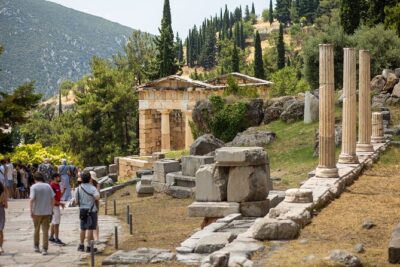
Historical Delphi One Day Tour with Arachova Stop & Expert Guide
Read our review →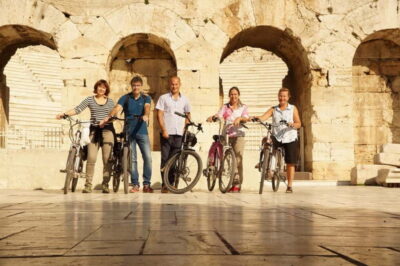
Historic Athens: Small Group Electric Bike Tour
Read our review →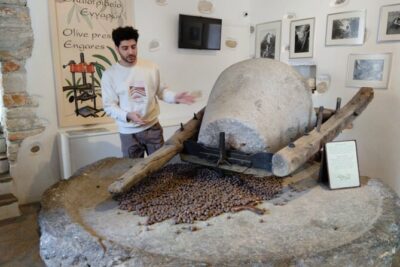
Browse the lists this tour appears in