
Reviewed · COOKING CLASSES
Athens: Traditional Vegan Cooking Class incl. Drinks
The best part of this Athens cooking class is that it treats vegan food as Greek food, not as a side project. You’ll make moussaka with cashew béchamel, spanakopita, fava, dakos, tzatziki, almond feta, and dessert, then sit down to eat it all near the Acropolis. The menu is broad, and the meal feels like the reward for your work.
I especially like the small-group format, with the cooking class usually set up for five to ten people, and the useful digital recipe book you receive afterward. The class suits meat eaters and vegetarians as well as committed vegans. One caution: the kitchen can feel tight and busy, and the informal instruction style may leave you wanting clearer demonstrations.
Key points to know
- Seven Greek dishes in about three and a half hours: You prepare everything from moussaka and fava to koulouri and ekmek.
- A fully vegan Greek menu: Cashew béchamel, almond feta, and plant-based tzatziki show how familiar dishes can change without losing their character.
- A social meal with drinks included: Water, white wine, and beer accompany the food you make.
- Hands-on rather than show-and-tell: You work in teams and follow recipe cards, with the instructor moving between tasks.
- A practical takeaway: The digital recipe book lets you repeat the dishes at home.
- Check the group size: The class is described as a maximum of 10 for the small-group format, while the additional tour information lists a maximum of 14.
A vegan Greek menu with real cooking to do
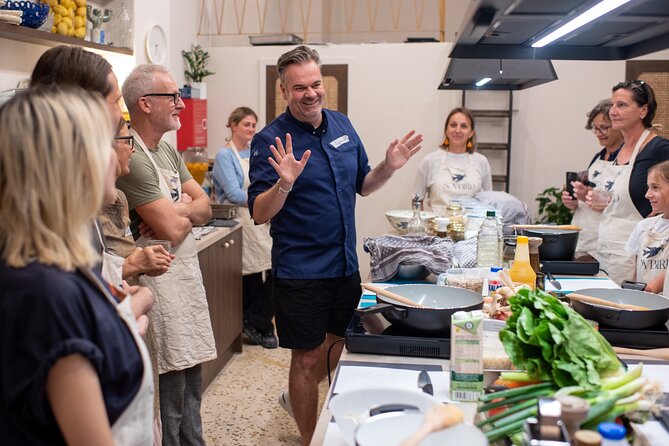
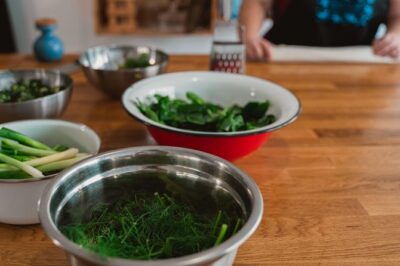
This is not a demonstration where you watch a chef chop vegetables and then receive a plate. You take part in preparing the meal. After a short introduction, the group divides into two teams and works through several recipes at the same time.
That arrangement gives you plenty to do, but it also explains the class’s main weakness. Since different people handle different dishes, you may not receive a full demonstration of every technique. You’ll need to read the recipe instructions, listen carefully, and ask for help when you need it.
The menu is ambitious for a three-and-a-half-hour class:
- Moussaka with cashew béchamel
- Fava with caramelized onions
- Dakos with homemade almond feta
- Spanakopita
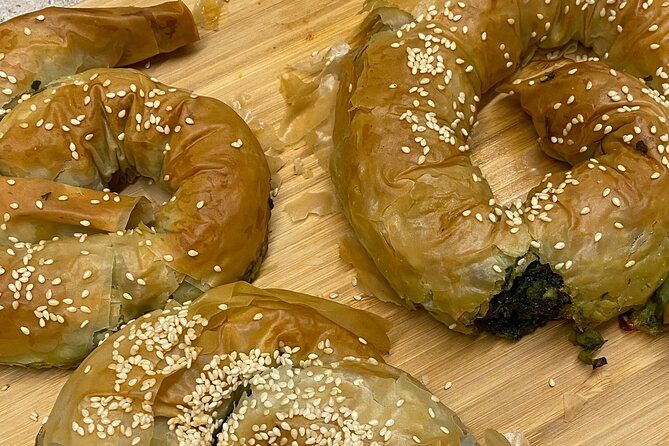
- Koulouri sesame rings
- Tzatziki
- Ekmek dessert
The class gives you a good look at the range of Greek cooking. There are creamy textures, baked dishes, crisp bread, legumes, herbs, sesame, and sweet pastry. You do not simply learn one recipe and sit down. You help make a full meal with enough variety to keep the evening interesting.
More Cooking Classes in Athens
- Athens: Classic Cooking Class with Market Visit and Wine
★ 5.0 · 1,101 reviews - Athens: Food Market Visit and Cooking Class with Wine
★ 4.9 · 1,087 reviews - Greek Cooking Class in Athens Including Rooftop Dinner with Acropolis View
★ 5.0 · 826 reviews
Starting at SOYBIRD in Koukaki
The class begins at SOYBIRD, at Veikou 75 to 77 in Athens 117 41. It is in Koukaki, the neighborhood near the Acropolis, and the meeting point is also where the class ends.
That location works well if you are staying around central Athens or planning an Acropolis visit during the same part of your trip. The activity is near public transportation, so you do not need a special transfer arrangement. The practical detail matters here because a cooking class usually ends with food, drinks, and a slower walk out than a museum visit. A central starting point makes it easier to return to your accommodation afterward.
The class lasts about three hours and 30 minutes. Allow the whole evening for it rather than trying to squeeze in another timed attraction immediately afterward. Cooking, eating, conversation, and tidying the kitchen all take time.
You receive confirmation when you book, but the class needs at least five participants to operate. If that minimum is not reached, the appointment may be canceled, with another date or activity offered, or you can receive a full refund. The provider says it will inform you 24 hours in advance if the appointment does not go ahead.
Working in two teams instead of watching a chef
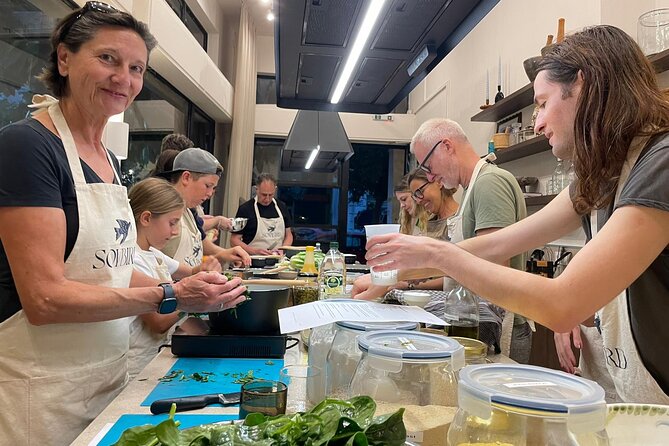
The hands-on format is the heart of the experience. You work in two teams, preparing separate parts of the meal before bringing everything together at the end.
I like this setup because it creates conversation quickly. You are not sitting silently while someone else does all the work. You may be measuring ingredients, shaping dough, stirring fava, assembling dakos, or helping with a baked dish. The tasks give solo visitors and couples an easy way to meet the rest of the group.
The format also suits different skill levels. You do not need to be a trained cook. One person can bring years of kitchen experience, while another may simply want to learn how Greek food works. The class is designed so both can contribute.
The tradeoff is a lack of step-by-step demonstration. The instructor may tell you what to do, then move to another group. One detailed account described the evening as hectic, with people sometimes searching for utensils and asking which ingredient was which. The same feedback noted that the host was working hard to help everyone, but that an extra assistant could have made the session calmer.
For the best experience, ask questions early. If you are unsure about a measuring jug, seasoning, or the next stage of a recipe, speak up instead of waiting. This is an active class, not a polished stage show.
Moussaka, fava, and the main savory dishes
Moussaka is likely to be the dish many people are most curious about. Here, the béchamel is made with cashews rather than dairy. That gives you a chance to compare the familiar Greek casserole idea with a vegan version that relies on nuts for body and creaminess.
The fava with caramelized onions offers a different kind of lesson. It is a simple, filling dish built around legumes, with the sweet onions giving it extra depth. This may be one of the easiest recipes to repeat at home, especially since it does not require the same assembly as moussaka.
Dakos brings a crisp bread base and homemade almond feta. Almond feta is one of the class’s more distinctive elements. It helps show how a dairy-free ingredient can be made for a specific Greek use rather than treated as a substitute on the side.
You also prepare spanakopita, the spinach-filled pastry. It is a useful dish to make in a group because preparation involves several steps and gives more than one person something to do. One participant particularly valued learning a filling that could be used again at home.
The menu includes both substantial dishes and lighter components. That balance makes the final meal feel like Greek home cooking rather than a tasting menu. You get a sense of how several small preparations can create a generous table.
Other classes where you cook in Athens:
- Greek Small-Group Athens Cooking Class & Dinner
★ 5.0 · 574 reviews - Athens: Greek Cooking Class & Dinner on a Rooftop
★ 5.0 · 383 reviews - Athens: Greek Cuisine Cooking Class and 3-Course Dinner
★ 4.8 · 270 reviews - Traditional Greek cooking class and lunch or dinner with an Acropolis view
★ 5.0 · 250 reviews
Tzatziki, koulouri, and ekmek complete the table
The tzatziki is made with vegan yogurt and cucumber. It is a familiar Greek flavor in a plant-based form, and it gives the meal a cool, fresh element alongside the baked dishes.
Koulouri, the sesame ring, adds a bread-making task to the class. It is a useful inclusion because the menu is not limited to savory casseroles and dips. You work with a baked item that is strongly associated with Greek food and street snacks.
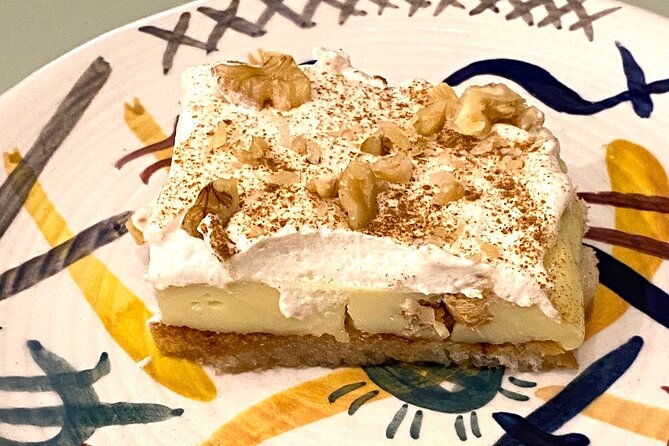
Ekmek provides the sweet finish. The menu describes it as a dessert specialty, so you finish with something more substantial than a small piece of fruit or a simple cookie. By the time the dessert is served, you have covered a surprisingly wide part of a Greek meal.
The number of dishes is a strength, but it also creates pressure. You will not spend a long time perfecting one recipe. Instead, you move between preparations and learn how several dishes fit together. If you want a slow technical lesson focused on one subject, this may feel rushed. If you want variety and a complete dinner, the pace works better.
The shared meal and included drinks

Once the cooking is finished, everyone sits down to eat the food prepared during the class. Water, white wine, and beer are included.
This shared meal is more than a convenient way to finish the activity. It gives you a chance to taste the dishes together and compare the results. Cooking with strangers can feel slightly awkward at first. Sitting at the table afterward gives the evening a clear social finish.
The drinks help, too, though you should not think of the class as a wine tasting. The focus is Greek cooking, not formal instruction about beverages. The white wine and beer simply make the final meal more relaxed.
The social side is one of the strongest reasons to choose this activity. It works well for a date night, a solo evening, or a small group looking for something more participatory than a restaurant meal. The class has also proved comfortable for people who are not vegan. You can enjoy the food without making a permanent change to your diet.
What the teaching style is really like
Guides such as Alexandra and Mirka have been praised for keeping the group moving while making beginners feel comfortable. Alexandra is described as handling several recipes and different ability levels at once. Mirka is noted for helping the group adapt traditional Greek dishes into vegan versions.
That said, the exact guide may vary. The provider is SOYBIRD, and the experience is offered in English.
The teaching style is informal and collaborative. It aims to feel like cooking in a friend’s home rather than attending a formal culinary school. That can be warm and friendly, but it may also mean less structure than you expect.
Ingredient and utensil labeling is an area where you should keep your attention on the job. One participant found that pepper and volcanic salt were not always clearly marked, and that measuring tools were not immediately easy to find. Another practical point is hair: if you have long hair, tie it back before starting.
The kitchen has been described as clean, and the ingredients are prepared before the class begins. Still, with eight people plus an instructor in a small space, movement can be crowded. You may help wash and dry dishes as the cooking progresses. I see that as part of the communal nature of the class, but it is worth knowing if you expect a hands-off evening.
Is $94.66 a fair price?
At $94.66 per person, this is not a cheap meal. The price makes more sense when you count what is included: about three and a half hours of instruction, a large menu, the meal you prepare, water, white wine, beer, and a digital recipe book.
You are paying for an activity as much as for dinner. A restaurant meal would be easier and possibly less expensive, but it would not teach you how to make cashew béchamel, almond feta, spanakopita, or Greek vegan desserts.
The value is strongest if you enjoy participating. If you only want to eat plant-based Greek food, a restaurant may suit you better. If you want an evening that combines cooking, conversation, and a full meal, the cost is reasonable for central Athens.
The recipe book adds lasting value. It is easy to leave a cooking class with good intentions and no way to repeat the dishes. A digital collection gives you a practical reference once you return home.
Who should book this Athens cooking class?
I would recommend it to you if you want more than sightseeing and like meeting people through a shared task. It is especially suitable for:
- Vegans seeking Greek dishes beyond salads and grilled vegetables
- Vegetarians and meat eaters curious about plant-based cooking
- Couples looking for a hands-on evening
- Solo visitors who want a social activity
- Cooks at beginner or intermediate level
- Anyone who wants recipes to use at home
I would be more cautious if you need a quiet, highly structured lesson. The class may feel busy, and you may not see a complete demonstration before attempting each task. The small kitchen and informal organization are part of the experience, not minor details.
You should also check the group-size information when booking. The class is described as a maximum of 10 people for its small-group setup, while the additional information lists a maximum of 14 participants. If personal attention matters to you, confirm the expected number before paying.
The induction cooker means the activity is not suitable for people with pacemakers. That is a specific safety restriction, so take it seriously.
Should you book SOYBIRD’s vegan cooking class?
Book it if you want to make a full spread of Greek food, eat what you prepare, and leave with recipes you can use again. The range of dishes, central Koukaki location, included drinks, and friendly group format give you a lot for a three-and-a-half-hour evening.
Skip it if you want a quiet chef demonstration, precise culinary-school technique, or a single dish taught in great detail. The class can get hectic, and the instructor may be managing many jobs at once.
For most food-minded visitors, I think the strongest reason to book is the combination of real participation and a proper shared dinner. You do not just sample a vegan version of Greek cuisine. You help build the meal from its separate parts, then sit down with the people who made it alongside you.
FAQ
Where does the cooking class begin?
It begins at SOYBIRD, at Veikou 75 to 77, Athens 117 41, Greece, in the Koukaki area near the Acropolis.
Where does the activity end?
The class ends back at the meeting point at SOYBIRD.
How long does the experience last?
It lasts approximately three hours and 30 minutes.
What language is the class offered in?
The class is offered in English.
What dishes do you prepare?
The sample menu includes moussaka with cashew béchamel, fava with caramelized onions, dakos with homemade almond feta, spanakopita, koulouri sesame rings, tzatziki, and ekmek dessert.
Are drinks included?
Yes. Water, white wine, and beer are included with the shared meal.
How many people are in the class?
The cooking format is described as a small group of five to ten people. The additional activity information lists a maximum of 14 participants, so you may want to confirm the expected group size before booking.
Can you cancel for a full refund?
Yes. You can cancel at least 24 hours before the start time for a full refund. Cancellations or changes made less than 24 hours before the start time are not accepted for a refund.
More Workshops in Athens
- Athens Airport Private Transfer by Mercedes-Benz E Class Wagon to City Center
★ 5.0 · 232 reviews - Athens Greek Cooking Class Pita Gyros from Scratch with a Local
★ 5.0 · 175 reviews - Athens: Greek Cooking Class with Meal and Drinks
★ 4.9 · 171 reviews - Athens: Kerameikos Stone House Cooking Class
★ 5.0 · 165 reviews
More Food in Athens
- Greek Food Walking Tour in Athens
★ 5.0 · 4,740 reviews - Athens: Street Food Tasting Tour
★ 4.9 · 2,557 reviews - Athens: Greek Foodie Tour with Tastings
★ 4.9 · 2,177 reviews - Small Group Greek Traditional Food Tour in Athens 20+ Tastings
★ 5.0 · 1,759 reviews
Just added in Athens
- Ceramic and Pottery Creative Workshop with Two Local Artists★ 4.0 · 57 reviews
- Small-Group Women History in Ancient Greece Walking Tour★ 5.0 · 38 reviews
- Athens Old City Private Photoshoot Tour / 2 hrs★ 5.0 · 109 reviews
- Athens: Wine Workshop Create your Own Wine under the Acropolis★ 5.0 · 77 reviews
- Athens: Greek Wines Tasting with Sommelier and Acropolis Views★ 5.0 · 88 reviews
- Wine Trails Private Tour/ Nemea visit 3 wineries from Athens or Nafplion (10 h)★ 5.0 · 44 reviews
- Hydra Private Day Trip by Ferry from Athens with Transfers★ 4.0 · 30 reviews
- FLYING DRESS Photoshoot in Athens – Greece★ 5.0 · 47 reviews
Cooking Classes, compared.
Classic Cooking Class with Market Visit and Wine
Read our review →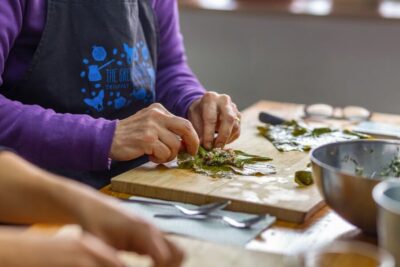
Food Market Visit and Cooking Class with Wine
Read our review →
Greek Cuisine Cooking Class in Santorini with Recipes and Wine
Read our review →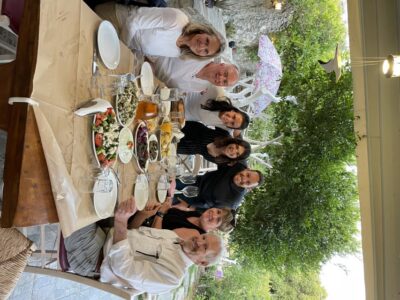
Half-Day Cooking Class at Basiliko Family Tavern
Read our review →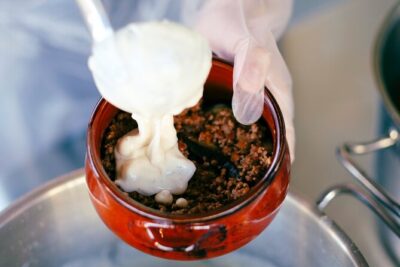
Greek Cooking Class in Athens Including Rooftop Dinner with Acropolis View
Read our review →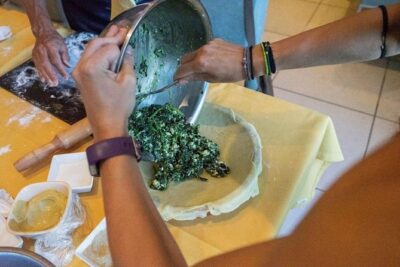
Greek Small-Group Athens Cooking Class & Dinner
Read our review →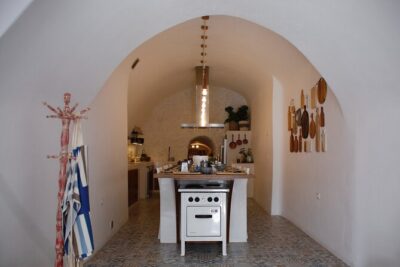
Exclusive Cooking Experience in our Cave Home by Petra Kouzina
Read our review →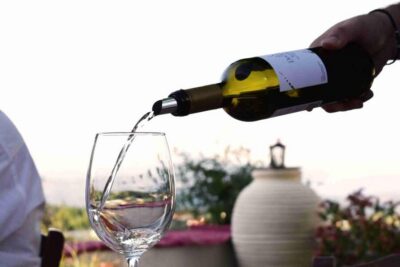
Authentic Cooking Class in the White Mountains
Read our review →Browse the lists this tour appears in