
Reviewed · ACROPOLIS & ATHENS HIGHLIGHTS
Athens: Acropolis and Μuseum Private Guided Tour
The best thing about this private Athens tour is the way it connects the stones on the Acropolis with the people who built, worshipped in, argued over, and used them. Ioanna, a licensed archaeologist and guide, explains the gods and heroes, then ties those stories to architecture, politics, sculpture, and ordinary Athenian life.
I like the private group format, especially for families or anyone who wants to ask questions without keeping up with a large crowd. I also like that the tour includes both the hilltop ruins and the Acropolis Museum, where the sculptures and objects make more sense after you have seen their original setting. The main consideration is the three-hour limit: with crowds, heat, and two major sites, the pace can be purposeful rather than leisurely.
Key points to know
- Ioanna brings archaeology and mythology together, making the monuments easier to understand.
- The private tour suits mixed-age groups, including children, teenagers, adults, and older family members.
- The route covers the Acropolis and museum, not just a quick look at the Parthenon.
- The hilltop views are excellent, but the climb, sun, and uneven ground call for sensible shoes and a hat.
- Tickets are separate and must be bought online in advance, so arrange admission before meeting your guide.
- The $333 group price covers up to six people, which can be good value when shared by a family or small party.
Why a private Acropolis tour can be worth the cost
The Acropolis is easy to recognize and surprisingly easy to misunderstand. You can look at the Parthenon, take a photograph, and still miss why the buildings were placed where they are, how Athenian power shaped the sanctuary, and why the sculptures mattered so much.
A private guide gives you a thread to follow. Instead of receiving disconnected facts, you can ask why Athena mattered to the city, how myths shaped public life, or what a sculpted figure was meant to communicate. Ioanna’s background in archaeology is especially useful here because she can discuss both the grand monuments and the smaller details of ancient life.
The listed price is $333 for a group of up to six people. That is not a budget walk for one person, but it becomes more reasonable when shared among a family or group of friends. A six-person party pays about $55.50 each before admission fees. The real value is the one-to-one attention, the ability to adjust explanations for different ages, and the freedom to pause for questions.
You should also account for the separate Acropolis and museum entrance fees. This is not an all-inclusive ticket. You must purchase both admissions online in advance, and anyone using a reduced or free ticket should bring a passport to confirm age and country of origin.
More of the old city on foot in Athens:
- Athens: Acropolis & up to 5 Archaeological Sites Combo Pass
★ 4.4 · 12,619 reviews - Athens: Acropolis Ticket with Optional Audio or Live Guide
★ 4.2 · 11,055 reviews - Athens: Acropolis, Parthenon & Acropolis Museum Guided Tour
★ 4.8 · 9,316 reviews
Meeting Ioanna near the Acropolis entrance
The meeting point is at the corner of Rovertou Galli and Garivaldi Street, opposite the Acropolis bus parking area. Look for the souvenir shop called God’s Workshop. Ioanna wears the blue official badge used by licensed guides.
This is a practical meeting place if you are arriving on foot from the central Acropolis area, but give yourself enough time to find it. The tour does not include hotel pickup or transportation, and it ends at the same meeting point.
Because the activity runs in all weather, your clothing matters. Wear comfortable shoes and bring a sun hat. Athens can be very hot on the exposed hill, and the pace may need to stay steady if the sun is strong. The guide can adjust the rhythm and seek shade when possible, but there is no way to turn the Acropolis into an indoor attraction.
Walking up the Sacred Rock
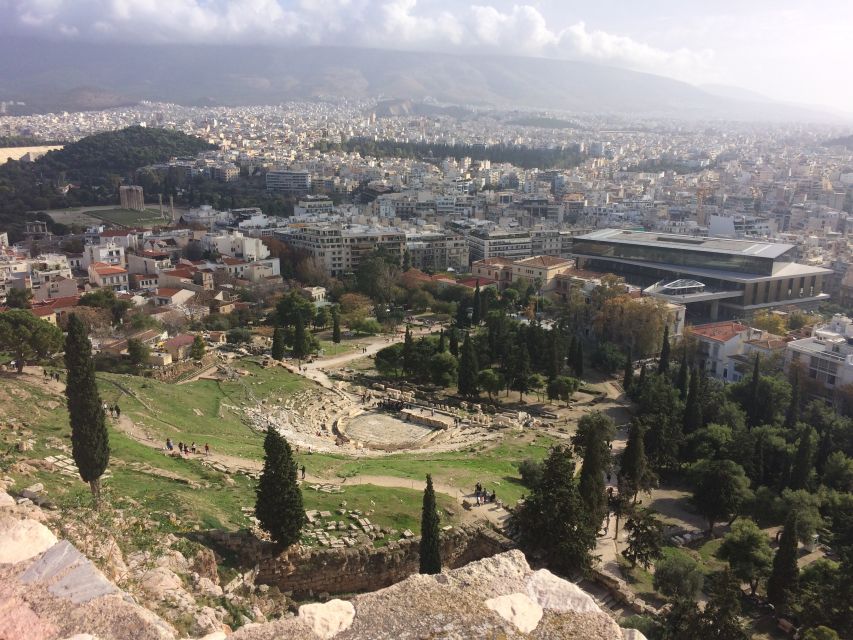
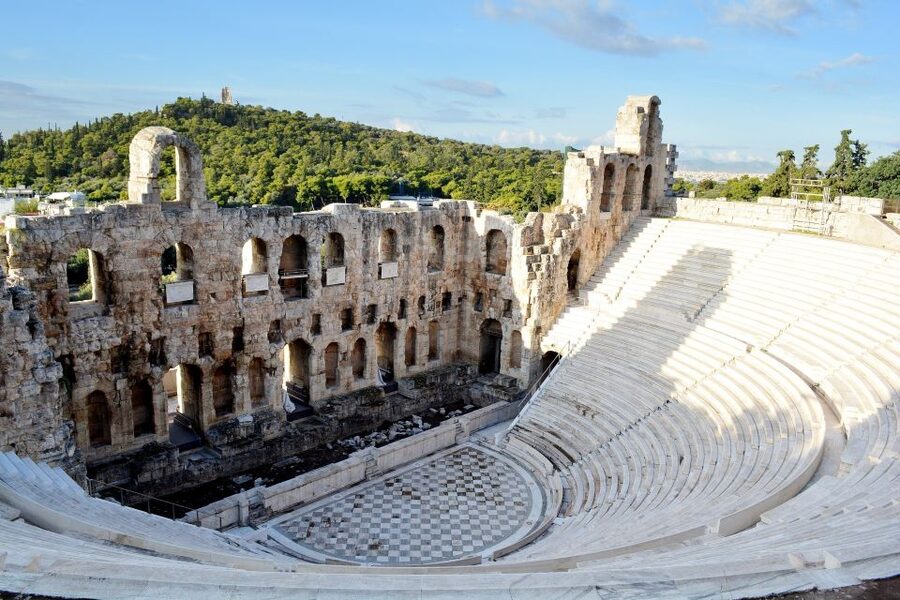
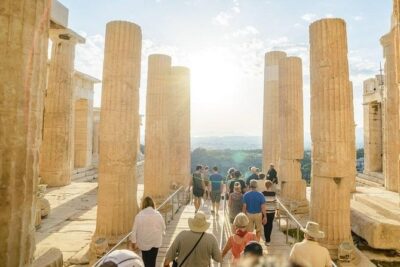
The tour begins with the climb toward the Acropolis. Along the way, you see the Odeon of Herodes Atticus, the large ancient theater set into the south slope of the hill. It gives you an early sense that the Acropolis was not simply a collection of temples. It was part of a wider civic and religious center.
The approach is important because the monuments reveal themselves gradually. You are not dropped beside the Parthenon with no context. The route helps you understand the hill as a sacred place, a public symbol, and a powerful statement about Athens.
The walk can be demanding for anyone with limited mobility. The activity information describes the tour as wheelchair accessible but also says it is not suitable for wheelchair users or people with mobility impairments. Treat the latter warning seriously and confirm conditions before booking if anyone in your party has difficulty with stairs, slopes, or uneven surfaces.
The Propylaia and Temple of Athena Nike
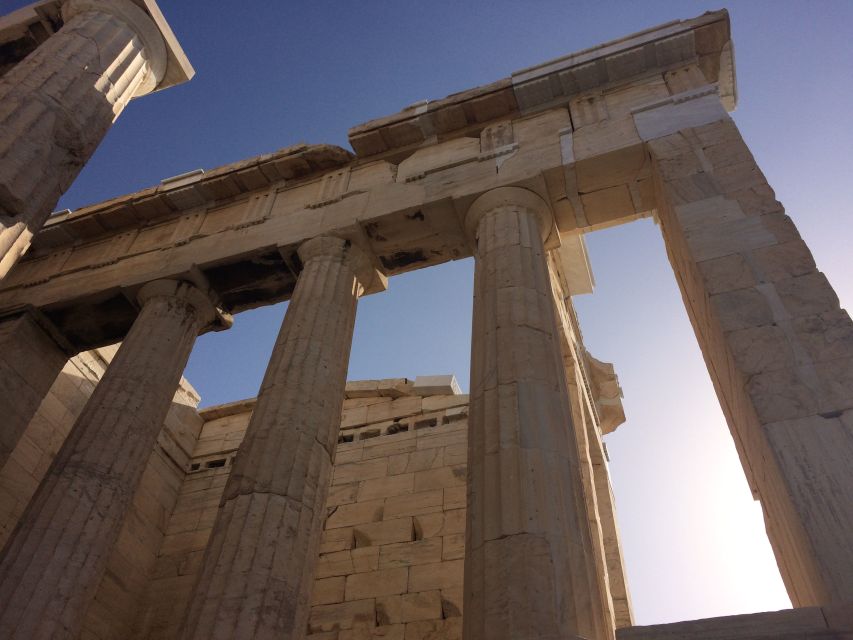
At the top, the monumental entrance known as the Propylaia frames your arrival. Its scale makes a clear first impression, but the guide gives you reasons to look closer at how the entrance was planned and what it signaled to people approaching the sanctuary.
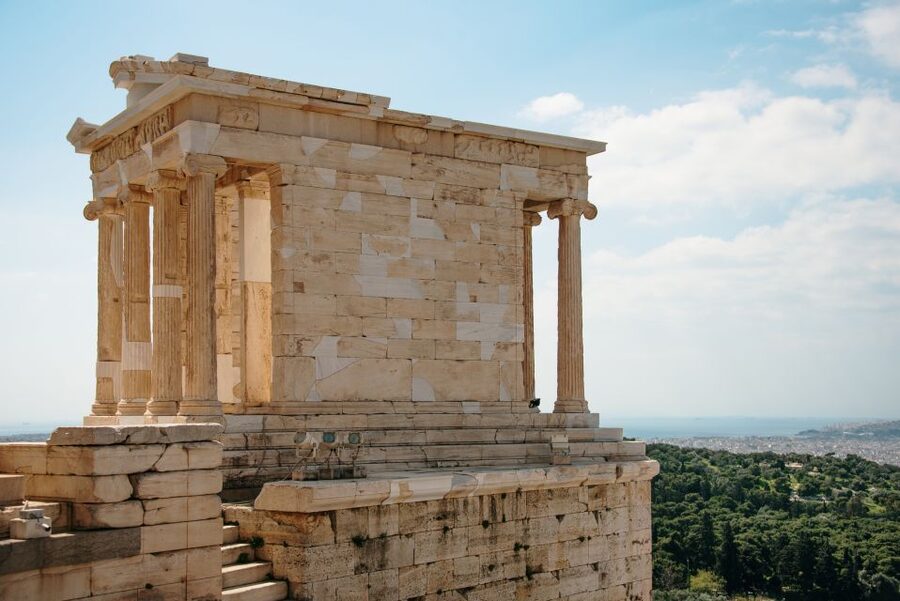
Nearby, the Temple of Athena Nike honors Athena in her role as a bringer of victory. This small temple is easy to overlook beside the Parthenon, which is one reason a guide helps. Ioanna can put its size, position, and religious meaning into the larger story of the Acropolis.
This part of the tour also introduces the competing interests behind major public works. Ancient Athens was shaped by religion and politics at the same time. The buildings were places of worship, but they also expressed civic ambition and the power of the city.
A few more things to do in Athens worth a look
- Best of Athens Half Day Private Tour
★ 5.0 · 3,714 reviews - Athens Full Day Private Tour
★ 5.0 · 2,903 reviews - Athens Airport Private Arrival Transfer with Meet & Greet
★ 4.5 · 1,495 reviews - Athens Airport to Athens Hotels Private Arrival Transfer
★ 5.0 · 947 reviews
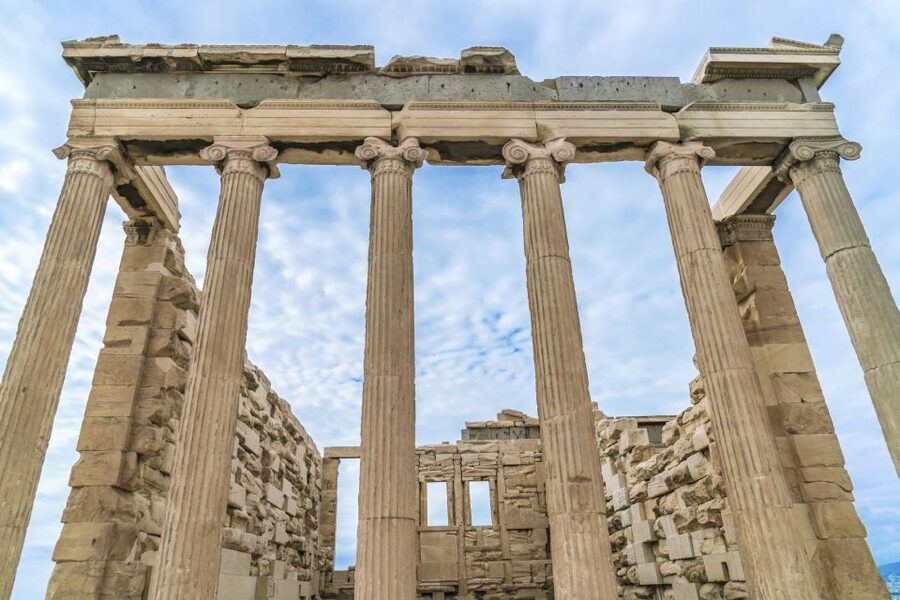
The Caryatids and the Erechtheion
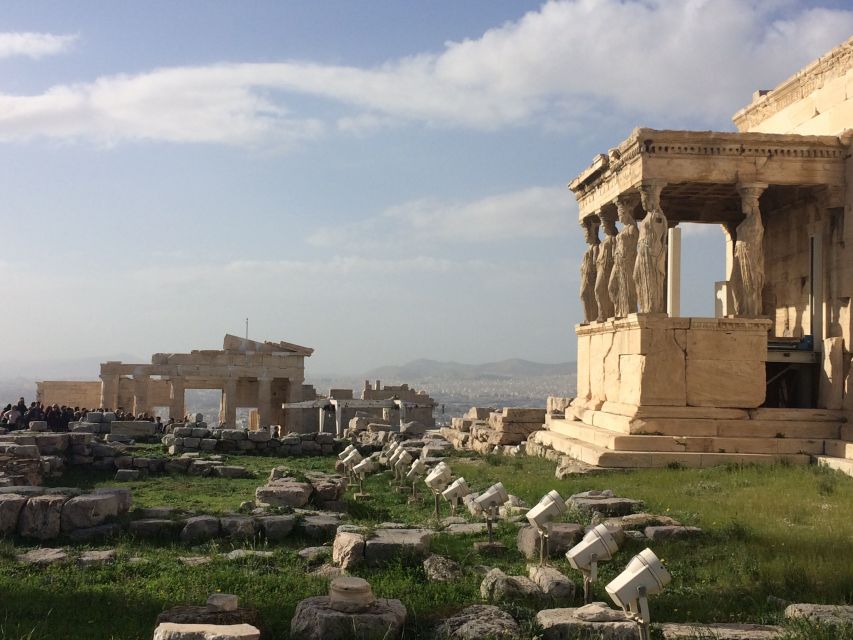
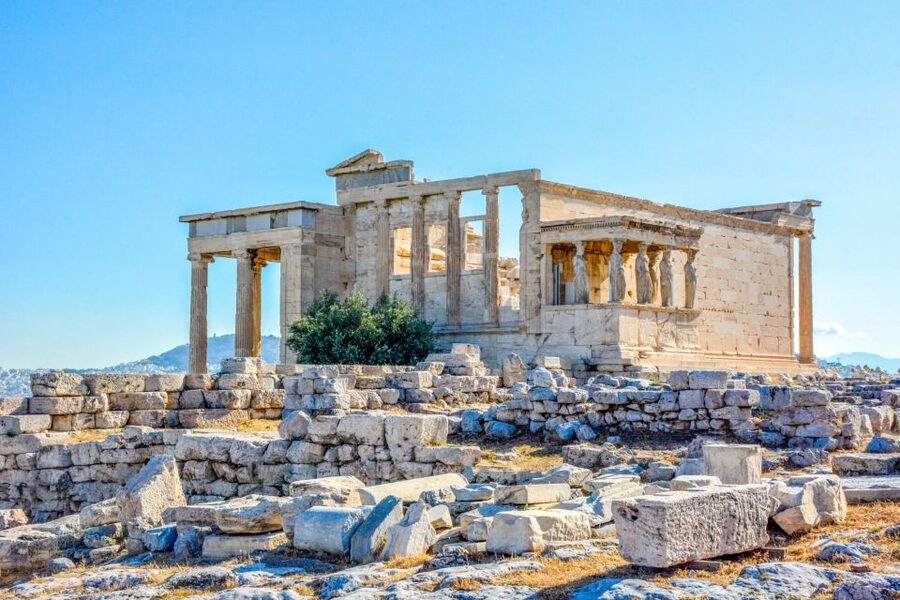
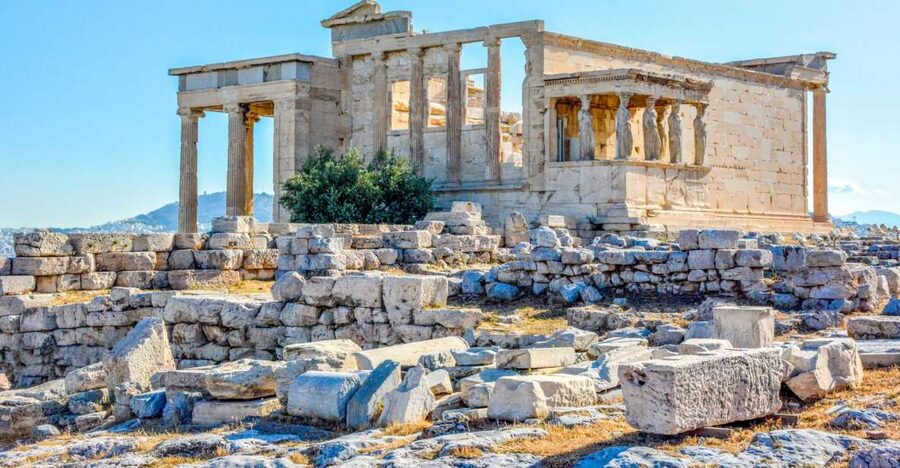
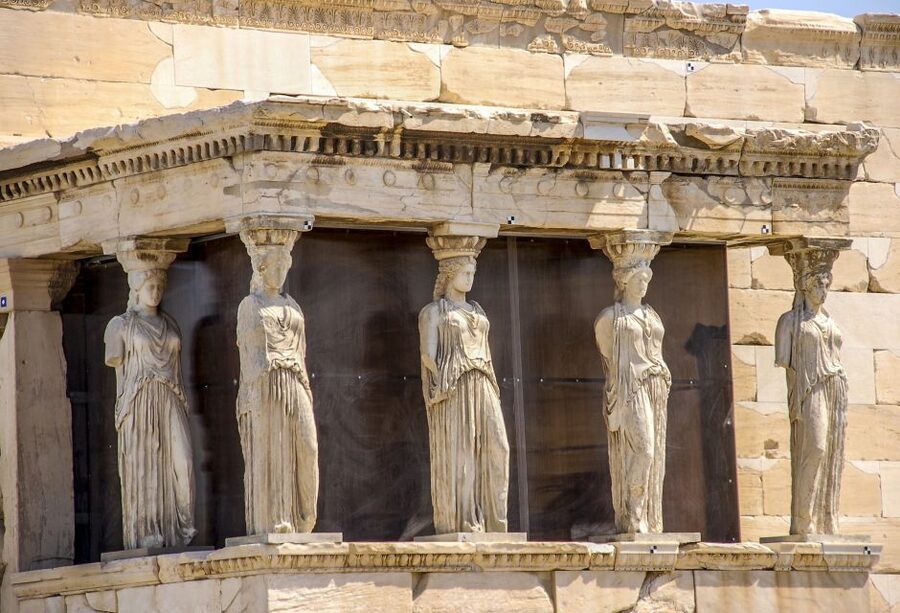
The temple with the maidens is one of the Acropolis’ most memorable sights. The female figures known as Caryatids serve as architectural supports, turning a structural element into sculpture.
A guide can help you notice the unusual design rather than treating the Caryatids as a quick photo stop. Their clothing, posture, and arrangement carry meaning, while their role shows how ancient architects joined engineering and art.
The Erechtheion also connects to the competing myths and sacred traditions of Athens. This is a good place to ask questions because the site does not tell one simple story. The city’s religious identity grew from several traditions, including stories tied to Athena and the early heroes of Athens.
The Parthenon and the view over Athens
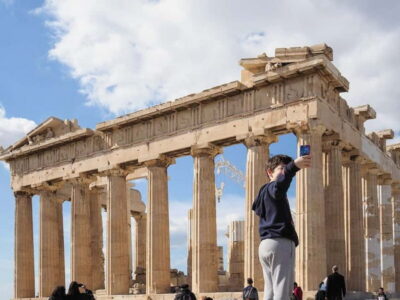
The Parthenon is the emotional center of the visit. It was dedicated to Athena and built on a scale meant to impress. Even in its damaged state, the structure gives you a strong sense of order, proportion, and ambition.
Ioanna’s explanations focus not only on what the building looks like but also on the people behind it. You hear about the artists, politicians, religious beliefs, and public life connected to the project. The tour also covers scandals involving ancient artists and political figures, a useful reminder that the classical world was not as calm or perfect as its surviving marble suggests.
The view from the hill is part of the experience, not just a bonus. You can take in modern Athens spreading below the ancient sanctuary. That contrast helps explain why the Acropolis remains such a strong symbol: it belongs to the ancient city, but it also shapes the identity of the modern one.
The open setting has a practical downside. There is little protection from heat, and crowded walkways can make it hard to linger. The guide’s local route planning matters here. Ioanna has been praised for choosing good approaches, managing the pace, and finding quieter places when possible.
Moving from ruins to objects at the Acropolis Museum
The New Acropolis Museum changes the tone of the visit. After walking among the buildings, you move into a modern concrete-and-glass structure with more than 150,000 square feet of exhibition space.
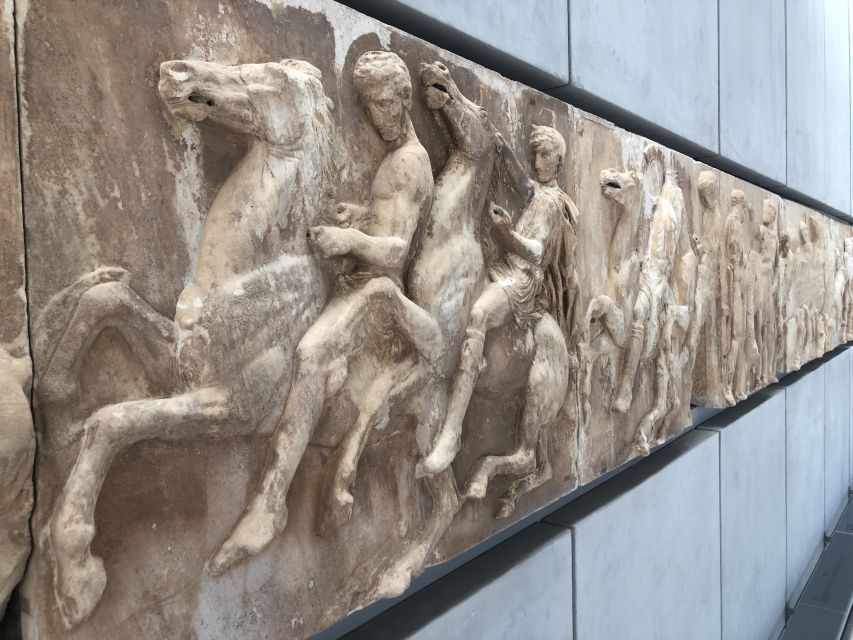
The museum gives you a closer look at sculpture, architectural fragments, and objects connected to daily life. At the Acropolis, you see the monuments at a distance and in open air. Inside, you can study details that are easy to miss outdoors.
This second half is especially valuable because it corrects a common problem with ancient sites: you may see impressive ruins without understanding how colorful, detailed, and human the original setting was. The museum brings the art closer to eye level and gives Ioanna a chance to explain what the figures represent, how they were made, and how they fit into religious life.
The museum also offers broad views back toward the Acropolis and modern Athens. That visual link is one of the building’s best features. You are not simply looking at old objects in isolation. You can connect them to the hill you have just climbed.
Three hours is enough for a guided introduction to both places, but it is not enough for every gallery or every object. If you like to read every label or spend long stretches with individual sculptures, plan a separate museum visit. This tour is better for getting a clear framework and seeing the principal works with expert explanation.
Mythology, politics, and daily life for all ages
The strongest part of this experience is its range. You hear about Greek gods and heroes, but the tour does not stop at mythology. It also covers religion, occupations, politics, art, architecture, and everyday life in classical Athens.
That mix helps children and teenagers stay involved. Ioanna has successfully adapted her explanations for groups ranging from young children to older adults, and she can shift between stories, visual details, and broader historical points. Younger visitors may remember the gods first, while adults may be more interested in political conflict or the way the buildings were designed.
The private setting also helps mixed groups. An adult can ask about archaeological evidence, while a teenager asks about a myth or a child focuses on a carved figure. You do not have to worry about slowing down a large tour party.
The guide’s English is described as excellent, and tours are available in English or Greek. A bilingual group can request the tour in both languages, though that may affect how much detail fits into three hours.
Heat, crowds, and the pace of the visit
Crowds are a fact of the Acropolis, particularly at popular times. A private guide cannot remove them, but Ioanna can help you approach the major sights sensibly and use quieter spots for explanations when possible.
Heat is the other serious consideration. The tour operates in rain or heat unless the Ministry closes the site for safety reasons. Early April can still feel sunny on the hill, and August can be much harder. Bring water even though food and drinks are not included, and do not rely on finding shade whenever you want it.
The pace has to balance education with movement. At times, you may pause for a story or question. At other times, you will need to keep moving to stay with the schedule and avoid the worst congestion. People who want a relaxed, unhurried museum morning may prefer to book a separate visit after the tour.
Who will get the most from this tour
I would recommend this experience most strongly to:
- Families with children or teenagers who need stories and clear explanations.
- First-time visitors who want the main Acropolis monuments put in context.
- Small groups that value privacy and the chance to ask many questions.
- Anyone interested in mythology, ancient art, politics, or architecture.
- Visitors with only a few hours who want both the hilltop site and museum covered.
It may not suit you if you have significant mobility limitations, dislike walking in sun, or prefer exploring museums entirely at your own pace. It is also less attractive for solo visitors on a tight budget, since the fixed group price makes most sense when shared.
The tour is private, but the admission fees are not included. That distinction matters when comparing it with a group excursion. Add the price of both site tickets before deciding what the full cost means for your party.
Booking details that matter
You can cancel up to 24 hours before the tour for a full refund, and the reserve-now, pay-later option keeps your plans flexible. Check the available starting times when booking, since the duration is fixed at three hours.
Buy your Acropolis and museum tickets online in advance. If you qualify for a free or reduced ticket, carry your passport. The guide fee does not replace entrance admission.
The experience ends back at the starting point. Since there is no hotel pickup or drop-off, plan your route to and from the corner of Rovertou Galli and Garivaldi Street.
Should you book the Acropolis and Museum private tour?
Book it if you want the Acropolis to make sense, not just look impressive. Ioanna’s strength is the combination of archaeology, mythology, architecture, and everyday life, and the private format lets her adjust the tour to your group.
The $333 price is easiest to justify for four to six people, families, or anyone who values a guide who can answer questions and manage the route. Bring good shoes, a hat, water, and your pre-purchased tickets. If you can accept the heat, crowds, climb, and brisk three-hour schedule, this is a strong way to connect Athens’ most important ancient site with the museum that explains it.
FAQ
How long is the Acropolis and Museum tour?
The tour lasts three hours. Starting times depend on availability when you book.
Is this a private tour?
Yes. It is arranged for a private group of up to six people.
Who guides the tour?
The experience is led by a local, licensed guide who is also an archaeologist. The named experience provider is Ioanna.
What languages are available?
The tour is offered in English or Greek.
Are Acropolis and museum entrance tickets included?
No. You must purchase the entrance tickets separately and online in advance.
Where does the tour start?
Meet at the corner of Rovertou Galli and Garivaldi Street, opposite the Acropolis bus parking area, in front of the God’s Workshop souvenir shop. Your guide wears the blue official badge of licensed guides.
What should I bring?
Bring comfortable shoes and a sun hat. Food and drinks are not included, so plan accordingly.
Is the tour suitable for wheelchair users?
The information describes the activity as wheelchair accessible but also says it is not suitable for wheelchair users or people with mobility impairments. If this applies to you, confirm access conditions before booking.
Just added in Athens
- Ceramic and Pottery Creative Workshop with Two Local Artists★ 4.0 · 57 reviews
- Small-Group Women History in Ancient Greece Walking Tour★ 5.0 · 38 reviews
- Athens Old City Private Photoshoot Tour / 2 hrs★ 5.0 · 109 reviews
- Athens: Wine Workshop Create your Own Wine under the Acropolis★ 5.0 · 77 reviews
- Athens: Greek Wines Tasting with Sommelier and Acropolis Views★ 5.0 · 88 reviews
- Wine Trails Private Tour/ Nemea visit 3 wineries from Athens or Nafplion (10 h)★ 5.0 · 44 reviews
- FLYING DRESS Photoshoot in Athens – Greece★ 5.0 · 47 reviews
- Small-Group Wine Tour in Athens with Tasting★ 5.0 · 33 reviews
Acropolis & Athens Highlights, compared.
Acropolis & up to 5 Archaeological Sites Combo Pass
Read our review →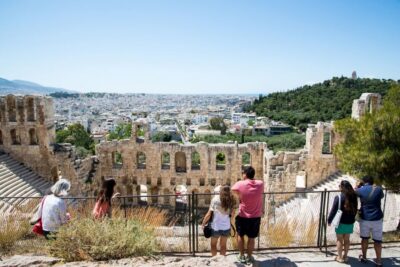
Acropolis, Parthenon & Acropolis Museum Guided Tour
Read our review →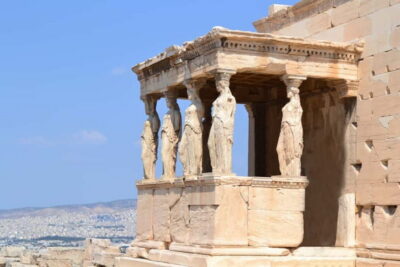

Acropolis monuments & Parthenon Walking Tour with Optional Acropolis Museum
Read our review →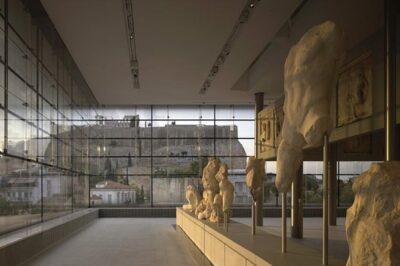
Athens All Included: Acropolis and Museum Guided Tour with Ticket
Read our review →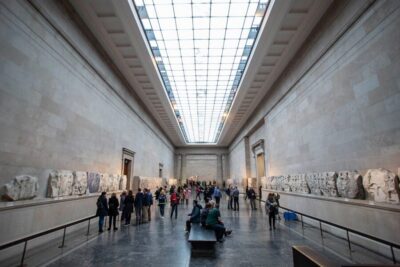
Acropolis Museum Ticket with optional Audio Guide
Read our review →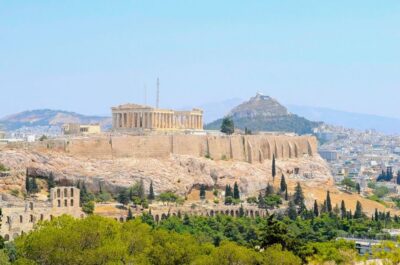
Acropolis Ticket & Optional Self-Guided Audio Tours
Read our review →Browse the lists this tour appears in