
Reviewed · ACROPOLIS & ATHENS HIGHLIGHTS
Acropolis monuments & Parthenon Walking Tour with Optional Acropolis Museum
The best part of this Athens tour is not simply seeing the Parthenon. It is learning how the hill works as a whole, from the theater where Athenian drama began to the grand gateway, temples, statues, and views that make the Acropolis more than a single famous ruin. Guides including Lisa, Anna, John D, and Dionysios have brought strong backgrounds in archaeology, mythology, and classical art to this walk.
I like the choice of tour times, the small groups of fewer than 20, and the audio headsets used when more than five people are together. I also like the option to finish at the Acropolis Museum, where the sculptures and architectural pieces make more sense after you have seen the buildings on the hill. The main drawback is physical: expect steep paths, plenty of standing, and little shade. The museum portion can also feel rushed if your guide tries to cover too much.
Key points before you book
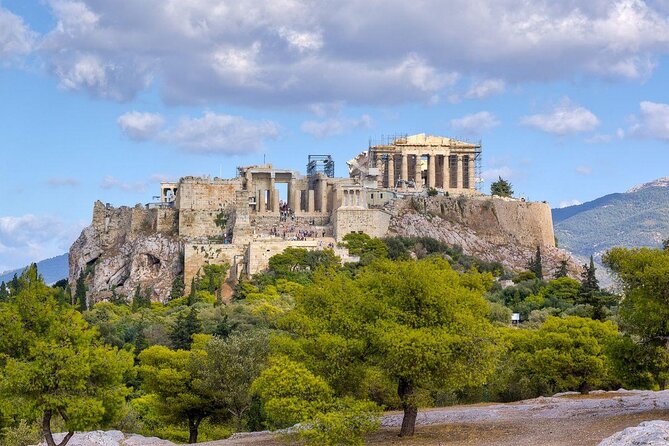
- A four-hour introduction to ancient Athens: The route covers the Theatre of Dionysus, Herod Atticus Odeon, Propylaea, Parthenon, Erechtheion, Acropolis, and optional museum.
- The museum upgrade is worth considering: It adds original artifacts, architectural sculpture, and the Parthenon galleries to the hilltop ruins.
- Entry tickets depend on your booking choice: Some options include tickets, while others require you to arrange Acropolis and museum admission separately.
- Expect real uphill walking: The tour needs moderate fitness, comfortable shoes, sun cream, and a hat in warm weather.
- The guide makes the difference: The strongest part of the experience is the explanation of mythology, architecture, excavation, and daily life behind the stones.
- The meeting point is close to the Acropolis: Check in at Porinou 5, then walk a short distance to the archaeological site.
Why a guided Acropolis visit helps
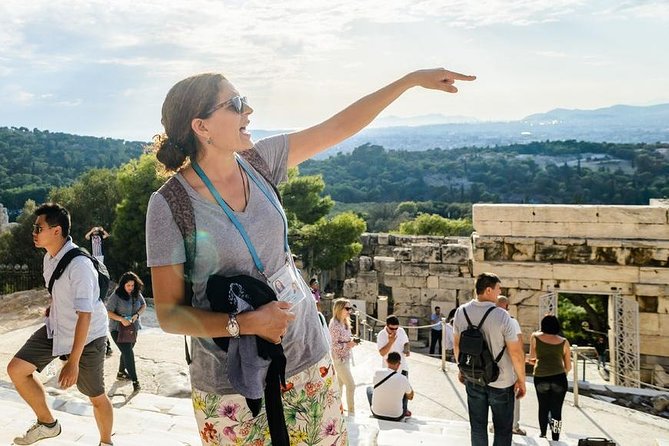
You can walk around the Acropolis on your own, but the bare stones do not always explain themselves. A guide can point out what changed after the Persian destruction of Athens, why the Parthenon was built with such care, and how temples, theaters, processional routes, and civic life fit together.
That context matters most at places such as the Propylaea and Erechtheion. Without an explanation, the Acropolis can become a sequence of marble fragments and packed viewpoints. With one, you begin to see the hill as a carefully planned religious center, rebuilt in the fifth century BC and altered by later cultures.
This tour is aimed at first-time visitors, but it also suits anyone who wants more than photographs. The guides have been praised for clear explanations, humor, patience, and strong command of archaeology. Some, including John the archaeologist and guides such as Lisa, Anna, and Aphrodite Gianni, have been especially effective at linking the ruins to art, mythology, and excavation.
The group size is capped at 20 people per guide. That is not a private tour, but it is small enough to keep the group moving together. Once the group is larger than five, the whisper system lets you hear the guide without everyone crowding around. This is useful near the Parthenon, where space can be tight and normal conversation easily gets lost.
More of the old city on foot in Athens:
- Athens: Acropolis & up to 5 Archaeological Sites Combo Pass
★ 4.4 · 12,619 reviews - Athens: Acropolis Ticket with Optional Audio or Live Guide
★ 4.2 · 11,055 reviews - Athens: Acropolis, Parthenon & Acropolis Museum Guided Tour
★ 4.8 · 9,316 reviews
From the Theatre of Dionysus to the Roman Odeon
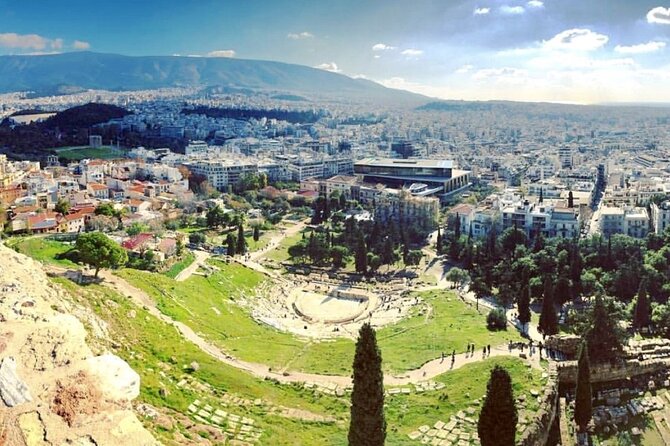
The tour begins near Porinou 5, a short walk from the Acropolis. The first major stop is the Theatre of Dionysus Eleuthereus on the southern slope, where the City Dionysia was held.
The theater is important because it connects the Acropolis to the origins of Greek drama. The first orchestra terrace was built around the mid to late sixth century BC. Allow about 15 minutes here. Your guide uses the space to explain how performances, festivals, and worship of Dionysus were tied together.
You will not spend the whole tour sitting or strolling at an easy pace. This is a stop for standing, looking across the theater, and listening. If you have trouble standing for long periods, you will need to manage your own breaks.
Next comes the Odeon of Herodes Atticus, a stone Roman theater built in AD 161 and renovated in 1950. It sits on the southwest slope and still functions as a performance venue. The contrast with the older Theatre of Dionysus is useful: Athens was not frozen in classical Greece, and the Acropolis continued to matter under Roman rule.
The planned stop is about 15 minutes. This is primarily an exterior view, so you should not expect a concert or an extended theater visit. The value comes from seeing how Roman Athens used the same hillside and from understanding the later history of the monument.
Passing through the Propylaea
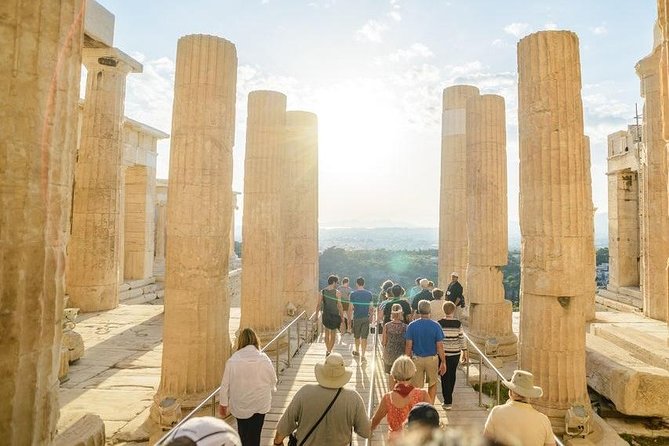
The Propylaea is the formal entrance to the Acropolis. It is easy to hurry through because everyone is eager to reach the Parthenon, but this gateway deserves attention.
The scale tells you that arrival was part of the experience. The route was designed to make the climb and entrance feel important, not like a simple walk through a gate. Your guide can explain how the gateway was planned roughly 2,500 years ago and how its architecture framed the approach to the sacred hill.
This is also where the physical demands become clearer. The paths rise, the stone can be uneven, and the route includes steep sections. The walk is manageable for people with moderate fitness, but it is not a flat city tour. Wear shoes with a firm grip, and do not treat the four-hour length as four hours of gentle walking.
The tour description lists the Temple of Athena Nike both near the approach and again as a dedicated stop. In practice, the first view helps orient you to the small temple near the entrance, while the later explanation focuses on the monument itself.
Athena Nike and the Parthenon
The Temple of Athena Nike is dedicated to Athena Nike, or Athena as bringer of victory. Built around 420 BC, it is the earliest fully Ionic temple on the Acropolis.
It is small compared with the Parthenon, but that is part of its appeal. Its position beside the entrance gave visitors a close view of a refined Ionic building before they reached the larger monuments. Your guide can help you notice its proportions and decorative details rather than letting it disappear in the rush uphill.
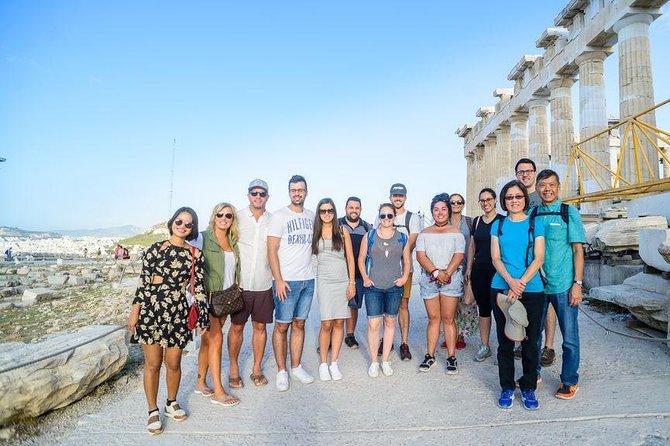
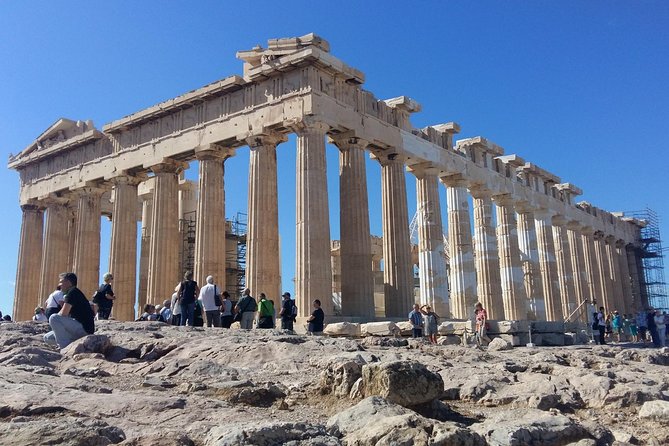
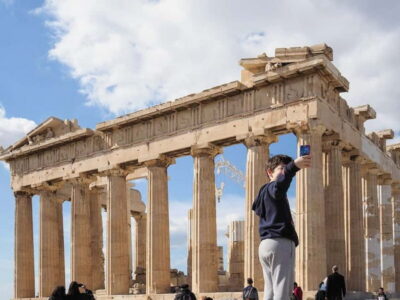
Then comes the Parthenon, the central stop of the tour. Plan on about 30 minutes of focused explanation, followed by additional time within the wider Acropolis area. The temple was dedicated to Athena, the city’s patron goddess, and much of what you see dates from the fifth century BC.
The Parthenon is more impressive when you understand what is missing. It was not built as an empty shell, and it was not meant to be viewed only from one photo angle. Its sculpture, painted details, religious role, and carefully adjusted architecture all formed part of a larger design.
The guide is particularly useful here. You will hear the stories behind the building, the goddess, and the city that commissioned it. Guides also point out details that are easy to miss when you are trying to take pictures, including the relationship between the Parthenon and the rest of the hilltop.
Do not expect a quiet, private look at the temple. This is Athens’ biggest attraction, and the walking area can be crowded. A guide helps by choosing places to stop and by keeping the group together, but you still need patience at popular viewing points.
A few more things to do in Athens worth a look
- Athens: Mythology of Delphi, Museum and Arachova Guided Tour
★ 4.6 · 4,008 reviews - Athens: Acropolis, Parthenon & Acropolis Museum Guided Tour
★ 4.8 · 3,579 reviews - Athens All Included: Acropolis and Museum Guided Tour with Ticket
★ 4.5 · 2,673 reviews - Athens: Acropolis Museum Ticket with optional Audio Guide
★ 4.4 · 2,652 reviews
The Erechtheion and its Caryatids
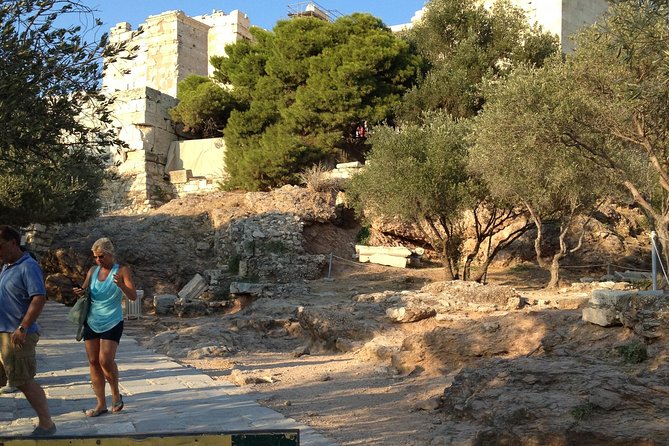
The Erechtheion is one of the most visually distinctive buildings on the Acropolis. It is known for the Caryatids, the sculpted female figures used as architectural supports on its porch.
The building can seem irregular beside the more symmetrical Parthenon. That is because it served a different purpose and had to accommodate several ancient sacred spaces. The unusual shape is worth a clear explanation, especially if you are interested in how religion shaped architecture.
The planned stop is about 10 minutes, though the guide may discuss it while moving through the larger Acropolis area. The Caryatids are among the most photographed details on the hill, so your guide can help you separate the original architectural setting from the later museum display.
The Acropolis visit as a whole lasts roughly one hour in the listed schedule, with shorter stops folded into that time. In reality, the full experience involves walking between sites, waiting for the group, listening, and taking in the views. You should not plan a tight appointment immediately afterward.
What you gain from the Acropolis Museum
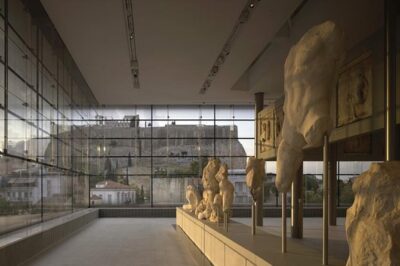
If you choose the museum option, the tour continues to the New Acropolis Museum and ends there. This is the best choice if you want to understand the sculpture and decoration that the hilltop ruins cannot fully show.
The museum contains galleries devoted to the Acropolis, including architectural pieces and artifacts from ancient Athens. The Parthenon galleries are especially useful after the outdoor visit because you can connect fragments and sculptural details with the building you have just seen.
A guide can make the museum far more useful. Lisa’s museum tour, for example, was singled out for turning the indoor visit into a highlight, while other guides such as Aphrodite and Annie have been praised for clear explanations of Greek history and art. John, described as an archaeologist, has also led tours with a strong focus on excavation and classical art.
The trade-off is time. The museum schedule allows about one hour, and a guide may concentrate on the most important pieces rather than cover every room. That is a sensible approach for a first visit, but it can feel brisk if you want to read every label.
The good news is that the tour ends at the museum when you book that option. You can continue looking around on your own after the guided portion, so the short guided route does not prevent a longer museum visit.
Price, tickets, and real value
The advertised starting price is $42.33 per person. That figure applies to the tour option shown, but the total depends on whether you select Acropolis admission and the museum.
If you do not choose the ticket-included option, you must arrange entrance in advance through the official website. The supplied pricing information lists the Acropolis at €30 per adult from April 2025 and €10 per adult from November through March. The museum is listed at €20 per adult from April 2025.
That makes the lowest headline price less useful as a final budget figure. Compare the full cost of the tour, entry tickets, and museum before booking. The ticket-included option costs more upfront, but it saves you from managing separate admissions and can make the meeting process simpler.
For younger visitors, identification is important. EU citizens under 25 have free Acropolis admission, while other visitors under 25 receive a 50 percent discount. People under 18 should bring a passport or ID, and anyone under 25 should carry a passport or a copy showing the birth date.
The guide fee is the main value here. You are paying for the route, explanations, group management, and audio system as well as the monuments. If you already know classical Greek architecture well and prefer to move at your own pace, the added cost may not feel necessary. For a first visit, the extra context can justify it.
Timing, weather, and physical effort
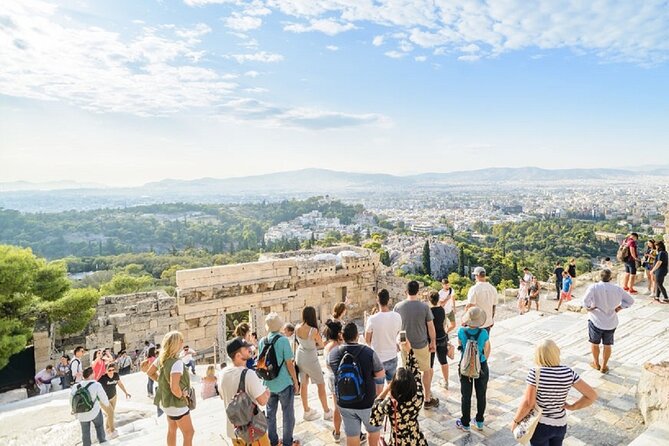
Morning departures are useful in Athens because the Acropolis offers limited shade and the stone can become hot. The tour offers several start times, so choose the earliest practical option if you are visiting during warm months.
Bring water, a hat, and sun cream. Comfortable shoes are not optional. The route includes uphill paths, standing at several stops, and steep climbs that some physically fit people in their 60s still found demanding.
The guide generally keeps a manageable pace and does not rush the group, but you should still be honest about your stamina. A walking stick, mobility aid, or serious difficulty with slopes may make this experience unsuitable, since the route is built around the hilltop archaeological site.
The tour requires good weather. If poor weather causes cancellation, you are offered another date or a full refund. You can cancel for a full refund up to 24 hours before the start time, but changes or cancellations inside that window are not refunded.
Who should choose this Athens tour
I would choose this tour for a first visit to Athens, especially if you want the ancient sites explained rather than simply photographed. It works well for solo visitors, couples, and families with older children who can manage the walking and standing.
The museum option suits you if ancient sculpture, architecture, and the Parthenon friezes matter to you. It also gives the day a useful finish, since you can remain inside the museum after the guided hour.
You may prefer an independent visit if you dislike fixed pacing, want to spend a long time taking photographs, or already have a strong background in Greek archaeology. The group can be as large as 20, so do not book this expecting a private conversation with the guide.
Should you book it?
Book it if you want a clear, well-organized introduction to the Acropolis and prefer having the mythology, architecture, and political history explained as you walk. The strongest guides bring the stones to life without making the climb feel like a race, and the whisper system helps you hear them.
I would select the Acropolis plus museum option if your schedule allows four hours. The outdoor monuments show the setting, while the museum supplies the sculpture and detail missing from the ruins. Just budget for the full ticket cost, wear proper shoes, and allow extra time afterward if you want to explore the museum at your own pace.
FAQ
How long does the Acropolis and Parthenon tour last?
The tour lasts approximately four hours. The schedule includes about one hour at the Acropolis and about one hour at the museum when that option is selected, with the remaining time used for walking, stops, and explanations.
Where does the tour begin?
The meeting point is at Porinou 5, Athens 117 42, close to the Acropolis. You check in there before walking the short distance to the archaeological site.
Where does the tour end?
The Acropolis-only option ends at the Acropolis monuments. The option that includes the museum ends at the Acropolis Museum on Dionysiou Areopagitou 15.
Are entrance tickets included?
Tickets are included only if you choose an option that specifically includes entrance tickets. Otherwise, Acropolis and museum admission must be purchased separately in advance.
How much are the entrance fees?
The supplied information lists Acropolis admission at €30 per adult from April 2025 and €10 per adult from November through March. Acropolis Museum admission is listed at €20 per adult from April 2025.
Is the tour physically demanding?
You need a moderate fitness level. The route includes uphill walking, steep climbs, uneven paths, and extended periods of standing. Comfortable shoes, a hat, and sun cream are recommended.
What identification do visitors under 25 need?
Visitors under 25 should bring a passport or a copy of it to confirm their birth date. EU citizens under 25 receive free Acropolis admission, while other visitors under 25 receive a 50 percent discount.
What happens if the weather is poor?
If bad weather causes the experience to be canceled, you will be offered a different date or a full refund. For personal cancellations, you must cancel at least 24 hours before the start time to receive a full refund.
More Walking Tours in Athens
- Athens: Acropolis and Parthenon Guided Walking Tour
★ 4.6 · 5,882 reviews - Greek Food Walking Tour in Athens
★ 5.0 · 4,740 reviews - Acropolis: Acropolis and Parthenon Guided Walking Tour
★ 4.7 · 3,442 reviews - Athens Acropolis and Parthenon Walking Tour
★ 4.5 · 1,355 reviews
Just added in Athens
- Athens: Half-Day Morning Catamaran Cruise with Meal & Drinks★ 4.9 · 221 reviews
- Athens hotels to Athens airport Private departure transfer★ 5.0 · 285 reviews
- Athens: Riviera Catamaran Cruise with Meal and Drinks★ 5.0 · 345 reviews
- Athens: Delphi, Corycian Cave, and 300 Battlefield Day Trip★ 4.8 · 344 reviews
- 3-Day Classical Greece Tour: Epidaurus, Mycenae, Nafplion, Olympia, Delphi★ 4.5 · 342 reviews
- Best of Athens Half Day Private Tour★ 5.0 · 353 reviews
- Electric Bike Tour of Athens by Night★ 5.0 · 355 reviews
- Argolis: Full-Day Tour in Mycenae & Nafplio★ 4.2 · 350 reviews
Acropolis & Athens Highlights, compared.
Acropolis & up to 5 Archaeological Sites Combo Pass
Read our review →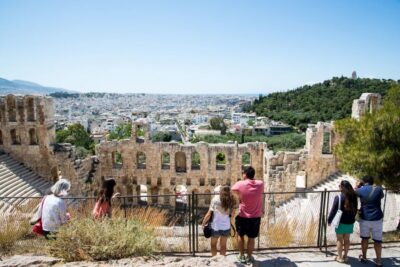
Acropolis, Parthenon & Acropolis Museum Guided Tour
Read our review →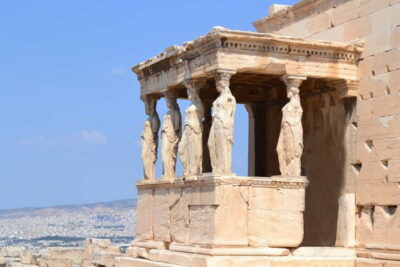

Athens All Included: Acropolis and Museum Guided Tour with Ticket
Read our review →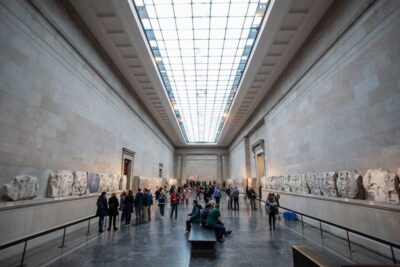
Acropolis Museum Ticket with optional Audio Guide
Read our review →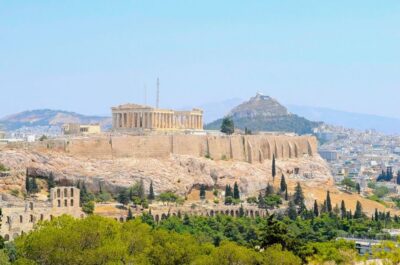
Acropolis Ticket & Optional Self-Guided Audio Tours
Read our review →
Parthenon & Acropolis Museum with Audio or Live Tour Option
Read our review →Browse the lists this tour appears in