
Reviewed · ACROPOLIS & ATHENS HIGHLIGHTS
Athens Acropolis and Parthenon Walking Tour
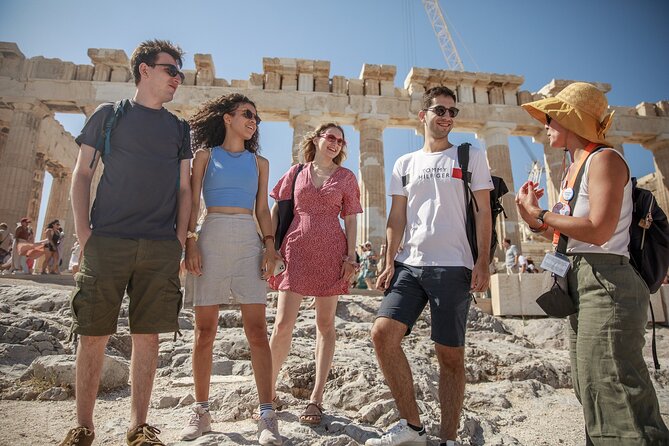
The best part of this tour is that it turns a famous pile of marble into a readable story. In about two hours, you follow a guide past the Theatre of Dionysus, ancient sanctuaries, the Propylaea, Erechtheion, and Parthenon instead of wandering from monument to monument without knowing what you are seeing. The personal earsets are especially useful when wind and crowds make ordinary group commentary hard to follow.
I like the steady pace and the frequent stops, which let you catch your breath on the uphill path. I also like the chance to ask questions about mythology, architecture, and modern Athens, with guides such as Alexia, Elena, Dora, Hermes, and Philippa praised for clear explanations and lively storytelling. The main drawback is practical: the walk is uphill over uneven stone, and poor headset sound has occasionally made the commentary difficult to hear.
Key points to know before booking
- Two hours on the Acropolis: The tour focuses on the hilltop archaeological site, with the Parthenon as the main event.
- A guide who gives the ruins a storyline: You hear how drama, worship, healing, politics, and civic life fit together in ancient Athens.
- Personal earsets included: These help you hear while walking, though sound quality can vary.
- Ticket choice matters: The listed price is $41.12 per person, but admission is separate unless you select the ticket option.
- Small practical comforts: You receive an Athens map and guide magazine for independent sightseeing later.
- A real physical walk: Wear firm, comfortable shoes, bring water, and expect sun, wind, uneven ground, and a steep approach.
Why a guided Acropolis visit helps
The Acropolis is not difficult to recognize. You see the Parthenon in photographs, on postcards, and from almost every good viewpoint in Athens. What is harder is understanding why the hill contains several different monuments, how they relate to one another, and why some of the most important places are not the most famous ones.
That is where this tour earns its keep. Your guide leads you through the archaeological site and supplies the connections. The Theatre of Dionysus becomes more than a semicircle of stone. It was the birthplace of theatrical performance, where plays by Aeschylus, Sophocles, and Euripides first reached large Athenian audiences.
The Parthenon then becomes more than a grand temple. You learn about its dedication to Athena and its place in classical Athens. The Erechtheion introduces a different kind of architecture and religious purpose, while the Propylaea explains how visitors entered the sacred hill.
I would not choose a guide simply because the Acropolis is famous. I would choose one because the site is crowded, exposed, and full of details that are easy to miss. A good guide also helps you use your limited time well, especially if Athens is one stop on a larger trip.
More of the old city on foot in Athens:
- Athens: Acropolis & up to 5 Archaeological Sites Combo Pass
★ 4.4 · 12,619 reviews - Athens: Acropolis Ticket with Optional Audio or Live Guide
★ 4.2 · 11,055 reviews - Athens: Acropolis, Parthenon & Acropolis Museum Guided Tour
★ 4.8 · 9,316 reviews
Meeting at the foot of the Acropolis
The meeting point is at LUKUMAΔΕΣ, Dionysiou Areopagitou 3, near the base of the Acropolis. This is a useful location because you begin close to the pedestrian route toward the archaeological site rather than wasting time on a distant office or hotel pickup.
There is no hotel pickup or drop-off, so you must make your own way to the start. The tour ends in the Acropolis area at Acropoli, Athens 117 42. That makes it easy to continue with lunch, the Acropolis Museum, Plaka, or another central Athens stop afterward.
Arrive early. Acropolis entry times are strict, and the group cannot wait for late arrivals. You also pass through airport-style security, with peak-season waits sometimes reaching 30 minutes or more. A late start can therefore create problems before the walk even begins.
The group can include up to 24 people. That is not a private tour, but the supplied earsets make a group of this size easier to manage. Your guide can speak while the group moves between monuments, and you do not need to crowd around the guide to hear every sentence.
Tickets, price, and what you actually pay
The listed price is $41.12 per person. That is a reasonable price for a licensed guide and a focused two-hour visit, but you need to read the ticket option carefully before paying.
Admission to the Acropolis is listed as €30 per person unless you select the option with an entrance ticket. If you book without admission, you still need a valid ticket to join the tour. The booking information says you receive a separate email with a link to purchase your ticket, and that this should be completed within 48 hours of booking and no later than 24 hours before the tour.
Another instruction says that guests without the ticket option may need to give the guide cash at the meeting point because the company has prepaid. Since the instructions describe more than one ticket arrangement, I would check your confirmation carefully and settle the matter before the day of the tour. The important point is simple: do not arrive without a valid Acropolis ticket.
If you qualify for reduced admission, bring a passport or valid identification showing your age and nationality. When entry to the Acropolis is free, the admission cost is already deducted from the tour price.
The ticket-included option is usually the easier choice for a first visit. You pay more upfront, but you avoid last-minute confusion and can make better use of the strict entry time. The no-ticket option may suit you if you already have a ticket, qualify for free entry, or want to handle admission yourself.
Some versions of the experience also refer to the Acropolis Museum. Check the exact option you select, because the standard two-hour itinerary described here concentrates on the archaeological site itself, not a full museum visit.
Theatre of Dionysus: where the tour finds its voice
The first major stop is the Theatre of Dionysus, with about 15 minutes set aside for the explanation. This is a strong opening because it places Athens’ culture in a living setting.
Your guide explains that this was the birthplace of Western theater and connects the stones around you with the plays of Aeschylus, Sophocles, and Euripides. That context changes the way you look at the seats and stage area. You are not simply seeing an old theater. You are standing where drama became a public art form.
The route also includes the Sanctuary of Dionysus and the Temple of Asclepios. The latter is especially useful for showing that the Acropolis was not devoted to one single idea. The Asklepeion was linked to Asclepius, the god of medicine, and served as a place where ancient Athenians sought healing.
These early stops also break up the climb. Instead of marching straight uphill, you pause for stories, photographs, and questions. Several guides have been praised for keeping a comfortable pace and allowing people time to look around.
A few more things to do in Athens worth a look
- Athens: Acropolis and Parthenon Guided Walking Tour
★ 4.6 · 5,882 reviews - Greek Food Walking Tour in Athens
★ 5.0 · 4,740 reviews - Acropolis: Acropolis and Parthenon Guided Walking Tour
★ 4.7 · 3,442 reviews - Acropolis monuments & Parthenon Walking Tour with Optional Acropolis Museum
★ 5.0 · 2,678 reviews
Odeon of Herodes Atticus and the view toward Philopappos Hill
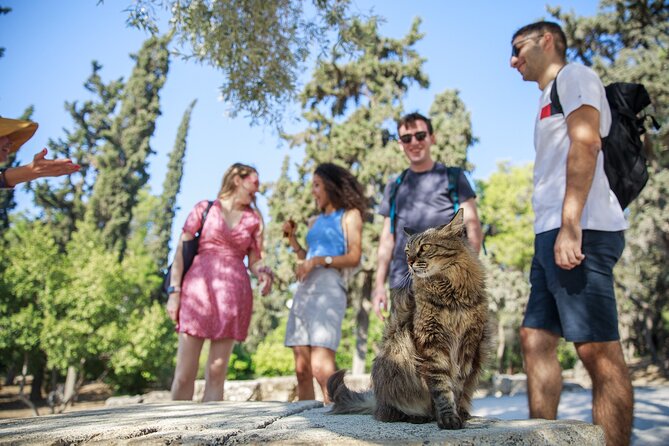
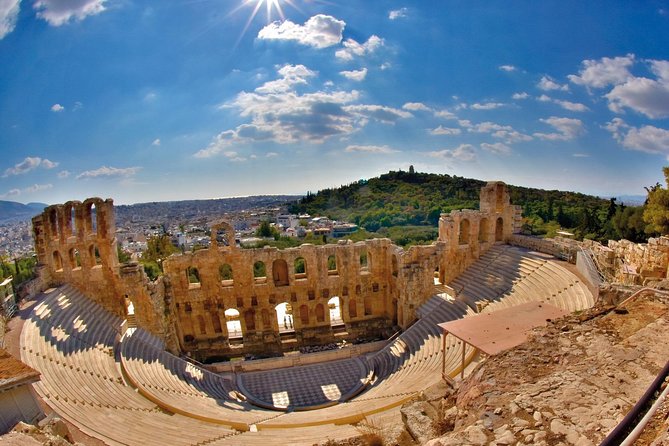
The Odeon of Herodes Atticus is a large stone theater built in 161 AD. It still hosts performances, creating one of the clearest links between ancient Athens and the modern city.
Your guide may point out how the theater differs from the earlier Theatre of Dionysus. The Odeon feels more enclosed and monumental, while the older theater helps explain the beginnings of drama. Together, they show that performance remained central to Athenian public life across different periods.
The route also includes a view toward Philopappos Hill, sometimes called the Hill of the Muses. The monument of Philopappos honors a Roman benefactor, and the hill provides a welcome pause with broad views over Athens.
This is one of the places where weather matters. On a clear day, the open outlook is a highlight. In strong sun or wind, it can be less comfortable, so bring a hat and sunscreen and keep a light layer handy.
Propylaea and Temple of Athena Nike
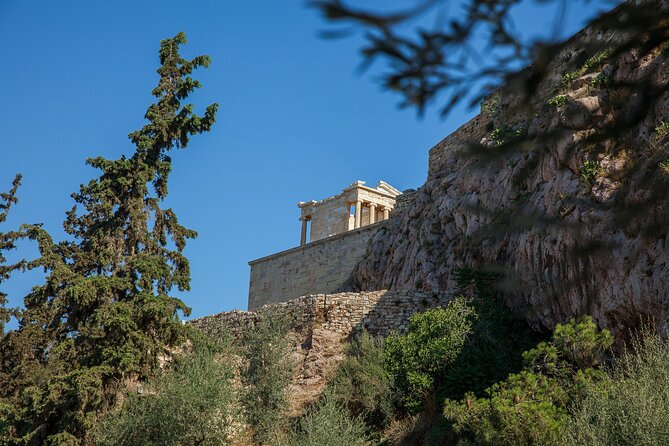
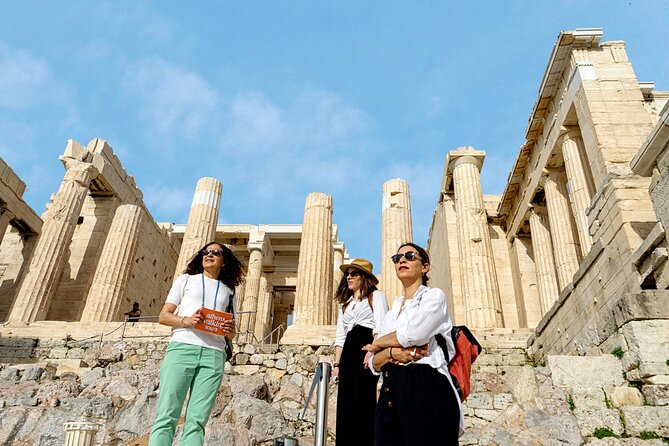
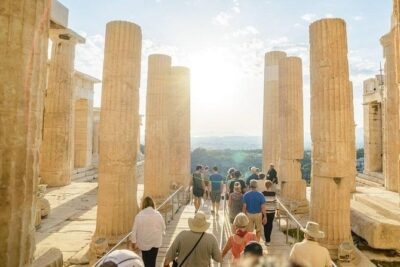
The Propylaea is the grand entrance to the Acropolis. Its marble columns frame the approach to the monuments above and create a real sense of arrival. Your guide introduces the design by Mnesikles and explains how this gateway shaped the experience of anyone entering the sacred hill.
The passage is brief, listed at about five minutes, but its importance is greater than the time suggests. The Propylaea is the threshold between the lower slopes and the central Acropolis. It is also one of the clearest places to understand that the hill was carefully planned, not simply covered with unrelated ruins.
Nearby, the Temple of Athena Nike sits on a bastion at the southwestern edge of the Acropolis. It is a small and elegant temple dedicated to Athena in her role as goddess of victory. From here, you also get striking views over Athens.
The short stop means you should listen closely. Crowds often gather at this approach, and the site can feel hurried during busy periods. The earsets help, but you still need to stay near your group.
Erechtheion: the detail many people remember
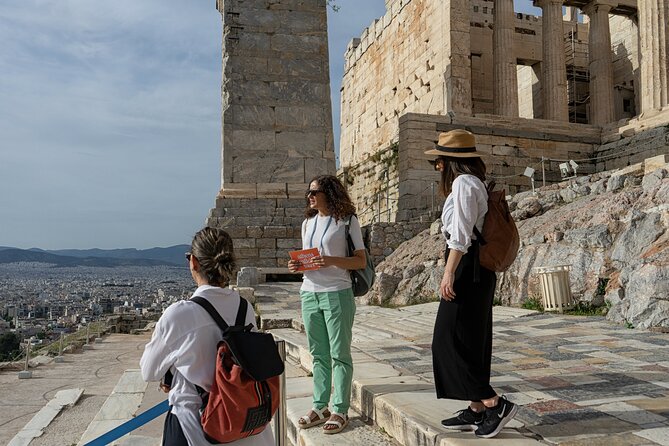
The Erechtheion receives about 15 minutes, and it is often the most visually distinctive temple on the route. Its Caryatid Porch, with six sculpted female figures supporting the structure, gives the building a lighter and more graceful appearance than the massive Parthenon.
Your guide explains that the temple was connected with both Athena and Poseidon. That shared dedication helps you understand the layered religious traditions of the Acropolis. Ancient sacred places were not always simple one-god buildings with one clear purpose.
This is a good spot for questions about myth and architecture. The guides praised most warmly in this experience, including Elena, Alexia, and Philippa, are described as storytellers who can connect legends with the stones in front of you rather than reciting a dry list of dates.
Do not expect to walk freely through every part of the structure or get close to every detail. Barriers, preservation rules, and crowds shape the visit. The value here comes from the guide’s explanation and your view of the building from the permitted paths.
The Parthenon gets the final 25 minutes
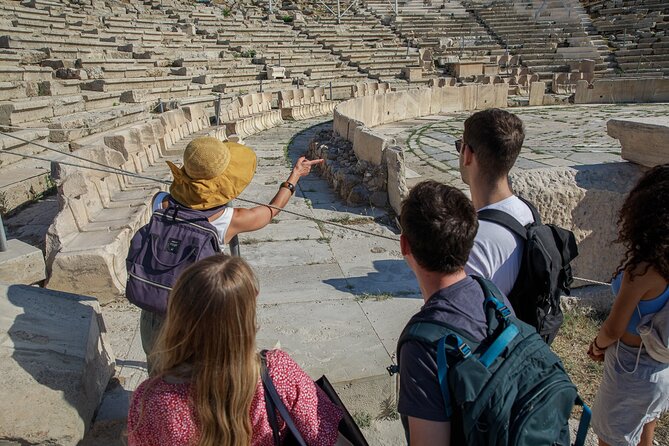
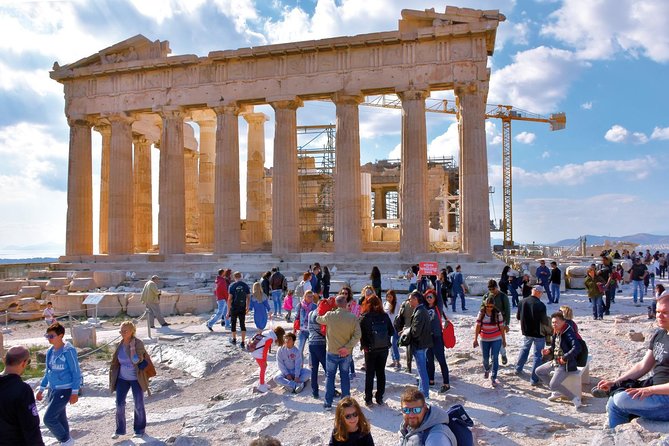
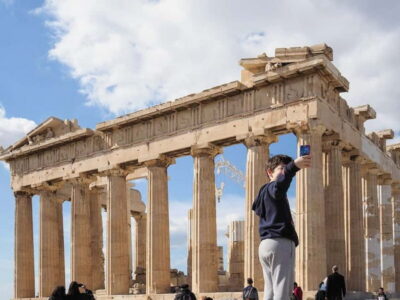
The tour reserves about 25 minutes for the Parthenon, rightly giving the building the most time. This is the great payoff, but it is best appreciated after you have seen the other monuments.
Your guide discusses the temple’s dedication to Athena Parthenos and its role in classical Athens. You can also ask about the design, the surviving sculpture, and the long history of change and damage that shaped what you see today. The guide’s job is not to make the Parthenon seem perfect. It is to help you read the remains.
You will have time for photographs, although crowd levels and the group’s entry slot affect how long you can linger in any one position. The hill is exposed, and the marble and stone surfaces can be uneven. Take care while looking up at the temple, especially on the steps and sloped paths.
This is also where clear audio matters most. The site can be windy, and two people specifically found headset static or cutouts frustrating. Others found the earsets excellent, even in crowded spaces. If you cannot hear, tell the guide promptly rather than trying to follow from a distance.
Pace, comfort, and physical effort
This is a walking tour, not a gentle city stroll. The climb is manageable for many people, but you should be comfortable walking uphill over unstable and uneven surfaces. People in their seventies have completed it at a reasonable pace, yet fitness and weather make a difference.
Wear shoes with a firm grip. Bring water, sunscreen, and a hat, and dress for the forecast. There are no toilets once inside the archaeological site, so use facilities before entry.
Baby strollers are not allowed on the Acropolis, and there is no cloakroom at the side entrance used by the group. A baby pouch is recommended instead. This is important equipment advice, not a minor detail.
The guides often pause in shady areas when possible and allow time for photographs. Rain does not automatically make the tour impossible, but the experience requires suitable weather. If the company cancels because of poor conditions or because the minimum number of participants is not met, you are offered another date or a full refund.
The guides and the audio system
The strongest part of this experience is the human explanation. Guides named in the feedback include Alexia, Elena, Dora, Hermes, Andrea, Victor, and Philippa. Their praised qualities are clear delivery, patience with questions, humor, and the ability to explain mythology, architecture, and modern Athens without sticking rigidly to a script.
That last point matters. A guide who can answer an unexpected question makes the visit feel more useful than a standard audio recording. Philippa, in particular, was praised for adjusting the pace, making time for photographs, and responding to questions from a large group.
The personal earsets are supplied for each tour. When they work well, you can hear while walking between monuments rather than pressing close to the guide. The system also helps guests who do not want to miss commentary while taking photographs.
Equipment problems are the main weak point. Wind, static, and intermittent connections have made some tours hard to follow. The company says it is reviewing the equipment, but I would still tell the guide immediately if your unit cuts out. Do not assume the problem will fix itself.
Who should book this tour?
I would choose this tour if you have limited time in Athens, want the key monuments explained, or prefer not to manage Acropolis entry on your own. It is especially useful for a first visit, when the site can feel like a confusing mix of temples, theaters, gateways, and viewpoints.
It also suits you if you enjoy asking questions and want mythology and architecture explained together. The Athens map and guide magazine are small extras, but they help you plan the rest of your time after the tour.
I would think twice if you dislike group visits, need a slow and fully accessible route, or want to spend several hours examining every stone at your own pace. A two-hour tour gives you a strong overview, not a private archaeological study.
The free-cancellation policy is helpful: cancel at least 24 hours before the start for a full refund. Changes or cancellations inside that window are not accepted for a refund.
Should you book it?
Book this tour if you want a focused introduction to the Acropolis with a licensed guide, a sensible route, and clear historical context. The ticket-included option is the least stressful choice for most first-time visitors, provided you confirm exactly what is included at checkout.
Skip it if you already know the site well, have plenty of time for independent reading, or strongly prefer to linger without a group schedule. For everyone else, the mix of major monuments, practical pacing, and guide-led storytelling makes the $41.12 starting price a fair buy, with admission costs added or included according to your selected option.
FAQ
How long does the Acropolis and Parthenon tour last?
The walking tour lasts approximately two hours.
Is the Acropolis entrance ticket included?
Only if you select the option with admission included. Otherwise, the €30 Acropolis entrance fee is separate, and you must have a valid ticket before joining the tour.
Where does the tour meet?
Meet at LUKUMAΔΕΣ, Dionysiou Areopagitou 3, Athens 117 42, near the base of the Acropolis.
What should I bring?
Bring comfortable walking shoes, water, sunscreen, and a hat. Dress for the weather, and use a baby pouch instead of a stroller if you are visiting with an infant.
Are strollers allowed on the Acropolis?
Baby strollers are not allowed on the archaeological site. There is also no cloakroom at the side entrance used by the tour.
What happens if I need to cancel?
You can cancel at least 24 hours before the start time for a full refund. Cancellations or changes made less than 24 hours before the tour are not refunded.
Just added in Athens
- Athens: Half-Day Morning Catamaran Cruise with Meal & Drinks★ 4.9 · 221 reviews
- Athens hotels to Athens airport Private departure transfer★ 5.0 · 285 reviews
- Argolis: Full-Day Tour in Mycenae & Nafplio★ 4.2 · 350 reviews
- Athens: Riviera Catamaran Cruise with Meal and Drinks★ 5.0 · 345 reviews
- Athens: Delphi, Corycian Cave, and 300 Battlefield Day Trip★ 4.8 · 344 reviews
- 3-Day Classical Greece Tour: Epidaurus, Mycenae, Nafplion, Olympia, Delphi★ 4.5 · 342 reviews
- Best of Athens Half Day Private Tour★ 5.0 · 353 reviews
- Electric Bike Tour of Athens by Night★ 5.0 · 355 reviews
Acropolis & Athens Highlights, compared.
Acropolis & up to 5 Archaeological Sites Combo Pass
Read our review →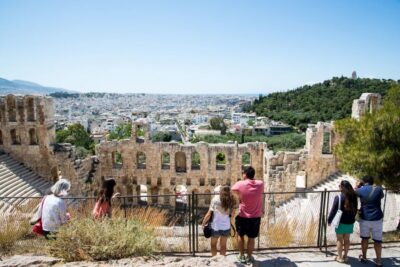
Acropolis, Parthenon & Acropolis Museum Guided Tour
Read our review →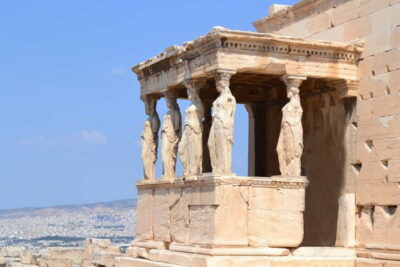

Acropolis monuments & Parthenon Walking Tour with Optional Acropolis Museum
Read our review →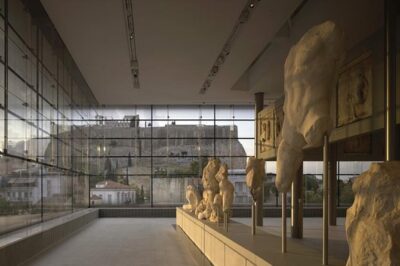
Athens All Included: Acropolis and Museum Guided Tour with Ticket
Read our review →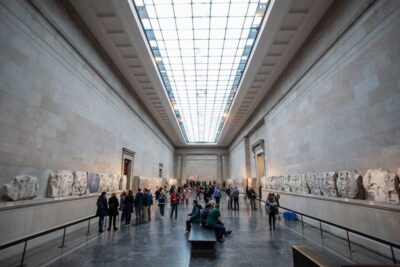
Acropolis Museum Ticket with optional Audio Guide
Read our review →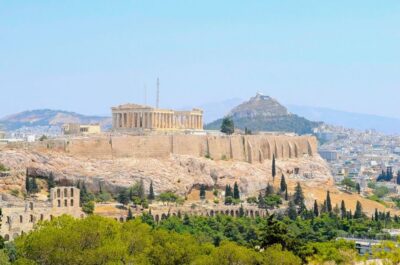
Acropolis Ticket & Optional Self-Guided Audio Tours
Read our review →Browse the lists this tour appears in