
Reviewed · MUSEUMS
Lychnostatis Open Air Museum: Entry Ticket with Add-Ons
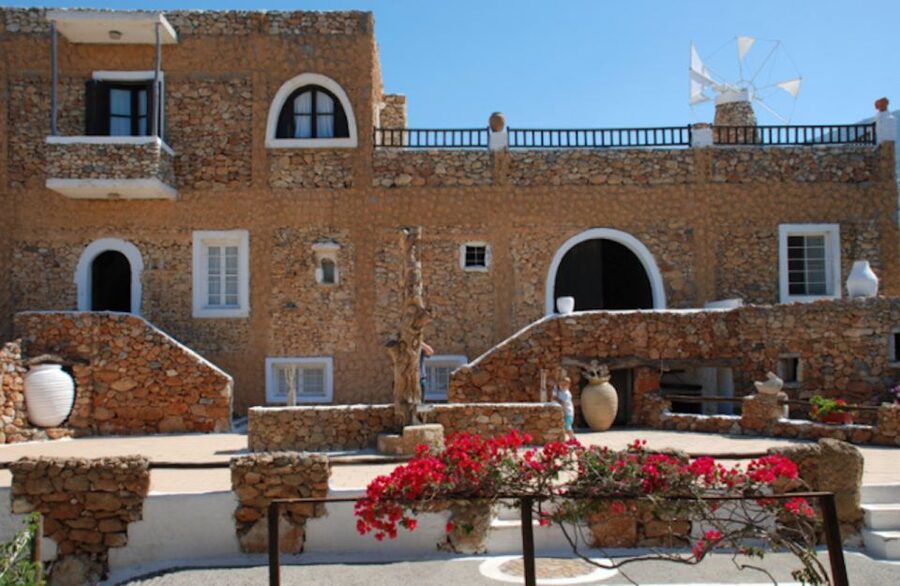
Lychnostatis brings Cretan life into the open air, with old homes, tools, workshops, gardens, and a working-looking raki distillery arranged like a traditional village. It is a good place to see how daily life worked roughly 200 years ago, not just read dates on museum panels.
I especially like the chance to step inside a village house and the way the museum connects folk culture with nature, from olive oil and herbs to bees, stones, and local fruit. The $10 entry price is modest for a visit that can fill much of a day. The main consideration is language: the live guiding is in Greek, so visitors who do not speak Greek may prefer the audiovisual option or a self-guided visit.
Key points to know before you go
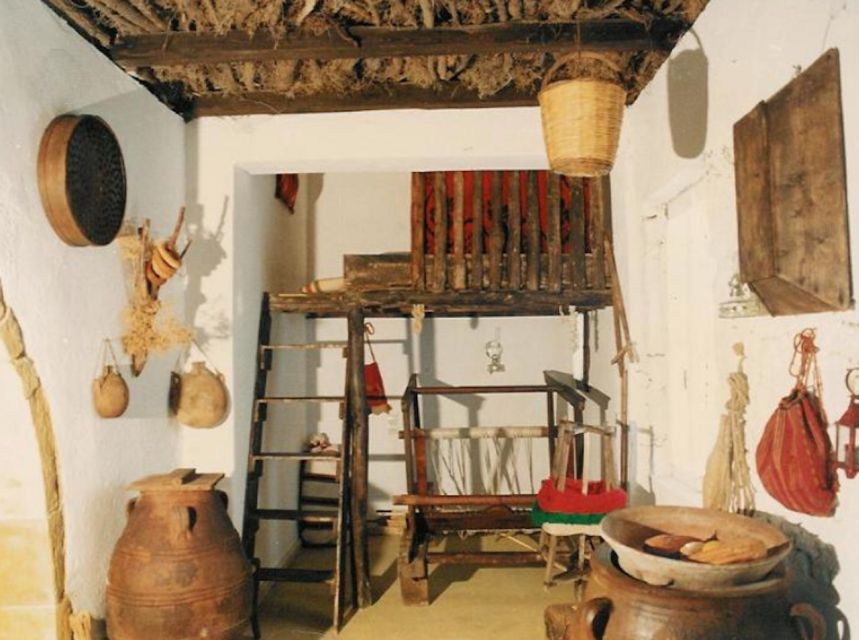
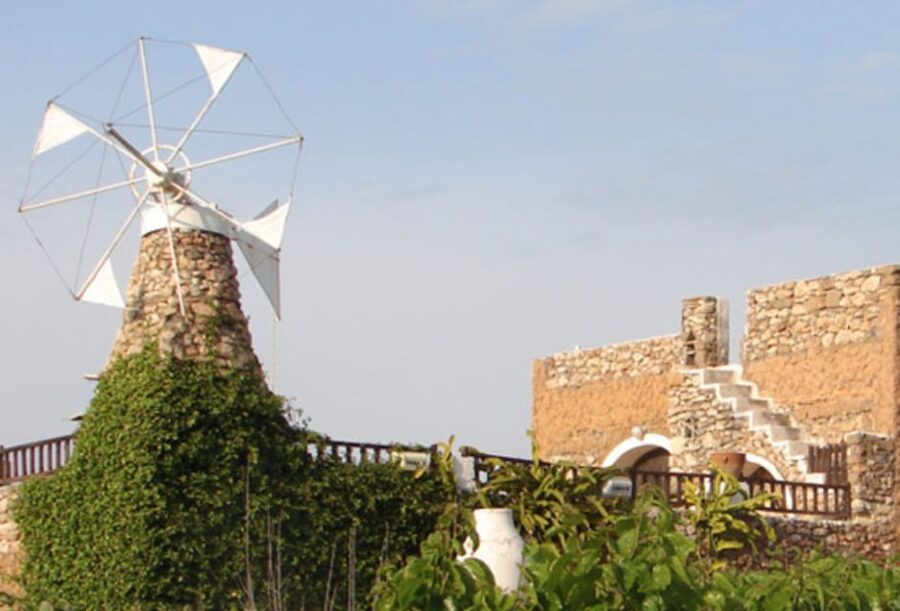
- Traditional village setting: See homes, a chapel, windmills, an olive press, a threshing floor, and a raki distillery.
- Hands-on subjects: Explore weaving, plant dyeing, pottery, shoemaking, carpentry, beekeeping, and wax work.
- A taste of Crete: Finish at the café with a typical Cretan drink or sweet, purchased separately.
- Optional added context: Choose an audiovisual film or a private guided tour in Greek.
- Useful for a flexible day: Your ticket is valid for one day, with free time to explore at your own pace.
- Simple access: Go directly to the museum by car or taxi. Transportation, food, and drinks are not included.
A village museum rather than a row of glass cases
The first thing to understand about Lychnostatis is its format. This is an open-air museum built around the feel of a Cretan settlement, not a conventional indoor museum where you move from case to case. The buildings and work areas give the visit a physical sense of place.
You can enter a traditional dwelling and look at the spaces where ordinary household life took place. The point is not grand architecture. It is the practical detail: how a home was arranged, what tools were needed, and how work, food, craft, and family life fit together.
That makes the museum useful for anyone who wants more than a quick lesson about ancient Crete. The focus here is Cretan folk tradition and ethnology, along with the island’s plants, animals, materials, and working customs.
The displays reach back thousands of years in cultural context, but much of what you see explains life in the more recent past. A visit helps connect modern Crete with the farming, craft, and household routines that shaped local communities.
A few more things to do in Crete worth a look
- Crete: Knossos Palace and Museum E-Tickets with Audio Guides
★ 4.0 · 828 reviews - Heraklion Archaeological Museum Ticket & Audio Guide
★ 4.3 · 396 reviews - Athens: Acropolis, Parthenon & Acropolis Museum Guided Tour
★ 4.8 · 9,316 reviews
Start with the house, chapel, and working village
Give yourself time at the traditional house. It is one of the strongest parts of the visit because you can see the inside of a home rather than only hearing a description of one. You get a clearer idea of how people lived, stored things, worked, and organized their days.
The chapel adds another useful piece to the picture. Religion was not separate from village life, and a small place of worship helps show the role of community traditions alongside domestic work.
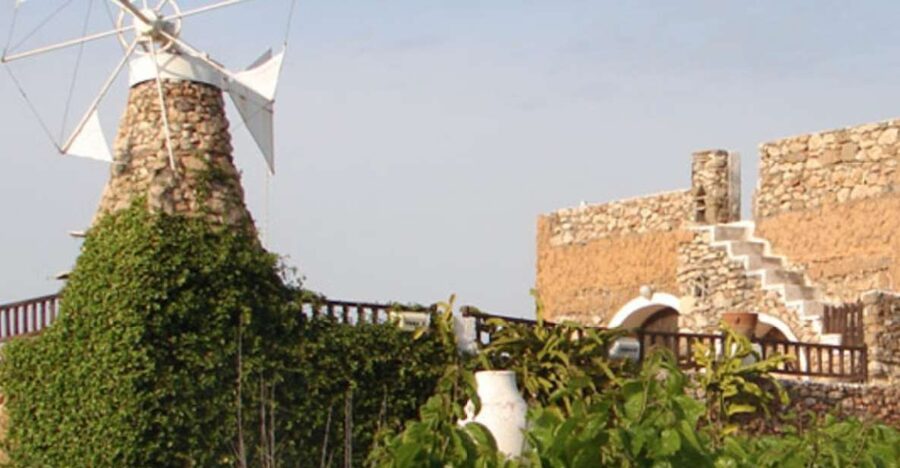
As you walk around, look for the windmills, threshing floor, and olive oil press. Each feature points to a basic task that once demanded time, labor, and shared effort.
The threshing floor connects to grain production. The olive press points to one of Crete’s most important crops and to the work needed before oil reached the kitchen. The windmills show how local communities used available power before modern machinery changed daily routines.
These are not isolated objects. Together, they explain how food was produced and how villages depended on local skills and cooperation. You do not need a specialist background to follow the story.
See how raki, pottery, and cloth fit into Cretan life
The tsikoudia distillery, used for making raki, is one of the more distinctive stops. Raki is closely tied to Cretan food and social customs, so the distillery gives the drink a practical setting instead of presenting it as just a tasting-room product.
You can also visit the ceramic shop and see areas connected with weaving and plant dyeing. These displays show how useful objects and clothing could be made locally, with materials drawn from the surrounding environment.
The shoe-making and carpentry workshops add another layer. They remind you that a village once needed people who could repair, build, shape, and maintain everyday items. A museum visit can easily reduce folk culture to costumes and decorative objects. Lychnostatis gives more attention to work.
The bees and wax workshop is especially helpful for understanding how one natural product could serve several purposes. The herbarium, herb garden, and Cretan fruit garden broaden the picture again, showing the link between plants, food, medicine, and household use.
I recommend slowing down in these areas rather than trying to rush through every building. The value comes from seeing how the pieces connect. Olive trees, herbs, bees, fruit, wool, wood, clay, and stone all appear as parts of a working culture.
The gardens and stone displays widen the story
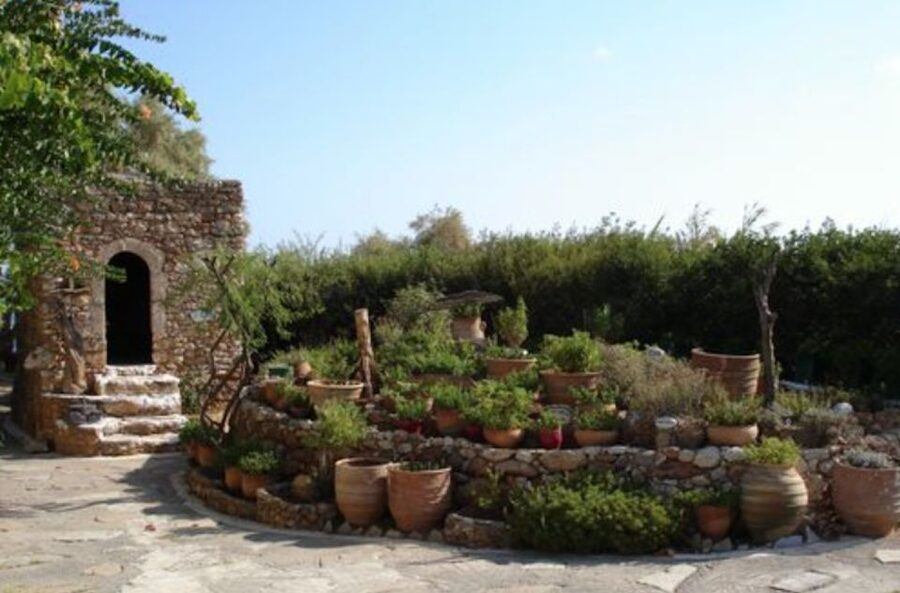
The museum is not limited to buildings. Its natural sections cover Cretan plants, fruits, herbs, minerals, and stones. This matters because traditional life depended on what the island could grow, gather, mine, or shape.
The Cretan fruit garden and herb garden give the visit a more grounded feel. They help explain why herbs and plants appear so often in local cooking and household traditions. The herbarium takes that subject into a more organized display.
The mineral and stone exhibition offers another view of the island. Stone is easy to overlook when you think about culture, yet it has shaped buildings, tools, paths, and local craft. Here, the material world gets its share of attention.
You may find that these outdoor areas make the museum more pleasant than a fully enclosed attraction, especially if you prefer moving between different settings. At the same time, an open-air museum requires comfortable planning. Allow time to walk, pause, and read rather than treating it as a quick indoor stop.
Same base, a completely different day:
- Crete: Day Trip to Agios Nikolaos and Spinalonga Island
★ 4.6 · 4,416 reviews - Agios Nikolaos: Boat Trip to Spinalonga with Swim Stop
★ 4.4 · 3,031 reviews - Crete: Knossos Palace Entry Ticket with Optional Audio Guide
★ 3.9 · 2,251 reviews - From Chania: Day Trip to Elafonisi Island Pink Sand Beach
★ 4.5 · 2,014 reviews
Choose the audiovisual film or private Greek tour
Your basic ticket gives you free time to explore. You can also add an audiovisual film or a private guided group tour.
The audiovisual option is a sensible choice if you want more explanation but do not speak Greek. The live guide language is Greek, so check this point carefully before paying for the private tour. A private format can help if your group understands Greek and wants a more directed visit, but it is not the best fit for every international visitor.
The museum also has a 100-seat auditorium for films, seminars, and similar events. There is an open-air theater with 250 seats for cultural and artistic events. These spaces show that Lychnostatis is intended to support local culture as well as display it.
Do not assume that a film or performance is automatically part of every entry ticket. The audiovisual film is included only when that option is selected, and food and drinks are separate.
A library, gallery, and temporary exhibitions
The library contains books and periodicals about Crete. If you have a strong interest in Cretan culture, this can add useful depth after you have seen the buildings and objects.
The Cretan folk artists’ gallery shifts attention from older village work to artistic expression. The temporary exhibitions hall means the exact material on display can change, so it may offer something different on a return visit.
The souvenir shop is another natural last stop. It gives you a chance to look at local-themed items after seeing how traditional materials and crafts were used. I would treat it as optional rather than part of the main reason to visit.
The museum café is more important to the overall rhythm of the visit. You can stop for a typical beverage or sweet, though these are not included in the ticket. That pause gives you a chance to process what you have seen and adds a small food connection to the cultural visit.
How much time should you allow?
The ticket is valid for one day, and the experience is designed around free time rather than a tightly timed route. You could make a shorter visit by focusing on the house, distillery, press, workshops, and gardens. You could also spend much longer if you watch the film, browse the library, take in temporary displays, and stop at the café.
The listed duration is one day, but that does not mean you must remain inside from opening to closing. It means you have the day available for the visit. Since exact starting times and availability can vary, check the current schedule when booking.
I would avoid placing the museum at the end of an exhausting day. The open-air layout rewards a relaxed pace, and the number of subjects can feel scattered if you try to hurry. A half-day visit may suit many people, while those who read carefully and use the added options can make it a fuller outing.
Price, transport, and practical value
At about $10 per person, the entry ticket offers solid value. You are not paying for one room or a single display. You get access to traditional buildings, workshops, gardens, the chapel, exhibitions, the library, and the museum’s public spaces for one day.
The price becomes even more reasonable if you enjoy cultural sites that explain ordinary life. Large archaeological museums often focus on famous objects and major periods. Lychnostatis spends more time on household work, local materials, farming, and craft, which can be easier to connect with during a holiday in Crete.
Transportation is not included. You reach the museum by car or taxi, so include that cost in your planning. The meeting point is the museum itself, which keeps the arrangement simple once you have made your way there.
Skip-the-line entry is listed, another small advantage during a busy period. The museum is wheelchair accessible, which is important for visitors who need step-free access, though the outdoor setting may still make it wise to confirm specific route details before arrival.
Cancellation is flexible up to 24 hours before the visit for a full refund. You can also reserve now and pay later, useful if your Crete plans are still shifting.
What the ratings tell you about the experience
The overall rating is 4.8 from 49 reviews, with the strongest praise focused on the guide-led explanation, the amount of information, and the sense of tradition.
A German-language comment describes a friendly, capable tour that gave a good impression of life in earlier times. Another calls the visit highly informative. French and Belgian comments emphasize that the museum is attractive and worthwhile, while a French visitor specifically points to the traditional drinks available at the end.
That pattern is useful. The museum works best when you care about understanding how Cretan people lived, not only taking photographs of old buildings. It also suggests that a guide can add real value, provided the Greek language suits you.
One practical criticism concerns printed information. A Finnish visitor found some instruction sheets and leaflets damp and worn from use. I would treat the written material as helpful but not always polished. If you want a clear, structured explanation in your own language, the basic ticket may leave you doing more of the interpreting yourself.
Who should book Lychnostatis?
I would recommend this museum to families, culture-minded visitors, and anyone staying near the Cretan coast who wants a break from beaches and resort streets. Children may respond well to the open-air setting, animals and plants are not the focus here, but the houses, workshops, windmills, and tools give the past a physical shape.
It also suits visitors who like practical history. You see how people made, grew, pressed, brewed, wove, repaired, and stored things. That can tell you more about ordinary life than a long list of dates.
The museum may be less satisfying if you want a polished, highly structured tour in English or another language. The live guide option is in Greek, and the quality of the printed material may vary. In that case, select the audiovisual option only if its language and schedule meet your needs, or plan on exploring independently.
FAQ
Where is the Lychnostatis Open Air Museum?
The museum is in Crete, Greece. You begin the experience at the museum itself and can reach it by car or taxi.
How much does entry cost?
The listed price is about $10 per person. Optional additions, such as the audiovisual film or private guided tour, may affect the total price.
How long is the ticket valid?
The ticket is valid for one day. You receive free time to explore the museum during that period.
Is a guide included?
The entry ticket includes access and free time to explore. A private guided group tour is an optional add-on, and the live guide language is Greek.
Is transportation included?
No. You make your own way to the museum by car or taxi.
Can I cancel the booking?
Yes. You can cancel up to 24 hours in advance for a full refund. A reserve-now, pay-later option is also available.
Should you book it?
Book Lychnostatis if you want to understand the working side of Crete: its homes, olive oil, raki, gardens, tools, crafts, and village customs. The $10 base price is fair, and the museum gives you enough variety to justify setting aside several hours.
Choose the private tour only if Greek works for your group. Otherwise, use the audiovisual option if suitable, or take your time with the open-air displays. For a more personal look at Cretan life than you get from a standard sightseeing stop, this is a worthwhile choice.
Just added in Crete
- Chania: 7 Villages of Apokoronas Tour with Lunch★ 4.7 · 289 reviews
- Heraklion: Self-Driving 4X4 Jeep Off-Road Tour with Lunch★ 4.6 · 26 reviews
- Crete: Samaria Gorge Hike★ 4.4 · 201 reviews
- Samariá Gorge Hike: Day Excursion from Chania★ 4.4 · 49 reviews
- Rethymno: Old Town Walking Tour with Meal★ 4.9 · 73 reviews
- Rethymno: Pirate Boat Cruise with Swimming Stops★ 4.1 · 255 reviews
- Rethymno: Old Town Segway Tour★ 4.9 · 39 reviews
- From Rethymno: Lake Kournas and Villages Full-Day Tour★ 4.4 · 45 reviews
Museums, compared.
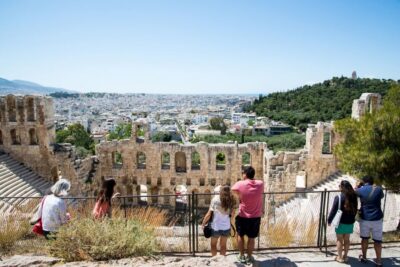
Acropolis, Parthenon & Acropolis Museum Guided Tour
Read our review →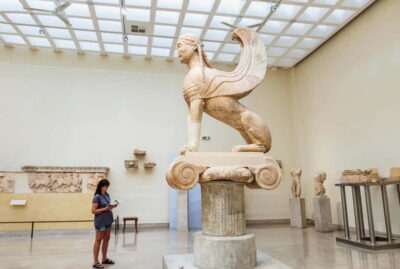
Mythology of Delphi, Museum and Arachova Guided Tour
Read our review →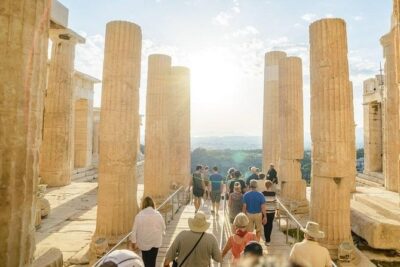
Acropolis monuments & Parthenon Walking Tour with Optional Acropolis Museum
Read our review →
Athens All Included: Acropolis and Museum Guided Tour with Ticket
Read our review →
Acropolis Museum Ticket with optional Audio Guide
Read our review →
Small-Group Delphi, Museum & Arachova Day Trip
Read our review →
Parthenon & Acropolis Museum with Audio or Live Tour Option
Read our review →
National Archaeological Museum Ticket & Audio Guide
Read our review →Browse the lists this tour appears in