
Reviewed · WALKING TOURS
Athens: Guided Street Art Walking Tour
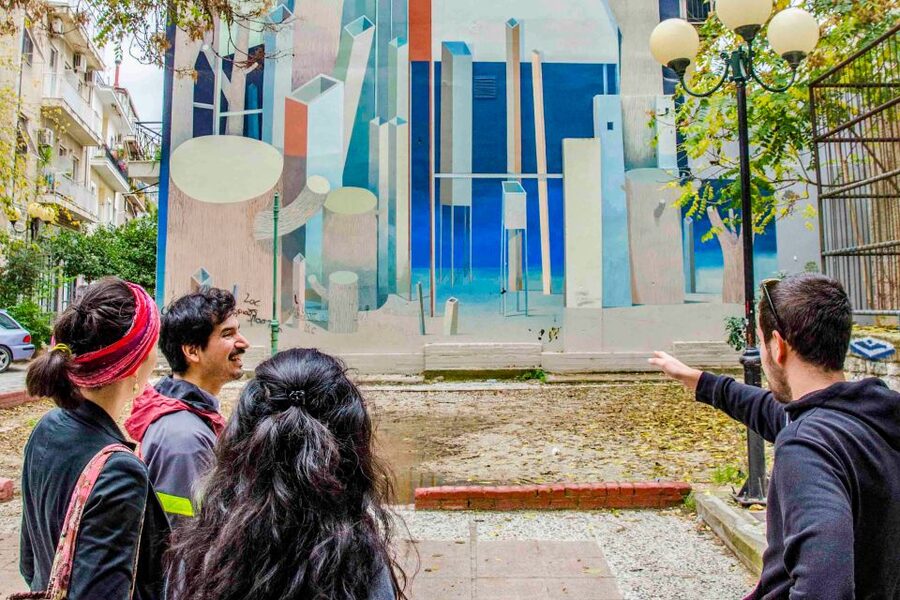
Athens tells part of its modern story on its walls. On this three-hour street art walk, a working local artist such as Nikos, also known as Rude, helps you read the symbols, styles, and political messages scattered through Psyri, Gazi, Monastiraki, and nearby Thissio.
I like the way this tour links graffiti to Greece’s economic and social struggles rather than treating it as decoration. I also like that it takes you into neighborhoods you might skip while chasing the Acropolis, with time for questions and local tips. The main drawback is practical: you walk for three hours on city streets, and the tour is not suitable for wheelchair users or people with mobility impairments.
Key points to know before booking

- An artist leads the walk: Guides including Nikos, Pavlina, Elisabeth, and Achilles have been praised for explaining both technique and meaning.
- The art becomes a way to read Athens: You look at political symbols, social criticism, personal statements, and changing styles.
- The route covers several central neighborhoods: Thissio, Psyri, Gazi, and Monastiraki show different sides of the city.
- The tour goes beyond graffiti: Expect discussion of local history, architecture, politics, culture, and daily life.
- It works well for families and teens: Several young participants found the subject engaging, including children aged 12, 15, and 17.
- The price is $57 per person: That is fair if you want interpretation and local context, not just a self-guided wall hunt.
Why Athens street art deserves three hours

Athens is often introduced through temples, museums, and marble ruins. Those matter, but they do not explain the whole city. Street art gives you a more immediate look at modern Greece, including anger, humor, protest, grief, identity, and hope.
The city’s walls are not simply covered with random paint. Some works are quick tags. Others are carefully planned images with a clear social or political point. A guide who works in the scene can help you tell the difference and notice details that are easy to miss when you walk alone.
That is the real value of this experience. You are not just taken to a few colorful walls for photographs. You are given basic tools for reading Athens graffiti. The guide explains how street art developed in the capital, how artists differ in style, and how public art can respond to events in the country.
The focus on Greece’s economic and social crises gives the walk extra weight. You may see images that reflect unemployment, frustration with politics, inequality, resistance, or concern about the future. The guide also leaves room for discussion, so the experience is not a one-way lecture.
I especially like this approach for a first or second day in Athens. It gives you a better sense of the city’s present before you spend the rest of your trip looking mainly at its ancient past.
A few more things to do in Athens worth a look
- Athens Street Art Walk
★ 5.0 · 309 reviews - Awesome Street Art Tour in Athens with a Local Expert Small-Group
★ 5.0 · 150 reviews - Athens Urban Street Art Tour
★ 5.0 · 98 reviews
Starting near Thissio and the Archaeologists’ Association
The meeting point is in front of the Association of Greek Archaeologists in Thissio. You can reach it by taking the green line to Thissio station, or by using the blue line to Monastiraki and walking along Adrianou Street.
This is a useful starting area because it sits close to several major central neighborhoods without feeling like a standard sightseeing assembly point. Thissio is also easy to pair with other Athens plans, although you should allow enough time to find the meeting place.
The published information gives three starting options under Thiseio or Thissio. Confirm the exact time and meeting instructions when you book, since the available start times can vary.
Wear comfortable shoes. That sounds obvious, but it matters here. You will be walking through ordinary city streets, not moving between polished museum galleries. Pavement, traffic, heat, and uneven surfaces can make a long urban walk tiring.
Psyri: Athens at its most expressive

Psyri is one of the key neighborhoods on the route, and the tour finishes here. It is a useful place to study how Athens mixes old buildings, nightlife, small businesses, and public art.
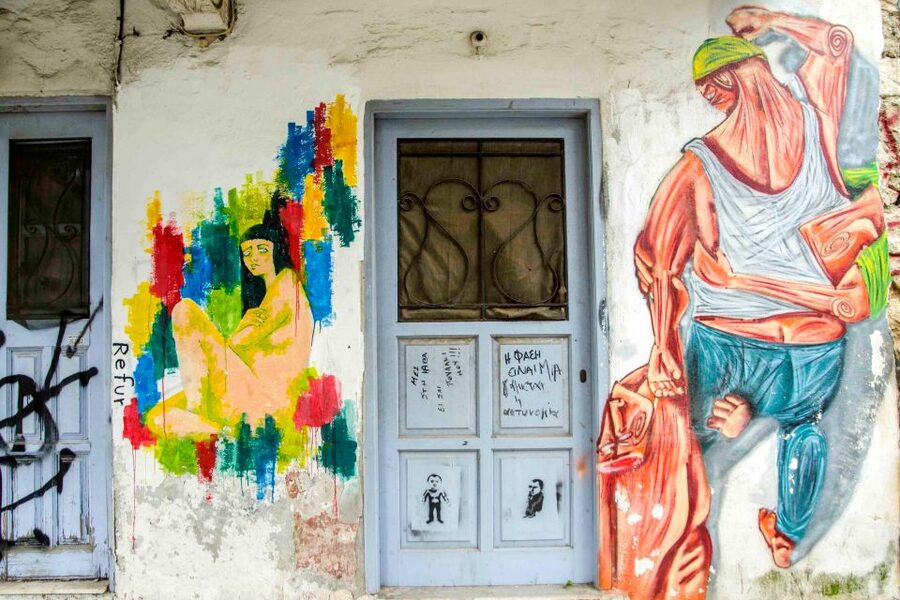
The street art here is not presented as a separate gallery collection. It belongs to the streets and changes over time. A wall may carry several layers of paint, with newer work partly covering older images. A good guide helps you understand that changing surface instead of treating every wall as a permanent monument.
This is also where the social side of the tour comes through clearly. The guide may explain why an artist chose a certain image, what a symbol suggests, or how a work connects to wider political concerns. The point is not always to find one correct answer. Some pieces invite interpretation, and the guide can give you the context needed to form your own view.
Psyri is a practical place to end because you can continue into the neighborhood for food or a drink. Guides have also been praised for suggesting nearby restaurants, bars, and cafés. Those recommendations are a useful bonus, especially if you want to stay in central Athens after the walk rather than return immediately to your hotel.
Gazi: an alternative view of central Athens

Gazi brings another mood to the route. The neighborhood is included as one of the three main areas explored, giving you a chance to see how street art works beyond the streets around the Acropolis and Monastiraki.
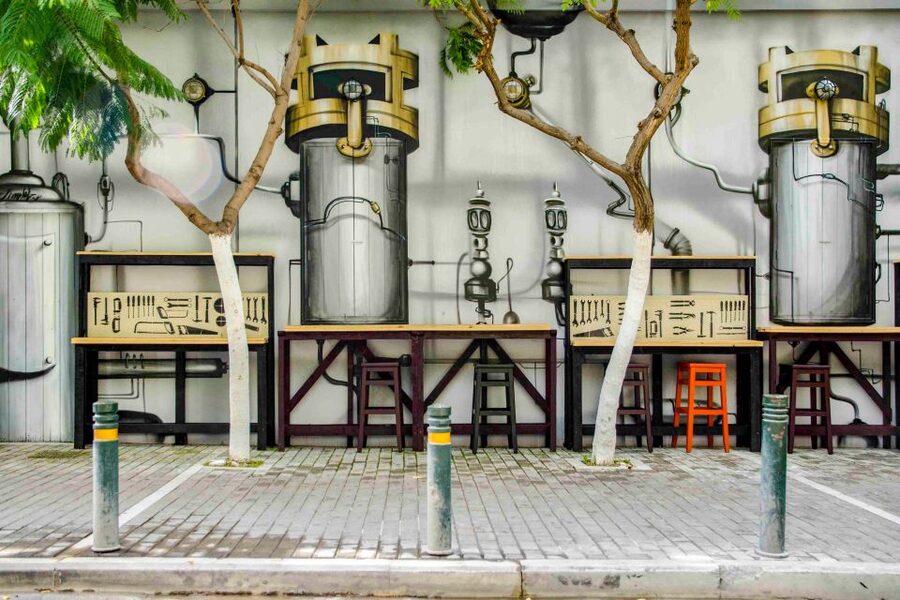
You should not expect every stop to be a famous mural. Part of the pleasure is seeing how artists use walls, shutters, old buildings, and overlooked corners. The guide discusses the artists behind the work, including WD, iNO, Moralez, and others.
iNO receives particular attention in the tour material and in the experience of past participants. His work is described as a highlight, and the guide can help you look at its scale, technique, and message rather than simply taking a quick photograph and moving on.
Gazi also helps you understand that street art is tied to place. The same image can feel different depending on the surrounding buildings, businesses, and people moving through the street. The guide’s comments about the neighborhood make the art easier to place within everyday Athens.
This part may appeal especially to anyone who has already seen the central archaeological sights and wants something less formal. It also suits older children and teenagers, who may connect more quickly with visual art in public spaces than with a long museum explanation.
Same base, a completely different day:
- Athens: Acropolis & up to 5 Archaeological Sites Combo Pass
★ 4.4 · 12,619 reviews - Athens: Acropolis Ticket with Optional Audio or Live Guide
★ 4.2 · 11,055 reviews - Athens: Acropolis, Parthenon & Acropolis Museum Guided Tour
★ 4.8 · 9,316 reviews - Athens: Cape Sounion & Poseidon Temple Sunset Half-Day Trip
★ 4.8 · 8,241 reviews
Monastiraki and the contrast with ancient Athens

Monastiraki is one of Athens’s best-known central areas, so this part of the walk creates a useful contrast. You may have already passed through it while visiting markets, shops, or nearby monuments. With a street artist beside you, the same streets take on another meaning.
The neighborhood shows how Athens layers different periods together. Ancient sites, older buildings, commercial streets, and contemporary graffiti can appear close to one another. The tour does not ask you to choose between ancient culture and modern expression. Instead, it shows how both exist in the same city.
This is also a good place to think about the difference between commissioned public art, graffiti, and spontaneous street work. The guide begins with a definition of street art, which gives the rest of the walk a useful framework. That opening matters because people use the term loosely. You will have a clearer idea of what you are looking at as the tour continues.
The Monastiraki section can be busy, and that may make the walk feel less quiet than the smaller streets visited elsewhere. On the other hand, the familiar setting helps you understand how public art reaches people who may never visit a gallery.
What an artist guide adds
The strongest reason to book this tour is the guide. Nikos, often identified by the name Rude, is the guide most frequently associated with this experience. Other guides named in the tour feedback include Pavlina, Elisabeth, and Achilles.
You should not assume a particular guide will lead every departure. What you can reasonably expect is a guide with a close connection to Athens’s art scene and an interest in explaining the work rather than rushing from wall to wall.
A guide who has made street art can point out choices that are hard to see on your own. You might learn how an artist uses scale, color, lettering, stencils, portraiture, or placement. You may also hear why one artist’s approach differs from another’s.
The best part is the conversation. The guides are described as friendly, relaxed, patient, and open to questions. That tone matters because street art can be personal and political. You are more likely to enjoy the walk if you can ask what a symbol means, offer your own reading, or discuss whether a piece feels attractive, troubling, or both.
This is not a formal art-school lesson. It is closer to walking around Athens with someone who knows the local scene and can explain what you are seeing. That makes the experience accessible to people who love art and to people who know very little about it.
Politics, crisis, and the meaning behind the walls
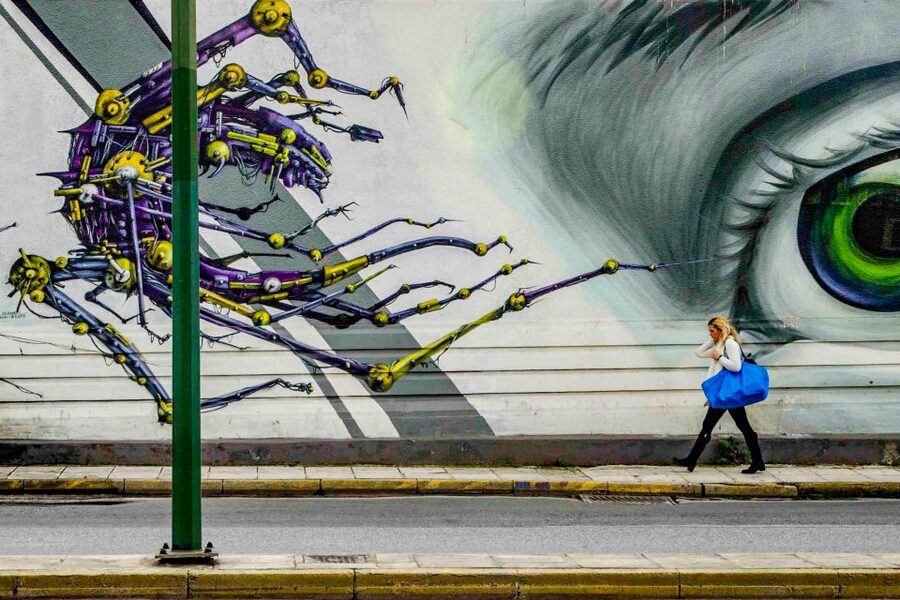
The tour’s strongest subject is the link between street art and Greece’s recent economic and social troubles. The walls become a record of public feeling, although not a simple one.
Some pieces may express protest. Others may use irony, fear, anger, or sadness. Some are primarily artistic and have no obvious political message. The guide helps you consider the difference instead of claiming that every painted wall has a grand explanation.
This part of the walk can be more thought-provoking than cheerful. If you want a light activity focused only on colorful photographs, this may feel more serious than expected. If you want to understand how contemporary Athenians express disagreement and identity in public, it is a strong choice.
I also like that the tour connects politics with daily life. Guides have discussed what it is like to live in Greece over recent decades, along with the history and character of the neighborhoods. That gives you more than a list of artists. You get a sense of how public art relates to the people who walk past it every day.
Pace, group feel, and family appeal
The tour lasts three hours, which is long enough to build a proper story but short enough to fit into a day of sightseeing. The pace has been described as comfortable, with time to stop, look, listen, and ask questions.
A small group can make a big difference. The experience allows a private group, and some departures may naturally be small. A compact group makes it easier to discuss individual pieces and hear the guide clearly in noisy streets.
Families should take a close look at this option. Children and teenagers have enjoyed it, including one family with children aged 11, 15, and 18 and another with young people aged 12 and 15. The visual subject keeps the walk active, while the political and cultural discussion adds substance.
Still, this is not a stroller-friendly or wheelchair-friendly outing according to the stated restrictions. Anyone with mobility limits should choose carefully. There is no included transportation, so the entire experience is on foot from the meeting point through the neighborhoods.
A coffee stop has also been part of at least one departure, but do not treat that as a guaranteed inclusion. The official inclusions are the street artist guide and walking tour. Food, drinks, and transportation are not included.
Is $57 a fair price?

At $57 per person, this is not the cheapest way to see Athens street art. You can walk through central neighborhoods for free and spot plenty of painted walls on your own.
The question is what you want from the experience. If you only want photographs, the price may feel high. If you want the names of artists, explanations of styles, political context, neighborhood background, and a route that saves you from searching randomly, the cost is more reasonable.
I see the price as paying for interpretation and access to local perspective. The guide turns a loose collection of walls into a subject you can understand. You also get restaurant and bar suggestions at the end, which may add practical value to your evening.
The tour becomes a particularly good purchase if you have only two or three days in Athens. It gives you a fast way to see several central areas while learning about modern Greece. Art students, photographers, politically curious visitors, and families with teenagers may find the value strongest.
Languages, cancellation, and practical details
The tour is offered in English and French. A private group is available, which may suit families, friends, or anyone who wants more control over the conversation.
Free cancellation is available up to 24 hours before the activity for a full refund. You can also reserve now and pay later, which helps if your Athens schedule is still changing.
The tour is not suitable for wheelchair users or people with mobility impairments. Comfortable shoes are the only specific item listed to bring, but sun protection and water are sensible choices for a three-hour walk in Athens. Those are general walking tips, not included services.
Who should book this Athens walk?
Book it if you want to understand Athens as a living city, not just as a collection of ancient sites. It is especially well suited to people interested in visual art, politics, architecture, local neighborhoods, and contemporary Greek culture.
It also works for visitors who feel overwhelmed by graffiti and want a way to separate quick tags from carefully developed street art. The guide gives you a vocabulary and context you can keep using after the tour ends.
Skip it if you dislike long walks, need step-free access, or want a strictly ancient-history experience. You may also prefer to explore alone if you enjoy wandering without a fixed route.
For most curious visitors, I would book this tour early in an Athens stay. The route helps you get your bearings, the guide can shape the rest of your sightseeing, and the city’s walls will look different after you learn how to read them.
FAQ
How long does the Athens street art tour last?
The tour lasts three hours.
What neighborhoods does the tour visit?
The route includes Thissio, Psyri, Gazi, and Monastiraki. Psyri is the listed finishing area.
Where does the tour meet?
The meeting point is in front of the Association of Greek Archaeologists.
How can I reach the meeting point?
You can take the green line to Thissio station, or take the blue line to Monastiraki Metro Station and walk along Adrianou Street.
Who guides the street art walk?
A street artist guide leads the tour. Guides associated with the experience include Nikos, also known as Rude, Pavlina, Elisabeth, and Achilles. The guide for your departure may vary.
Is the tour available in English?
Yes. The tour is available in English and French.
Is transportation included?
No. Transportation is not included. The experience is a walking tour.
Is the tour suitable for wheelchair users?
No. The activity is not suitable for wheelchair users or people with mobility impairments.
Can I cancel the booking?
Yes. You can cancel up to 24 hours in advance for a full refund. Reserve now and pay later is also available.
Just added in Athens
- Ceramic and Pottery Creative Workshop with Two Local Artists★ 4.0 · 57 reviews
- Small-Group Women History in Ancient Greece Walking Tour★ 5.0 · 38 reviews
- Athens Old City Private Photoshoot Tour / 2 hrs★ 5.0 · 109 reviews
- Athens: Wine Workshop Create your Own Wine under the Acropolis★ 5.0 · 77 reviews
- Athens: Greek Wines Tasting with Sommelier and Acropolis Views★ 5.0 · 88 reviews
- Wine Trails Private Tour/ Nemea visit 3 wineries from Athens or Nafplion (10 h)★ 5.0 · 44 reviews
- FLYING DRESS Photoshoot in Athens – Greece★ 5.0 · 47 reviews
- Small-Group Wine Tour in Athens with Tasting★ 5.0 · 33 reviews
Walking Tours, compared.
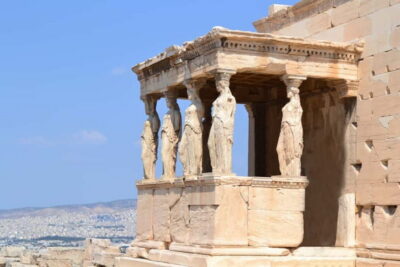

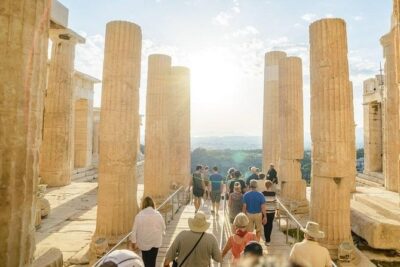
Acropolis monuments & Parthenon Walking Tour with Optional Acropolis Museum
Read our review →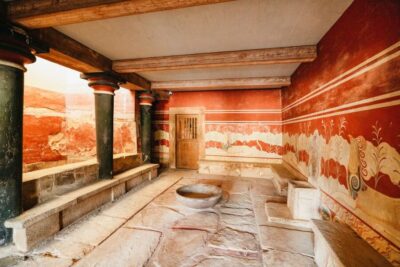
Knossos: Knossos Palace Skip-the-Line Guided Walking Tour
Read our review →

Athens Authentic Greek Food Walking Tour (Small Group)
Read our review →
Early Morning Acropolis & Old Athens Guided Walking Tour
Read our review →
Browse the lists this tour appears in