
Reviewed · MUSEUMS
Athens: Museum of Cycladic Art Entry Ticket
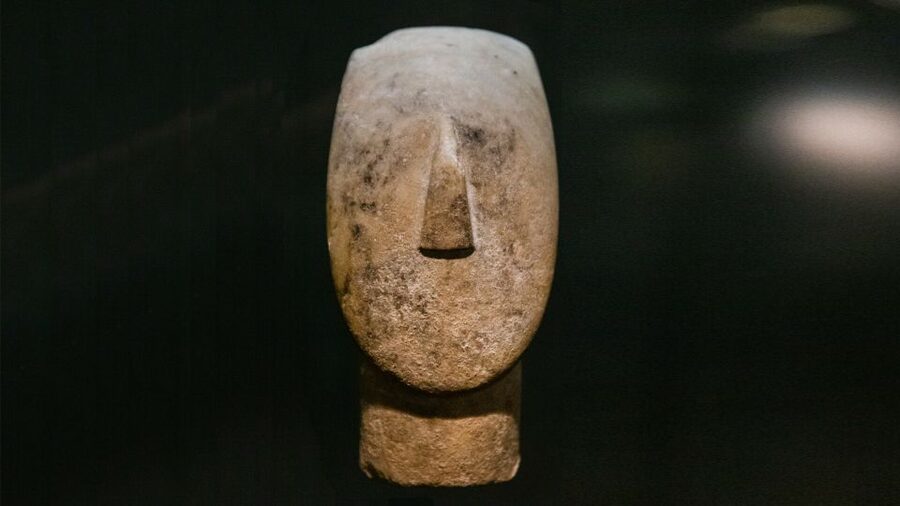
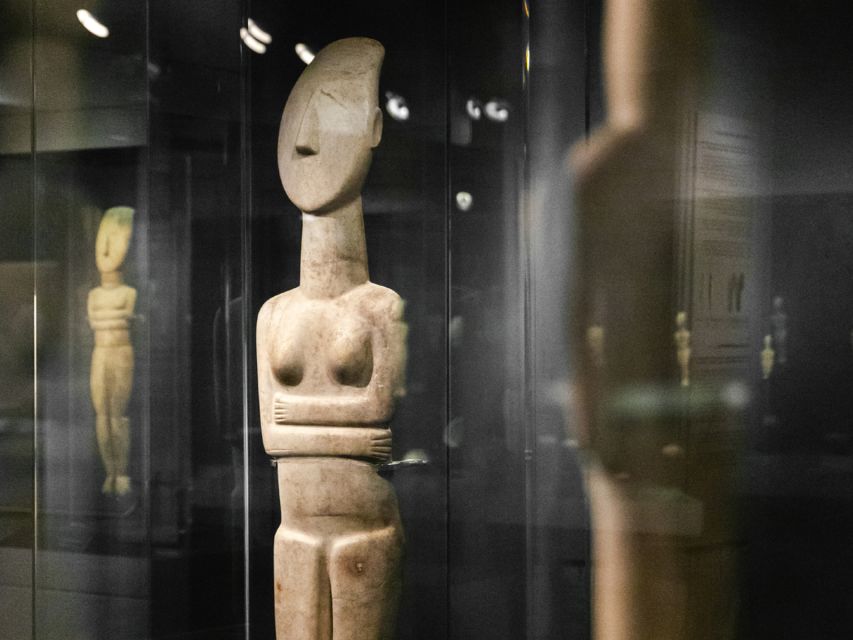
The most memorable pieces here are the smooth marble figurines made in the Cyclades around 2300 BC. Their spare, almost modern shapes can look simple at first, but the museum gives you enough context to see them as skilled work from a distinct island culture, not just attractive white statues.
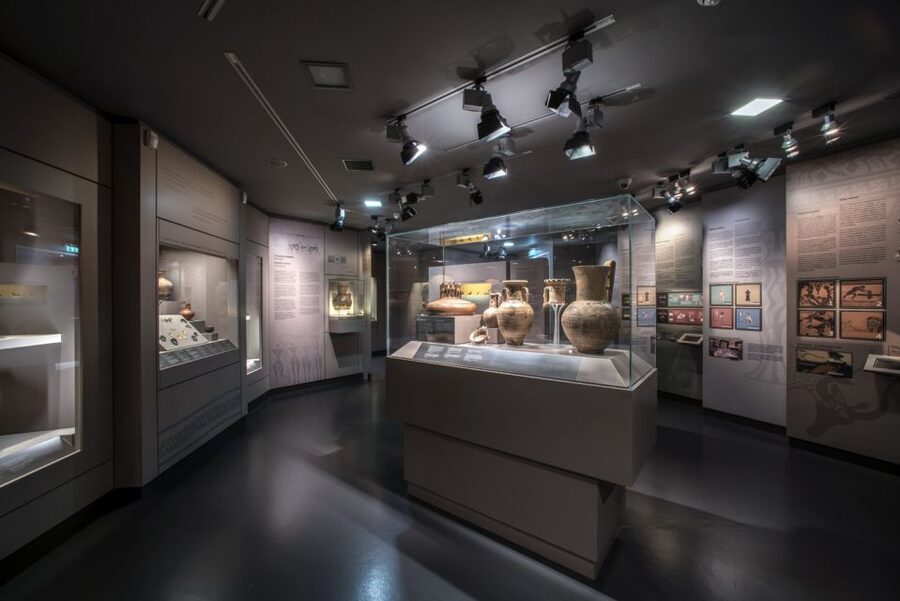
I like the museum’s clear four-floor layout and the way its collections move from Cycladic art to ancient Greek and Cypriot material. I also like its manageable size: you can see the permanent displays in about 1.5 to 2 hours without feeling worn out. The main caution is current building work, which has at times blocked the entrance and caused loud noise, so check conditions before going.
Key points to know before you go
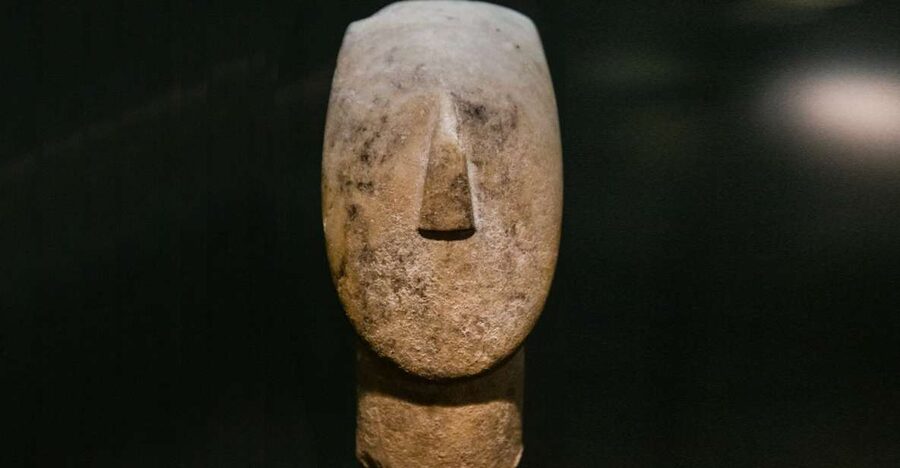
- Marble figures from about 2300 BC: The Cycladic collection is the museum’s main draw, with figurines, vases, tools, weapons, and pottery.
- Four floors with different themes: Ancient Greek art, daily life in Classical Athens, Cycladic culture, and Ancient Cypriot art each get their own focus.
- A good $14 use of time: The ticket covers the permanent collections, and most people need only 1.5 to 2 hours.
- QR-based Clio Muse Tours: You get access to extra material, though the audio content does not cover every object.
- Five minutes from Syntagma: Enter at the main entrance, close to Syntagma Square and the Syntagma Metro station.
- A peaceful café stop: The Cycladic Café offers food and drinks based on natural products and virgin ingredients.
Why the Cycladic figures deserve your attention
The Cyclades are a group of islands in the central Aegean. During the Early Bronze Age, in the third millennium BC, island communities developed a distinctive artistic style using local marble. The famous figures often have folded arms, long noses, and simple, carefully balanced bodies.
At first glance, these objects may remind you of modern sculpture. That resemblance is part of their appeal, but you should try not to view them only through a modern art lens. They were created by people whose beliefs, customs, and daily lives are only partly understood today.
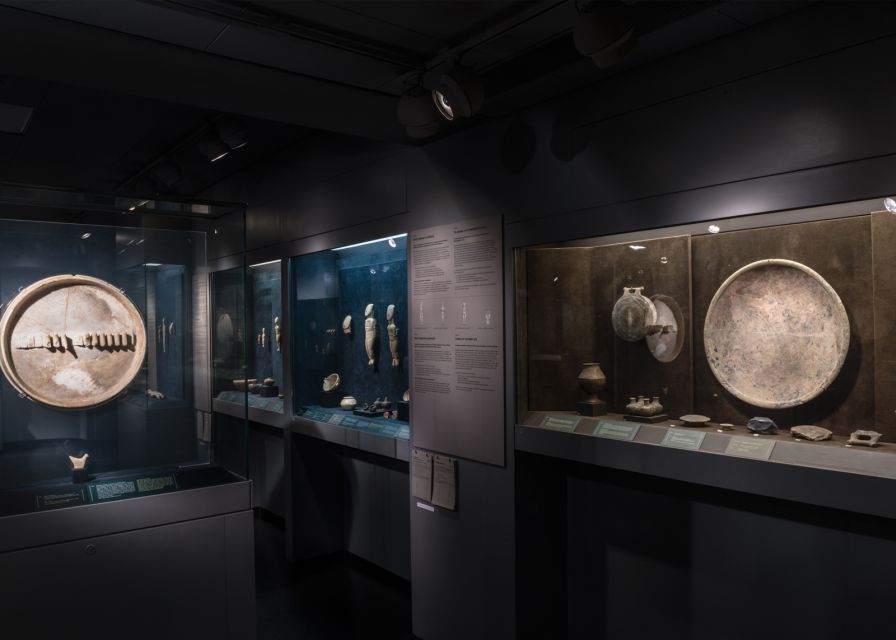
The museum places the figures among other objects from the same culture. You can see vases, pottery, tools, and weapons, which helps turn the collection from a series of isolated statues into a picture of island life. The material also shows that Cycladic art was not limited to the elegant marble figures that appear in guidebooks.
I like this section best when I slow down and compare the shapes. The display is not so large that you need a full day, yet there is enough variety to notice changes in form and technique across the period. The objects have space around them, and the clean presentation makes their outlines easy to study.
A few more things to do in Athens worth a look
- Athens: Acropolis, Parthenon & Acropolis Museum Guided Tour
★ 4.8 · 9,316 reviews - Athens: Mythology of Delphi, Museum and Arachova Guided Tour
★ 4.6 · 4,008 reviews - Athens: Acropolis, Parthenon & Acropolis Museum Guided Tour
★ 4.8 · 3,579 reviews
A four-floor museum that is easy to manage
The museum occupies a handsome old building in central Athens. The permanent collections are spread across four floors, with one or two rooms on each level. That arrangement keeps the experience from becoming tiring, especially if you are fitting the museum between other stops in central Athens.
The floors are well organized, and you can move through the displays without trying to cover a huge complex. One practical approach is to start at the highest floor and work downward. This reduces the physical effort of climbing and gives you a simple route through the building.
The museum is wheelchair accessible, but the supplied information does not specify the exact route between every gallery. If you need step-free access, ask staff at the entrance for the best way through the building.
The interior has been described as cool and pleasant, which can be welcome during a hot Athens day. Food and drinks are not allowed in the exhibition areas, so plan to use the café only when you are ready to leave the galleries.
The main entrance is a five-minute walk from Syntagma Square and Syntagma Metro station. Construction has made the entrance harder to find at times, and street access has occasionally been blocked. If you see building work outside, allow a few extra minutes and ask staff or nearby personnel where to enter.
The Ancient Greek collection, from pottery to jewelry
The Ancient Greek Art collection covers a much wider period than the Cycladic displays. Its objects date from the second millennium BC through the fourth century AD, giving you a way to follow changes in Greek art and society over many centuries.
Here you will find painted vases, terracotta figures, bronze vessels, stone sculpture, coins, gold jewelry, and glass objects. The variety matters. A museum filled only with large statues can make ancient life seem formal and distant, while small objects such as coins, vessels, and jewelry show how people handled, wore, and used their possessions.
The second-floor exhibition focuses on historical, artistic, and technological developments. You can use it to watch Greek society change over time, from early traditions to the world of the city-state. The displays are arranged in a way that many people find easy to follow, and the written information is clear and useful.
Do not expect every object to feel equally dramatic. Some of the pottery, weapons, and statues may seem familiar if you have already visited major archaeological museums in Athens. That overlap is not a serious problem, since this museum presents the material in a smaller setting and places strong attention on connections between art, society, and technology.
The Ancient Greek rooms work best for visitors who enjoy looking closely at workmanship. A painted vase may reward you with details that are easy to miss from a distance. Gold jewelry and glass objects show another side of ancient skill, while coins and tools offer a more ordinary view of the past.
Seeing everyday life on the fourth floor
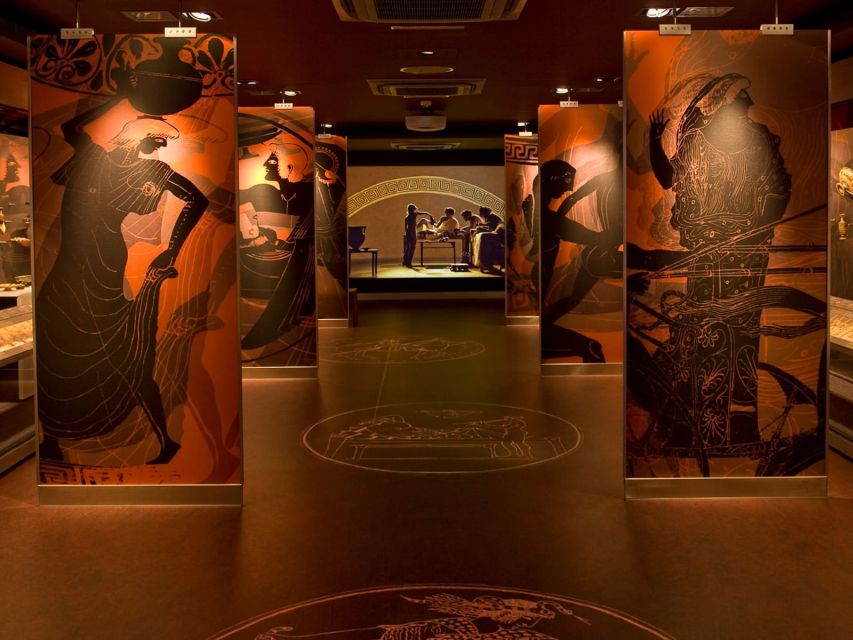
The fourth-floor exhibition offers a picture of everyday life in Classical Athens. This is an important change of pace after the earlier galleries, since it moves you away from the most famous artistic objects and toward the habits and surroundings of daily life.
The word everyday can make a display sound less exciting than it is. In practice, household objects and personal items help you imagine how ancient society worked beyond temples, battles, and famous names. The value here is not one single masterpiece. It is the chance to connect art with the routines of people who lived in Classical Athens.
I would give this floor time even if you came mainly for the Cycladic figurines. It adds social context and gives the museum a more human scale. Younger children, especially those under about 10, may find the museum less engaging because the displays are mainly objects and written information rather than hands-on activities.
Same base, a completely different day:
- Athens: Acropolis & up to 5 Archaeological Sites Combo Pass
★ 4.4 · 12,619 reviews - Athens: Acropolis Ticket with Optional Audio or Live Guide
★ 4.2 · 11,055 reviews - Athens: Cape Sounion & Poseidon Temple Sunset Half-Day Trip
★ 4.8 · 8,241 reviews - Athens: Acropolis and Parthenon Guided Walking Tour
★ 4.6 · 5,882 reviews
Ancient Cyprus and the Mediterranean connections
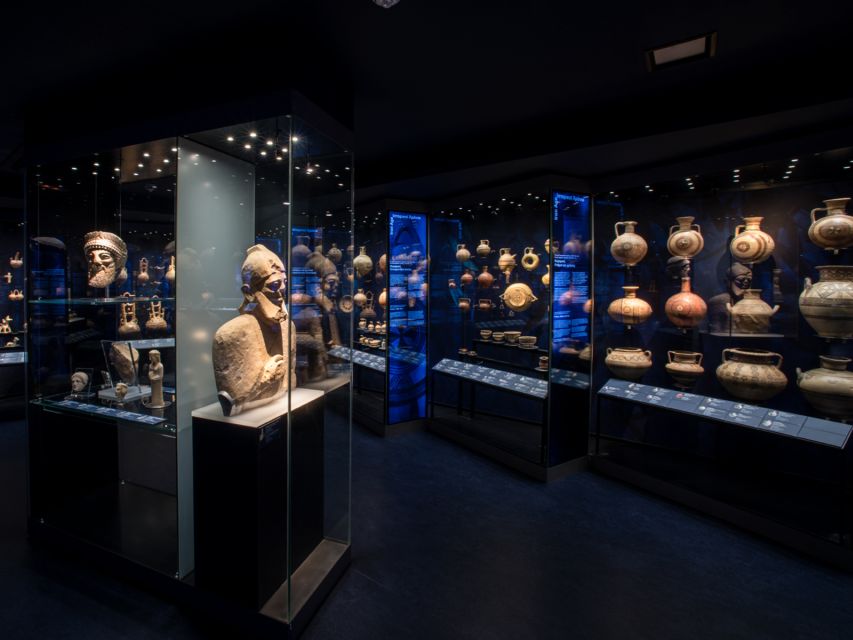
The Ancient Cypriot Art collection is one of the largest outside Cyprus. Its dates stretch from the fourth millennium BC to medieval times, so it offers an unusually long view of the island’s artistic development.
The objects include prehistoric figurines, Archaic and Classical sculpture, inscriptions, bronzes, coins, gold jewelry, glasswork, and many types of ceramics. This broad range makes the Cypriot section useful for understanding how an island can absorb outside influences while keeping local traditions.
Cyprus sat in a position that encouraged contact with nearby regions. The collection shows elements linked to local, Greek, Egyptian, and Near Eastern traditions. You can see how objects and ideas moved around the Mediterranean, sometimes blending into new forms.
I find this section especially useful if you have already seen Greek art elsewhere and want a wider picture. Ancient culture did not develop in sealed national boxes. Cyprus provides a clear example of exchange between communities, and the museum gives you enough material to spot those connections.
The Cypriot galleries may not have the immediate fame of the Cycladic marble figures, but they reward patient attention. Look for changes in materials and styles over time. The long date range also means that the collection is not simply another display of Classical Greek objects.
Using the Clio Muse Tours QR access
Your ticket includes access to Clio Muse Tours through a QR code. This gives you additional commentary without requiring a traditional guided tour or a fixed group schedule.
The audio material is not attached to every object. You may find that only selected pieces have entries, and finding each item by its number can feel slow if you try to use the system for the entire museum. It is best treated as an optional aid rather than the sole way to understand the displays.
I would begin by reading the gallery panels and then use the QR content for objects that catch your attention. The museum’s own information is clear enough to make a visit worthwhile without a guide, while the digital material can add detail when you want more.
The absence of a live guide gives you freedom, but it also means you must set your own pace. If you prefer a person explaining the collection as you move, this ticket does not include that service. If you like quiet galleries and independent exploring, the format is more suitable.
Free Wi-Fi is available, which makes using the QR material easier. Bring a charged phone and give yourself time to scan the codes rather than rushing from case to case.
Making the most of a 1.5 to 2-hour visit
For a focused visit, allow about 90 minutes to two hours. That is enough time to see the permanent collections without treating the museum like a quick photo stop.
Start upstairs if the building layout and your mobility allow it. Work downward through the floors, giving the Cycladic collection your most patient look. Then continue through the Greek and Cypriot rooms, stopping when a type of object interests you.
A simple plan could look like this:
- Spend 30 to 40 minutes with the Cycladic collection and its marble figures.
- Allow 30 minutes for the Ancient Greek Art rooms.
- Give 15 to 20 minutes to the Classical Athens display.
- Use the remaining time for Ancient Cypriot Art and selected Clio Muse content.
These timings are only a guide. If you enjoy pottery, jewelry, or technical details, you may want to stay longer in the Ancient Greek rooms. If you are visiting with children, a shorter visit may work better.
The museum’s size is one of its best practical qualities. You can see a great deal without spending half a day indoors, and the organized floors make it easy to keep moving. At the same time, do not expect a large archaeological complex with endless halls. The appeal is focused presentation, not sheer scale.
Price, location, and what the ticket really covers
At $14 per person, the ticket is a reasonable purchase if you are interested in ancient art and want a central Athens museum that fits into a half-day plan. It includes entry to the permanent collections, free Wi-Fi, and QR access to Clio Muse Tours.
The ticket does not include a guided tour or hotel transfer. That is not a major issue for most people, since the museum is close to Syntagma Square and the metro station. You can reach it on foot from the central square rather than arranging special transport.
The one-day validity gives you flexibility, but this is not an experience that needs repeated visits for most people. Plan on one well-paced stop. If your schedule changes, free cancellation is available up to 24 hours in advance, and you can reserve while paying later.
The museum also has a small shop and the Cycladic Café. The café is described as a quiet spot with Cycladic flavors, natural products, and virgin ingredients. It gives you a pleasant place to pause, but the ticket covers only the museum entry, not food or drinks.
Who will enjoy this museum most
You will get the most from this experience if you enjoy archaeology, sculpture, ancient Mediterranean connections, or museums with readable displays. It is also a good choice when you want something calmer than Athens’ largest archaeological sites.
The museum suits independent visitors because you can move at your own pace and use the QR material only when useful. It also works well for a short cultural stop near Syntagma, especially when you do not want to commit to a full-day museum visit.
Families should consider the age and interests of their children. The displays are attractive and well arranged, but a child under 10 may find four floors of objects and written panels slow. Older children who like stories, myths, or ancient technology may respond better.
You should also check the current construction situation before booking. The museum itself remains worth seeing, but noise or a blocked entrance can affect your visit. Earplugs could be sensible if building work is still underway.
Should you book the Museum of Cycladic Art?
I would book this ticket if you want a focused look at Cycladic marble art, a manageable central Athens museum, and a useful introduction to Greek and Cypriot material. The clearest strengths are the elegant figurines, the well-planned floors, the calm pace, and the chance to see ancient Mediterranean cultures side by side.
I would skip it only if your Athens schedule is already packed with major archaeological museums or if you mainly want interactive displays and family activities. Also check for construction before you go. For $14 and roughly two hours, this is a strong choice for art-minded visitors who want more than another quick stop among famous Greek statues.
FAQ
What does the Museum of Cycladic Art ticket include?
The ticket includes entry to the museum’s permanent collections, free Wi-Fi, and access to Clio Muse Tours through a QR code.
Is a guided tour included?
No. A live guided tour is not included. The ticket provides QR access to Clio Muse Tours instead.
How long should I allow for the museum?
Plan on about 1.5 to 2 hours for the permanent collections. You can stay longer if you want to read more or use the QR material in detail.
Where is the museum located?
The main entrance is about a five-minute walk from Syntagma Square and Syntagma Metro station in central Athens.
Is the museum wheelchair accessible?
Yes, the museum is wheelchair accessible.
Can I bring food or drinks inside?
No. Food and drinks are not allowed in the museum galleries. The museum has a Cycladic Café where you can stop separately.
Just added in Athens
- Ceramic and Pottery Creative Workshop with Two Local Artists★ 4.0 · 57 reviews
- Small-Group Women History in Ancient Greece Walking Tour★ 5.0 · 38 reviews
- Athens Old City Private Photoshoot Tour / 2 hrs★ 5.0 · 109 reviews
- Athens: Greek Wines Tasting with Sommelier and Acropolis Views★ 5.0 · 88 reviews
- Athens: Wine Workshop Create your Own Wine under the Acropolis★ 5.0 · 77 reviews
- Wine Trails Private Tour/ Nemea visit 3 wineries from Athens or Nafplion (10 h)★ 5.0 · 44 reviews
- FLYING DRESS Photoshoot in Athens – Greece★ 5.0 · 47 reviews
- Small-Group Wine Tour in Athens with Tasting★ 5.0 · 33 reviews
Museums, compared.
Acropolis, Parthenon & Acropolis Museum Guided Tour
Read our review →
Mythology of Delphi, Museum and Arachova Guided Tour
Read our review →
Acropolis monuments & Parthenon Walking Tour with Optional Acropolis Museum
Read our review →
Athens All Included: Acropolis and Museum Guided Tour with Ticket
Read our review →
Acropolis Museum Ticket with optional Audio Guide
Read our review →
Small-Group Delphi, Museum & Arachova Day Trip
Read our review →
Parthenon & Acropolis Museum with Audio or Live Tour Option
Read our review →
National Archaeological Museum Ticket & Audio Guide
Read our review →Browse the lists this tour appears in