
Reviewed · ACROPOLIS & ATHENS HIGHLIGHTS
The Acropolis Treasure Hunt: Licensed Guide + Interactive Puzzles
The best part of this Acropolis experience is that you do not just follow a guide and stare at ruins. You work out clues, inspect old carvings, and follow a story involving a missing professor. I especially like the hands-on format and the way Charis draws quieter children into the game. A mystery backpack, props, and an iPad give younger participants something to do at every stop.
I also like that this is a private tour, so Charis can adjust the pace for your group. She has helped families find shade and water refill points in hot weather, and she makes room for both energetic children and shy ones. The main drawback is that the activity moves around the Acropolis area rather than replacing a full, formal visit inside the Acropolis monuments. You should also allow up to 2.5 hours, even though the general tour information describes it as about two hours.
Key Points at a Glance
- A mystery backpack starts the game: You receive clues, props, and an iPad loaded with the interactive activity.
- Charis leads the adventure: Your officially licensed guide explains the sites while helping your group solve the puzzles.
- The route covers about 2.5 kilometers: Expect pedestrian streets and ancient landmarks around the Acropolis Hill.
- Children have a real role: Greek myths, symbols, carvings, and challenges turn sightseeing into a team activity.
- It is private and flexible: Only your group takes part, making it easier to adjust the pace and level of help.
- The route is not a substitute for a full Acropolis tour: It is best for exploring the surrounding area and building interest in the monuments.
How the Acropolis Treasure Hunt Works
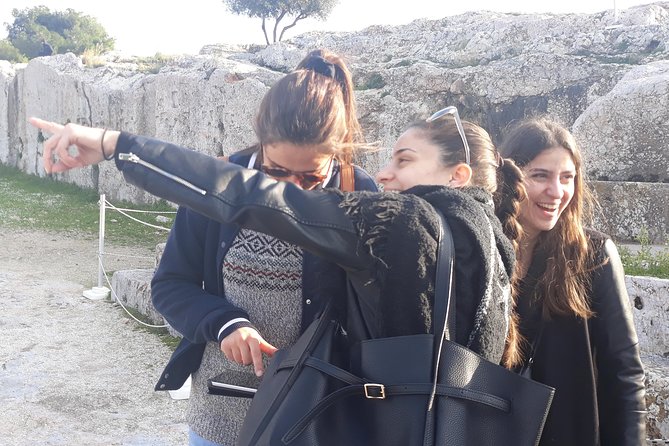
You meet Charis at the Acropolis Metro Station area, with the listed meeting address at Makrigianni 10, Athens 117 42. The activity begins at 10:00 am. From there, you receive a mystery backpack containing the physical clues and props, along with an iPad prepared for the game.
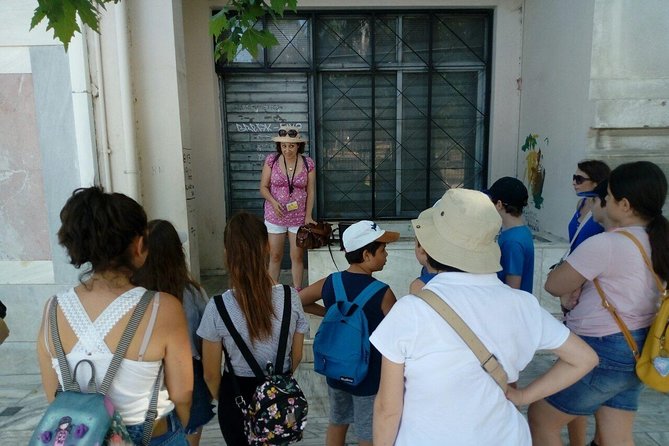
The format is part outdoor escape room, part guided walk. You are not simply handed a worksheet and sent off. Charis explains the historical setting, points out architectural details, and gives your group enough direction to keep the puzzle moving. The clues connect to the places around you, so the old stones become part of the game rather than a backdrop.
The route covers roughly 2.5 kilometers through pedestrian streets near the Acropolis. That matters for families. You get a good look at the area, but you are not committing to a full-day walking tour. Still, the streets, heat, and uneven ancient surroundings can make the outing tiring for very young children. Bring water, use the shade when you can, and treat the stated 2.5-hour duration as the safer planning figure.
The activity works for a family solving clues together, or for groups divided into teams. Corporate groups and friends can add a competitive edge, while families may prefer to keep everyone on one team. Since this is a private experience, Charis can offer more or less help depending on the ages and confidence levels in your group.
More of the old city on foot in Athens:
- Athens: Acropolis & up to 5 Archaeological Sites Combo Pass
★ 4.4 · 12,619 reviews - Athens: Acropolis Ticket with Optional Audio or Live Guide
★ 4.2 · 11,055 reviews - Athens: Acropolis, Parthenon & Acropolis Museum Guided Tour
★ 4.8 · 9,316 reviews
Why the Game Works for Children
A traditional monument tour often asks children to listen for a long time before they get to do anything. This experience reverses that order. The question comes first, then the place around you supplies the evidence.
Children decode symbols, inspect carvings, look for details in statues and fragments, and solve riddles based on Greek myths and ancient history. The technology helps keep the pace lively, but the most useful feature is the connection between the puzzles and the actual sites. Your child is not only tapping through a game. They are using the ruins and streets to answer it.
Charis also seems to adapt her approach well. She has a reputation for bringing shy children into the activity without putting them on the spot. That can make a big difference with a quiet eight-year-old or a four-year-old who loses interest in formal explanations. The game can include parents, too, so adults are not left standing behind the children with nothing to do.
The clues are not all simple. Some can stretch your thinking, which gives older children and adults a reason to stay involved. One useful point to understand is that the guide may offer hints fairly soon if your group is stuck. If you enjoy solving every puzzle without help, that may feel a little generous. If you are touring with young children, it will probably keep the game from slowing to a halt.
Acropolis: Ancient Stones Turn Into Clues
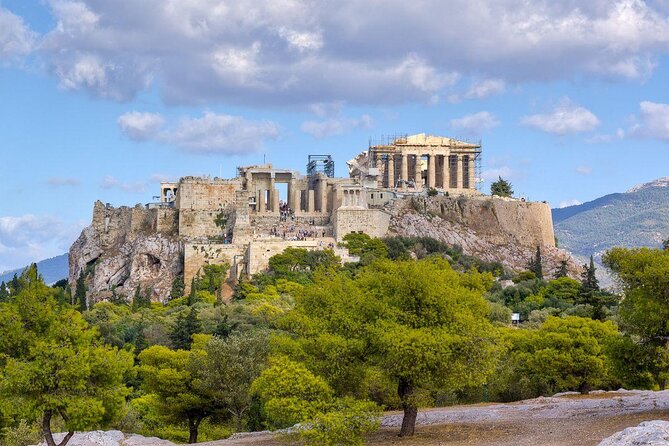
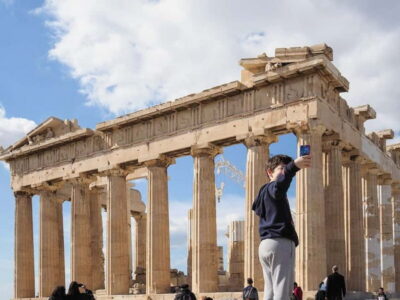
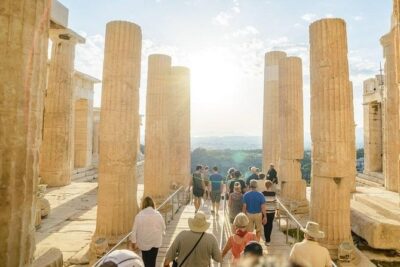
The Acropolis is the natural center of the activity. Here, the puzzle format encourages you to look closely at details you might otherwise pass by. Carvings, symbols, architectural fragments, and statues become evidence in the story.
This is a good fit if you want your first contact with the Acropolis area to feel approachable. You learn about the site while searching for answers, and the guide can explain why a particular detail matters. The result is less like memorizing dates and more like learning to read the remains in front of you.
You should set your expectations carefully. The experience is built around the Acropolis and its surrounding streets, but the available information does not promise a complete guided visit through every major Acropolis monument. One useful description of the activity is that it gives children a walk around the Acropolis area, not a replacement for a standard guided Acropolis visit.
That distinction affects the value. If you want detailed coverage of the Parthenon interior areas, formal archaeological interpretation, or a long presentation on the Acropolis monuments, book a separate visit. If you want to make the area meaningful to a child who might otherwise tire of ruins, this hunt has a clear purpose.
Herod Atticus Odeon: A Striking Stop on the Route
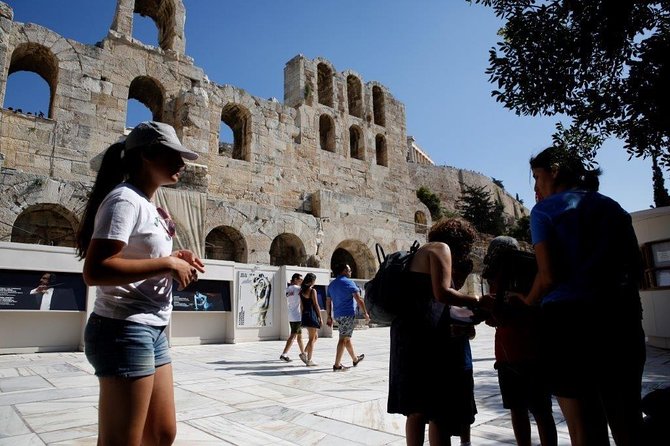
The route continues to the Herod Atticus Odeon, the large ancient theater set against the Acropolis slope. It is one of the most visually memorable places on the walk, and it gives the game another setting for questions about ancient buildings and performance.
You can expect Charis to use the location as part of the clue trail rather than treating it as an isolated photo stop. The theater helps children picture how the Acropolis hillside was used, and its shape makes the ancient site easier to understand than a list of facts would.
The stop also illustrates the limits of a game-based tour. You are moving through several places, so the explanation at each one cannot be as extended as it would be on a dedicated archaeological tour. The tradeoff is a wider route and a more active morning.
A few more things to do in Athens worth a look
- Athens: Acropolis and Parthenon Guided Walking Tour
★ 4.6 · 5,882 reviews - Athens: Cape Sounio & Poseidon Temple Trip with Audio Guide
★ 4.4 · 4,521 reviews - Athens: Mythology of Delphi, Museum and Arachova Guided Tour
★ 4.6 · 4,008 reviews - Athens: Acropolis, Parthenon & Acropolis Museum Guided Tour
★ 4.8 · 3,579 reviews
Prison of Socrates: A Story With Room for Questions
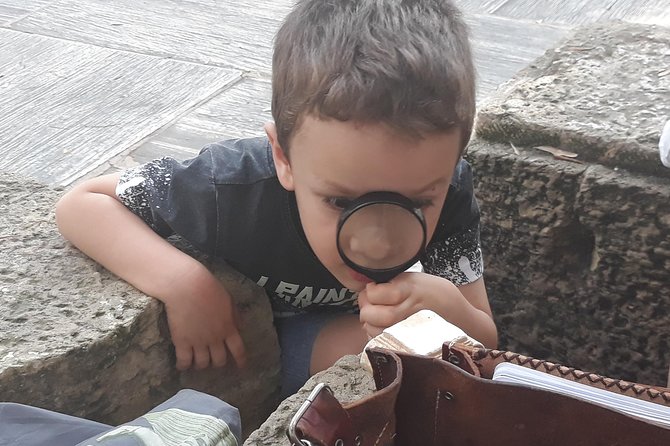
The Prison of Socrates adds a smaller, more atmospheric point to the route. Its connection with Socrates gives Charis a chance to move from buildings and symbols into the stories of people associated with ancient Athens.
For children, this kind of stop can make the past feel more human. A name and a story are often easier to remember than another stone wall. For adults, it provides a chance to ask questions and connect the city’s philosophical traditions with the physical places around the Acropolis.
You should also remember that ancient sites and named locations can involve interpretation and long-standing traditions. The value here is the setting and the story within the larger route, not a promise of a lengthy academic lecture at one small stop.
Ancient Agora: The City Beyond the Hill
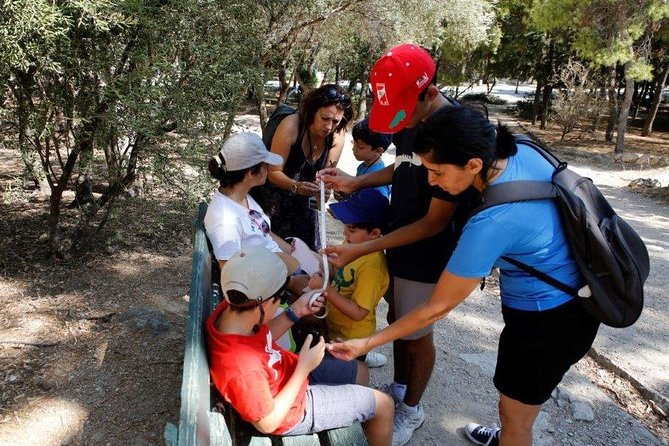
The Ancient Agora shows Athens as more than a collection of famous temples. This was a working civic center, and the stop helps widen the picture of how people gathered, traded, debated, and managed public life.
The treasure hunt is especially useful here because the clues encourage you to examine the surroundings. Instead of rushing from one famous view to the next, you have a reason to notice fragments and architectural features. Charis can tie those details back to the myths and history used in the game.
For families, this stop may be one of the more rewarding parts of the route because it gives context to the city as a whole. The Acropolis is the headline sight, but the Agora helps you understand the wider community below it.
The route does require walking, and the sequence may feel like a lot for a four-year-old who is already tired. The private format helps, but it does not remove the distance. Comfortable shoes and water are sensible choices.
Roman Agora: A Later Layer of Athens
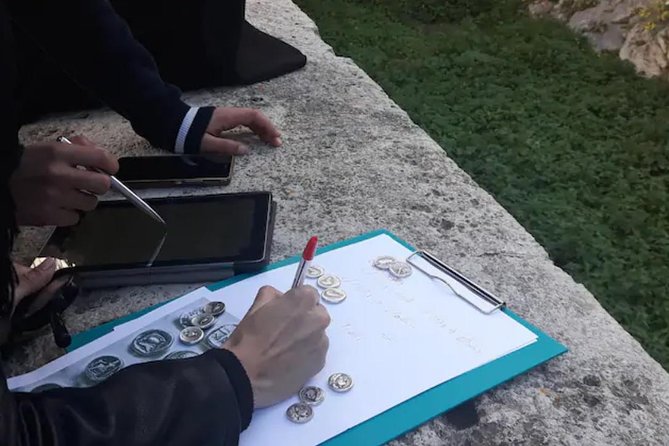
The Roman Agora adds another period to the morning. Its presence helps show that Athens was not frozen in the fifth century BC. The city continued to change, and later rulers and residents left their own mark.
That layered view is one of the strongest educational features of the route. Children can see that ancient Athens was not one single moment. The clues and explanations move through different stories, structures, and uses of the city.
The stop also gives the game a satisfying sense of progression. You are not simply circling one monument. You are following a trail through several connected parts of Athens, with each place contributing another piece of the mystery.
Charis and the Value of a Private Guide
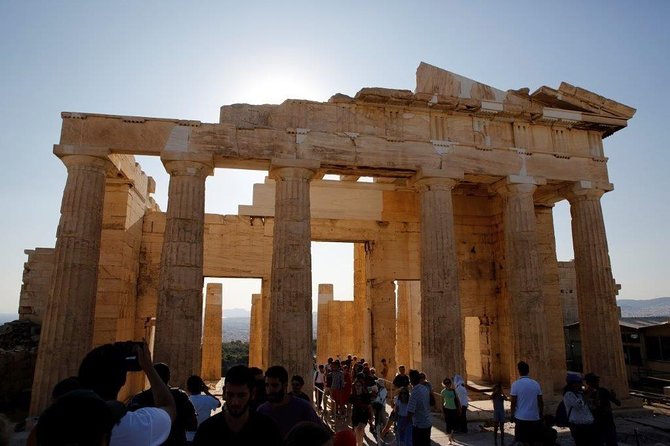
Charis is central to the experience. Her role is not limited to reading information at each stop. She manages the game, explains the setting, watches the group’s energy, and decides when to offer a hint.
That personal attention matters most when children have different personalities. A confident child can take the lead, while a quieter child can join through a smaller task. A private guide can also include the adults rather than directing every question only toward children.
Her practical attention is useful in warm weather. She has guided groups toward shade and water refill points, which can change the feel of a summer morning. That is a small detail, but it shows why a private activity can be easier than a fixed large-group tour.
The guide can also help you use the rest of your Athens time. After the hunt, Charis has offered tips to help groups plan the next parts of their visit. Those suggestions are not the main product, but they add value when the activity is scheduled early in your stay.
Price, Timing, and Overall Value
The price is $60.34 per person. That is not the cheapest way to see the Acropolis area, especially for a large family. The value depends on what you want the money to buy.
You are paying for a private activity, a licensed guide, the game materials, the iPad-based element, and a structured route through several important locations. If your children would resist a conventional tour, the format may save you from spending money on a sightseeing experience they barely follow.
It is also a useful introduction to Athens. The activity gives you a working sense of the Acropolis surroundings, Ancient Agora, Roman Agora, and nearby landmarks in one morning. You learn the layout while building memories around the clues.
The value is less clear if you already have a full Acropolis guide booked and want a second, detailed explanation of the same monuments. In that case, you may prefer to spend the money on a more specialized archaeological tour. You should also check the final duration when planning the rest of your day, since the information describes the experience as approximately two hours in one place and 2.5 hours in another.
The tour is often reserved well ahead of time, with bookings averaging about 80 days in advance. That suggests you should not assume a last-minute morning will be available, particularly if you are traveling during a busy period. A same-week booking can sometimes work, but early planning is the safer choice.
Who Should Book This Activity?
I would recommend it most strongly to families with school-age children who want to see Athens without turning the morning into a lecture. It is also a good choice for a mixed-age group, since the puzzles can give younger participants a job while the guide provides more context for adults and older children.
It suits you if:
- You want a private experience rather than a large group.
- Your children enjoy riddles, team games, or escape-room style challenges.
- You want to see several Acropolis-area landmarks in one route.
- You prefer learning through objects, stories, and tasks.
- You are happy with an introduction to the area rather than a full formal Acropolis tour.
- You want a guide who can adjust the pace and include shy participants.
I would think twice if your main goal is a detailed lecture on classical architecture, or if your group dislikes puzzles. The game is the point of the experience. Without interest in solving clues, you may find the structure unnecessary.
The route is also less appealing if your group struggles with a 2.5-kilometer walk or warm weather. The guide can help find shade and water points, but this remains an outdoor activity around historic streets and archaeological sites.
Booking and Weather Details
Your confirmation arrives when you book, and the activity is near public transportation. It begins at 10:00 am and returns to the meeting point, so you do not need to arrange a separate end location.
Most people can take part, and the activity is private for your group. The stated language is English. Group discounts are available, which may make the per-person price more attractive for larger parties.
You can cancel for a full refund if you do so at least 24 hours before the start time. Changes made within 24 hours are not accepted, and cancellations inside that window are not refunded.
The experience requires good weather. If poor weather causes the activity to be canceled, you are offered another date or a full refund. Since the game depends on walking between outdoor locations, it is worth keeping a little flexibility in your Athens schedule.
Should You Book the Acropolis Treasure Hunt?
Book it if you want your family to connect with Athens through action rather than a standard walk-and-talk tour. The mystery backpack, puzzles, props, and iPad give children a reason to inspect the ancient remains, while Charis provides the historical context and personal attention that keeps the activity moving.
Do not book it as your only Acropolis visit if you want a full monument-by-monument explanation. Think of this as a lively introduction to the Acropolis area, with stops at the Herod Atticus Odeon, Prison of Socrates, Ancient Agora, and Roman Agora.
For families, private groups, and anyone who likes a little friendly competition, the $60.34 price can be fair value. Plan for up to 2.5 hours, bring water, and book early if your Athens dates are fixed. If those conditions fit your plans, this is a smart way to make ancient Athens feel less like a museum lesson and more like a shared discovery.
FAQ
Where does the Acropolis Treasure Hunt begin?
It begins at the Acropolis Metro Station area. The listed meeting address is Makrigianni 10, Athina 117 42, Greece.
What time does the activity start?
The scheduled start time is 10:00 am.
How long does the treasure hunt last?
The general tour details describe it as approximately two hours, while the activity description gives a 2.5-hour journey. Plan for up to 2.5 hours.
What language is the tour offered in?
The activity is offered in English.
Is this a private tour?
Yes. Only your group participates in the activity.
What is included in the treasure hunt?
You receive a mystery backpack with clues and props, plus an iPad loaded with the game. A licensed guide leads the route and explains the sites.
Does the tour enter the Acropolis monuments?
The activity explores the Acropolis and several nearby sites, but it is described as a walk around the Acropolis area rather than a replacement for a full guided Acropolis visit.
Is the activity suitable for children?
Yes. It is designed as a family-friendly game using riddles, props, technology, myths, history, and interactive challenges. The private format lets the guide adjust the activity for the group.
What happens if the weather is poor?
The experience requires good weather. If it is canceled because of poor weather, you are offered a different date or a full refund.
Just added in Athens
- Ceramic and Pottery Creative Workshop with Two Local Artists★ 4.0 · 57 reviews
- Athens Old City Private Photoshoot Tour / 2 hrs★ 5.0 · 109 reviews
- Small-Group Women History in Ancient Greece Walking Tour★ 5.0 · 38 reviews
- Athens: Wine Workshop Create your Own Wine under the Acropolis★ 5.0 · 77 reviews
- Athens: Greek Wines Tasting with Sommelier and Acropolis Views★ 5.0 · 88 reviews
- Wine Trails Private Tour/ Nemea visit 3 wineries from Athens or Nafplion (10 h)★ 5.0 · 44 reviews
- FLYING DRESS Photoshoot in Athens – Greece★ 5.0 · 47 reviews
- Small-Group Wine Tour in Athens with Tasting★ 5.0 · 33 reviews
Acropolis & Athens Highlights, compared.
Acropolis & up to 5 Archaeological Sites Combo Pass
Read our review →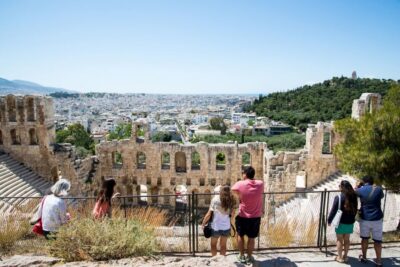
Acropolis, Parthenon & Acropolis Museum Guided Tour
Read our review →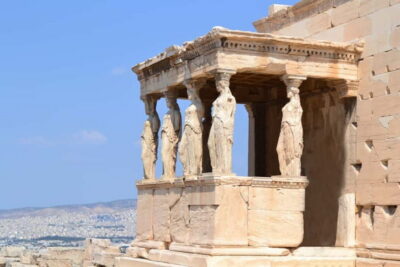
Acropolis monuments & Parthenon Walking Tour with Optional Acropolis Museum
Read our review →
Athens All Included: Acropolis and Museum Guided Tour with Ticket
Read our review →
Acropolis Museum Ticket with optional Audio Guide
Read our review →
Acropolis Ticket & Optional Self-Guided Audio Tours
Read our review →Browse the lists this tour appears in