

Reviewed · ACROPOLIS & ATHENS HIGHLIGHTS
Athens: Acropolis Museum and Acropolis Tour in the Afternoon
The smart idea here is the order: Acropolis Museum first, Acropolis second. You see the statues and architectural pieces indoors, then recognize their meaning when you reach the hill. Starting later also helps you avoid the worst morning heat and crowds.
I especially like the cool museum opening and the short refreshment pause before the outdoor walk. Guides such as Apollo, Ellenica, Jordan, and Margarita have been praised for clear English, good storytelling, and taking breaks when the afternoon heat bites. The main catch is ticket planning. If you do not choose the ticket option, you must buy two timed admissions yourself, and a missed Acropolis entry slot can end the tour for you.
Key points to know before booking
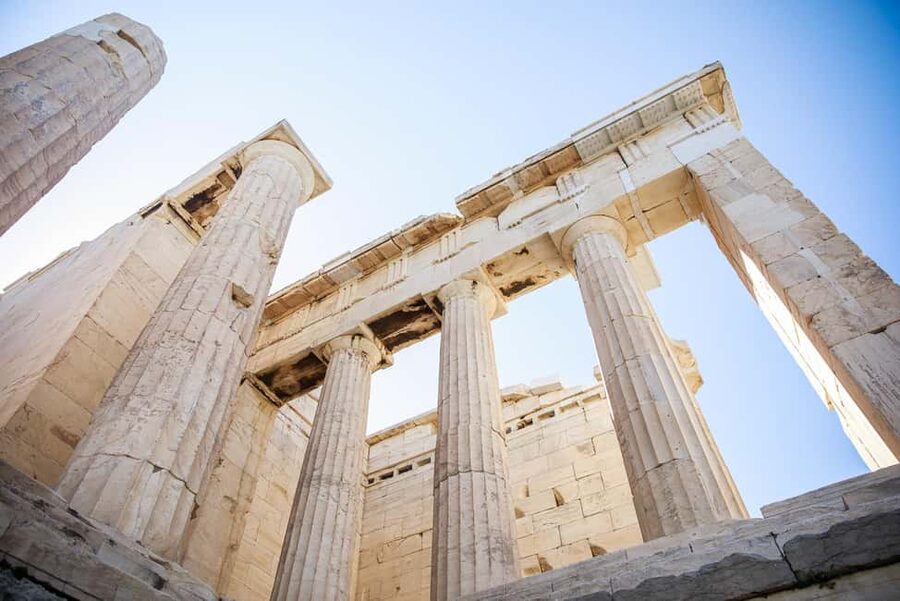
- Museum before monument: The 75-minute museum visit gives you a useful visual guide to what you will see on the hill.
- Afternoon timing: A later start can mean less morning congestion and cooler conditions, though the Acropolis may still be hot.
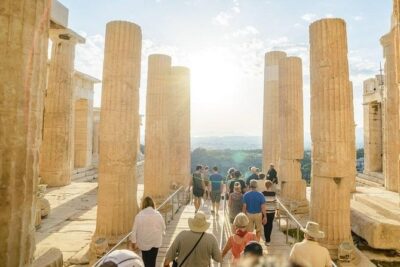
- Four hours on foot: You will walk from the museum through the south slope and up to the Parthenon, with uneven ground and steps.
- Tickets need care: The Acropolis entry is scheduled 90 minutes after the tour begins, so your ticket date, time, and citizenship category must be correct.
- Strong guide element: English-speaking guides use headsets and explain mythology, theater, medicine, politics, and architecture along the way.
- Best for mobile sightseers: The tour is not suitable for wheelchair users or people with mobility impairments.
Why the museum-first plan works so well

The Acropolis can be visually overwhelming. You arrive among broken columns, marble temples, and a famous hilltop shrine, but without context it is easy to see only stones and crowds.
This tour reverses the usual order. At the Acropolis Museum, your guide introduces the people, gods, building plans, and surviving sculpture before you walk to the ancient site. When you later reach the Parthenon or Erechtheion, you have already seen related objects in a calm indoor setting. That makes the outdoor visit easier to follow and far more satisfying.
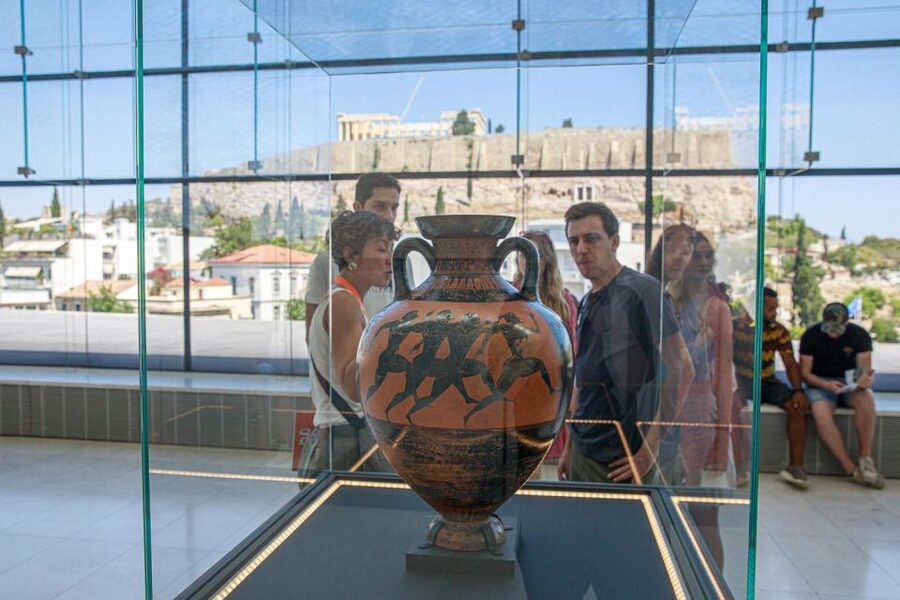
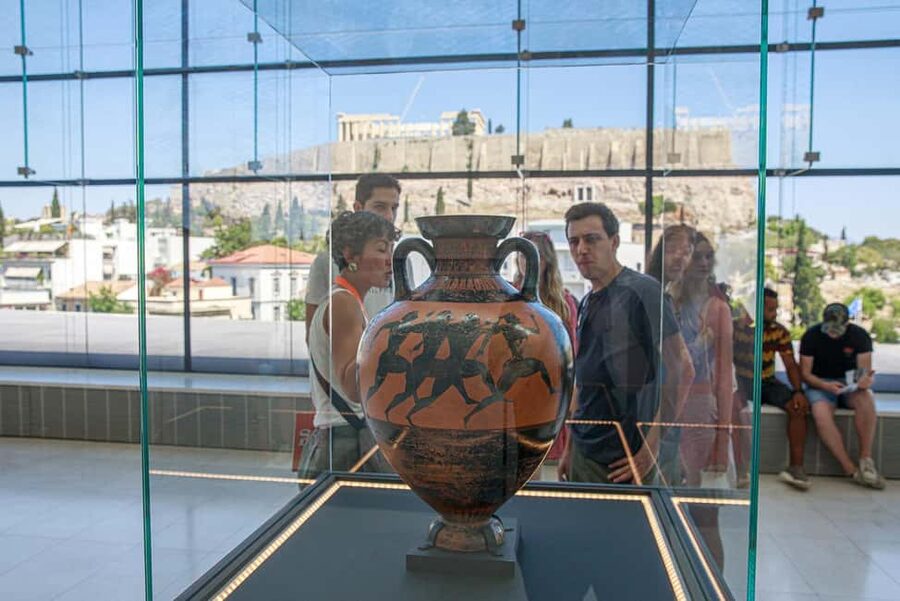
The museum itself is a modern building placed for a direct view toward the Acropolis. Your visit covers several periods of Greek history, including the Archaic, Classical, Hellenistic, and Roman eras. You will see statues, pottery, architectural fragments, and the Parthenon Marbles, along with stories from Greek mythology.
The museum portion lasts about 75 minutes. That is long enough for a guided introduction without trying to cover every room. You will not get a full museum study session, so return on your own if you want to examine every object and label. Still, as preparation for the hill, the sequence is excellent.
The museum also gives you a break from the sun early in the tour. That matters in Athens, especially during the warmer months. The later schedule does not make the day cool by magic, but it removes some of the harshest midday exposure from the first part of the experience.
More of the old city on foot in Athens:
- Athens: Acropolis & up to 5 Archaeological Sites Combo Pass
★ 4.4 · 12,619 reviews - Athens: Acropolis Ticket with Optional Audio or Live Guide
★ 4.2 · 11,055 reviews - Athens: Acropolis, Parthenon & Acropolis Museum Guided Tour
★ 4.8 · 9,316 reviews
Meeting at Dionysiou Areopagitou 3
The starting point is at 3 Dionysiou Areopagitou Street, near the beginning of the pedestrian route toward the Acropolis from Hadrian’s Arch and Syngrou Avenue. Look for the orange Athens Walking Tours sign.
This is a useful place to begin because the tour moves directly toward the museum and then the archaeological site. Arrive early. The Acropolis portion uses strict entry times, and the guide cannot hold the group for late arrivals.
The supplied meeting information says the activity ends back at the meeting point, while the route details say the guided experience concludes at the Acropolis. Treat the Acropolis as the practical end of the sightseeing portion, and confirm the return arrangement before you set plans for dinner or transport.
The tour is in English. Headsets are supplied, which is important once the group spreads out on the hill or city noise rises around you. You also receive an Athens map and a guidebook with suggestions for the rest of your stay.
The 75-minute Acropolis Museum visit
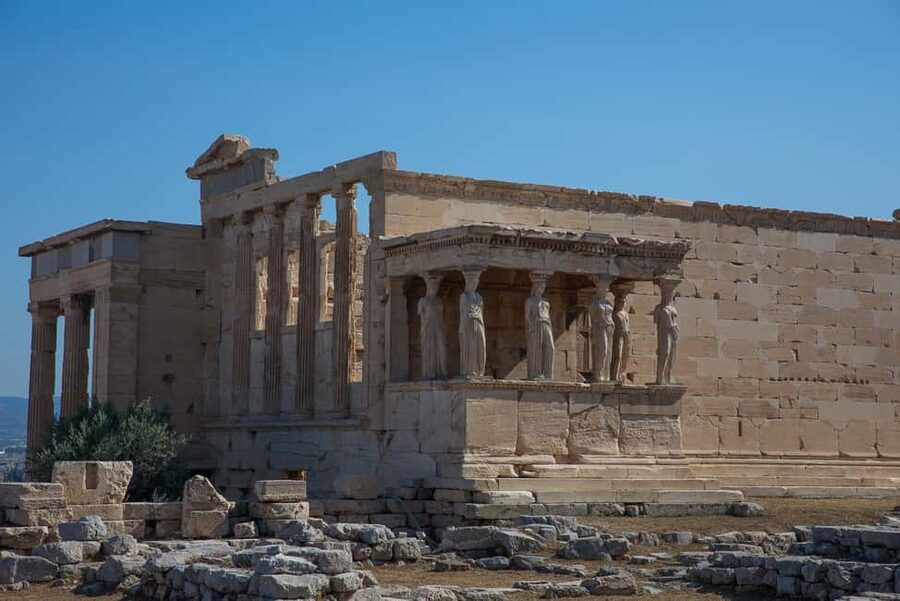
Inside the museum, your guide provides the visual groundwork for the climb. The collections cover the Archaic, Classical, Hellenistic, and Roman periods, so you get a sense of how the Acropolis and the wider Greek world changed over time.
Look for the architectural remains and statues connected with the Acropolis buildings. The Parthenon Marbles are a major focus, but the value of the visit is not only the famous pieces. Pottery, carved figures, and smaller fragments help show how temples were decorated and how ancient religious life worked.
Greek mythology is part of the storytelling. You hear about the contest between gods for the protection of Athens, a story tied to the city’s identity and its sacred hill. This is the sort of background that can turn a quick glance at a temple into a more readable scene.
The museum visit is guided, so you will hear a selected story rather than wander without direction. That suits you if you want the main ideas and a clear link to the outdoor monuments. It suits you less if you prefer to move at your own pace or read every display.
The museum is also a practical place to reset before the climb. Use the indoor time to drink water before the outdoor section, since food and drinks are not included and the activity rules say not to bring them into the tour. A short ten-minute café break follows the museum visit.
From the café to the Acropolis hill
After the museum, the group takes a brief refreshment break of about ten minutes. It is short, so think of it as a chance to catch your breath and prepare for the hill, not a meal stop.
The Acropolis is entered through the south slope. From there, the route brings you past several major sights before reaching the Parthenon. The total time listed for the Acropolis visit is about 15 minutes, followed by separate stops at the Theater of Dionysus, Odeon of Herodes Atticus, Propylaea, Erechtheion, Parthenon, and Temple of Athena Nike.
Those times describe guided stops, not the entire walking effort. You will be outside and moving between sites, and the hill includes rough ground, steps, and slopes. Wear proper walking shoes, bring water and sunscreen, and use a hat in sunny weather.
A past afternoon group had to cope with intense heat, and the guide adjusted by using shady places and pausing so people could catch their breath. That is good guiding on this route. Even with a later start, Athens weather can be hard on you, so pace yourself instead of trying to keep up at all costs.
A few more things to do in Athens worth a look
- Athens: Mythology of Delphi, Museum and Arachova Guided Tour
★ 4.6 · 4,008 reviews - Athens: Acropolis, Parthenon & Acropolis Museum Guided Tour
★ 4.8 · 3,579 reviews - Acropolis monuments & Parthenon Walking Tour with Optional Acropolis Museum
★ 5.0 · 2,678 reviews - Athens All Included: Acropolis and Museum Guided Tour with Ticket
★ 4.5 · 2,673 reviews
Theater, music, and ancient medicine
The Theater of Dionysus is one of the first major stops. Here, the guide explains the origins of theater and the role of performance in ancient Athens. The stop gives the Acropolis route a human touch: this was not only a place of temples, but also a setting tied to drama, public life, and worship.
Next comes the Odeon of Herodes Atticus, a Roman-era theater built on the south slope. The guided stop is brief, about five minutes, but its position along the route makes it easy to connect the architecture with the continuing use of the hill across different periods.
The Asclepius Sanctuary adds another layer. Your guide explains ancient healing practices and the remedies associated with these early hospitals. The stories can be curious and sometimes strange, which helps break up the steady focus on marble and military power.
The tour also touches on the contest between Athena and another god for the city’s protection. This story helps explain why the Acropolis carried such importance for Athens. You are not simply visiting a scenic ruin. You are walking through a place where religion, civic pride, politics, art, and public gatherings met.
Propylaea, Erechtheion, and the final climb
The Propylaea served as the grand entrance to the Acropolis. Your stop here is short, but the gateway gives you a strong sense of the site’s design. It marked the transition from the city below to the sacred buildings above.
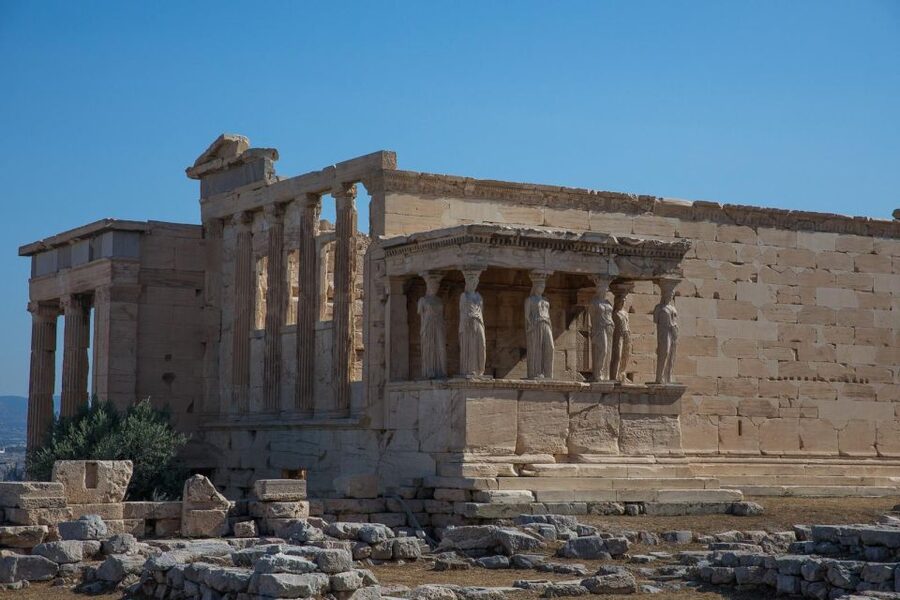
The Erechtheion receives about ten minutes of guided attention. Its unusual design and different sacred associations make it an important contrast to the more orderly shape of the Parthenon. The guide can help you keep track of the myths and rituals connected with the building instead of treating it as just another ruined temple.
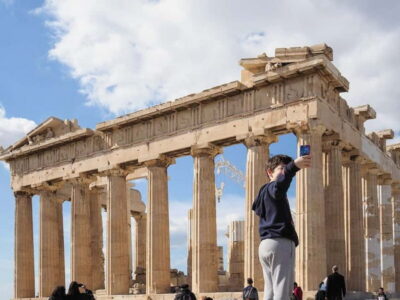
The route ends with the Parthenon, the tour’s main visual payoff. You have about 20 minutes of guided attention here, enough to discuss its structure, purpose, decoration, and place in Athenian history. You also have time to look carefully, take photographs, and appreciate its scale.
The Temple of Athena Nike is the final listed stop, with about five minutes of guided explanation. Its smaller size can make it easy to miss when the Parthenon dominates the view, so having a guide point it out is useful.
Crowds remain a real factor. One guide received praise for being friendly and clear, but the group still found it hard to keep up on the Acropolis because of the crowd. Stay close, listen for the guide’s instructions, and do not assume you can drift far away for a photo and easily find the group again.
Guides, headsets, and the value of the storytelling

The guide is the heart of this experience. Apollo has been praised for making the tour informative and fun, while Ellenica was appreciated for giving enough detail without talking over the group’s ability to absorb it. Jordan and Margarita were also singled out for strong English and useful explanations.
That pattern tells you what to expect from the format. This is not a silent escort from one monument to another. You get stories about gods, theater, medicine, architecture, and the struggle to understand what ancient buildings once looked like.
Headsets help, especially at the Acropolis where the group may stretch out across busy paths. They do not remove the need to stay together. A guide can explain the site well, but no headset can help if you are too far away or arrive late at the next stop.
The tone also appears flexible. Guides have answered questions, taken photographs for solo visitors, and adjusted the pace during hot weather. If you are traveling alone, the photo help is a small but welcome benefit. If you want a very academic lecture, the tour may feel more like a clear overview than a specialist seminar.
Tickets, timing, and the $115 price
The price is listed at $115 per person, with tickets optional depending on the booking choice. The value depends heavily on what you select.
With pre-booked tickets included, you pay for a guide, the skip-the-ticket-line service, headsets, the museum and Acropolis admissions, and the practical ease of having the timing handled. For a first visit, that can be fair value because the two sites require coordination and the Acropolis entry is not casual.
Without included tickets, you need to buy admission from the official museum and Acropolis sites before booking the tour. The museum starts the experience, and the Acropolis entry is set for 90 minutes after the tour begins. Choose the correct date, time, and category, including EU or non-EU citizenship and any student category that applies.
Bring your passport for citizenship verification. A wrong category can mean extra charges or losing the tour. The tour fee is non-refundable if you arrive without a valid ticket, so the cheaper-looking option can become costly if you make a booking error.
Security checks at the Acropolis can take 30 minutes or more during busy periods. That wait is outside the guide’s control. The strict entry time is the reason you should avoid scheduling another fixed activity immediately after the tour.
At $115, I would choose the ticket-included version unless you are very comfortable arranging timed admissions yourself. The guide’s context is the main reason to book, but the ticket service removes a real source of stress.
Who should book this afternoon tour?
I would recommend it for a first visit to Athens, especially if you want the Acropolis to make sense rather than simply collect photographs. The museum-first plan is also a good fit for people who appreciate a clear story and prefer a guide to point out details they might otherwise miss.
It works well for solo visitors, couples, families with older children, and anyone who wants a structured four-hour introduction. The later start is useful if you dislike early alarms or want to spend the morning elsewhere in Athens.
You should think twice if you have mobility limits. The tour is specifically not suitable for wheelchair users or people with mobility impairments, and the hill includes uneven walking. It is also a poor fit if you want to spend long, quiet stretches alone at each monument.
The tour runs rain or shine. Bring weather-appropriate clothing, comfortable shoes, water, sunscreen, and a hat. Baby strollers, backpacks, food, and drinks are not allowed according to the tour information, so pack lightly and check your belongings before setting out.
Free cancellation is available up to 24 hours before the start, and you can reserve now and pay later. Those terms help if your Athens schedule is still shifting, but they do not protect you from a missed timed entry or an incorrect ticket.
Should you book it?
Book this tour if you want a well-paced introduction with the museum doing the teaching before the Acropolis does the impressing. The afternoon timing, clear English guides, headsets, and strong connection between the indoor collection and outdoor monuments make the four hours useful.
Choose the ticket-included option, arrive early at Dionysiou Areopagitou 3, and keep the rest of your day flexible. Skip it if you need wheelchair access, want a private pace, or prefer exploring the museum and hill independently. For most first-time visitors who value context and an organized route, this is a sensible way to meet Athens’ most important ancient site.
FAQ
How long does the tour last?
The experience lasts four hours. The Acropolis Museum guided visit takes about 75 minutes, followed by a ten-minute café break and the guided route across the Acropolis.
What language is the tour in?
The live tour guide speaks English.
Where does the tour begin?
Meet at 3 Dionysiou Areopagitou Street. Look for the orange Athens Walking Tours sign at the start of the pedestrian walkway leading toward the Acropolis from Hadrian’s Arch and Syngrou Avenue.
Are admission tickets included?
Tickets are included only if you select the option with pre-booked tickets. If you choose the option without tickets, you must buy admission from the official Acropolis Museum and Acropolis ticket websites before booking the tour.
When do I need to enter the Acropolis?
The Acropolis is accessed 90 minutes after the tour begins. Your ticket must have the correct date, time, and citizenship category.
What happens if I arrive late?
The Acropolis uses strict entry times, so the group cannot wait for late arrivals. No refund is provided for missing the scheduled entry.
What should I bring?
Bring comfortable shoes, a hat, a camera, sunscreen, water, and clothing suited to the weather.
Can I bring a stroller or backpack?
Baby strollers and backpacks are not allowed. Food and drinks are also listed as prohibited for this activity.
Is the tour suitable for wheelchair users?
No. The experience is not suitable for wheelchair users or people with mobility impairments.
Just added in Athens
- Ceramic and Pottery Creative Workshop with Two Local Artists★ 4.0 · 57 reviews
- Small-Group Women History in Ancient Greece Walking Tour★ 5.0 · 38 reviews
- Athens Old City Private Photoshoot Tour / 2 hrs★ 5.0 · 109 reviews
- Athens: Wine Workshop Create your Own Wine under the Acropolis★ 5.0 · 77 reviews
- Athens: Greek Wines Tasting with Sommelier and Acropolis Views★ 5.0 · 88 reviews
- Wine Trails Private Tour/ Nemea visit 3 wineries from Athens or Nafplion (10 h)★ 5.0 · 44 reviews
- Hydra Private Day Trip by Ferry from Athens with Transfers★ 4.0 · 30 reviews
- FLYING DRESS Photoshoot in Athens – Greece★ 5.0 · 47 reviews
Acropolis & Athens Highlights, compared.
Acropolis & up to 5 Archaeological Sites Combo Pass
Read our review →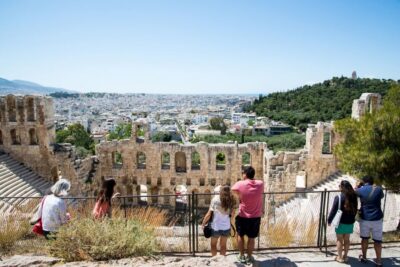
Acropolis, Parthenon & Acropolis Museum Guided Tour
Read our review →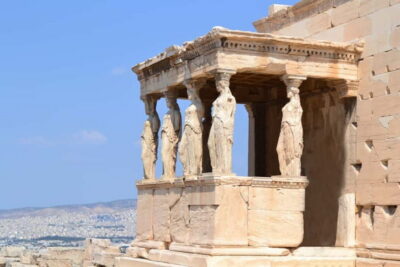

Acropolis monuments & Parthenon Walking Tour with Optional Acropolis Museum
Read our review →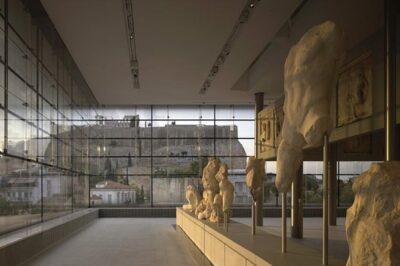
Athens All Included: Acropolis and Museum Guided Tour with Ticket
Read our review →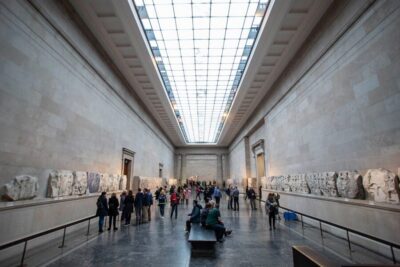
Acropolis Museum Ticket with optional Audio Guide
Read our review →
Acropolis Ticket & Optional Self-Guided Audio Tours
Read our review →Browse the lists this tour appears in