
Reviewed · ACROPOLIS & ATHENS HIGHLIGHTS
Athens: Acropolis, Parthenon and Acropolis Museum Guided Tour
The best reason to book this tour is simple: the Acropolis makes far more sense with a guide. Instead of seeing a hill covered with broken marble, you get the stories behind the Theater of Dionysus, the Propylaea, the Erechtheion, and the Parthenon. The nearby museum then shows you original sculptures and friezes that help explain what you saw above.
I especially like the central meeting point, a short walk from the Acropolis Metro station, and the way the tour links the hill with the museum. Guides such as Angel, Maria, Natasha, Chrysa, and Bernie have been praised for mixing facts, mythology, humor, and time for questions. The main drawback is the pace: with three to four hours for both sites, you may not have much time to explore the museum alone.
Key points to know before booking
- The tour connects the Acropolis with its museum, so you see both the monuments and many original works of art.
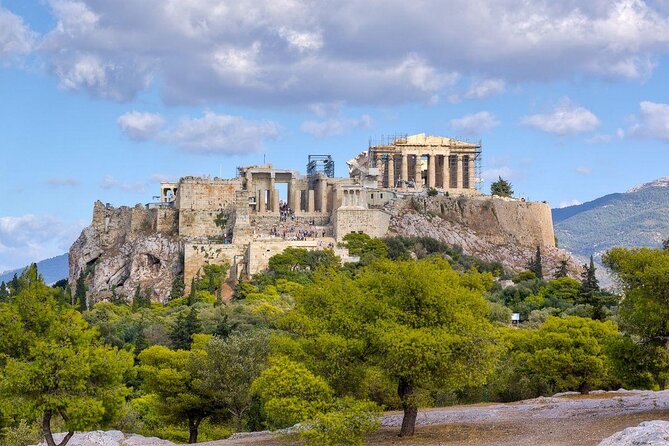
- Theater of Dionysus, Herodion, Propylaea, Athena Nike, Erechtheion, and Parthenon are all part of the route.
- The group can include up to 24 people, large enough for a social outing but small enough to follow a guide.
- The Acropolis has no true skip-the-line entry, even when your ticket is included. Timed entry and busy security areas can still cause delays.
- The hill is steep and slippery in wet weather, so sturdy shoes, water, sun protection, and a little stamina matter.
- The starting price is attractive only if you check the ticket option carefully. Acropolis and museum tickets cost extra when they are not included.
Why a guide changes the Acropolis
The Acropolis is famous enough that you can recognize the Parthenon from a photograph. The harder part is understanding what you are seeing once you arrive. Several monuments share the hill, many are partly ruined, and the site has changed through ancient, Roman, medieval, Ottoman, and modern periods.
A good guide gives you a usable map of the place. You learn why the Theater of Dionysus matters, how the Acropolis entrance worked, why the Erechtheion has such an unusual shape, and how the Parthenon fitted into the religious and political life of Athens.
That human explanation is the strongest part of this experience. Angel has been praised for combining realism and humor. Natasha is noted for lively explanations of mythology and religion. Bernie is described as turning archaeology into a warm, personal story rather than a list of dates. You may have a different guide, but the tour clearly depends on this storytelling style.
The guide also helps with practical matters. The Acropolis is not a flat museum where you can drift from room to room. You climb, stop, listen, move with the group, and climb again. Breaks at different monuments make the hill easier to manage.
More of the old city on foot in Athens:
- Athens: Acropolis & up to 5 Archaeological Sites Combo Pass
★ 4.4 · 12,619 reviews - Athens: Acropolis Ticket with Optional Audio or Live Guide
★ 4.2 · 11,055 reviews - Athens: Acropolis, Parthenon & Acropolis Museum Guided Tour
★ 4.8 · 9,316 reviews
Starting near the Acropolis Metro station
You meet at the Athenian Tours office at Mitseon 2, Athens 117 42. It is close to the Acropolis Metro station, and the location is generally easy to find. Arrive at least 15 minutes before the scheduled start.
Punctuality matters here more than on a casual walking tour. Acropolis entry times are strict, and late arrivals cannot be accommodated or refunded. If you are coming from the port of Piraeus, allow at least 30 to 40 minutes by taxi, and more during morning traffic.
The tour is offered in English and has a maximum group size of 24 people. That is not a private experience, but it is more manageable than a very large coach group. You will need to stay near the guide, especially in crowded areas where different tour groups often gather.
The guide may change the order of the sites. That is sensible. Weather, crowd levels, and timed admission slots can make one direction easier than another. Do not worry if your group visits the museum before the hill or follows a slightly different sequence.
Walking through the Theater of Dionysus
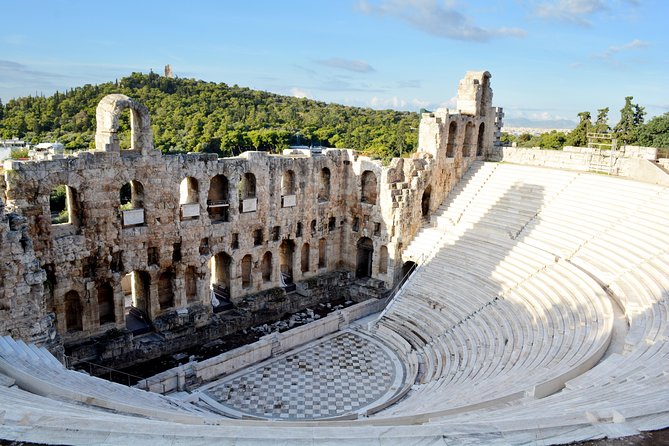
The climb begins near the Theater of Dionysus, where ancient Greek drama developed. This is not just a quick photo stop. It gives you a useful introduction to how public life, religion, performance, and civic identity came together in ancient Athens.
You can picture audiences gathered for comedies and tragedies, watching stories about gods, families, war, pride, and fate. The theater helps turn Greek drama from something you read in a book into a physical event held on this very slope.
The walking surface is uneven, and the route rises quickly. Use the early part of the tour to judge your pace. The guide will provide explanations and pauses, but you should still expect a proper uphill walk rather than a gentle stroll.
The Herodion and the ascent to the summit
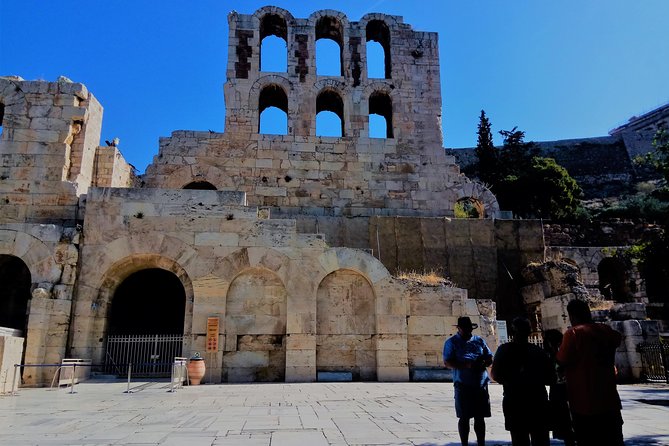
Next comes the Odeon of Herodes Atticus, often called the Herodion. This Roman-era theater was built in memory of Herodes Atticus’ wife and remains one of the most striking structures on the southern side of the Acropolis.
The theater is usually viewed from outside during this experience. Its graceful stone arches contrast with the older ruins around it, and the guide can help explain how the site continued to matter long after the classical age.
You also pass the sanctuary of Asclepius, connected with healing. This is a small but useful reminder that the Acropolis was not only about grand temples. Religious life included worship, ritual, health, family customs, festivals, and everyday hopes.
The climb continues toward the upper entrance. Take the restroom break when it is offered, because facilities on the Acropolis itself are limited. There are no cafés on the hill, though there is a water fountain.
A few more things to do in Athens worth a look
- Athens: Mythology of Delphi, Museum and Arachova Guided Tour
★ 4.6 · 4,008 reviews - Athens: Acropolis, Parthenon & Acropolis Museum Guided Tour
★ 4.8 · 3,579 reviews - Acropolis monuments & Parthenon Walking Tour with Optional Acropolis Museum
★ 5.0 · 2,678 reviews - Athens All Included: Acropolis and Museum Guided Tour with Ticket
★ 4.5 · 2,673 reviews
Entering through the Propylaea
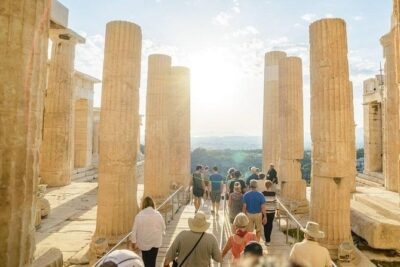
The Propylaea was the monumental gateway to the Acropolis. Reaching it gives you the first real sense of entering a special precinct rather than simply walking up a hill.
The structure is impressive even in its unfinished and damaged form. Its broad approach, columns, and changing views prepare you for the monuments beyond. The Temple of Athena Nike sits near the entrance, and the guide points out its position and importance.
This section can be crowded, especially around timed entry periods. The tour does not promise a separate skip-the-line entrance to the Acropolis. Even if your ticket is included, you may still encounter security checks, queues, and congestion at the entrance.
That distinction matters. The tour can save you the trouble of arranging admission and may allow you to bypass the ticket office, but nobody can guarantee a completely line-free entry to the hill.
The Temple of Athena Nike and the Erechtheion
The small Temple of Athena Nike occupies a strong position near the Propylaea. Its size makes it easy to overlook beside the Parthenon, but its location and connection with victory give it an important role in the Acropolis story.
The Erechtheion is the more unusual of the two. Unlike the balanced, formal Parthenon, it has an asymmetrical design shaped by the uneven ground and the importance of several sacred traditions. This is one of the places where a guide earns the fee, since the building’s odd layout can seem confusing without explanation.
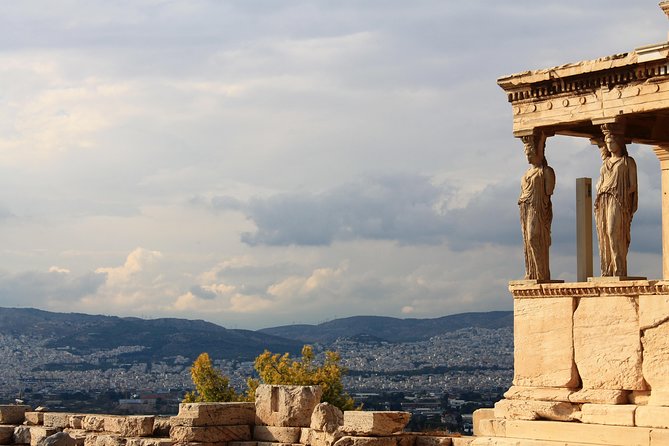
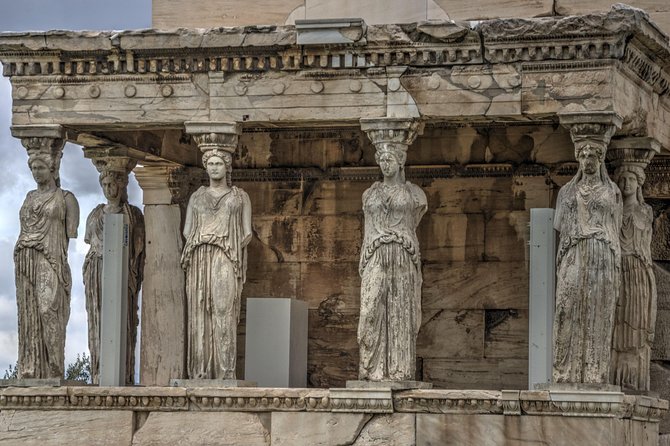
The famous Caryatids, sculpted female figures used as architectural supports, are the visual highlight. The figures on the Acropolis are carefully protected, while originals can be seen in the museum. That comparison becomes much clearer when you visit both sites on the same tour.
You will have time for photographs, but this is not an open-ended stop. The group has to keep moving to meet its museum entry time. If you want to examine every carving at length, plan to return independently.
Seeing the Parthenon from the top of Athens
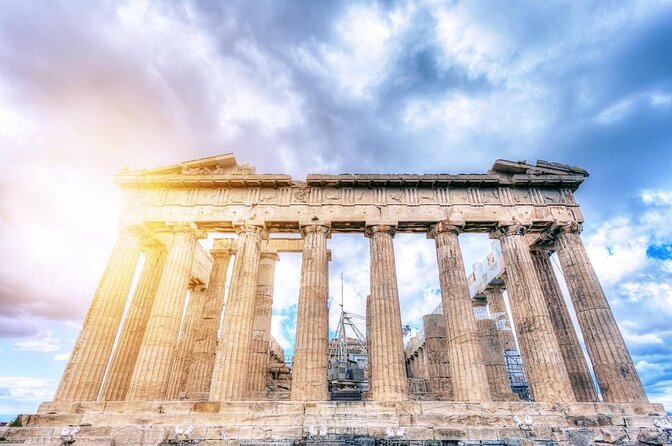
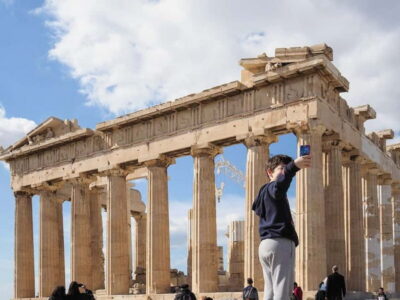
The Parthenon is dedicated to Athena, the patron goddess of Athens, and dates from the fifth century BC. It represents the height of Doric temple design, but the view is as important as the building itself.
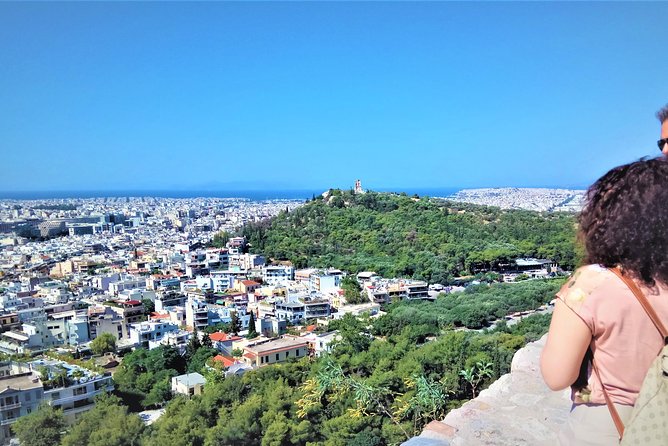
From the summit, you look across Athens and back toward the other Acropolis structures. The position helps you understand the hill as a planned religious center rather than a single isolated temple.
Do not expect a perfect, intact building. The Parthenon has endured war, explosions, looting, religious changes, pollution, restoration work, and centuries of weather. What makes the visit powerful is seeing the surviving structure in its setting and learning how its meaning changed over time.
Crowds can be heavy around the Parthenon. The best photographs may require patience, and the wind can be surprisingly sharp at the top, especially in winter. January can bring lighter crowds, but you still need warm clothing and sensible shoes.
The hill’s stones may be slippery after rain. Bring water, a hat, sunglasses, and an umbrella if wet weather is expected. The tour is not suitable for people with mobility impairments, and elevator use to the Acropolis is not permitted on group tours.
Comparing the hill with the Acropolis Museum

After the hill, you continue to the Acropolis Museum, only a few minutes away. The museum is the part of the experience that gives the monuments a second layer.
On the ground floor, displays introduce everyday Athenian life. You see objects connected with weddings, children’s toys, healing, and religious practice. These details matter because they move the story away from famous buildings and toward the people who used them.
The first floor brings you close to the archaic statues that once decorated the Acropolis. The Caryatids are a major highlight, along with large architectural pieces connected with the entrance area.
The upper floor is designed around the Parthenon sculptures and frieze. You can examine the original work at close range while looking toward the monument outside. That physical connection between museum and hill is one of the tour’s smartest features.
The drawback is time. The museum portion is listed at about two hours, but the overall experience lasts only three to four hours and includes the hill, walking, and breaks. You will receive an organized explanation of the key works, but you may feel hurried if you want to read every label or spend long periods in one gallery.
You can stay longer in the museum after the guided portion ends, according to the tour information. This is useful if your schedule allows it, though you should confirm exactly how your ticket and group arrangement work on the day.
What the $41.12 price really means
The advertised price of $41.12 per person looks reasonable for a three to four-hour English guided tour, especially when you value clear explanations and a timed visit to two major Athens sites.
But check the booking option before paying. Tickets may or may not be included. If you choose the option without tickets, the stated adult prices are €30 for the Acropolis and €20 for the Acropolis Museum, or €50 total per person. You must arrange the correct time slot in advance or ask the operator to reserve tickets for you.
When tickets are included, the guide hands them over at the meeting point. When they are not included, bring cash if you plan to buy them through the operator, and notify the company at least 24 hours ahead so availability can be checked.
The value is strongest for a first visit. You are paying not just for admission, but for the guide’s explanations, site order, timing, and help making sense of the ruins. If you already know the monuments well and prefer wandering alone, the guided format may feel restrictive.
Group discounts are available, and a private option offers a more flexible start time. Free cancellation is allowed up to 24 hours before the start time. Late changes and late arrivals are not refundable.
Which guide style suits you best
The tour uses different English-speaking licensed guides, so your exact personality match cannot be guaranteed. The strongest feedback points to guides who are lively, warm, and willing to answer questions rather than simply recite a script.
Angel has been praised for humor and clear explanations. Maria is noted for enthusiasm and for staying with the museum group. Natasha is especially good for visitors interested in mythology and religion. Chrysa is described as keeping a comfortable pace with time for photos. Simon, Irene, Alexander, Theodora, and Bernie have also received praise for clear explanations, local suggestions, or engaging stories.
Audio quality can occasionally suffer when nearby groups use similar equipment. Stay close to the guide and avoid drifting to the back of the group. If asking questions is important to you, come prepared with one or two topics you want explained.
Who should book this half-day visit
I would choose this tour for a first visit to Athens, especially if you want the major ancient sites explained without spending a full day on a larger city tour. It suits adults and older children who can handle stairs, uneven ground, sun, and a steady uphill walk.
It is also a good fit if you enjoy mythology, architecture, archaeology, or the story of how the Acropolis changed over many periods. The museum adds real value, since you can see original pieces connected with the buildings above.
I would think twice if you want a slow museum visit, a fully private experience, or a completely flexible schedule. The group must follow timed entries, and the museum can feel rushed for serious art lovers.
Children under six are not accepted. People with mobility impairments should not book this particular group route. If you have only one day in Athens, the tour covers the city’s essential ancient landmark, but you may still want to add the Ancient Agora separately to understand the wider civic life of classical Athens.
Should you book the Acropolis and Museum tour?
Book it if you want the meaning behind the stones, not only photographs of the Parthenon. The combination of the Acropolis hill and museum is well chosen, and the guides appear strongest when telling stories, answering questions, and linking objects to places.
Choose the ticket-included option if you want simpler planning. Arrive early, wear shoes with a firm grip, bring water, and keep your expectations realistic about queues and museum time.
If you want to linger over every sculpture, book the guided visit for context, then allow extra time to continue through the museum on your own. For most first-time visitors, this is a practical and worthwhile way to meet Athens’ ancient center in half a day.
FAQ
How long does the tour last?
The experience lasts approximately three to four hours, including the Acropolis, the walk between sites, and the Acropolis Museum.
Where does the tour begin?
The meeting point is the Athenian Tours office at Mitseon 2, Athens 117 42, a short walk from the Acropolis Metro station.
Where does the tour end?
The tour ends at the Acropolis Museum at Dionysiou Areopagitou 15, Athens 117 42.
Are Acropolis and museum tickets included?
Tickets are included only if you select the ticket-included option. If you choose without tickets, the stated adult prices are €30 for the Acropolis and €20 for the Acropolis Museum.
Does the tour skip the Acropolis line?
No tour can skip all lines at the Acropolis. A ticket-included option may help you avoid the ticket office, but security and entry queues can still occur.
Is the museum visit guided?
Yes. The guide covers the museum’s main areas, including everyday objects, archaic statues, the Caryatids, and the Parthenon frieze. You may also be able to stay longer afterward.
Is the tour suitable for people with mobility impairments?
No. The Acropolis is on a steep hill with uneven and sometimes slippery paths, and elevator use is not permitted on group tours.
What should I bring?
Bring water, comfortable shoes, a hat, sunglasses, and an umbrella if rain is expected. There are no cafés on the Acropolis, though there is a water fountain.
What is the cancellation policy?
You can cancel for a full refund up to 24 hours before the experience begins. Cancellations or changes made less than 24 hours before the start time are not refunded.
Just added in Athens
- Athens: Half-Day Morning Catamaran Cruise with Meal & Drinks★ 4.9 · 221 reviews
- Athens hotels to Athens airport Private departure transfer★ 5.0 · 285 reviews
- Argolis: Full-Day Tour in Mycenae & Nafplio★ 4.2 · 350 reviews
- Athens: Riviera Catamaran Cruise with Meal and Drinks★ 5.0 · 345 reviews
- Athens: Delphi, Corycian Cave, and 300 Battlefield Day Trip★ 4.8 · 344 reviews
- 3-Day Classical Greece Tour: Epidaurus, Mycenae, Nafplion, Olympia, Delphi★ 4.5 · 342 reviews
- Best of Athens Half Day Private Tour★ 5.0 · 353 reviews
- Electric Bike Tour of Athens by Night★ 5.0 · 355 reviews
Acropolis & Athens Highlights, compared.
Acropolis & up to 5 Archaeological Sites Combo Pass
Read our review →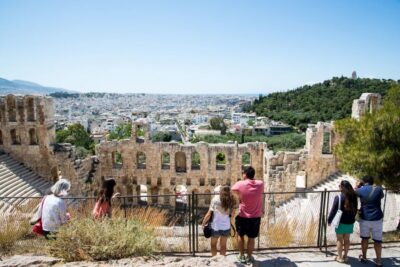
Acropolis, Parthenon & Acropolis Museum Guided Tour
Read our review →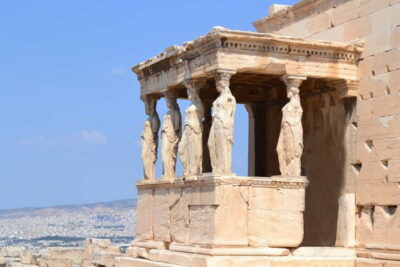

Acropolis monuments & Parthenon Walking Tour with Optional Acropolis Museum
Read our review →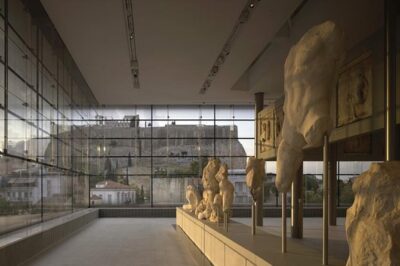
Athens All Included: Acropolis and Museum Guided Tour with Ticket
Read our review →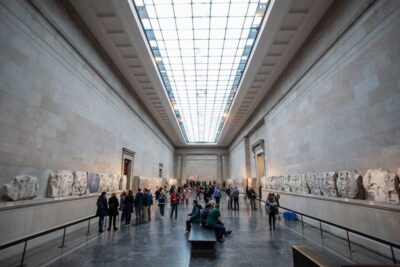
Acropolis Museum Ticket with optional Audio Guide
Read our review →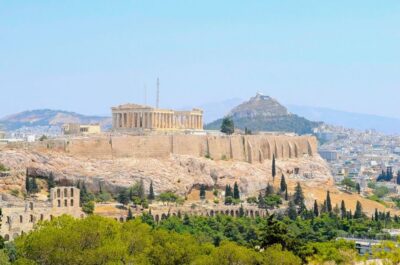
Acropolis Ticket & Optional Self-Guided Audio Tours
Read our review →Browse the lists this tour appears in