
Reviewed · MUSEUMS
Athens: Kotsanas Ancient Greek Technology Museum Guided Tour
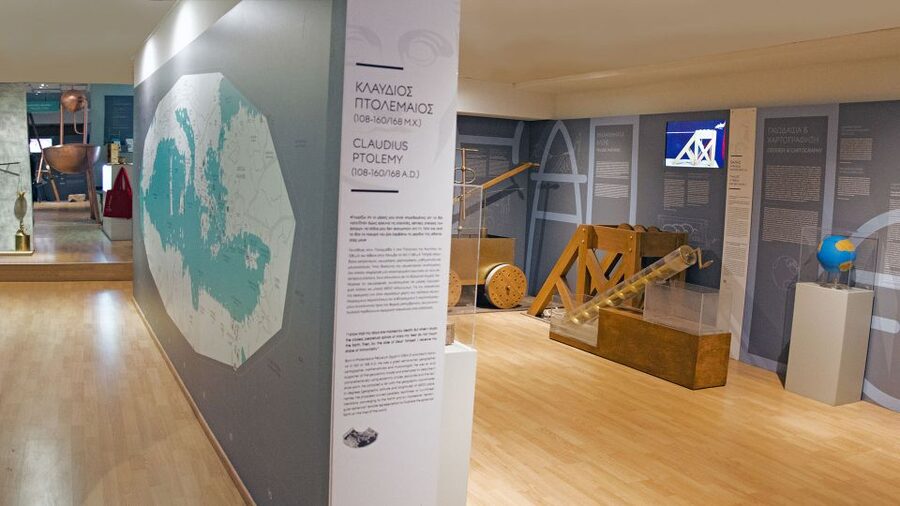
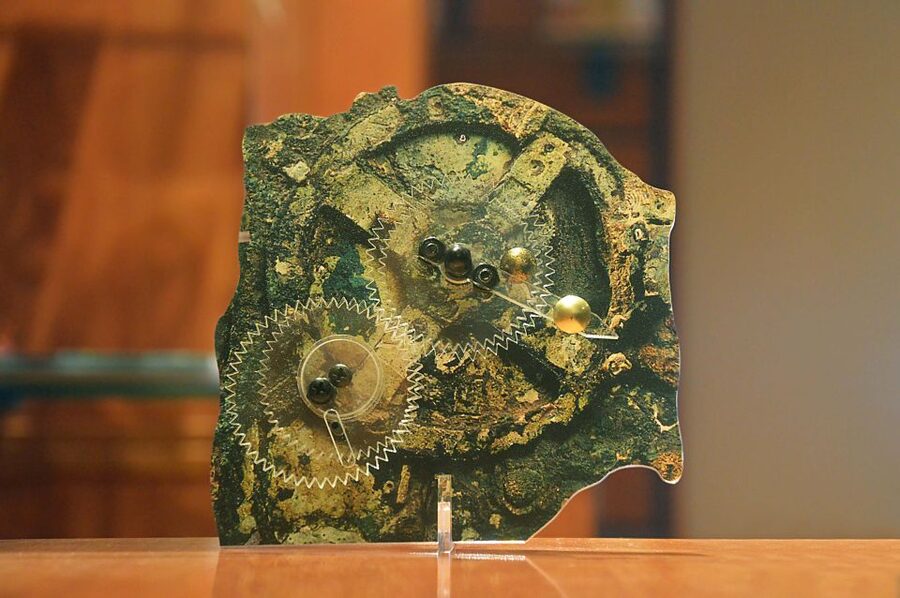
The cleverest surprise at the Kotsanas Museum is how familiar ancient Greek technology can feel. You’ll see working models of clocks, automata, hydraulic devices, theater effects, and the Antikythera calculating mechanism, often called the world’s oldest analog computer. This is not a case-filled museum where you quietly read labels and move on.
I like the private format, since your guide can explain a mechanism at your pace rather than giving a one-size-fits-all talk. I also like the hands-on displays, which make the ancient world easier to understand for children and adults who do not speak engineering. The main limitation is the short one-hour duration, and the museum is not suitable for people with mobility impairments.
Key points to know before you book
- Working models make ancient science clear: You can see how selected inventions function, not just look at drawings of them.
- The tour is private for up to four people: The $54 group price works out to $13.50 per person when full.
- Guides bring technical subjects to life: Tours are led in English by qualified staff, including engineers, historians, archaeologists, or museologists. Guides such as Vasilis, Irina, and Maria have led particularly well-received visits.
- The collection covers about 300 artifacts: The main Hi-Tech Inventions of Ancient Greeks exhibition presents about 100 selected exhibits.
- The location is easy to reach: Pindarou 6 is about a five-minute walk from Syntagma Metro Station.
- Allow extra time after the tour: Entry, the guided hour, and free time to inspect the exhibits are included, but food and drinks are not.
Why this small museum makes a big impression
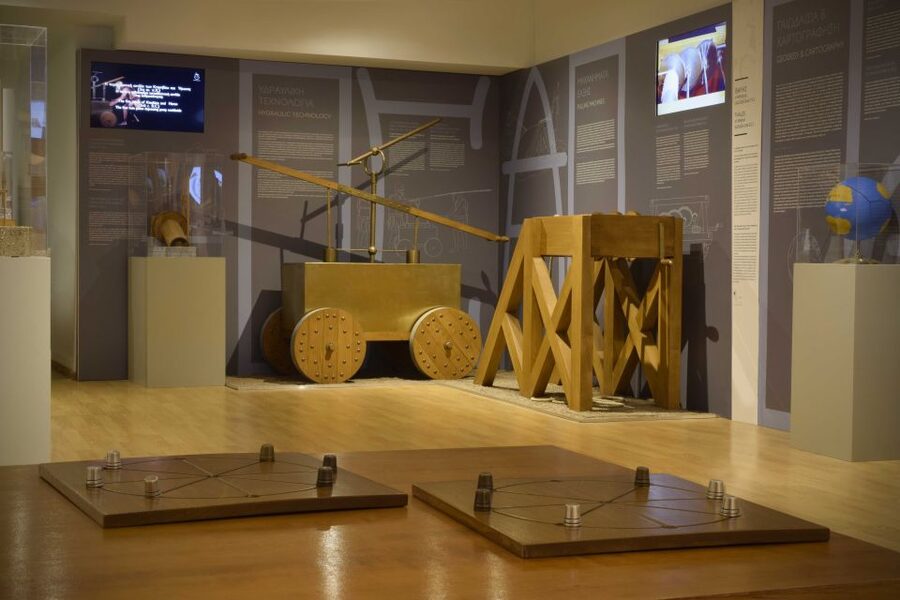
Athens is full of famous ancient stones. The Kotsanas Museum gives you something different: a look at the machines, tools, and clever systems behind ancient Greek life and thought.
The focus is not on statues or temple ruins. Instead, you’ll see how Greek inventors used water pressure, gears, weights, air, sound, and mechanical movement. That shift in subject matter makes the visit feel fresh, especially if you have already spent several days touring the Acropolis and the major archaeological sites.
The museum occupies a historic Art Nouveau building with about 700 square meters of exhibition space. That setting adds a pleasant contrast. Outside, you are in central Athens, close to Syntagma Square. Inside, the subject moves from classical ideas to practical devices that can resemble early modern machinery.
I find the strongest part of the visit is the connection between an ancient design and a modern object you already understand. A hydraulic clock is easier to grasp when you think of it as an early automated timekeeper. A mechanical theater or puppet show feels like a distant ancestor of animation. The point is not that the ancient Greeks had modern machines in disguise. The point is that they understood many of the same physical principles.
A few more things to do in Athens worth a look
- Athens: Acropolis, Parthenon & Acropolis Museum Guided Tour
★ 4.8 · 9,316 reviews - Athens: Mythology of Delphi, Museum and Arachova Guided Tour
★ 4.6 · 4,008 reviews - Athens: Acropolis, Parthenon & Acropolis Museum Guided Tour
★ 4.8 · 3,579 reviews
What happens during the one-hour private tour
You meet your guide at Pindarou 6, then begin a private tour of the museum. The guide is an English-speaking member of the museum staff, with a background in engineering, history, archaeology, or museology.
The exact route can vary with the guide and the pace of your group, but the tour centers on interactive exhibition displays and operating models. You are not simply handed a floor plan and left alone. The guide explains what each mechanism does, how it works, and why it matters.
That guidance is especially helpful because some ancient devices are not immediately obvious. A set of gears can look like a simple model until you understand the purpose of each wheel. A water-powered device may appear decorative until the guide shows how the movement is controlled. The explanations give the objects a practical purpose.
You can ask questions as you go, which is one of the main benefits of booking the private option. If your group is fascinated by the Antikythera mechanism, you can spend more time there. If children are eager to see an automaton operate, the guide can keep the visit moving through the hands-on displays rather than getting stuck in a long technical explanation.
The tour lasts one hour, so expect a focused introduction rather than a complete examination of every object. Afterward, you have free time to look around on your own. That extra time matters, since the collection is larger than the guided portion can cover in detail.
The inventions you will see
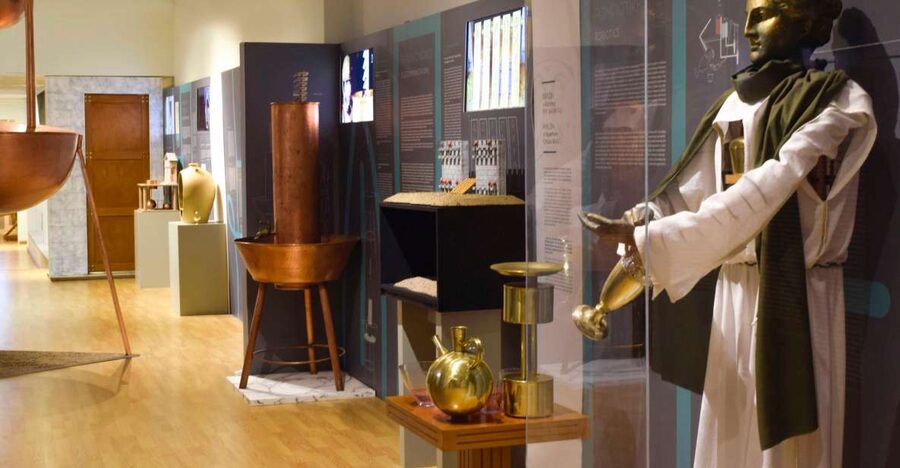
The exhibition called The Hi-Tech Inventions of Ancient Greeks includes about 100 selected exhibits. Across the wider museum, you will find approximately 300 artifacts and models.
The range is broad. It includes the robot-servant associated with Philon, a form of automated device designed to perform a task. You will also see a mechanical theater, sometimes described as a kind of ancient cinema, along with the automotive-puppet show of Heron. These displays show how mechanical movement could be used for entertainment and storytelling.
The museum also presents the hydraulic clock of Ktesibios. Water clocks were more than decorative curiosities. They show how ancient engineers could regulate movement over time, a basic challenge that appears in many later clocks and machines.
The Antikythera mechanism is likely to be the intellectual centerpiece for many visitors. Its gears were used to calculate astronomical cycles, and the museum presents a working model to help you understand the mechanism. Calling it an early analog computer is useful, but the model is even more valuable because it gives physical meaning to that label. You can see that this was a device built to calculate, not simply a decorative object.
The collection also includes devices linked to measurement, sound, movement, and automatic action. Some models can be operated directly, while others are explained through video or animation. The variety keeps the visit from becoming a single lecture about gears.
Why the interactive displays matter
Ancient technology can be difficult to understand from a written description alone. Terms such as hydraulic pressure, gearing, and automatic movement quickly become abstract. The Kotsanas Museum deals with that problem by showing the mechanisms in operation.
You may be able to turn, trigger, or inspect selected exhibits yourself. The exact hands-on access depends on the model, but interactivity is a central part of the museum experience. That makes the visit particularly useful for families. Children can watch a mechanism produce an effect, then connect what they see to the explanation.
Adults benefit too. You do not need an engineering background to enjoy the museum, and you do not need to memorize technical terms. A good guide, such as Vasilis, Irina, or Maria, can explain the basic idea first, then add detail if you want more.
The displays are supported by explanatory labels, large posters, diagrams, photographs, and bibliographical references in Greek and English. Video stations, animations, and documentaries show how the devices function and how they might have been used.
This mix of material gives you several ways to learn. You can listen to the guide, study a diagram, watch a model operate, or revisit a display after the tour. That is much more useful than relying on one short explanation.
Same base, a completely different day:
- Athens: Acropolis & up to 5 Archaeological Sites Combo Pass
★ 4.4 · 12,619 reviews - Athens: Acropolis Ticket with Optional Audio or Live Guide
★ 4.2 · 11,055 reviews - Athens: Cape Sounion & Poseidon Temple Sunset Half-Day Trip
★ 4.8 · 8,241 reviews - Athens: Acropolis and Parthenon Guided Walking Tour
★ 4.6 · 5,882 reviews
Ancient ideas that feel surprisingly modern
The museum’s central lesson is not that every ancient Greek invention was an early version of something in your home. That would stretch the evidence too far. Instead, the displays show that ancient engineers were solving practical problems with systems that still make sense today.
Automation is a good example. A robot-servant or mechanical puppet show uses stored energy and controlled movement. The materials and purpose differ from a modern robot, but the basic idea of making a machine perform a sequence is recognizable.
The same is true of the Antikythera mechanism. It does not function like a laptop, and you should not treat it as one. Yet it uses a carefully arranged system to calculate information, which explains why the analog computer comparison is so striking.
Hydraulic clocks offer another useful connection. Water provides the force, and the mechanism controls that force over time. You can see how a natural resource becomes part of an engineered system.
I like these comparisons because they give ancient technology a human scale. You do not need to know every date or technical term. You only need to notice that people thousands of years ago were testing ways to measure, move, calculate, entertain, and automate.
Is $54 a good value?
The listed price is $54 for a private group of up to four people. If four of you attend, that is $13.50 per person for museum entry and a one-hour private guided tour, followed by free time to continue exploring.
That is a sensible price for a small group that wants explanation rather than a quick solo visit. The private format is the real value. You are paying not only to enter the museum but also to have a qualified guide interpret the working models and answer questions.
For one or two people, the per-person cost is higher. Even then, the tour can make sense if you enjoy science, ancient history, or mechanical design and want more context than labels alone can provide. If you are mainly looking for a large archaeological collection, the price may feel less appealing because the museum is focused on models and demonstrations rather than original monumental artifacts.
Families can get especially good value from the group rate. The interactive displays give children something to watch and do, while the guide can adjust the explanation for different ages. Several families have found the visit enjoyable, and the museum is repeatedly described as a strong choice for children.
Who will enjoy this experience most
I would recommend this tour to anyone who wants a break from the usual Athens route of temples and museums filled with sculpture. It is also a good choice for repeat visitors who have already seen the Acropolis and want a less familiar side of Greek culture.
The tour suits:
- Families who want a hands-on museum visit
- Adults interested in engineering, astronomy, or mechanical design
- History lovers who want practical examples rather than only dates and names
- Visitors looking for a central Athens activity lasting about one hour
- Small groups that prefer a private guide
- People who enjoy learning through models, diagrams, and demonstrations
You do not need technical training. The displays are designed to explain the mechanisms through clear visual material and guided interpretation.
The experience may be less suitable if you have limited mobility, since it is specifically listed as not suitable for people with mobility impairments. It may also disappoint you if you expect a large collection of original ancient objects. This is primarily a museum of reconstructed and operating models, supported by explanations and audiovisual material.
Location, timing, and practical details
The museum is at Pindarou 6 in central Athens, about five minutes on foot from Syntagma Metro Station. That makes it easy to fit into a day of sightseeing around central Athens.
The activity begins and ends at the museum. There is no hotel transfer, so you need to make your own way there. Food and drinks are not included, and they are not allowed inside the museum.
The duration is one hour for the guided portion, with free time afterward to explore further. Check the available start times when booking, since the schedule can vary.
The tour is offered in English and is for a private group. You can cancel up to 24 hours in advance for a full refund, and the reserve-now, pay-later option lets you hold a place without paying immediately.
I would arrive a few minutes early. The location is close to the metro, but central Athens streets can be busy and the museum is in a historic building, so a little extra time helps you start without a rush.
Should you book the Kotsanas Museum tour?
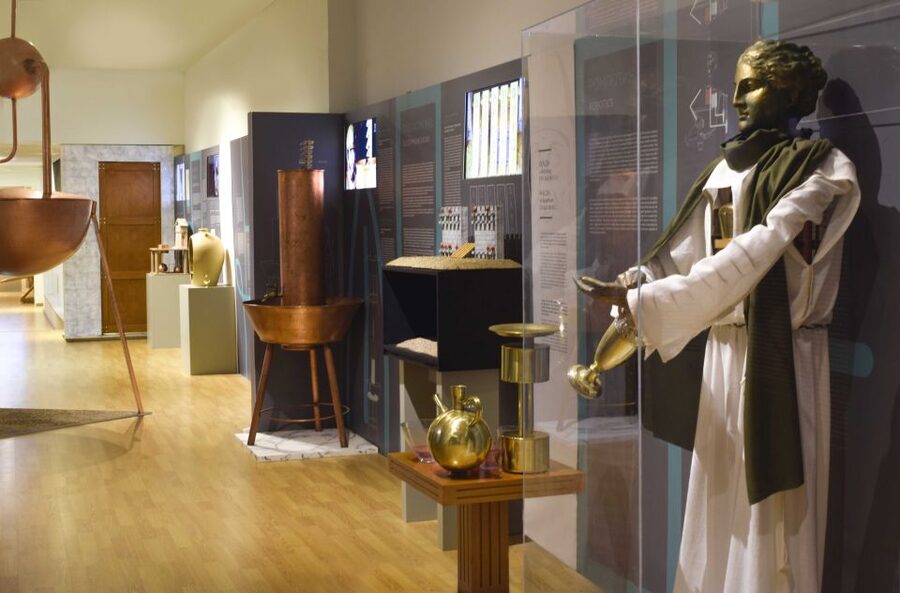
Book it if you want to see ancient Greek ingenuity through moving parts rather than marble statues. The private guide, hands-on models, and short central location make this an easy addition to an Athens itinerary.
I especially recommend it for families and small groups of up to four, since the group price becomes good value and the guide can keep everyone involved. The visit also works well for anyone curious about the Antikythera mechanism, ancient automation, clocks, or the roots of mechanical design.
Skip it if you have serious mobility limitations or if your priority is original archaeological objects. Otherwise, this is a thoughtful one-hour stop that can change how you picture ancient Greek culture. You leave with more than names and dates: you see people designing machines to calculate, measure, entertain, and make work easier.
FAQ
Where is the Kotsanas Museum located?
The museum is at Pindarou 6, Athina 106 71, Greece. It is about a five-minute walk from Syntagma Metro Station.
How long does the guided tour last?
The private guided tour lasts one hour. You also receive free time to explore the museum further afterward.
How much does the experience cost?
The price is $54 per private group of up to four people.
What language is the tour offered in?
The live guided tour is offered in English.
Who leads the private tour?
The guide is qualified staff from the museum, with expertise as an engineer, historian, archaeologist, or museologist. Guides who have led visits include Vasilis, Irina, and Maria.
What will I see in the museum?
You will see operating models of ancient Greek inventions, including the Antikythera calculating mechanism, the hydraulic clock of Ktesibios, the robot-servant of Philon, and the automotive-puppet show of Heron. The museum has about 300 artifacts, with about 100 selected exhibits in the main Hi-Tech Inventions of Ancient Greeks exhibition.
Is the museum suitable for children?
Yes. The interactive displays and working models make the museum suitable for children, particularly when accompanied by the private guide.
Are hotel transfers, food, or drinks included?
No. Hotel transfer, food, and drinks are not included. Food and drinks are also not allowed inside the museum.
Just added in Athens
- Ceramic and Pottery Creative Workshop with Two Local Artists★ 4.0 · 57 reviews
- Small-Group Women History in Ancient Greece Walking Tour★ 5.0 · 38 reviews
- Athens Old City Private Photoshoot Tour / 2 hrs★ 5.0 · 109 reviews
- Athens: Wine Workshop Create your Own Wine under the Acropolis★ 5.0 · 77 reviews
- Athens: Greek Wines Tasting with Sommelier and Acropolis Views★ 5.0 · 88 reviews
- Wine Trails Private Tour/ Nemea visit 3 wineries from Athens or Nafplion (10 h)★ 5.0 · 44 reviews
- FLYING DRESS Photoshoot in Athens – Greece★ 5.0 · 47 reviews
- Small-Group Wine Tour in Athens with Tasting★ 5.0 · 33 reviews
Museums, compared.

Acropolis, Parthenon & Acropolis Museum Guided Tour
Read our review →
Mythology of Delphi, Museum and Arachova Guided Tour
Read our review →
Acropolis monuments & Parthenon Walking Tour with Optional Acropolis Museum
Read our review →
Athens All Included: Acropolis and Museum Guided Tour with Ticket
Read our review →
Acropolis Museum Ticket with optional Audio Guide
Read our review →
Small-Group Delphi, Museum & Arachova Day Trip
Read our review →
Parthenon & Acropolis Museum with Audio or Live Tour Option
Read our review →
National Archaeological Museum Ticket & Audio Guide
Read our review →Browse the lists this tour appears in