
Reviewed · MUSEUMS
Hellenic Motor Museum Entrance Ticket
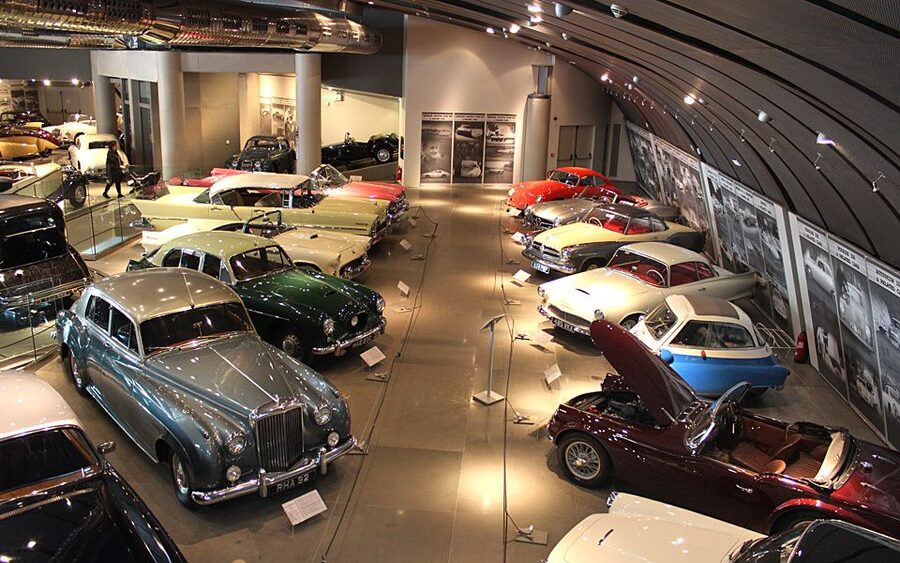
The Hellenic Motor Museum turns a car collection into a quick trip through modern history. Across three floors in Capitol Mall, you’ll see more than 110 vehicles, including rare models from car companies that no longer exist, plus famous classics from makers still selling cars today. The display begins with the history of the wheel and reaches from 300 B.C. to the end of the 20th century.
I like the excellent variety, which goes well beyond a row of shiny sports cars, and I like the old workshop, where tools and fittings help explain how cars were repaired before modern service centers. The main drawback is finding the entrance: the museum sits on the top floor of a building with offices, and outside signs are not especially clear.
Key points at a glance
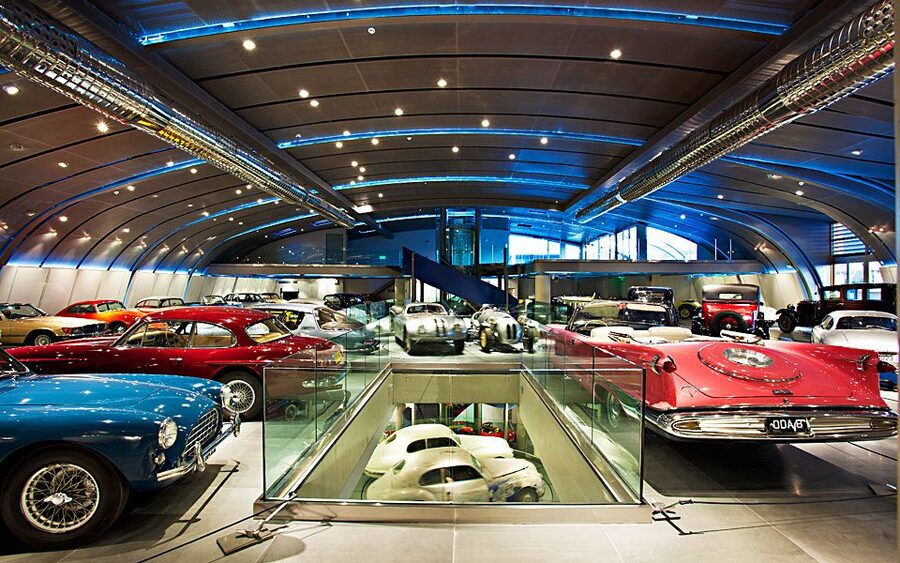
- More than 110 cars: See rare, classic, and famous models from the global automobile industry.
- Three floors in central Athens: The museum offers an easy indoor stop near Ioulianou 33 to 35 and C’ Septemvriou 74 to 78.
- A collection that changes: Displays include cars from vanished manufacturers as well as classic models from current brands.
- The wheel comes first: Follow the development of the wheel from 300 B.C. through the automobile age.
- A working-world setting: Walk through an old car workshop filled with period features.
- Practical in hot weather: Air conditioning, bright lighting, an English audio guide, and wheelchair access make the visit comfortable.
Why this car museum works in Athens
Athens is packed with ancient sites, archaeological displays, and grand neoclassical buildings. The Hellenic Motor Museum gives you something quite different: a look at how people moved, worked, designed, and spent money during the last two centuries.
The collection is not limited to one national school of car design. You might see elegant European models beside American-style automobiles, racing-inspired machines, and familiar classics from better-known manufacturers. The museum also displays cars from companies that disappeared, which gives the collection a useful sense of time. A badge or body shape may belong to a firm that once mattered greatly but is now gone.
That variety is the museum’s strongest feature. If you already know your Alfa Romeo from your Aston Martin, you can study the details. If you are not a car expert, the collection still gives you a readable outline of how the automobile changed from an expensive curiosity into an everyday machine.
The museum occupies three floors of Capitol Mall. That location is convenient once you find it, but it can feel unexpected. You are not entering a grand museum building with a large sign out front. Instead, you need to make your way through a commercial and office building to the upper level. Give yourself a few extra minutes to get oriented.
A few more things to do in Athens worth a look
- Athens: Acropolis, Parthenon & Acropolis Museum Guided Tour
★ 4.8 · 9,316 reviews - Athens: Mythology of Delphi, Museum and Arachova Guided Tour
★ 4.6 · 4,008 reviews - Athens: Acropolis, Parthenon & Acropolis Museum Guided Tour
★ 4.8 · 3,579 reviews
Finding the museum at Capitol Mall
The address is Ioulianou 33 to 35 and C’ Septemvriou 74 to 78 in Athens. The museum is in central Athens, but the street signage outside may not make its location obvious. One useful tip is to look for Capitol Mall and expect the museum to be on the top floor, rather than searching only for a prominent street-level entrance.
This matters because the first part of the visit can otherwise become needlessly frustrating. Once inside the building, follow signs toward the upper floors and allow time to locate the entrance. The building has offices, so it may not immediately feel like you are approaching a major vehicle collection.
The museum welcomes you with an English or Greek host or greeter. An English audio guide is included, giving you a way to add context without joining a scheduled group. You can set your own pace, pause beside a car, and move on when a particular model does not hold your attention.
The museum is wheelchair accessible. That is especially useful here because the collection is spread across several levels and the building’s layout may not be as intuitive as a purpose-built museum.
Starting with the wheel, not the engine
The visit begins with a broader idea than the automobile itself: the history of the wheel. Exhibits trace its development from 300 B.C. to the end of the 20th century, helping you see the car as the result of many earlier changes in transport and engineering.
That opening is valuable because it keeps the museum from becoming a simple parade of old cars. The wheel is one of the basic tools of human movement, and its development helps explain why later vehicles could carry people faster, farther, and more comfortably.
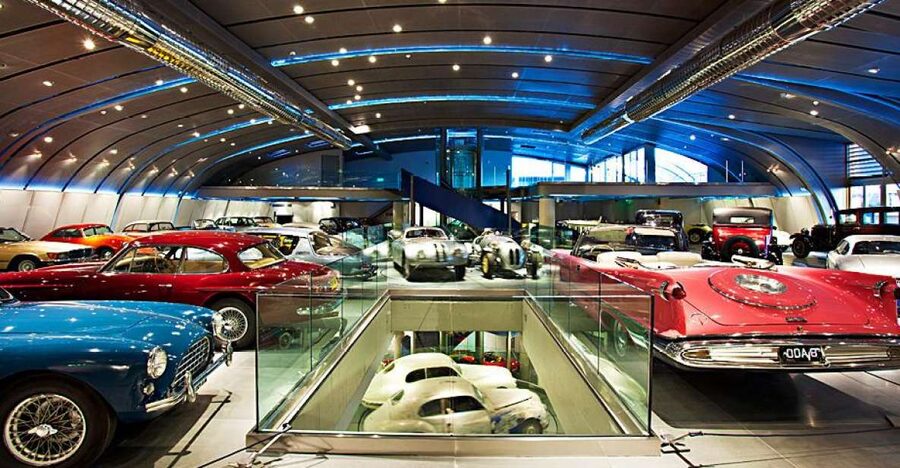
As you ascend the building’s spiral ramp, you can admire 72 unique exhibits dating from 300 B.C. through the 20th century. The ramp gives the visit a natural upward route, linking earlier wheel designs with later automobile technology. Rather than treating the oldest material as a separate archaeological display, the museum connects it to the machines you see above.
The route also breaks up the collection. You are not expected to absorb more than a hundred cars in one long, flat room. The three-floor layout gives you fresh displays as you move upward, though some cars can be positioned close together.
More than 110 cars across three floors
The main attraction is the automobile collection itself. More than 110 examples represent the global motor industry, and the displays cover the 19th and 20th centuries. The exact mix can change because the collection rotates, so a future visit may not look exactly like the one you make today.
That changing display is good news for repeat visits and for anyone who wants more than a fixed set of famous names. It also means you should not book the museum for one particular model unless you have confirmed that it is currently displayed.
You will find automobiles from manufacturers that no longer exist, along with classic models from current companies. That mix gives you two ways to look at the cars. You can admire styling, engines, and craftsmanship, or you can consider the business story behind them. Some firms produced beautiful or inventive cars yet failed to survive. Others built a long-running identity that remains recognizable today.
The cars are neatly arranged and well maintained. Bright lighting helps you see bodywork, chrome, interiors, and other small features. Descriptions accompany the vehicles, while the audio guide adds another layer for readers who want more explanation.
Space is the main limitation. Some displays leave less room than ideal, and a few cars can be viewed mainly from the front. If you want a full look at every vehicle, move slowly and check the angles rather than assuming the first view tells you everything.
Same base, a completely different day:
- Athens: Acropolis & up to 5 Archaeological Sites Combo Pass
★ 4.4 · 12,619 reviews - Athens: Acropolis Ticket with Optional Audio or Live Guide
★ 4.2 · 11,055 reviews - Athens: Cape Sounion & Poseidon Temple Sunset Half-Day Trip
★ 4.8 · 8,241 reviews - Athens: Acropolis and Parthenon Guided Walking Tour
★ 4.6 · 5,882 reviews
The old workshop and the human side of motoring
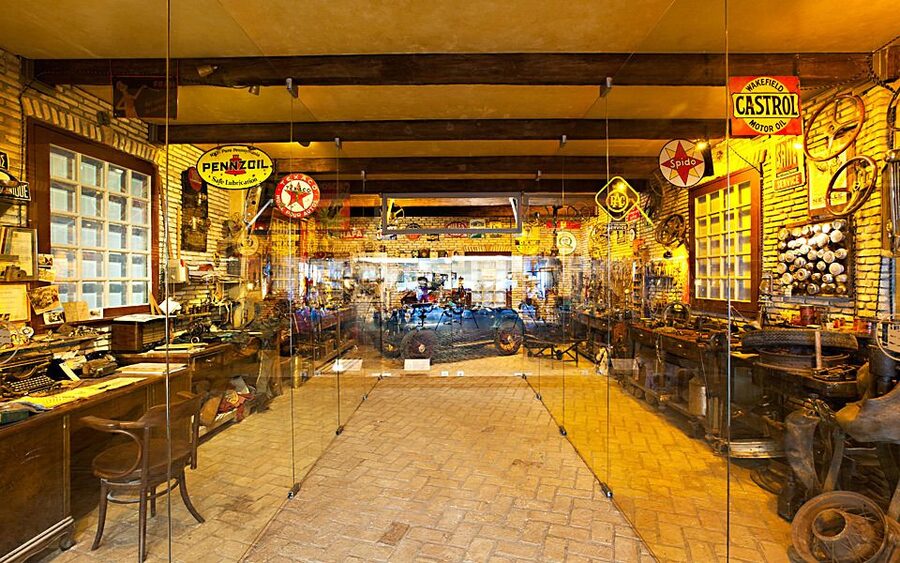
The old car workshop adds welcome texture to the polished vehicles. Here you see the setting in which automobiles were serviced, repaired, and kept on the road. Tools and workshop features turn the collection from a display of finished products into a reminder that cars need constant human attention.
I find this section useful even if you are not mechanically minded. It shows the difference between admiring a car and understanding the work behind it. A gleaming classic may look effortless, but the workshop hints at the skill, labor, and patience required to maintain such machines.
The museum describes the experience as walking through an old workshop, not operating the cars. You should expect a visual exhibit, not a hands-on repair session or driving activity. That distinction helps set the right expectations, especially for families hoping for an interactive attraction.
The workshop also gives the visit a more personal scale. The collection deals with major changes in transport, but the tools bring the story down to the level of an individual mechanic working on one vehicle at a time.
What the visit feels like in practice
Plan on roughly an hour or so if you move at a steady pace. A car enthusiast may want longer, especially when studying the details of individual models or listening to the full audio guide. Someone making a short stop between central Athens sights can see the main collection without giving up most of the day.
The ticket is valid for one day, and the visit is self-guided. There is no hotel pick-up or drop-off, and food and drinks are not included, so treat this as an independent museum stop rather than a packaged excursion.
The museum is air-conditioned, which makes it especially useful during Athens’ hot months. One practical benefit is that you can combine relief from the heat with a proper cultural visit, rather than spending an hour in a generic indoor space.
Bright lighting helps photography and close viewing, although the spacing between cars may limit the angle of some pictures. If you are visiting mainly for photographs, take your time on each level and look for the clearest position before moving on.
Opening hours and the best time to go
The museum opens Monday through Friday from 10:00 to 17:00. On Saturday and Sunday, it opens from 11:00 to 18:00. Last admission is 30 minutes before closing, so do not arrive at the final moment and expect a full visit.
A weekday visit gives you a longer morning window, while the weekend schedule works well if your Athens sightseeing begins later. Since the museum is indoors and air-conditioned, it is also a sensible midday choice when the sun is strongest.
The museum closes on January 1, January 6, Easter Sunday, Easter Monday, August 15, and December 25. Check the date before setting out, particularly around Greek public holidays and major religious celebrations.
Is the $14 ticket good value?
At $14 per person, the ticket is a fair buy if you like cars, design, engineering, or social history. You are paying for access to more than 110 vehicles across three floors, an audio guide in English, and a collection that includes unusual brands as well as famous models.
The value is strongest when you allow enough time to study the cars. A rushed 20-minute visit will make the price feel less attractive. Spend an hour with the audio guide and the displays, and the cost compares well with other central Athens attractions.
The ticket is less compelling if you have no interest in vehicles and are already trying to fit major archaeological sites into a packed schedule. This is not a substitute for the Acropolis Museum or the National Archaeological Museum. It is a specialist collection with enough historical context to appeal beyond committed car enthusiasts, but cars remain the focus.
Families may find the variety useful because children can spot familiar shapes, racing designs, and popular character cars. The collection has included Lightning McQueen and the Flintstones Mobile, adding a playful touch alongside the historic vehicles. The museum’s main strength, though, is its real automobile collection rather than its novelty displays.
Who should make time for this museum?
I would recommend it most strongly to:
- Car enthusiasts who want rare models and vanished manufacturers
- Families looking for an indoor Athens activity
- Anyone interested in design, engineering, or industrial history
- Visitors needing a cool break from the summer heat
- People who have already seen Athens’ major ancient sights
- Anyone with a flexible hour near central Athens
You do not need technical car knowledge to enjoy the collection. The audio guide and written descriptions help, and the chronological route gives the visit a clear shape. Still, if you have no interest in cars at all, the museum may feel more specialized than other Athens museums.
The museum also works well for couples with different interests. One person can focus on the bodywork and mechanical details while the other follows the social story of changing transport, fashion, and technology. The old workshop helps broaden the appeal beyond luxury cars.
Booking, cancellation, and access
You can reserve now and pay later, which keeps the plan flexible. Free cancellation is available up to 24 hours in advance for a full refund.
The host or greeter can assist in English or Greek, and the included audio guide is in English. Wheelchair access is available. Remember that the entrance is inside a building with offices, and finding the museum may take a little patience because street signage is limited.
Should you book the Hellenic Motor Museum?
Book it if you want a well-kept, varied car collection and have an hour to spare in central Athens. The rare manufacturers, rotating exhibits, old workshop, and wheel display give the visit more substance than a basic showroom.
Skip it if your Athens schedule is already overloaded with ancient sites or if automobiles do not interest you. For everyone else, $14 buys a comfortable indoor stop with enough variety to please serious enthusiasts and casual visitors alike. Just allow extra time to find the top-floor entrance, and do not wait until the last 30 minutes before closing.
FAQ
Where is the Hellenic Motor Museum?
The museum is at Ioulianou 33 to 35 and C’ Septemvriou 74 to 78 in Athens, inside Capitol Mall.
How much does admission cost?
The entrance ticket costs $14 per person.
How long is the ticket valid?
The ticket is valid for one day.
How many cars are displayed?
The museum presents more than 110 unique examples from the global automobile industry.
How many floors does the museum occupy?
The Hellenic Motor Museum occupies three floors of Capitol Mall.
Is an audio guide included?
Yes. An English audio guide is included with admission.
What languages are available at the museum?
The host or greeter service is available in English and Greek. The audio guide is available in English.
Is the museum wheelchair accessible?
Yes, the museum is wheelchair accessible.
What are the opening hours?
The museum opens Monday through Friday from 10:00 to 17:00, and Saturday and Sunday from 11:00 to 18:00.
When is the museum closed?
It is closed on January 1, January 6, Easter Sunday, Easter Monday, August 15, and December 25. Last admission is 30 minutes before closing.
Just added in Athens
- Ceramic and Pottery Creative Workshop with Two Local Artists★ 4.0 · 57 reviews
- Small-Group Women History in Ancient Greece Walking Tour★ 5.0 · 38 reviews
- Athens Old City Private Photoshoot Tour / 2 hrs★ 5.0 · 109 reviews
- Athens: Wine Workshop Create your Own Wine under the Acropolis★ 5.0 · 77 reviews
- Athens: Greek Wines Tasting with Sommelier and Acropolis Views★ 5.0 · 88 reviews
- Wine Trails Private Tour/ Nemea visit 3 wineries from Athens or Nafplion (10 h)★ 5.0 · 44 reviews
- FLYING DRESS Photoshoot in Athens – Greece★ 5.0 · 47 reviews
- Small-Group Wine Tour in Athens with Tasting★ 5.0 · 33 reviews
Museums, compared.

Acropolis, Parthenon & Acropolis Museum Guided Tour
Read our review →
Mythology of Delphi, Museum and Arachova Guided Tour
Read our review →
Acropolis monuments & Parthenon Walking Tour with Optional Acropolis Museum
Read our review →
Athens All Included: Acropolis and Museum Guided Tour with Ticket
Read our review →
Acropolis Museum Ticket with optional Audio Guide
Read our review →
Small-Group Delphi, Museum & Arachova Day Trip
Read our review →
Parthenon & Acropolis Museum with Audio or Live Tour Option
Read our review →
National Archaeological Museum Ticket & Audio Guide
Read our review →Browse the lists this tour appears in